
Artificial intelligence optimization presents mechanical engineers with a robust suite of benefits. These encompass the ability to achieve faster and more precise designs and simulations, significantly enhance operational efficiency, and reduce development costs through automated processes. Moreover, AI integration markedly improves capabilities in predictive maintenance and quality control.
While the public often associates mechanical engineering with rudimentary tools like hammers or large-scale hardware such as cars, robots, and cranes, the field’s actual breadth is far greater. According to Faez Ahmed, the Doherty Chair in Ocean Utilization and an associate professor of mechanical engineering at MIT, areas like machine learning, artificial intelligence, and optimization are now playing a significant and expanding role within the discipline.
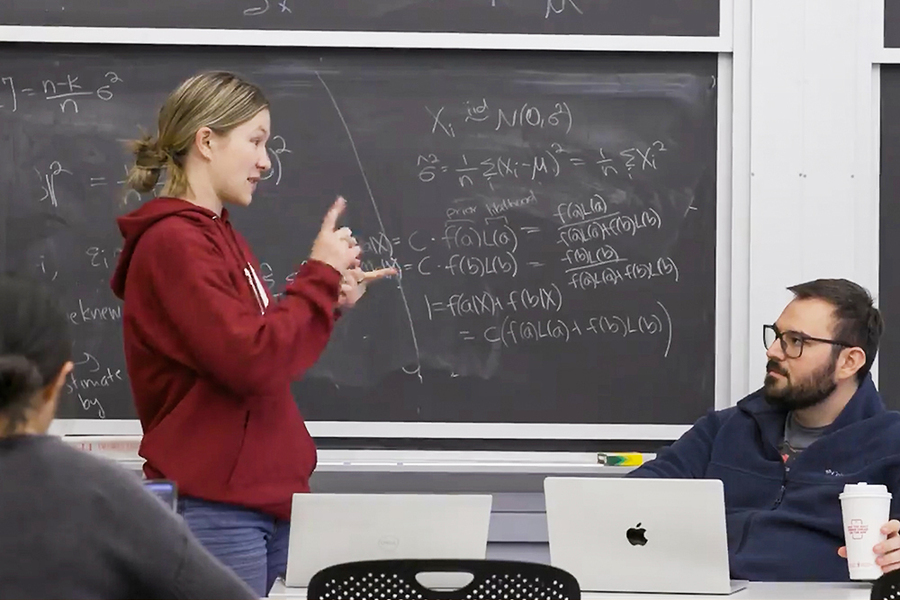
Professor Ahmed’s 2.155/156 course, “AI and Machine Learning for Engineering Design,” trains students to leverage artificial intelligence and machine learning for advanced mechanical engineering design. The program emphasizes the practical application of these technologies to foster the creation of innovative products and effectively address complex engineering challenges.
“There’s a lot of reason for mechanical engineers to think about machine learning and AI to essentially expedite the design process,” says Lyle Regenwetter, a teaching assistant for the course and a PhD candidate in Ahmed’s Design Computation and Digital Engineering Lab (DeCoDE), where research focuses on developing new machine learning and optimization methods to study complex engineering design problems.
First offered in 2021, the class has quickly become one of the Department of Mechanical Engineering (MechE)’s most popular non-core offerings, attracting students from departments across the Institute, including mechanical and civil and environmental engineering, aeronautics and astronautics, the MIT Sloan School of Management, and nuclear and computer science, along with cross-registered students from Harvard University and other schools.
The course, which is open to both undergraduate and graduate students, focuses on the implementation of advanced machine learning and optimization strategies in the context of real-world mechanical design problems. From designing bike frames to city grids, students participate in contests related to AI for physical systems and tackle optimization challenges in a class environment fueled by friendly competition.
Students are given challenge problems and starter code that “gave a solution, but [not] the best solution …” explains Ilan Moyer, a graduate student in MechE. “Our task was to [determine], how can we do better?” Live leaderboards encourage students to continually refine their methods.
Em Lauber, a system design and management graduate student, says the process gave space to explore the application of what students were learning and the practice skill of “literally how to code it.”
The curriculum incorporates discussions on research papers, and students also pursue hands-on exercises in machine learning tailored to specific engineering issues including robotics, aircraft, structures, and metamaterials. For their final project, students work together on a team project that employs AI techniques for design on a complex problem of their choice.
“It is wonderful to see the diverse breadth and high quality of class projects,” says Ahmed. “Student projects from this course often lead to research publications, and have even led to awards.” He cites the example of a recent paper, titled “GenCAD-Self-Repairing,” that went on to win the American Society of Mechanical Engineers Systems Engineering, Information and Knowledge Management 2025 Best Paper Award.
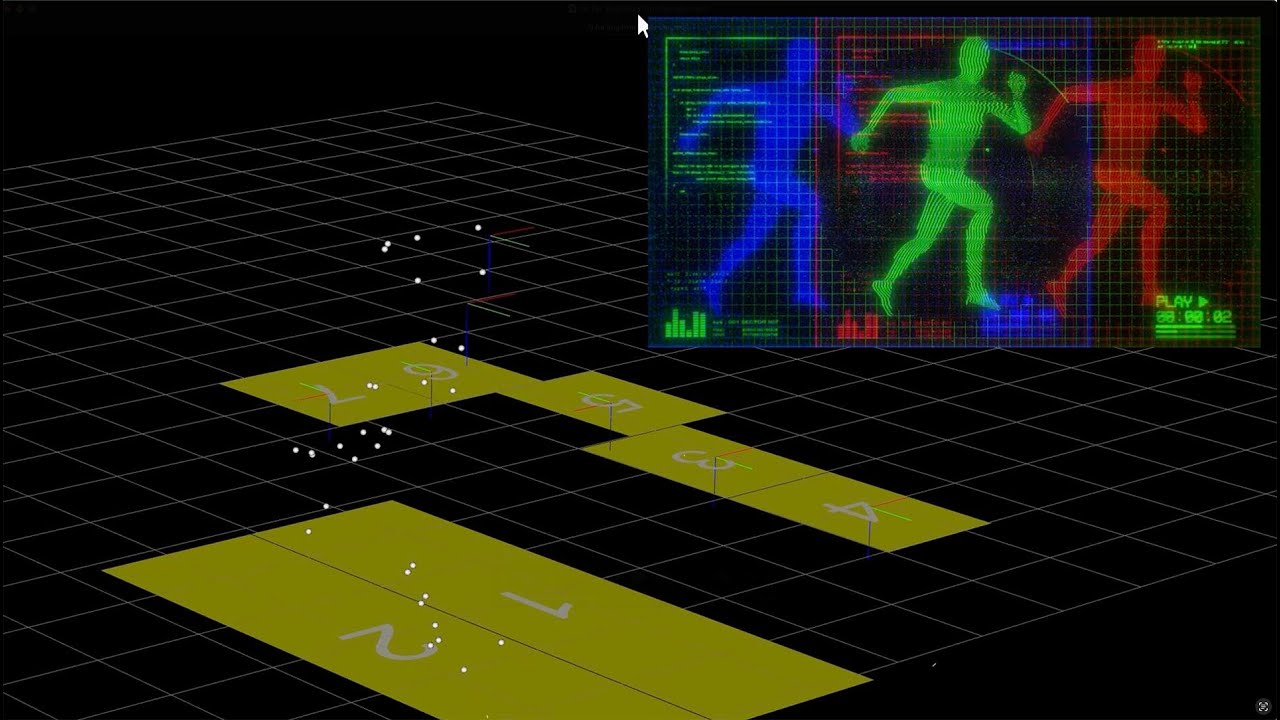
“The best part about the final project was that it gave every student the opportunity to apply what they’ve learned in the class to an area that interests them a lot,” says Malia Smith, a graduate student in MechE. Her project chose “markered motion captured data” and looked at predicting ground force for runners, an effort she called “really gratifying” because it worked so much better than expected.
Lauber took the framework of a “cat tree” design with different modules of poles, platforms, and ramps to create customized solutions for individual cat households, while Moyer created software that is designing a new type of 3D printer architecture.
“When you see machine learning in popular culture, it’s very abstracted, and you have the sense that there’s something very complicated going on,” says Moyer. “This class has opened the curtains.”