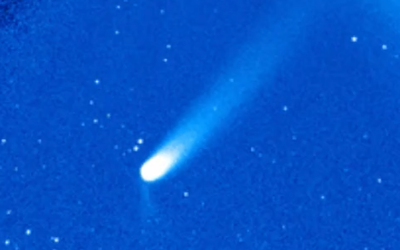
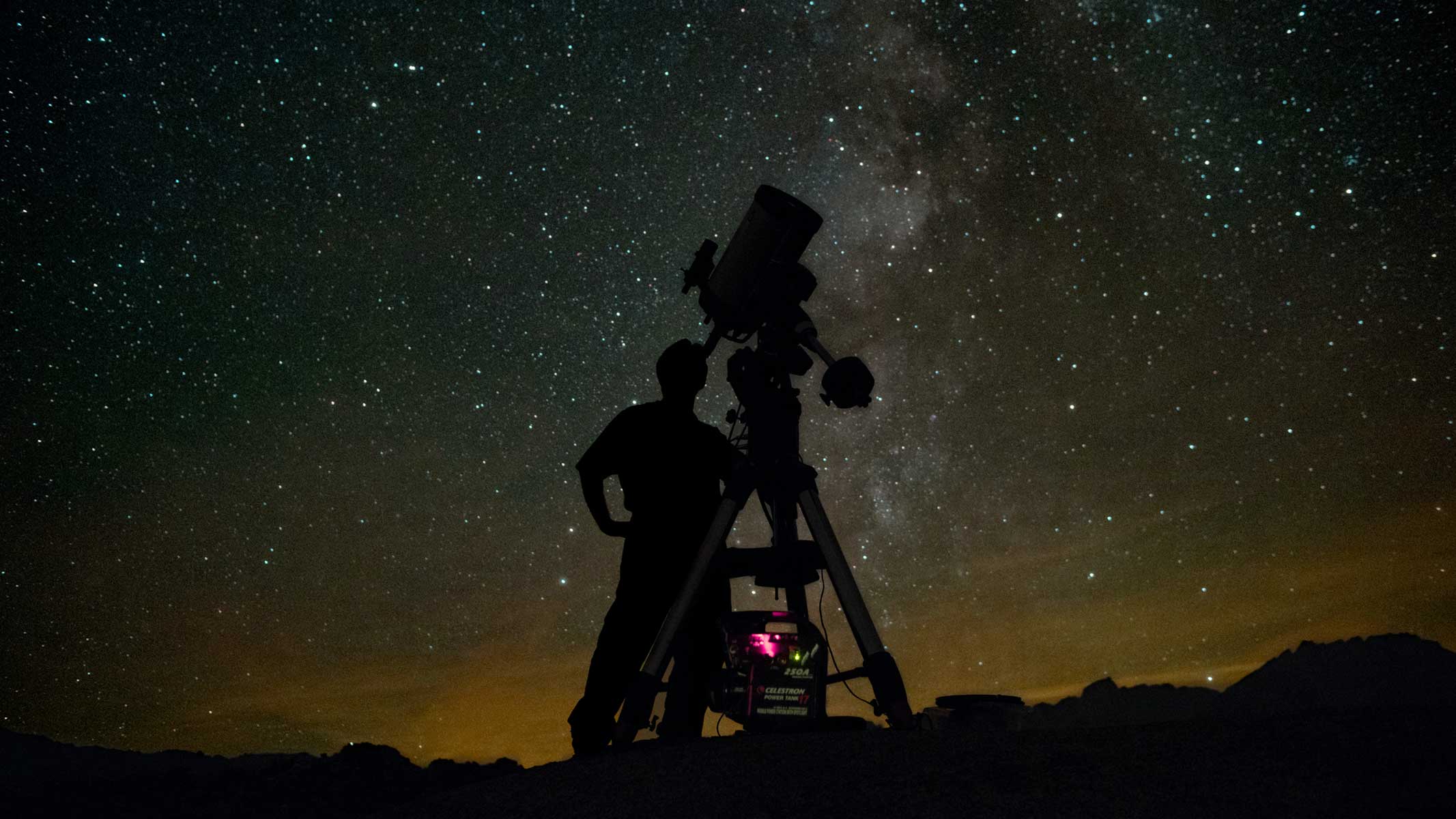
Astronomy Day 2025 will be celebrated with a curated list of six celestial targets. These selections are designed to illustrate the immense diversity and scale of objects visible above, providing a stunning and gratifying spectacle for both naked-eye observation and telescopic viewing.
Each spring and fall, the American Astronomical League designates a special evening for astronomy enthusiasts and seasoned experts to engage the public with the cosmos. These organized stargazing events aim to connect communities with the wonders of the night sky, fostering a deeper appreciation for the post-sunset realm.
This year’s autumnal Astronomy Day is scheduled for September 27. Stargazers eager to mark the occasion can direct their gaze, binoculars, or telescopes toward the late September night sky, where six spectacular celestial targets await discovery.
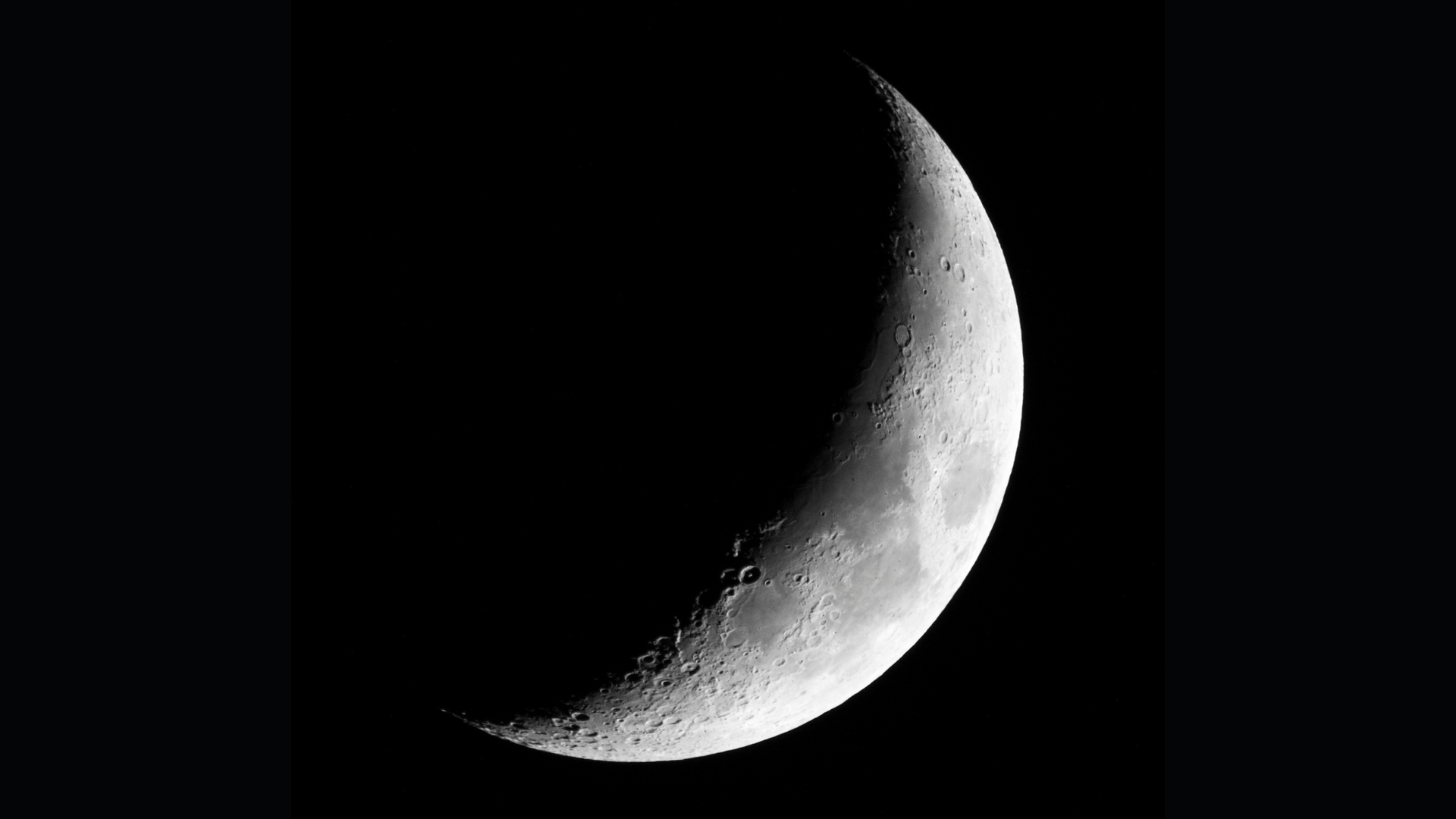
A steadfast celestial presence across human history, Earth’s moon presents a notable appearance on September 27. At sunset, its 34%-lit disk will be observable 15 degrees above the southwestern horizon. Nearby, the distinctive red supergiant star Antares shines to its right, situated among the stars of the constellation Scorpius.
The moon will soon offer a captivating spectacle for the unaided eye, appearing just two days before its first quarter phase. At this point, its entire right side will be brightly illuminated by direct sunlight.
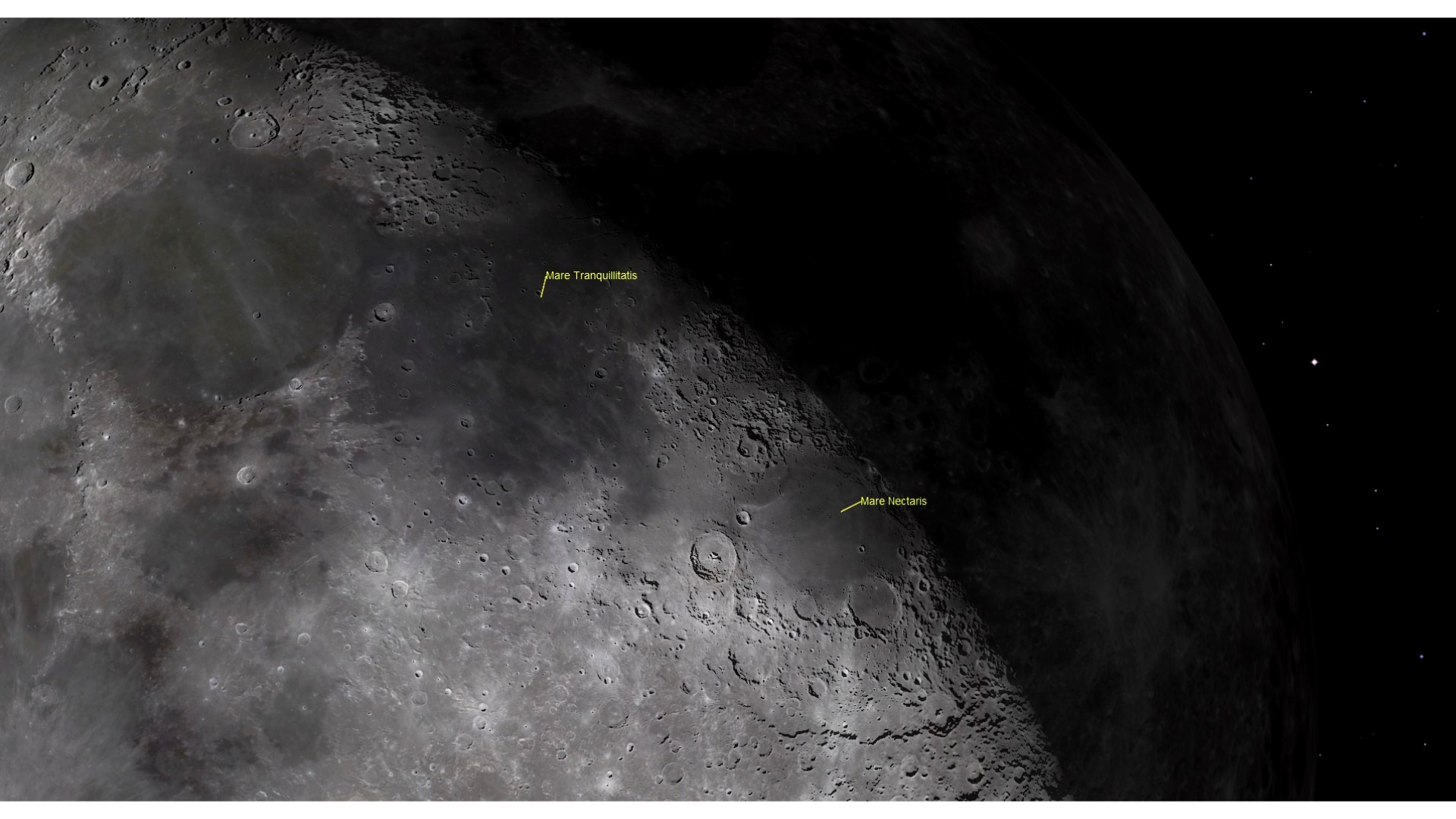
For those seeking a more detailed view, 10×50 binoculars will bring into focus the expansive, dark plains of Mare Tranquilitatis, a prominent feature near the lunar equator.
In the nights that follow, as the lunar terminator progresses westward, a telescope with an aperture of 6 inches or more can be used to locate the historic Apollo 11 landing site. Observers should utilize the distinct Ritter, Sabine, and Moltke craters as key landmarks on the southwestern shore of the Sea of Tranquility to pinpoint this significant location.
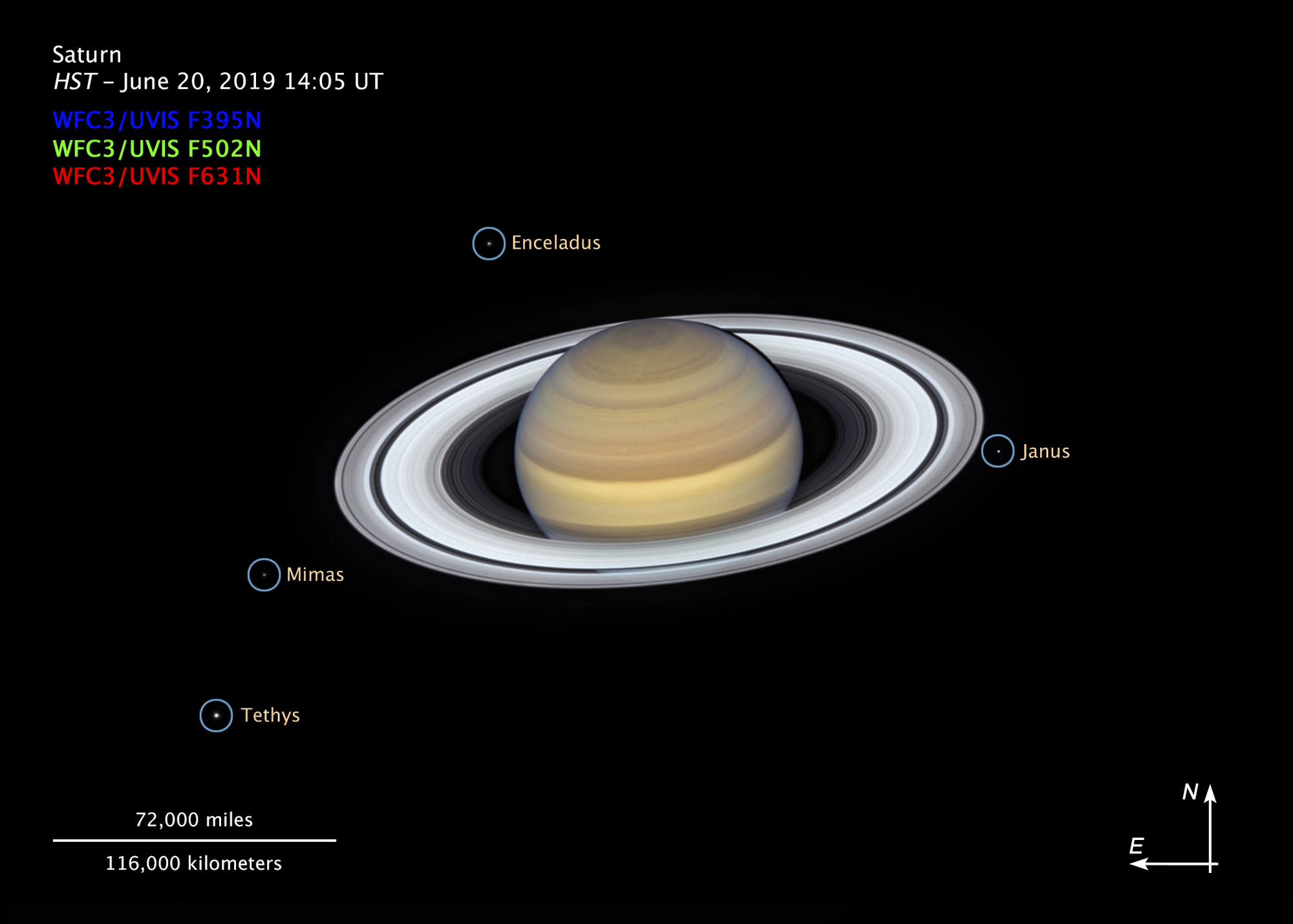
September offers skywatchers a superb opportunity to behold Saturn. The majestic ringed planet will be prominently situated high above the southeastern horizon, becoming visible in the hours following sunset. To locate it, observers should look just beneath the head of the Western Fish, a distinct feature within the constellation Pisces.
Approximately a week prior to its opposition, the planet will be distinctly visible to the unaided eye, appearing as a brilliant “evening star.” For those utilizing an 8-inch telescope, the vast cloud bands marking the gas giant’s surface will become clearly resolvable.
While a telescope of significant size would ordinarily provide a clear view of the Cassini Division—the nearly 3,000-mile (4,800 km) wide gap in Saturn’s iconic ring system—current conditions preclude such an observation. Following its ring-plane crossing in March, the gas giant’s rings are now oriented almost edge-on to Earth. This alignment causes them to appear as a bright, slender line dissecting Saturn’s cloud disk through an eyepiece.
However, observers should note an upcoming celestial event. On October 6, Saturn’s largest moon, Titan, is projected to cast its shadow across the gas giant. Witnessing this phenomenon firsthand will require a fairly large 8-inch telescope.
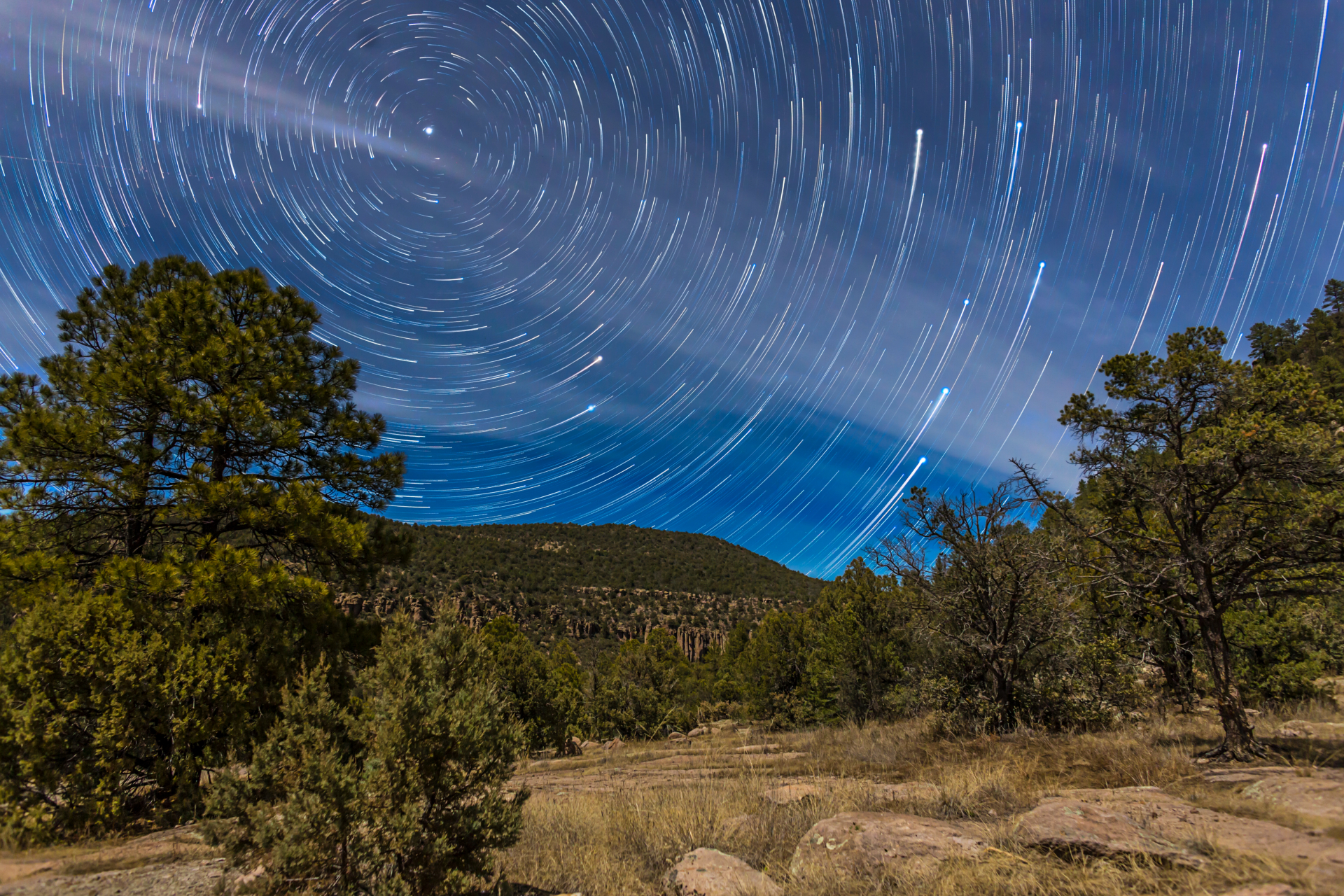
The supergiant star Polaris, a prominent fixture among the countless celestial bodies in the night sky, is located 430 light-years from Earth. This famous stellar object, accompanied by a smaller companion star, resides within the constellation Ursa Minor, commonly known as the “Little Bear.”
To pinpoint Polaris, the North Star, observers should first locate the Big Dipper, a prominent asterism within the constellation Ursa Major. A smartphone stargazing application can assist in this initial identification. Focus on the two bright stars, Dubhe and Merak, which form the “pouring edge” or “pointer” side of the Dipper’s pan. An imaginary straight line, projected from Merak through Dubhe and extended into the night sky, will directly lead to Polaris, the next bright star along that trajectory.
The Northern Hemisphere’s night sky appears to pivot around Polaris, yet this celestial configuration is not a permanent fixture. Earth’s rotational axis undergoes a gradual wobble, a phenomenon known as axial precession, which periodically shifts the stellar body designated as the North Star. Over a vast 26,000-year cycle, this precession ensures that various other bright stars have held, and will continue to hold, this significant celestial role.
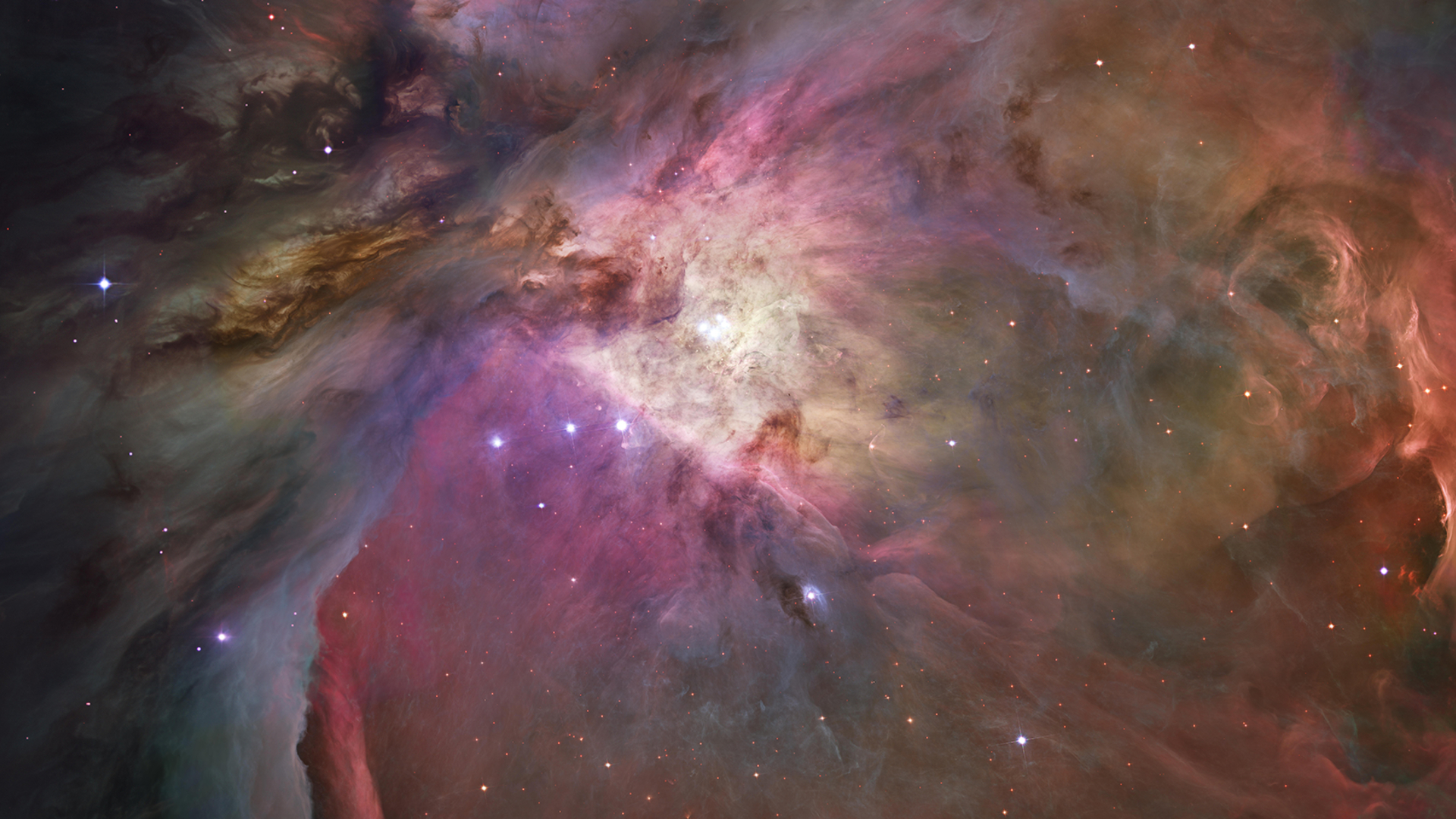
The Orion Nebula, officially known as Messier 42 (M42), stands as a magnificent stellar nursery located 1,500 light-years from Earth within the constellation of Orion, the Hunter.
Under sufficiently dark skies, the nebula is readily visible to the unaided eye. Its location is directly below Orion’s Belt, a prominent asterism composed of the stars Alnitak, Alnilam, and Mintaka. In late September, this stellar trio ascends high above the southern horizon in the hours before dawn.
The Orion Nebula, one of Earth’s nearest star-forming regions, has been the subject of intensive astronomical study, leveraging the capabilities of advanced space telescopes like Hubble and James Webb. Within this dynamic stellar nursery, researchers have captured images of protoplanetary disks coalescing around newly formed stars. These crucial observations are providing invaluable insights into the processes governing the formation of planetary systems beyond our own.
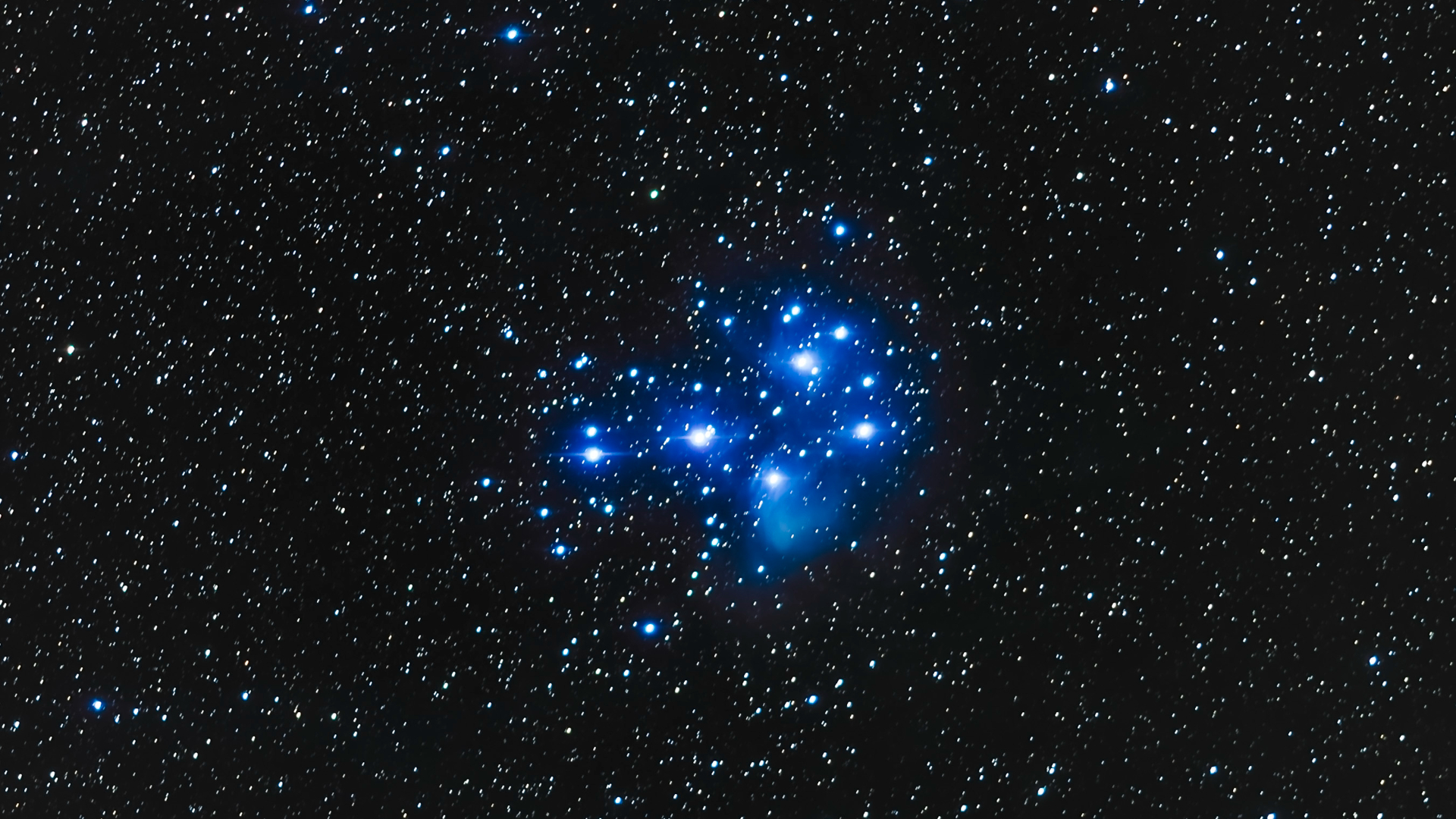
The Pleiades, a magnificent open star cluster, comprises over 1,000 brilliant blue-white stars. From dark-sky locations, this celestial grouping is easily discernible to the naked eye, appearing as a distinct milky patch of light. By late September, observers can spot this captivating stellar arrangement rising in the eastern sky around midnight, positioned just above the prominent red star Aldebaran within the constellation Taurus.

When observed through binoculars or a 6-inch telescope, the Pleiades star cluster reveals scores of energetic young stars. Among these, seven particularly prominent stellar bodies—Asterope, Celaeno, Alcyone, Electra, Merope, Taygete, and Maia—give the cluster its well-known nickname, the Seven Sisters.
Our sun likely formed billions of years ago within a star cluster, its birthplace. However, over the eons, these stellar companions have drifted apart and are now dispersed across our immediate galactic region.
The Milky Way, our home galaxy, represents a key subject of astronomical exploration. Earth’s location within the Orion Arm, or spur, of this vast stellar system makes it impossible to observe its full structure from an external vantage point, unlike the neighboring Andromeda galaxy. Despite this internal perspective, astronomers have successfully deduced that the Milky Way is likely a majestic barred spiral galaxy, a determination supported in part by the dense concentration of stars found within its flat galactic disk.
During September evenings, stargazers can escape artificial lights to behold the Milky Way’s galactic plane, a dense ribbon of stars, dust, and gas. Visible in the hours after sunset, this celestial spectacle streams towards the southwestern horizon. The luminous band conspicuously passes through the bright stars of the Summer Triangle — Altair, Vega, and Deneb — with numerous star clusters sparkling within its nebulous breadth.
Photographers keen on capturing the Milky Way’s breathtaking beauty should consult dedicated guides on the subject. Concurrently, individuals aiming to upgrade their astrophotography setup are encouraged to review expert recommendations for optimal lenses and cameras designed for celestial imaging.
For astronomers and enthusiasts eager to observe the planets of our solar system or the vast array of deep-sky objects, it is advisable to research the top telescope and binocular opportunities anticipated for 2025.
This offers merely a preview of the extensive array of celestial phenomena poised to become visible as the night sky transforms with the shifting seasons in the months ahead.