
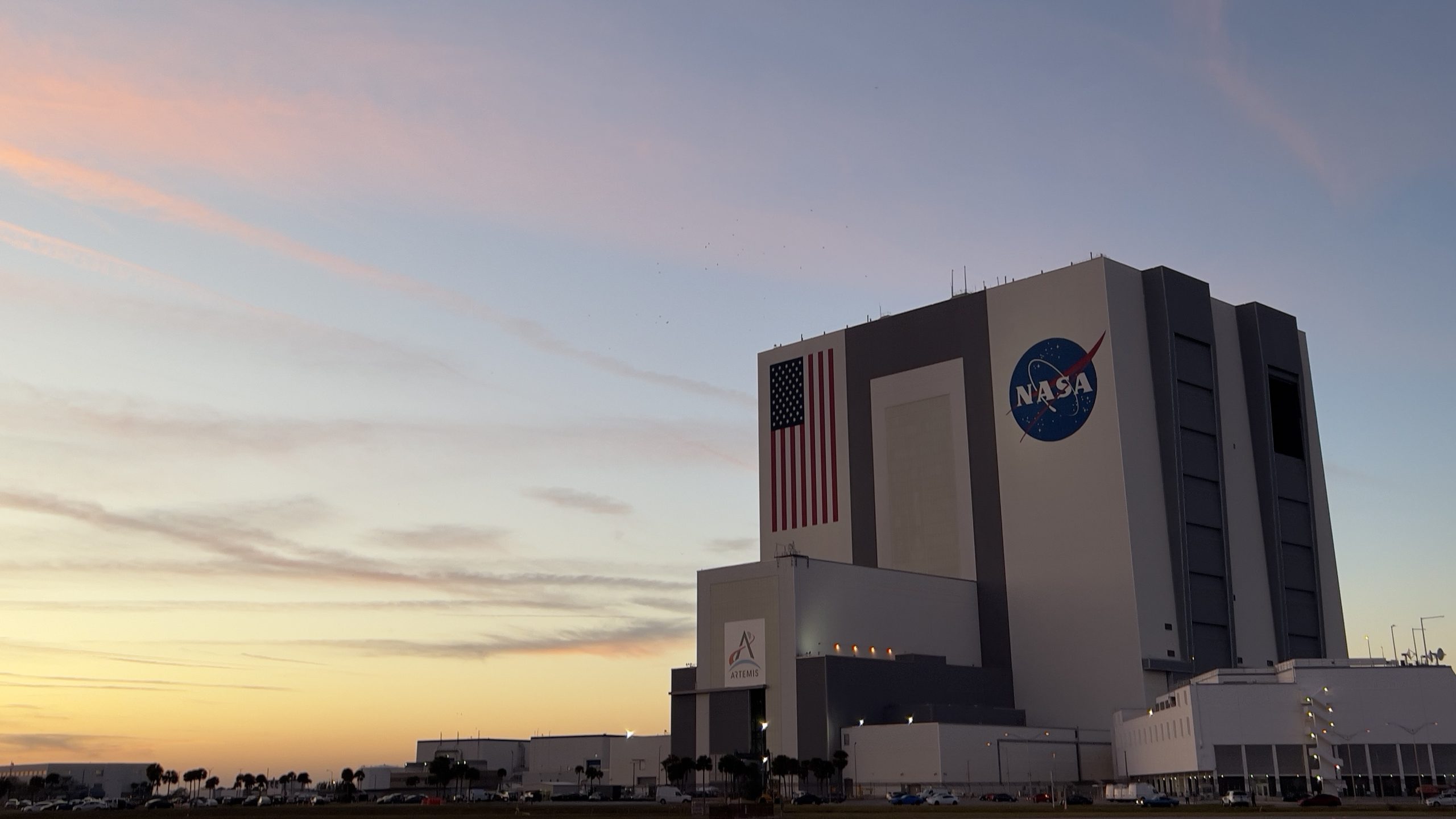
The National Aeronautics and Space Administration (NASA) is preparing for the potential onset of a federal government shutdown, a scenario that would materialize if Congress fails to pass a critical funding bill. This recurring budgetary impasse typically brings operations to a standstill across the majority of U.S. civilian agencies.
A looming government shutdown would force NASA to drastically curtail its operations, sending the vast majority of its employees home without pay. Only a skeleton crew of essential personnel would remain on duty, tasked with safeguarding critical assets such as spacecraft in orbit, the astronauts aboard the International Space Station, and other vital safety functions. Most of the agency’s extensive research and development initiatives would, consequently, grind to a halt.
A 2018 contingency plan from NASA, detailed in its shutdown FAQs, stipulates that only operations “necessary to prevent harm to life or property” would be exempt from being affected. Should Congress fail to pass a funding bill by September 30, marking the end of the current fiscal year, NASA’s offices are slated to close, its laboratories will fall silent, and the majority of the agency’s employees will face furloughs.

On September 29, NASA officials confirmed to Space.com that all essential and safety-critical agency activities would continue to operate without disruption, despite the ongoing appropriations process. The assurance was provided via email.
Beyond its fundamental responsibilities of maintaining the International Space Station and monitoring satellites vital for weather and climate data, the agency can also apply for special exemptions concerning other activities deemed critical.
NASA’s upcoming Artemis 2 mission, a landmark endeavor, is poised to send four astronauts on a historic journey around the Moon—the first crewed lunar flyby since the Apollo program in 1972. While a recent mission briefing indicated a potential launch date as early as February 5, officials have cautioned that any delays in mission preparations could push the liftoff closer to the end of its designated launch window in April.
NASA’s acting deputy administrator for exploration systems, Lakiesha Hawkins, has indicated that the agency expects to secure specific exemptions for its upcoming Artemis II mission.
At a press conference on September 23, Hawkins stated that the highly safety-critical Artemis 2 mission is expected to proceed, even in the event of a government shutdown.
During a government shutdown, NASA employees not designated for essential duties are prohibited from working, even on a voluntary basis. This policy significantly impacted the agency in the 2018 shutdown, when approximately 95% of NASA’s workforce was furloughed. The widespread furloughs left only minimal “skeleton crews” at centers nationwide, solely tasked with maintaining critical spacecraft operations. Meanwhile, essential functions like research, contract management, public outreach, and most agency programs were effectively suspended.
Contractors anticipate a range of outcomes during potential disruptions, with some potentially continuing operations if their contracts are already funded. Conversely, many others would be sidelined, unable to work due to restricted facility access and the inability to coordinate with furloughed civil servant colleagues. A select few, however, would be tasked with critical “orderly shutdown” duties, such as powering down systems, before also stepping away. This information was provided by a NASA contract employee who was not authorized to speak publicly on behalf of the agency.
A halt in funding would immediately suspend work on all new missions, hardware testing, technology development, and non-critical scientific research. This operational stoppage is anticipated to lead to substantial delays and increased expenditures once normal activities are eventually restored.
NASA’s vulnerability is significantly heightened by its current budgetary constraints. The agency is already preparing for deeper financial cuts and potential workforce reductions, commonly referred to as layoffs, following directives from the White House. A prolonged government shutdown would further destabilize the situation for employees, adding involuntary furloughs to existing anxieties over potential job losses and internal reorganizations.