A new scientific study offers a compelling explanation for the colossal, crown-shaped geological structures on Venus, known as coronae. Researchers suggest that a “glass ceiling” within the planet’s mantle plays a crucial role, trapping heat and generating slow, shifting currents believed to be instrumental in the formation of these distinctive surface features.
A significant pattern identified on Venus is revealing crucial insights, according to Madeleine Kerr, the study’s lead author and a doctoral candidate at the University of San Diego’s Scripps Institution of Oceanography. Kerr stated that their discovery is considered pivotal for unlocking the long-standing mystery surrounding the origin of the planet’s distinctive coronae formations.
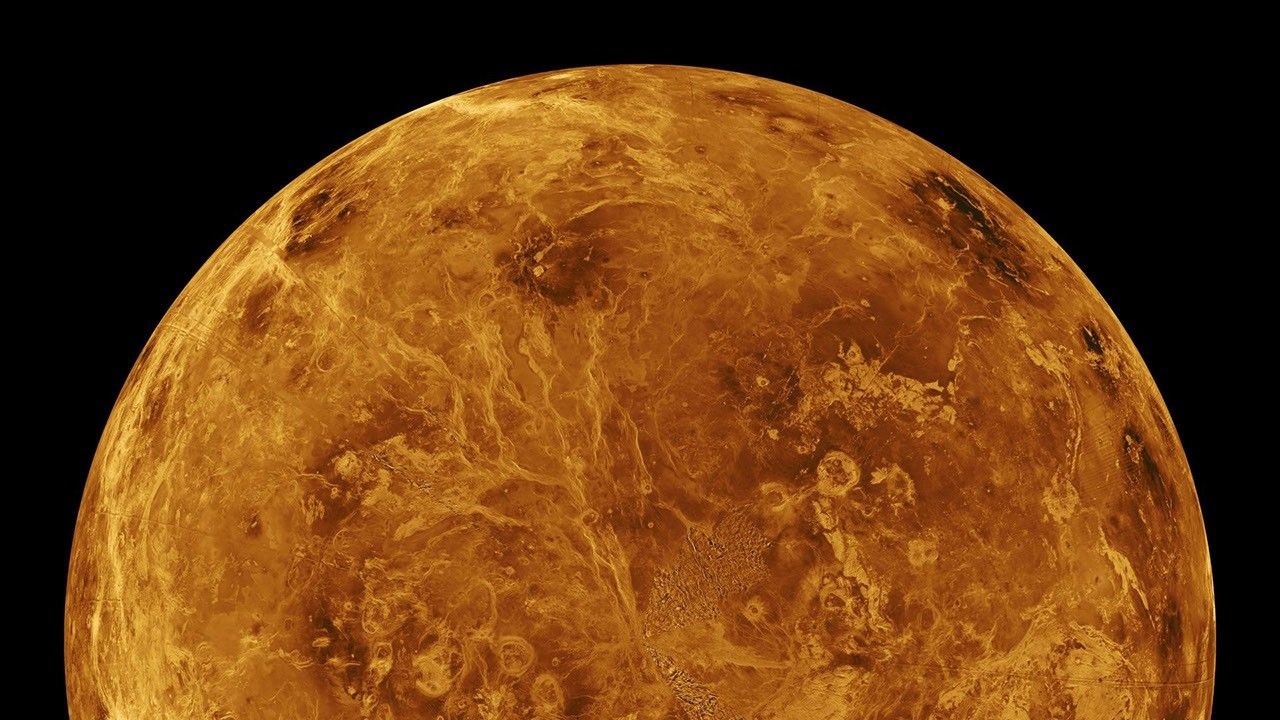
Though often called planetary “twins” due to their comparable size, bulk density, and proximity to the sun, Venus and Earth have followed starkly different evolutionary trajectories. Evidence from their surfaces reveals a profound divergence, resulting in two distinct worlds. A key difference highlighting this includes the unique geological formations known as coronae, which are found exclusively on Venus.
Despite its starkly different surface conditions, Venus – famously known as Earth’s “evil twin” – is now understood to have mirrored our planet in ways that exceed prior scientific expectations.
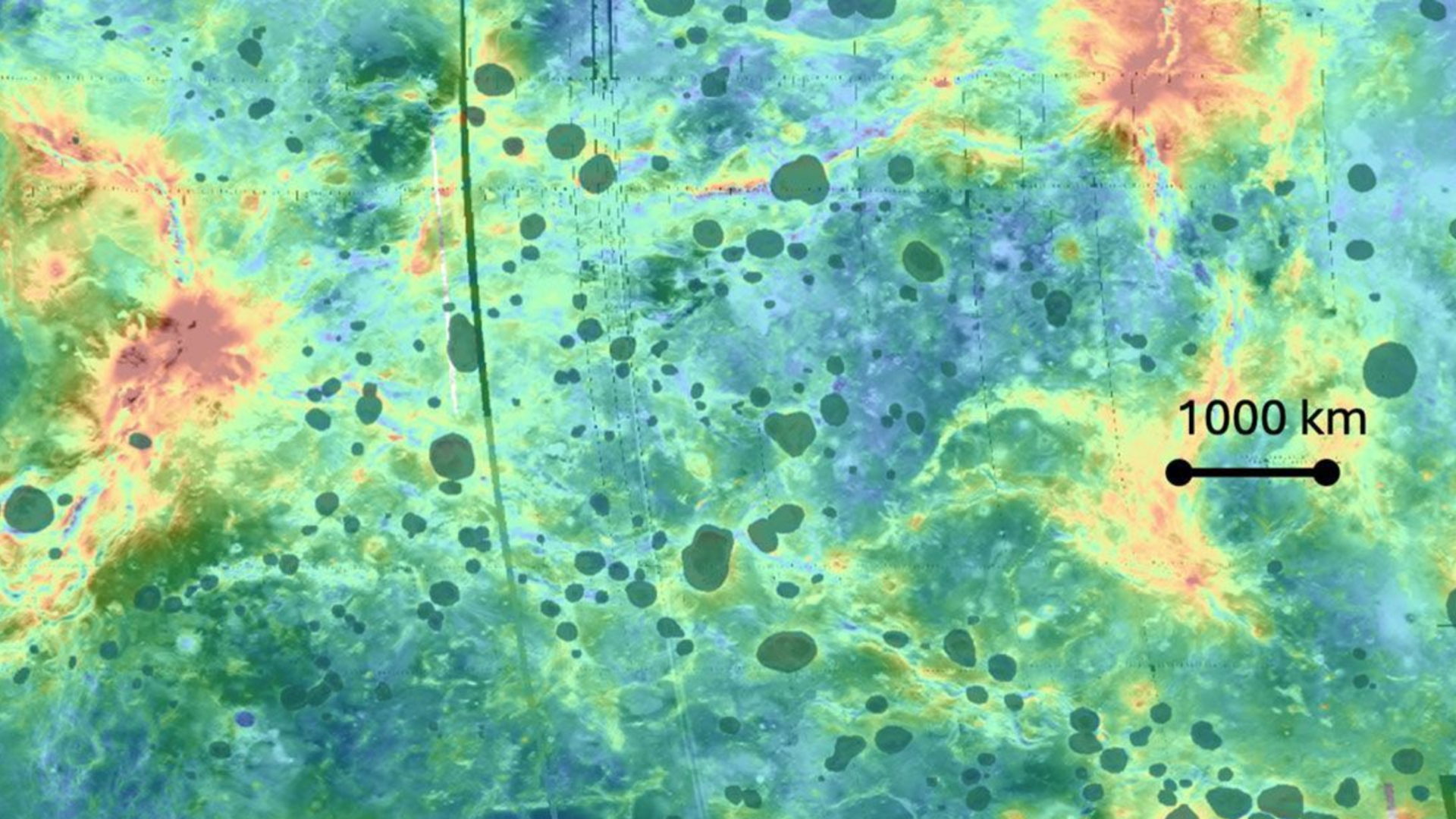
Researchers have documented over 700 coronae formations on Venus, geological features that exhibit a wide range of sizes and characteristics. Despite this extensive mapping, the origin of these structures remains a scientific enigma. The puzzle is compounded by Venus’s singular, continuous crust, which stands in stark contrast to Earth’s dynamic system of shifting tectonic plates.
New research distinguishes the formation mechanisms for Venusian coronae based on their size. According to a study published September 16 in the journal PNAS, the planet’s largest coronae—those spanning more than 310 miles (500 kilometers) in diameter—are hypothesized to result from mantle plumes and significant tectonic processes, such as subduction and the delamination of denser parts of the crust. Conversely, smaller coronae, which typically measure around 124 miles (200 kilometers) in average diameter, are attributed to more localized, hot upwellings within the mantle, likened by scientists to the slow-rising blobs of wax in a lava lamp.

Nevertheless, concrete evidence to firmly establish these theories has consistently proven elusive.
Our current understanding of Venus is comparable to Earth’s geological knowledge in the 1960s, before the theory of plate tectonics, according to David Stegman. The geosciences professor at the University of San Diego’s Scripps Institution of Oceanography and a co-author of the study explained that this parallel exists because scientists currently lack a unifying theory. Such a theory would be crucial for connecting how the planet’s internal heat transfer is expressed in the tectonic and magmatic features visible on Venus’s surface.
Stegman and his team now propose they’ve pinpointed a vital element, potentially holding the key to a larger, unresolved mystery.
At a depth of approximately 370 miles (600 km) beneath the Earth’s surface, scientists have identified a crucial boundary they term a “glass ceiling.” This barrier impacts both cold material sinking from above and hot material rising from deeper within the mantle. The majority of ascending hot plumes lack the necessary force to penetrate this ceiling, causing them to be deflected and spread horizontally just beneath it.
Only the most powerful plumes possess the strength to breach this formidable barrier, ultimately reaching the surface to generate vast volcanic rises. The material accumulating below this subterranean ceiling remains warm but does not melt, effectively forming a hidden reservoir of heat within the Earth’s mantle.
Researchers have identified a warm fluid layer, located between 600 and 740 kilometers (370 to 460 miles) deep, as a global origin point for smaller thermal instabilities. The study highlights that the plumes generated from this layer display a wide array of sizes, challenging the predictions of classical boundary layer theory.
Computational models have provided insight into the natural formation of small-scale plumes beneath Venus’ crust. The process commences when a cold ‘drip’ of rock, detaching from the base of Venus’ stagnant crust, cools and increases in density. This heavier material then sinks into the hotter mantle below, an event that subsequently ignites a chain reaction, forcing multiple pockets of hot rock upward.
Previously, geodynamic models designed to simulate the formation of features like coronae and volcanoes required the initial assumption of thermal anomalies already positioned beneath the lithosphere, Earth’s rigid outer layer. This current research, however, significantly progresses the field by identifying a plausible natural mechanism for the very genesis of these critical starting conditions.
Researchers propose that the distinct, crown-shaped coronae observed across Venus’ surface may be formed by secondary plumes. These plumes are thought to rise, melt, and subsequently sink again, interacting with the planet’s mantle throughout the process. Scientific models suggest this mechanism is effective when Venus’ mantle is between 250 and 400 kelvins hotter than Earth’s, though the precise duration of such an elevated thermal state remains undetermined.
Scientists underscore the critical need for additional research to fully unravel Venus’s geological evolution. Future investigations must integrate three-dimensional modeling of plume dynamics, account for melting both within the planet’s interior and on its surface, incorporate varying mantle compositions, and monitor changes across Venus’s entire history. These comprehensive studies are vital to elucidate how the planet’s internal heat and movements sculpt its distinctive coronae, volcanoes, and the broader surface landscape.