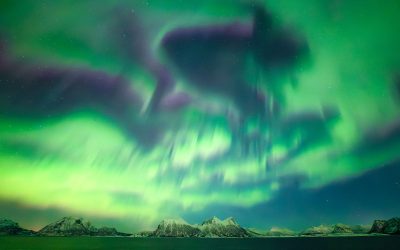
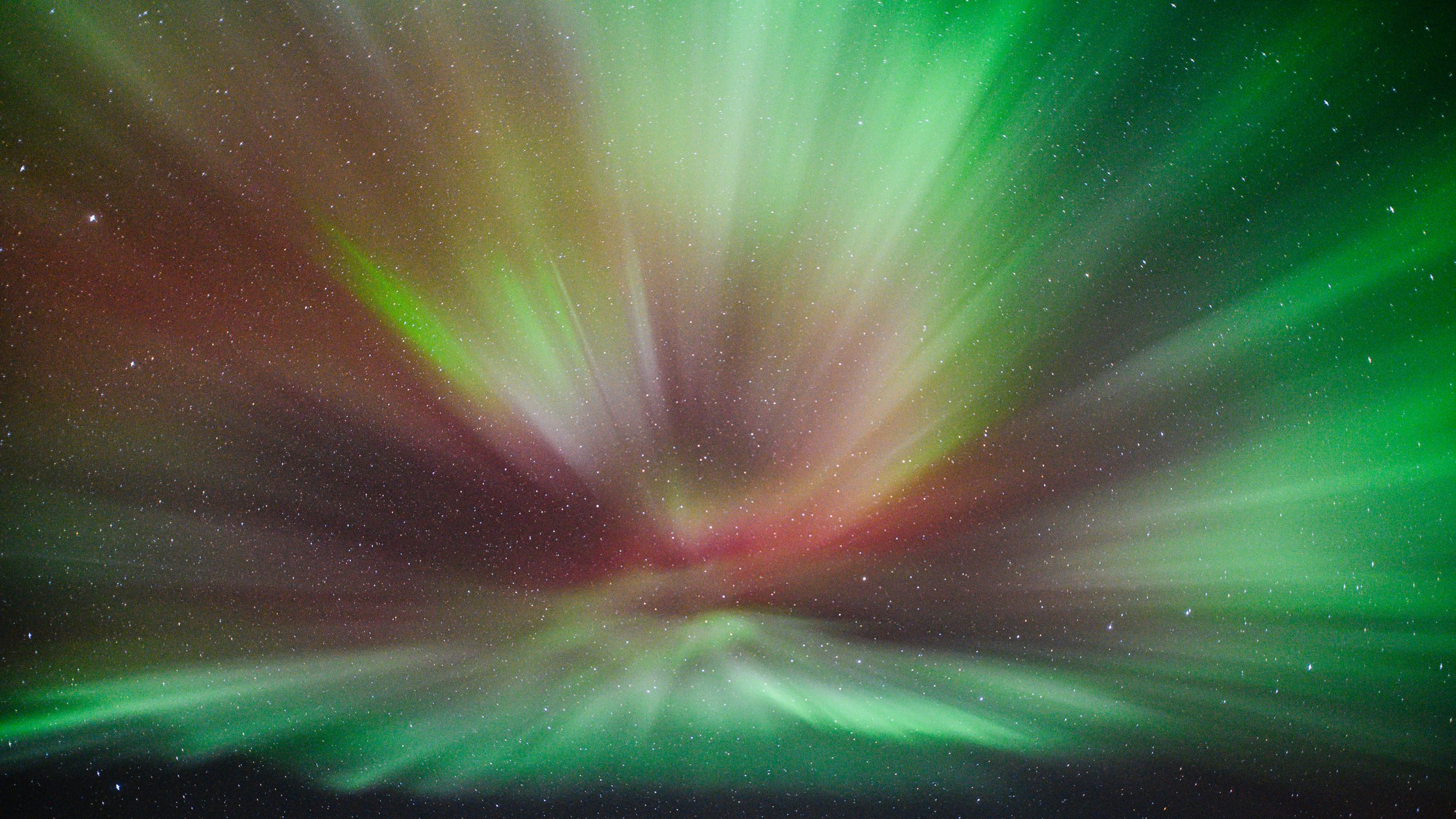
While the peak of the solar maximum may be behind us, the aurora season is far from over. In fact, the period immediately following a solar maximum often presents some of the most thrilling and active opportunities for skywatchers to witness the Northern and Southern Lights.
Dr. Tamitha Skov, a space weather physicist, foresees a potential late-cycle solar outburst she terms the sun’s “last gasp.” This dramatic finale, she suggests, could trigger powerful geomagnetic storms and spectacular auroras across Earth.
Scientists widely acknowledge that the solar cycle’s winding-down phase, even without a preceding surge in activity, frequently experiences significant turbulence. This period is particularly advantageous for aurora enthusiasts, offering prime viewing conditions.
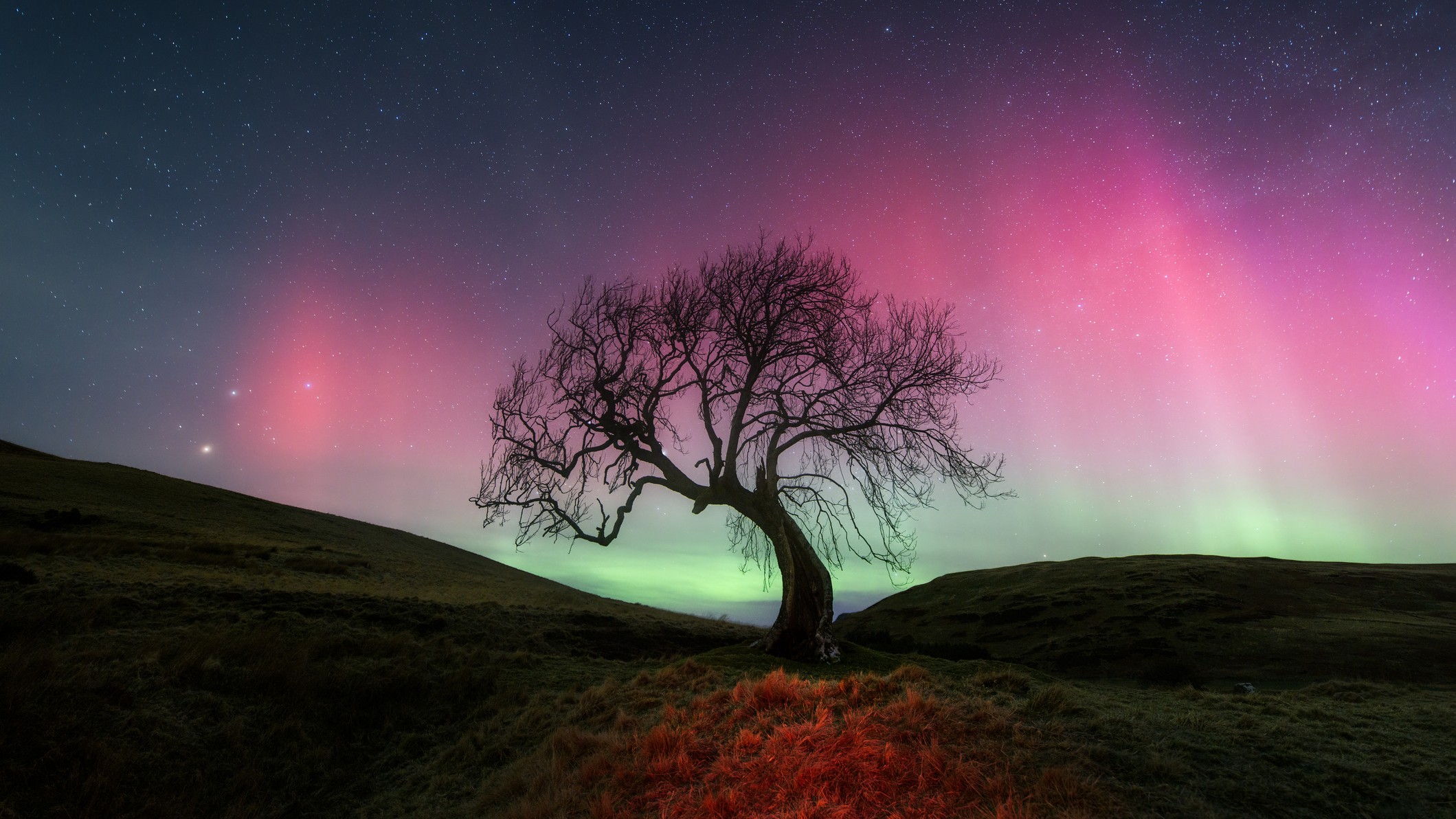
Our star, the Sun, operates on an approximate 11-year cycle, escalating to a period of intense activity known as solar maximum—a time bustling with sunspots and powerful eruptions. Following this fiery peak, the Sun’s fervor gradually wanes, easing towards a more subdued solar minimum. Yet, for Earth, this decline in solar intensity is far from a tranquil or predictable fade-out.
Aurora enthusiasts can anticipate several more years of heightened activity, as peak auroral displays typically emerge a few years following the solar maximum. Pål Brekke, a solar physicist at the Norwegian Space Agency, previously confirmed this outlook to Space.com, indicating a promising period for observing the Northern and Southern Lights.
The primary causes of geomagnetic activity undergo a significant transformation throughout the solar cycle. During periods of solar maximum, powerful eruptions like solar flares and coronal mass ejections (CMEs) are the predominant drivers. Following this peak in solar activity, there is a marked increase in the frequency of long-lived coronal holes. These cooler, darker regions in the sun’s atmosphere become key contributors by releasing steady streams of high-speed solar wind.
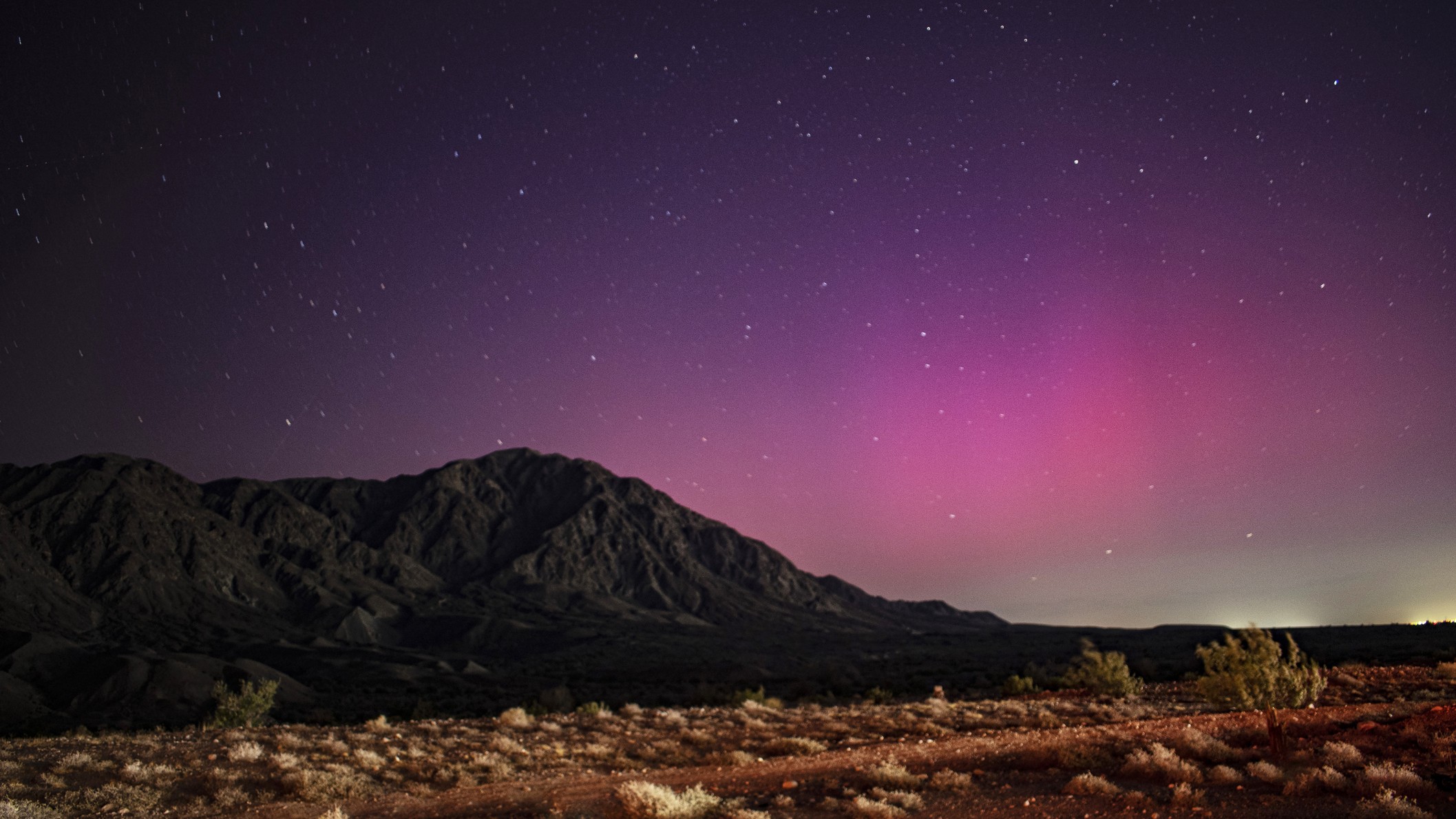
The declining phase of the solar cycle is characterized by a greater frequency of geomagnetic storms, according to Skov. While the sun’s eruptive activity may temper slightly after reaching its peak during solar maximum, the persistent formation of coronal holes, combined with a continued prevalence of eruptions, collectively results in a heightened level of solar activity impacting Earth.
Scott McIntosh, a solar researcher and vice president at the space weather forecasting firm Lynker Space, describes this period as a critical overlap: the solar cycle’s “light side,” dominated by eruptions, converging with its “dark side,” characterized by coronal holes. McIntosh previously explained that the number of coronal holes significantly increases for several years following the solar maximum, resulting in an exceptionally complex space environment.
Earth’s magnetic field can experience simultaneous impacts from multiple sources, a phenomenon that triggers geomagnetic storms. While these storms may not always reach peak intensity, they are frequently more prolonged. As researcher Skov notes, these extended events, though “not as intense as just the big CME,” offer a “longer duration,” providing aurora enthusiasts with multiple nights of potential celestial displays.

Adding to the prevailing instability, Skov points to a distinct late-cycle phenomenon she has termed “the sun’s ‘last gasp.'”
According to Skov, nearly all solar cycles experience a “last gasp” of activity during their declining phase. This final surge typically manifests within two to three years before a solar minimum. Consequently, Skov anticipates that such an event will be observed within the next 18 to 24 months.
The final stages of a solar cycle frequently feature powerful solar events, typically fueled by the emergence of one or two exceptionally complex sunspot groups. Should such a region develop and become Earth-facing, maintaining its high activity across several solar rotations, it could unleash powerful, recurrent eruptions directly towards our planet.
Skov stated there is a high probability of another significant G5 geomagnetic storm occurring. He clarified that this forecast is contingent upon a specific sunspot becoming visible from Earth and maintaining its intensity.
A G5 geomagnetic storm, the most extreme classification on NOAA’s scale, possesses the power to generate auroras that reach deep into mid-latitudes. The “Gannon Storm” of May 2024 exemplified such a G5 event, creating dazzling celestial displays that were visible as far south as Mexico.
Geomagnetic storms present a significant risk to satellite infrastructure, navigation systems, and communication technologies. Extended periods of solar radiation and geomagnetic activity are known to interfere with GPS networks, disrupt radio transmissions, and can cause damage to orbiting spacecraft.
Powerful solar storms are posing a substantial threat to agricultural operations, frequently leading to severe and erratic malfunctions in crucial farm machinery. Farmers have reported incidents where their tractors behaved unpredictably, with one likening the experience to their equipment being “demon possessed,” highlighting the profound disruption to their work.
Spacecraft anomalies arise from the persistent and intense exposure to a highly radioactive particle environment, a perpetual hazard, according to Skov.
For aurora enthusiasts, the immediate future appears bright. Despite the current solar cycle 25 entering a less predictable phase, and with the potential for a final surge of activity, skywatchers on the ground could still experience some of their most spectacular Northern Lights displays.
Skov cautioned that being pinpointed as a target carries the risk of igniting a “very big event.”
Although the solar maximum has passed, the sun’s subsequent phase is still expected to deliver a spectacular culmination of activity.