The extraordinary cosmic vistas continually unveiled by the James Webb Space Telescope (JWST) are increasingly captivating the attention of the art world.
Digital artist Ashley Zelinskie debuted the first installment of her three-part exhibit, “Unfolding the Universe: First Light,” in 2022 at New York City’s Onassis ONX Studio. That initial presentation highlighted NASA’s significant contributions to a next-generation space telescope, developed in partnership with the European Space Agency (ESA) and the Canadian Space Agency (CSA). Zelinskie has now unveiled the second part of this acclaimed series.
The Torch Gallery in Amsterdam is currently hosting a new exhibition, “Unfolding the Universe: Wandering Through Time and Space.” Open from September 6 to October 26, the display features a collection of Zelinskie’s latest art pieces. Among the highlights are imaginative interpretations of the iconic Pillars of Creation, the Cat’s Paw Nebula, and a remarkable depiction of gravitational lensing, all inspired by imagery from the Webb Telescope. The exhibition also offers an interactive ESA Webb VR experience and large-scale textile creations developed in collaboration with Out of Seam.
The “Unfolding the Universe: An ESA Webb VR Experience” is available for exploration on desktop computers, virtual reality headsets, and mobile devices.
Artist Zelinskie, a noted space enthusiast, initiated a collaboration with NASA scientists and astrophysicists in 2016, focusing on the creation of new art informed by space and scientific themes. Since her 2022 exhibit, her work has expanded to include a sculpture for the Yerkes Observatory in Wisconsin, visually interpreting the four-dimensional fabric of space-time. She also developed “Twin Quasars,” a virtual reality artwork inspired by the James Webb Space Telescope, which is featured at the Whitney Museum of American Art in New York City.
The artist’s portfolio includes works held in the permanent collection of the U.S. Department of State Art in Embassies Program. Furthermore, she has showcased her art at renowned venues such as Sotheby’s New York and Singapore’s ArtScience Museum, as detailed in her biography on the Whitney Museum website.
Space.com recently conducted an exclusive interview with Zelinskie, delving into her professional background, her newly unveiled exhibit, and the distinct process she utilizes to select subjects for her creative endeavors.
A deep fascination with the night sky evolved into a profound artistic endeavor for AZ, particularly following a residency with SETI and the Allen Telescope Array in Hat Creek, California. Witnessing the immense dishes scan the heavens and engaging with scientists actively “listening” to the cosmos transformed space and science from abstract concepts into tangible material for creative expression.
This pivotal experience was swiftly followed by witnessing the OSIRIS-REx rocket launch, where initial discussions of a new telescope piqued AZ’s interest. This led to a significant, nearly decade-long collaboration with NASA Goddard and the NASA/ESA teams on the James Webb Space Telescope.
Even prior to the NASA involvement, AZ recognized the sculptural potential of data. Time spent within the astronomy community further reinforced the belief that scientific instruments, algorithms, and spectral data could be translated into artistic mediums like marble or bronze. This philosophy guides a practice of transforming complex mission outputs into tactile experiences: exoplanet spectroscopy becomes generative art, scanned astronaut gear is reimagined as marble sculptures, and the phenomena of gravitational lensing inspires virtual worlds.
Direct collaboration with scientists ensures the work remains factually accurate and scientifically grounded. This rigorous foundation is then enhanced by integrating human narratives into mission stories, highlighting themes of risk, resilience, and wonder. The ultimate aim is to make the complexities of the cosmos more understandable, inviting a wider audience to participate in the ongoing dialogue of exploration.
A recent project, approached from a new perspective, has brought into sharper focus the European Space Agency’s (ESA) pivotal contributions to the James Webb Space Telescope mission. This analysis emphasizes that the telescope’s success was not solely an achievement of NASA. Instead, it underscores that the mission’s triumphs were the direct result of the concerted efforts of three distinct space agencies operating in tandem, showcasing the critical role of international cooperation in such ambitious endeavors.
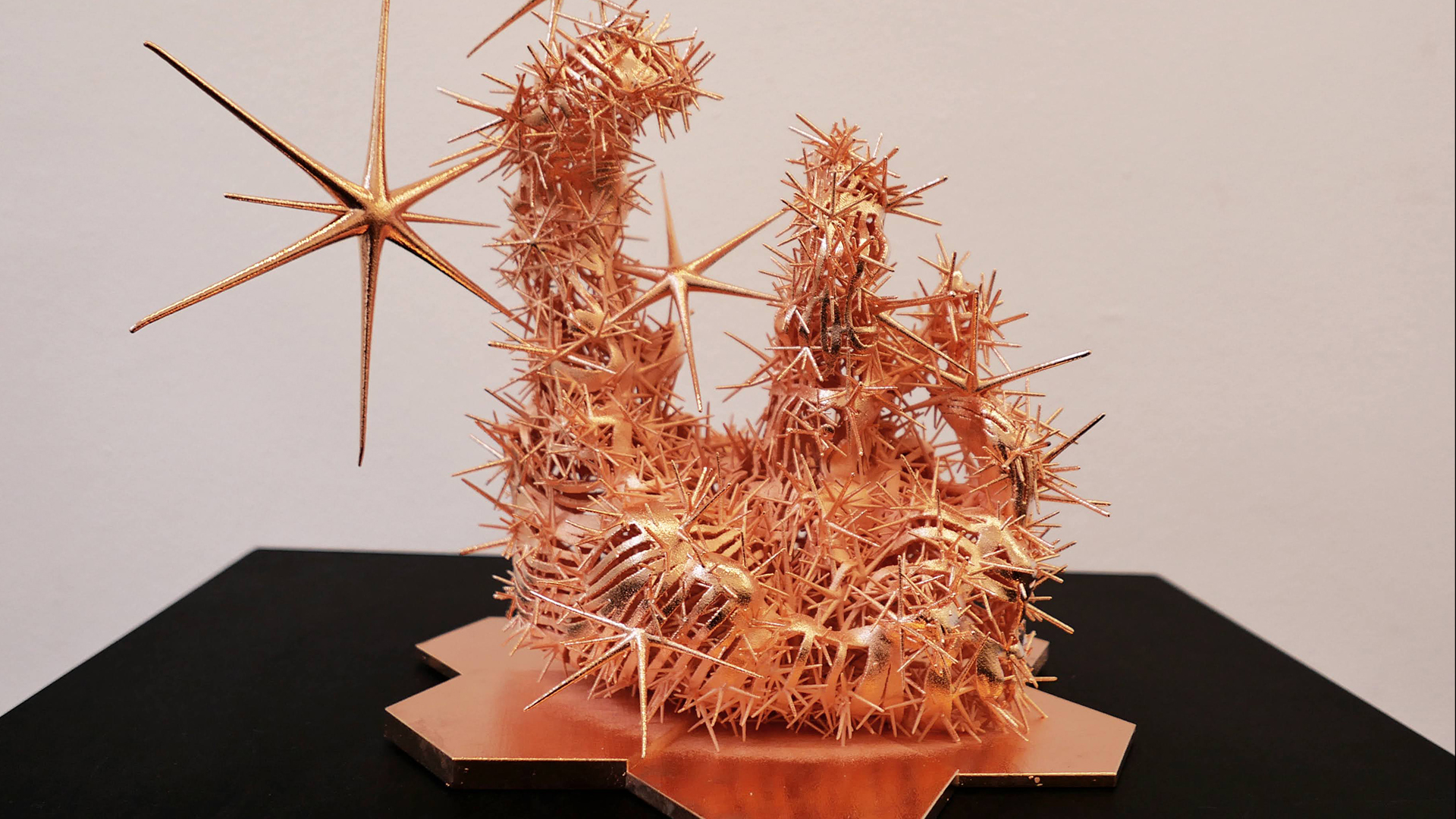
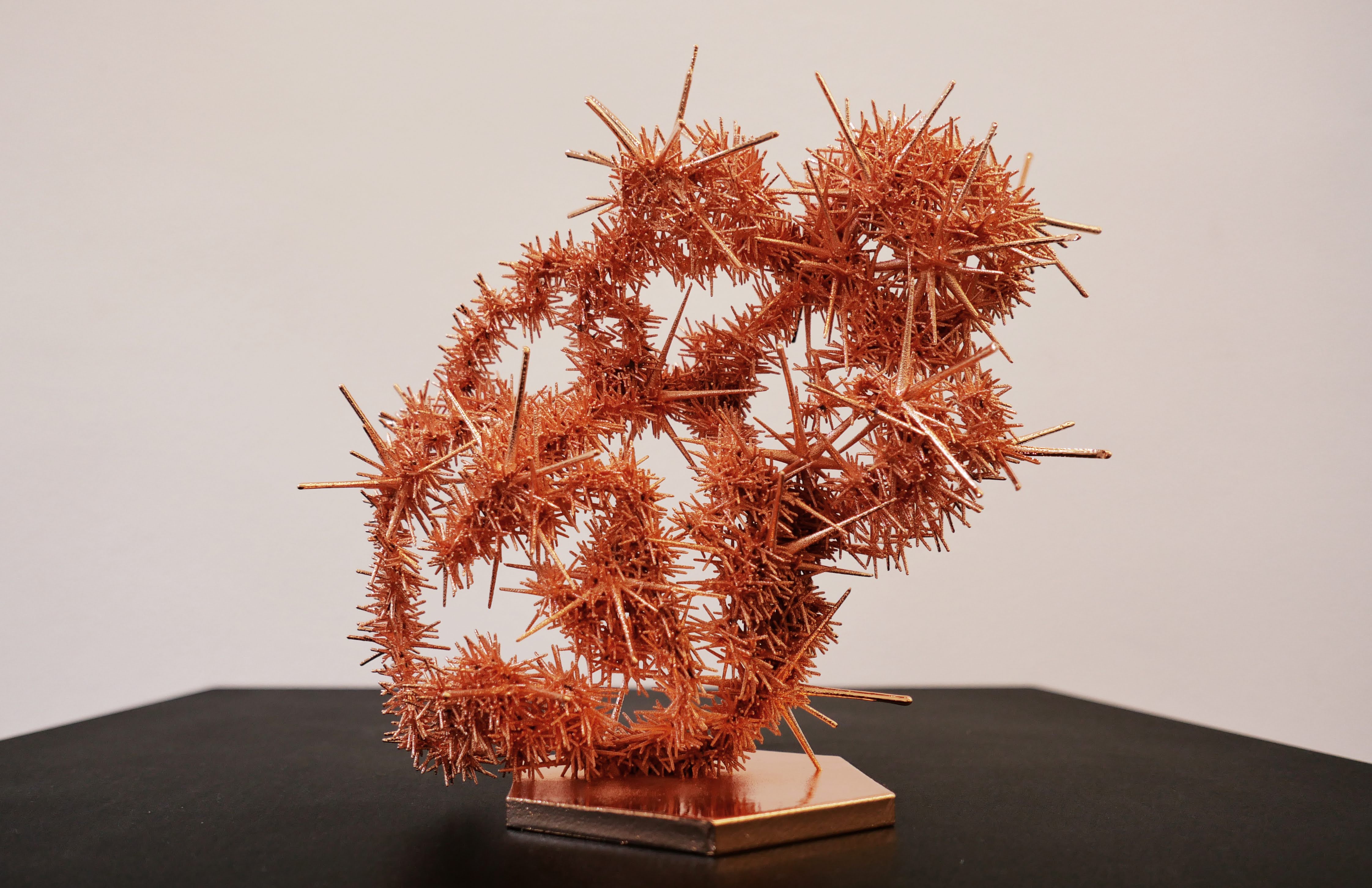
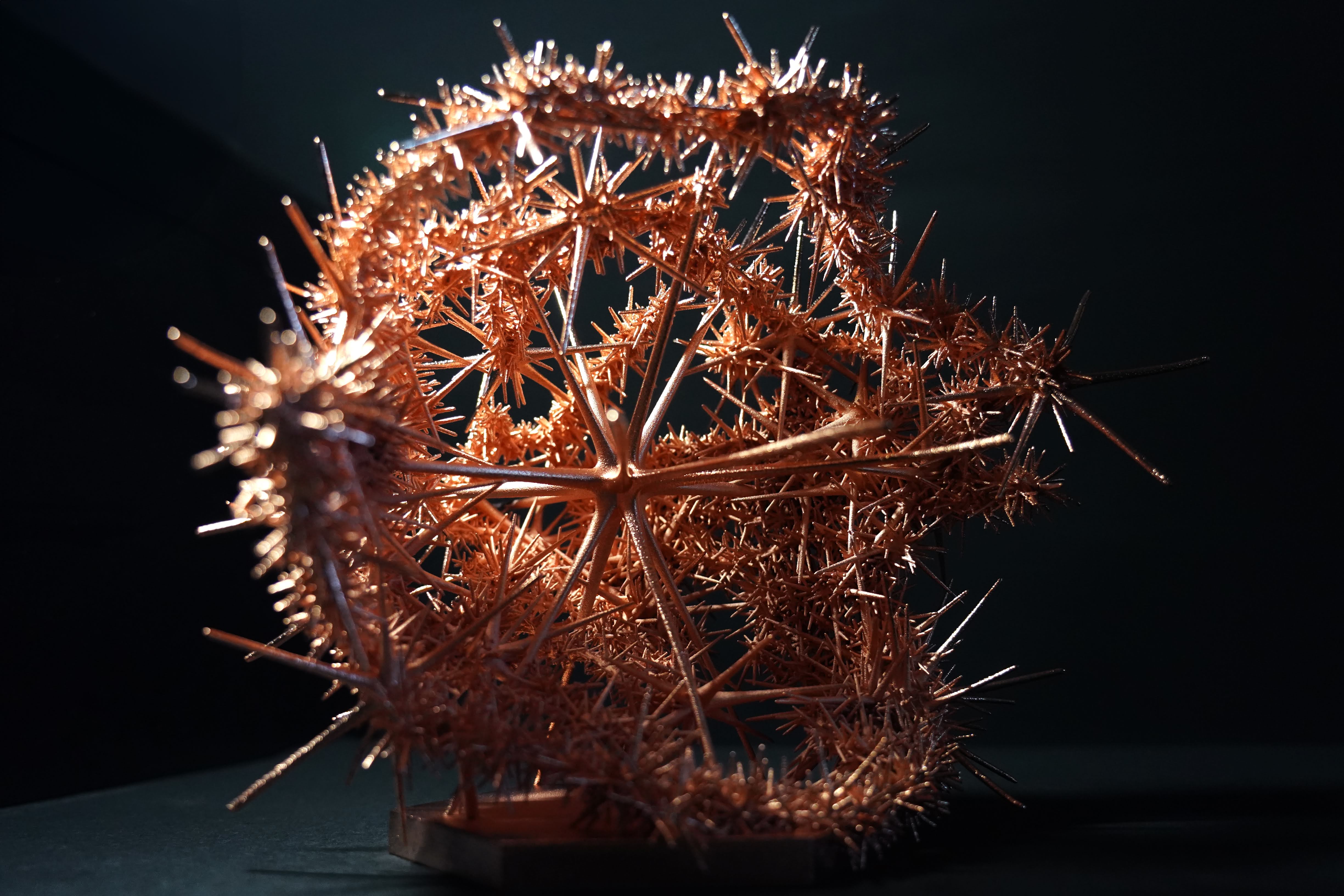
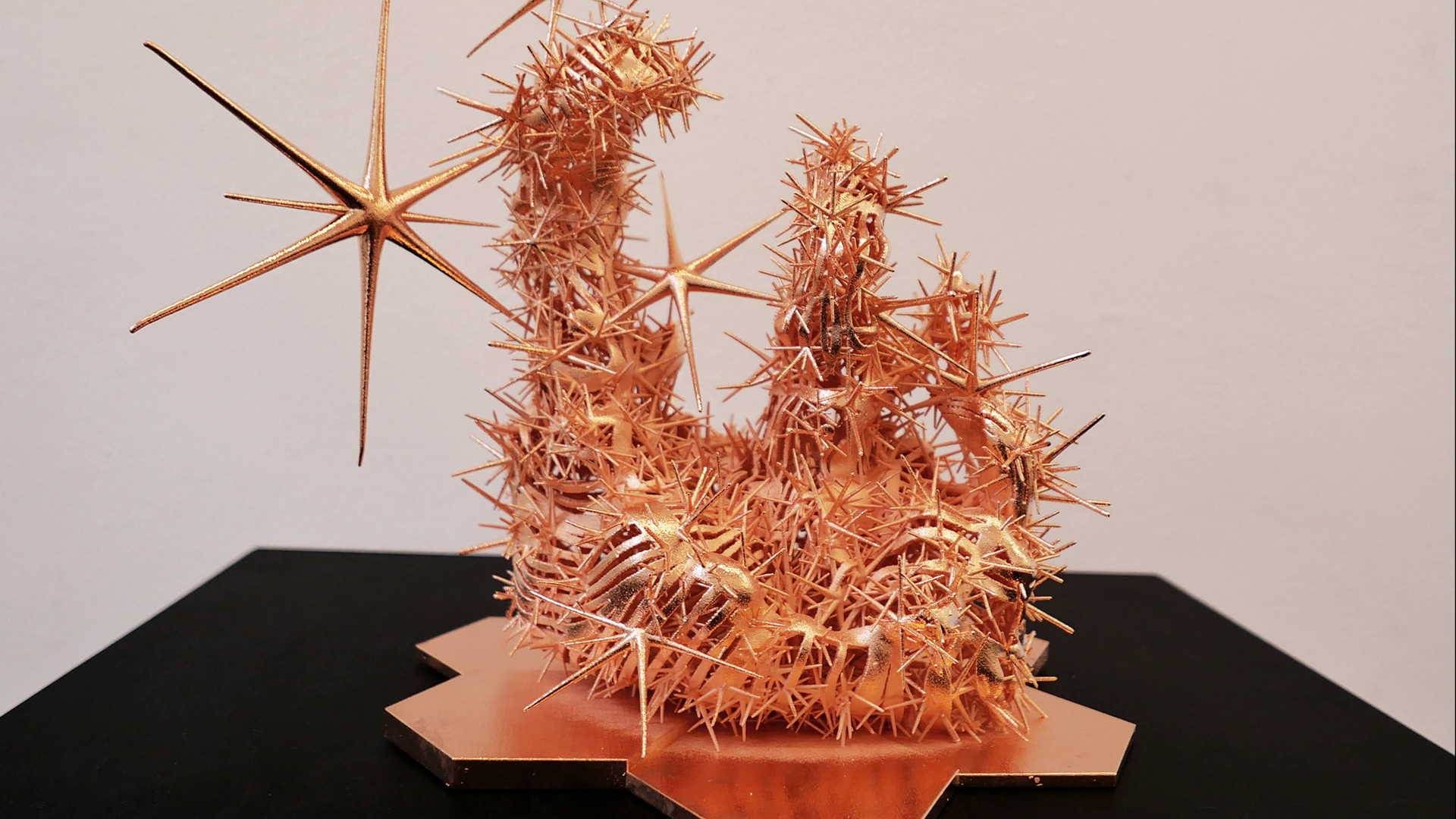
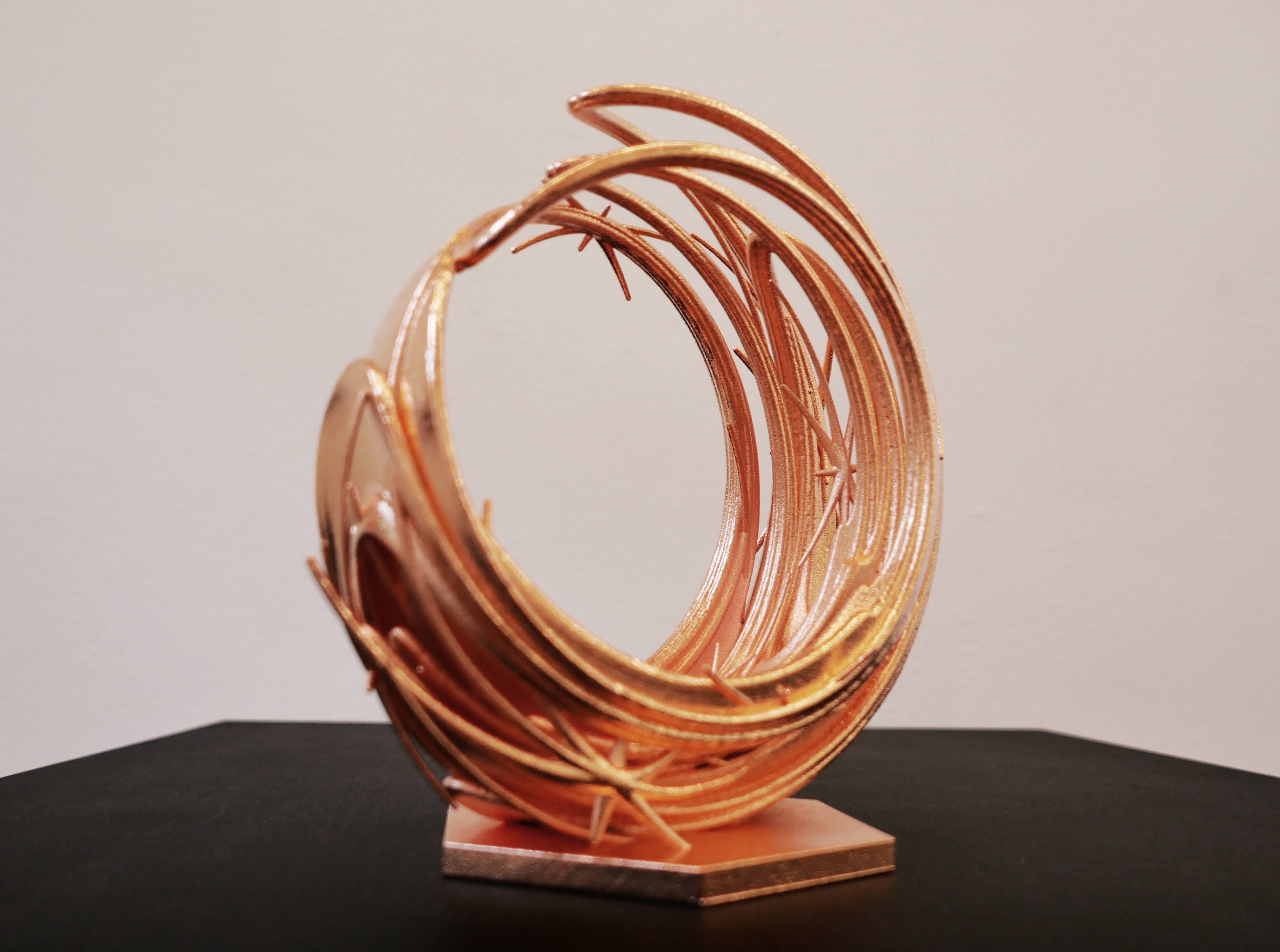
Expanding on a 2021 NASA-commissioned project, the artist has developed a new collection featuring sculptures, textiles, and a virtual reality experience, all centered on celestial concepts. The sculptural works specifically leverage imagery from the James Webb Space Telescope and integrate 3D scans of nebulas available in NASA’s archives. These scans are subsequently translated into generative star maps before being 3D printed. The resulting forms are then copper-plated, deliberately echoing the engineering aesthetic of the telescope itself.
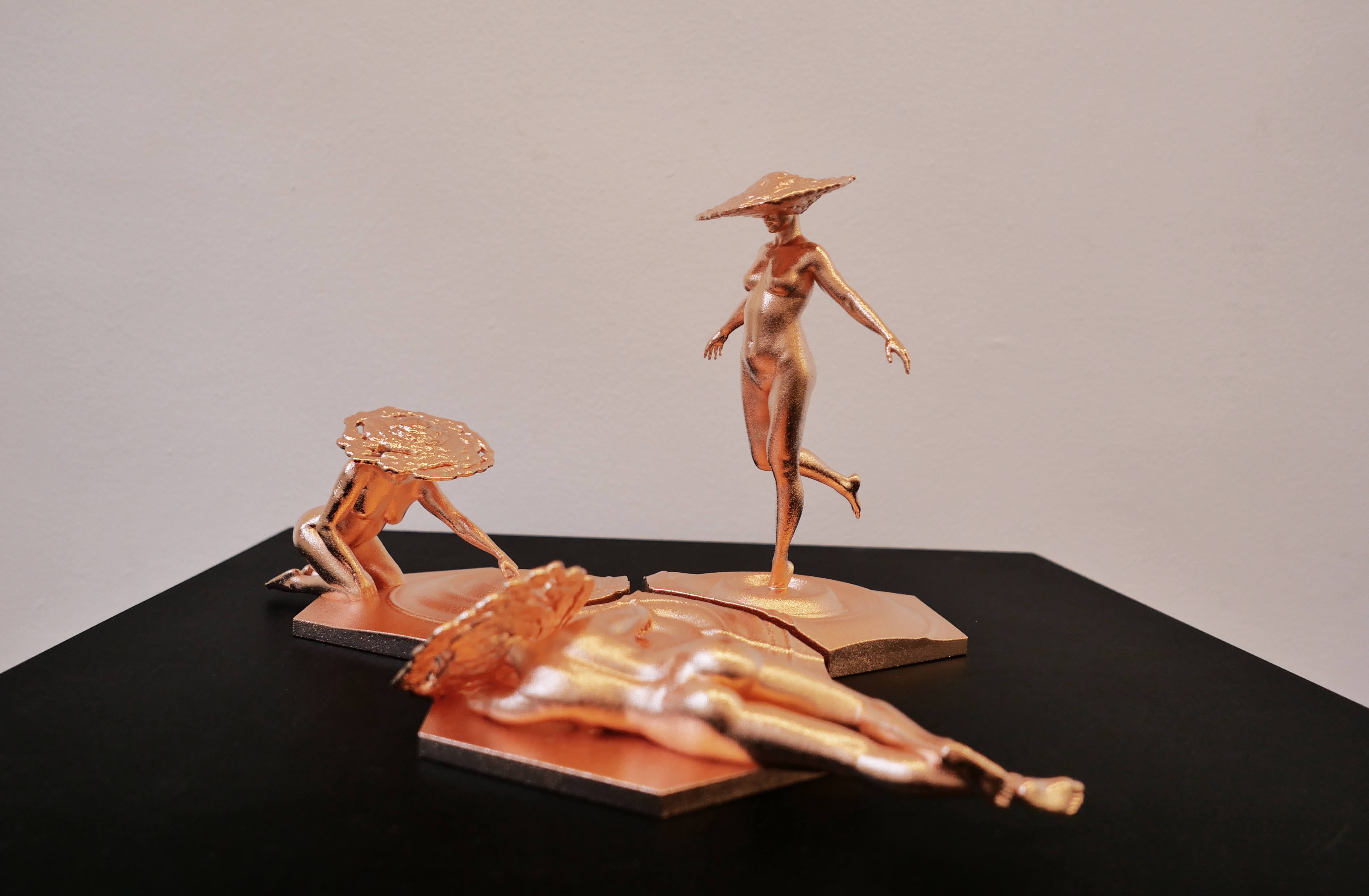
Notable pieces include “Pillars of Creation,” which ingeniously combines Webb’s visual data of a nebula with a cartographic diagram of L2, the telescope’s deep-space orbital station. “Gravitational Lensing” depicts a stellar field through dynamic arcs and echoes, while “Gravitational Waves” renders cosmic ripple and interference as a tactile surface, animated by the artist’s characteristic motif of galaxy-headed, nymph-like figures. An exceptional piece within the series, “Harvey,” diverges in material, utilizing frosty SLA resin to trace the path of Hurricane Harvey, drawing a symbolic connection to the Webb telescope’s sensitive cryo-test state at Johnson Space Center.
The textile series transforms high-resolution image analyses into intricate woven structures and precise layering instructions. Silk and chiffon banners, including pieces like “Pillars of Creation: Hubble/Legacy/Webb, Rho,” alongside robotically-loomed cotton weavings such as “Carina” and “Tarantula,” are meticulously calibrated. This refinement involves adjusting natural dyes, thread weights, and warp/weft densities to convey not merely an image, but also the profound sensations of depth, diffusion, and the cyclical birth and destruction characteristic of nebulae. Complementing these works are laser-cut hexadecimal canvases, which act as subtle reminders that even the most intimate images are ultimately parsed as digital code, while also acknowledging the Netherlands’ deep historical ties to astronomy.
Amsterdam has proven to be an ideal setting for the artist, benefiting from years of support from Torch Gallery and a local audience deeply conversant in the intersection of advanced technology and contemporary art. Adding to its appeal is the city’s close proximity to the European Space Research and Technology Centre (ESTEC), a key facility of the European Space Agency (ESA) located in Noordwijk. The artist visited ESTEC earlier this year and is scheduled to deliver a forthcoming talk there, sharing the platform with NASA’s Maggie Masetti, who curated the artist’s “First Light” exhibition in New York City, alongside presentations from ESA scientists.
This chapter highlights the critical European contribution to the Webb mission, illustrating the profound international collaboration among the European Space Agency (ESA), NASA, and the Canadian Space Agency (CSA). From delivering key instruments to facilitating the launch and operations, ESA’s work proved integral to the mission’s success. This extensive partnership served as the impetus for staging a related art series in Europe, intentionally positioning the artistic expression closer to the communities whose scientific advancements made the mission possible.
The exhibition seamlessly blended artistic expression with scientific understanding, featuring insights from the European Space Agency (ESA). At TORCH Gallery, ESA’s Lorenzo Speri presented a talk on gravitational waves and the LISA mission, which resonated with a gallery tour highlighting the “ripples” embodied in the Gravitational Waves sculpture. In a subsequent session, Nora Luetzgendorf, also from ESA, delved into the intricacies of the James Webb Space Telescope (JWST). Her discussion, which included details on the L2 orbit and Webb’s unique diffraction spike signature, provided crucial context for artworks like “Pillars of Creation” and “Cat’s Paw Nebula.”
A conversation on exoplanets with Maximilian Guenther from the European Space Agency (ESA) recently captivated audiences at the NAP+ Art Fair. Broadcast live on Echobox, the discussion addressed public questions surrounding the search for life beyond our solar system.
The gallery’s program will conclude with a special appearance by NASA’s Maggie Masetti, known for curating the “First Light” exhibition in New York City. Masetti’s involvement in the current exhibition emphasizes a core theme: the James Webb Space Telescope (Webb) stands as a monumental triumph of international cooperation among ESA, NASA, and the Canadian Space Agency (CSA).
Bringing these esteemed scientists into the gallery proved more than just an addition of talks; it profoundly shaped the artistic vocabulary of the exhibition, ensuring that its sculptures, textiles, and virtual reality components maintain an honest and direct dialogue with the complex space missions that enable these stunning cosmic images.
The third chapter of the project will focus on Canada, highlighting the Canadian Space Agency’s integral role in the James Webb Space Telescope mission. This installment will feature new copper-plated, 3D-printed sculptures, continuing the project’s established artistic language. These physical exhibits will be accompanied by a virtual reality experience, designed to showcase the voices and problem-solving acumen of Canadian scientists and engineers. The initiative aims to translate Canada’s crucial contributions to the mission – particularly in guidance, precision, and the subtle “quiet choreography” vital for maintaining the space telescope’s stability – into tangible, walk-around forms and an immersive digital environment.
A search is underway to secure a Canadian gallery partner for an upcoming exhibition chapter.