
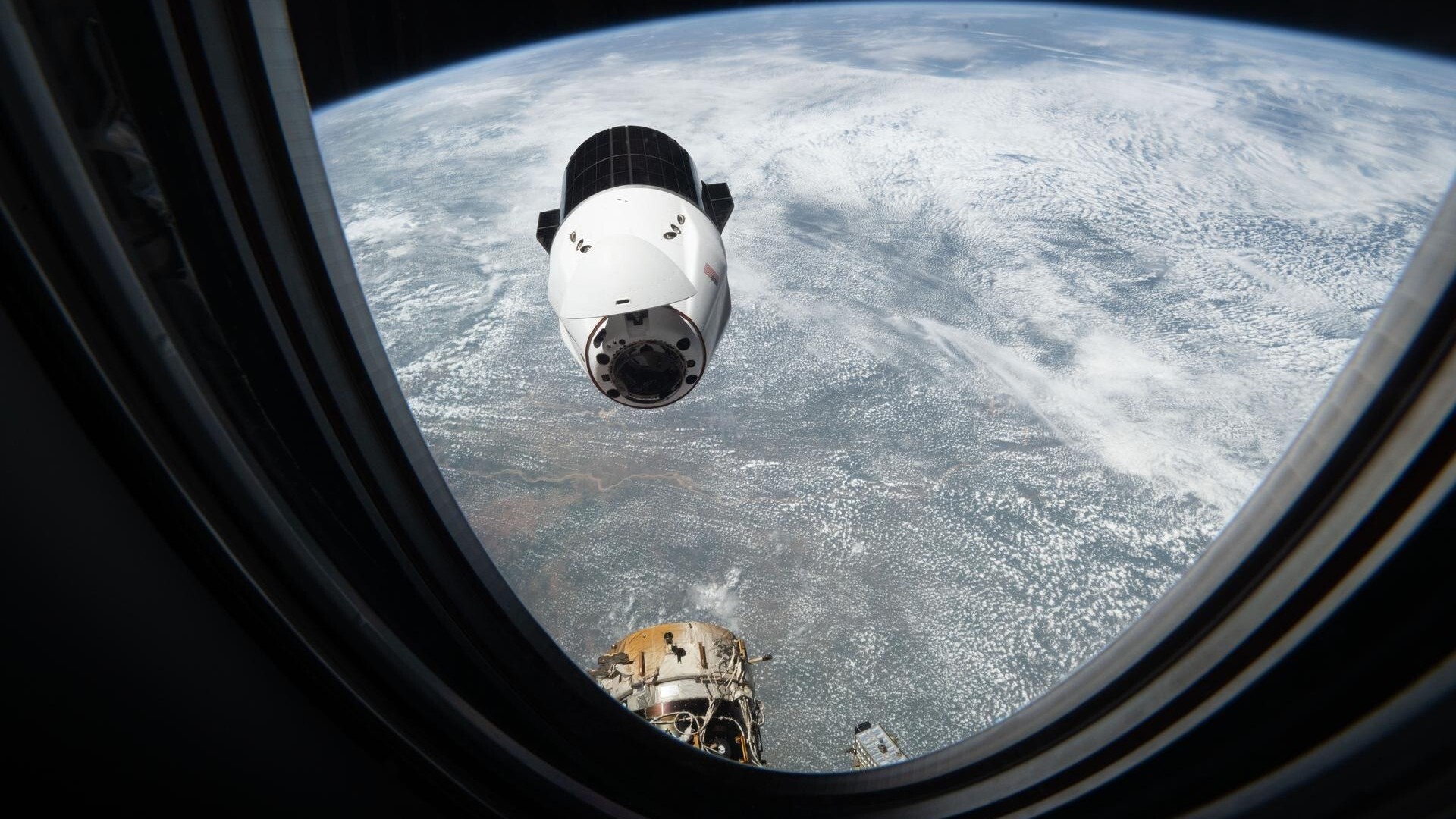
The prospect of human habitation beyond Earth, once a distant concept, is rapidly solidifying into a concrete reality.
The annual World Space Week (WSW), scheduled from October 4 to October 10, will turn its focus to the future with the 2025 theme: “Living in Space.” Established by the United Nations in 1999, WSW has since grown into the planet’s most extensive annual space event, mobilizing thousands of activities across more than 90 countries worldwide. Beyond highlighting contemporary developments within the space industry, the week-long observance also commemorates two pivotal historical milestones: the launch of Sputnik 1 on October 4, 1957, and the signing of the Outer Space Treaty on October 10, 1967.
Past space exploration anniversaries are now serving as a foundation for humanity’s future beyond Earth, with aspirations for permanent habitation in orbit, on the Moon, and even Mars. Dennis Stone, President of the WSW Association, affirmed in a statement that the current population of ten individuals living in space is poised to grow. He indicated that the emergence of new space stations and the expanding advantages of microgravity research will steadily increase the orbital population, eventually leading to people living and working on both the Moon and Mars.
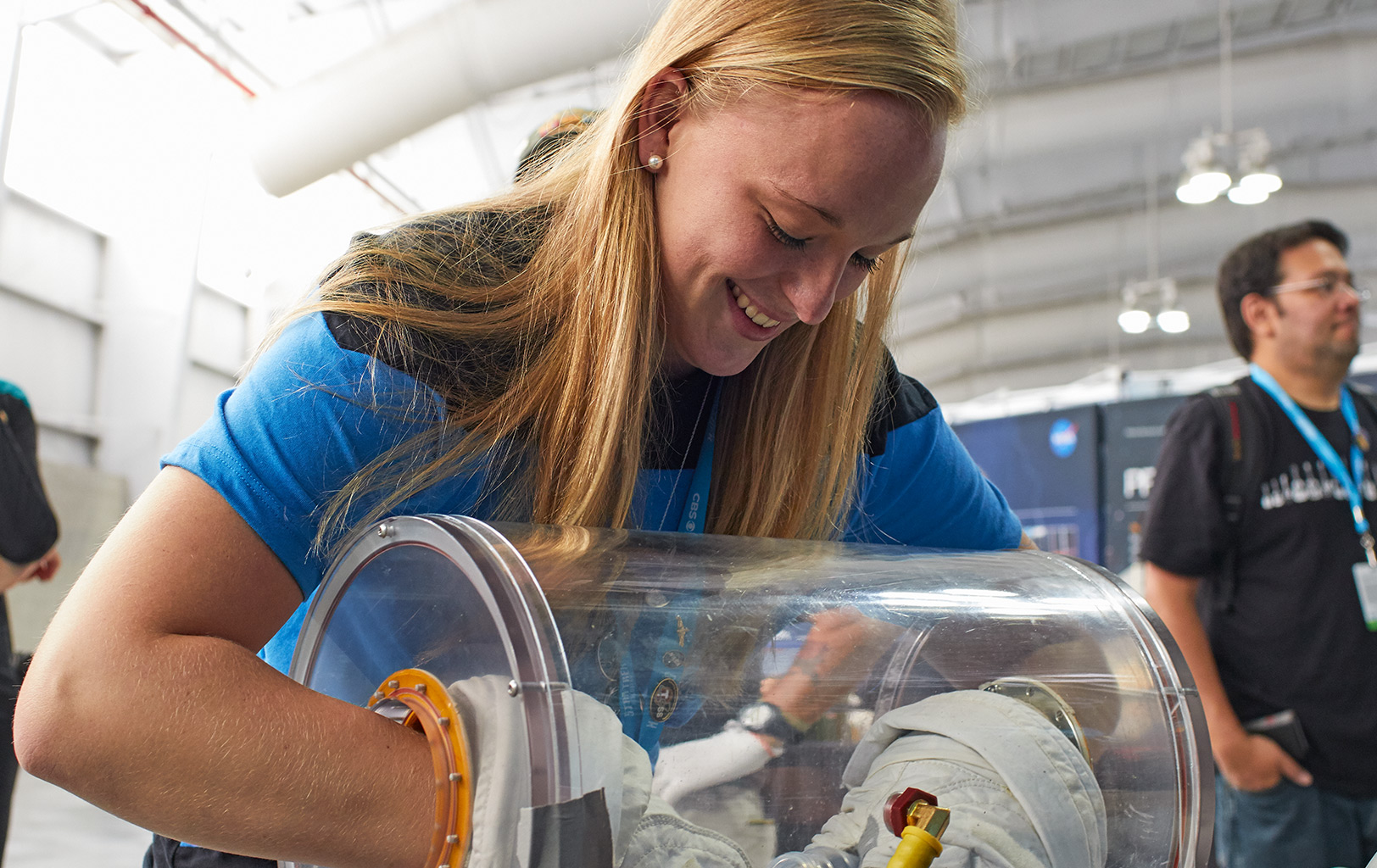
Annually, World Space Week (WSW) establishes a central theme to guide its global discussions, public outreach, and educational endeavors. While previous years spotlighted issues such as climate change and entrepreneurship, this year’s focus sharpens on the profound implications of establishing and sustaining human life beyond Earth. Titled “Living in Space,” the theme transcends mere spacecraft or station design, instead delving into the intricate challenges inherent in transforming extraterrestrial environments into viable human habitats. These critical considerations range from developing self-sustaining life support systems and robust radiation shielding to maintaining the physical and psychological well-being of individuals during long-duration space missions.
Significant progress is being made in charting humanity’s future beyond Earth. Key developments include NASA’s ongoing efforts with partners to test innovative lunar habitat designs, vital insights gained from long-duration space missions concerning astronaut health, and the strategic planning of commercial space stations intended to serve as successors to the International Space Station. These combined initiatives underscore a clear trajectory toward establishing permanent human presence off-world.
Throughout the week, a diverse array of organizations, including schools, universities, space agencies, and community groups, are hosting events globally, all themed around “Living in Space.” These activities range from practical workshops and interactive displays to online discussions and artistic competitions. Highlights include a “Space Artwork Mosaic” installation brightening Piccadilly in London, and a virtual forum presented by NASA and Lockheed Martin, delving into lunar habitats under the title “Living on the Moon.” Additionally, educational resources specifically for children to learn about space have been released.
This year’s WSW has drawn 2,617 registered events, with many dedicated to fostering imagination around the technologies and lifestyles essential for living beyond Earth, whether in orbital stations or lunar habitats. The overarching goal is to generate widespread excitement and galvanize the next generation of scientists, engineers, and explorers who may one day expand humanity’s frontier into space. A comprehensive list of all local and virtual events can be accessed online.
Our upcoming reports will delve into significant global events, alongside explorations of potential extraterrestrial living and the groundbreaking research defining humanity’s expansion beyond our planet.