Astronomers are reportedly nearing a clearer understanding of the age and origin of the interstellar comet 3I/ATLAS, as the celestial body continues its trajectory toward the heart of our solar system.
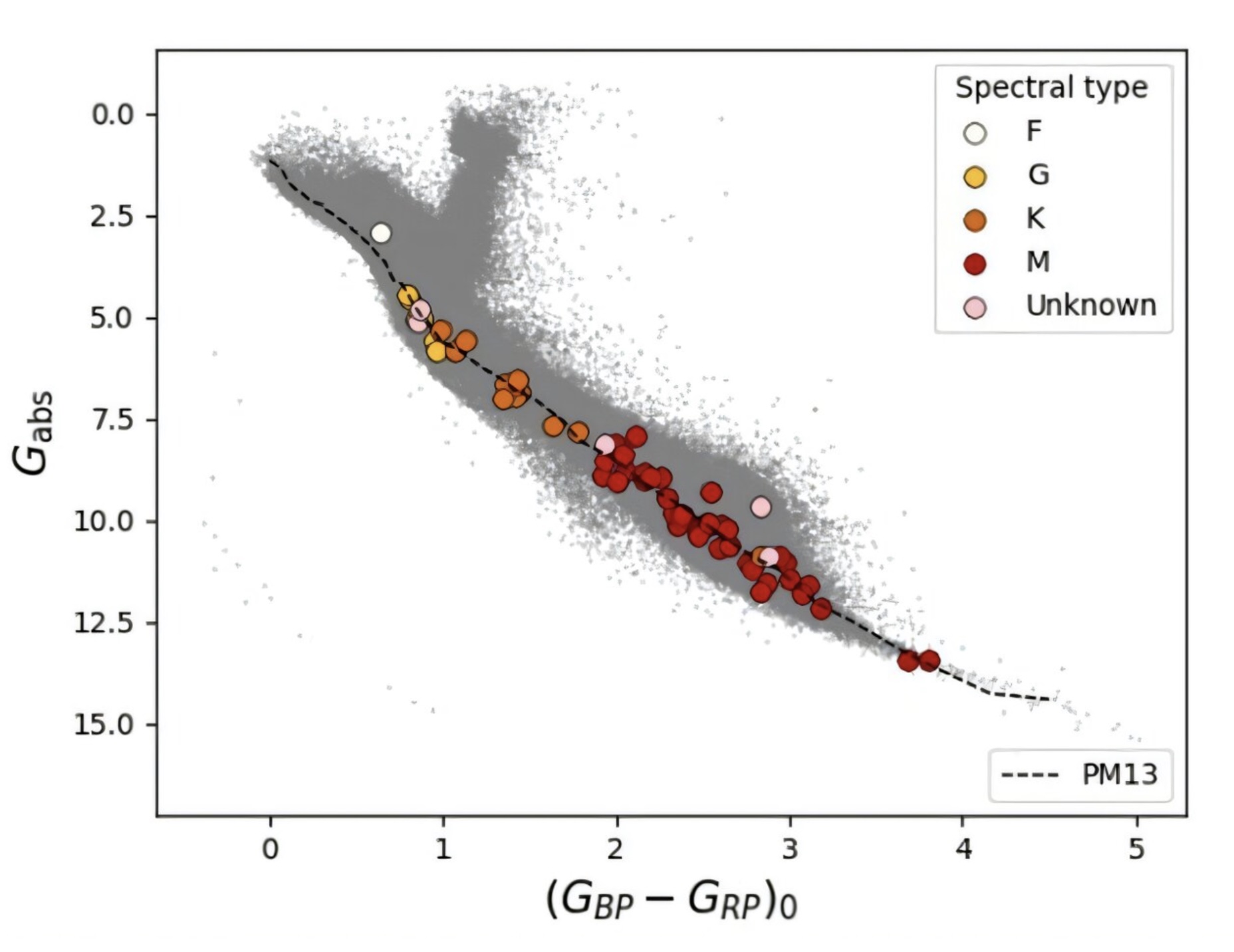
A recent study, which meticulously mapped the past four million years of an interstellar comet’s journey through the Milky Way, suggests the celestial object traveled an immense distance. The research points to a potential origin in the galaxy’s “wild frontier,” a turbulent zone where the oldest and youngest stars converge. If confirmed, this theory indicates the comet could be a primordial remnant of the early galaxy, possibly predating Earth’s sun by billions of years.
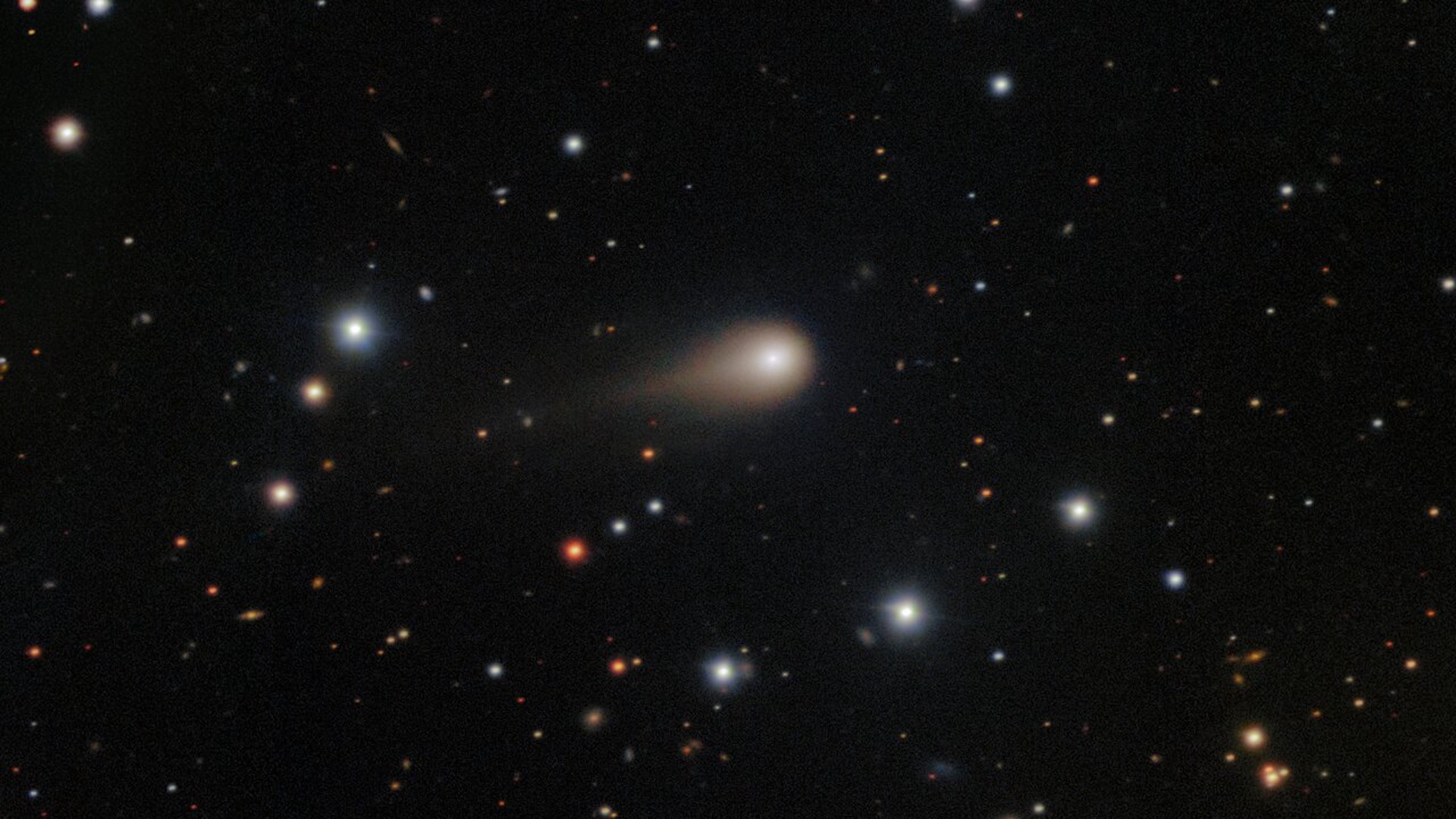
An extraordinary interstellar comet, 3I/ATLAS, has captivated astronomers since its initial sighting in late June and subsequent confirmation by NASA in early July. Its exceptional speed and unconventional trajectory strongly indicate an origin beyond our solar system. This makes it only the third interstellar object ever detected, following 1I/’ and 2I/. Current estimates suggest the comet is a substantial body, measuring approximately 3 to 7 miles (4.8 to 11.2 kilometers) in diameter.