Reflect Orbital, a California-based startup, has submitted a formal application for a government license to launch a massive mirror into space next year. This proposed mission marks the inaugural step in the company’s ambitious long-term strategy: to establish and operate a vast orbital constellation of more than 4,000 solar reflectors. The ultimate goal of this expansive network is to significantly boost solar power production on Earth during twilight hours.
Space technology firm Reflect Orbital is gearing up for a significant orbital demonstration next year, with its EARENDIL-1 satellite targeted for an April launch. According to filings with the Federal Communications Commission (FCC), the mission’s core objective is to showcase the company’s ability to direct sunlight onto specific targets on Earth.
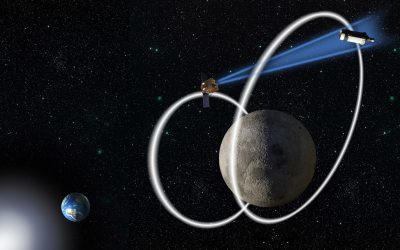
Once in orbit, EARENDIL-1 will deploy a massive 60-by-60-foot (18 by 18-meter) mirror designed to reflect solar illumination downwards. Reflect Orbital, which secured a $1.25 million Small Business Innovation Research (SBIR) contract from the U.S. Air Force in May, envisions a future constellation of these satellites. This network would provide “light on demand” to paying customers, effectively extending daylight hours both after sunset and before sunrise.
While the project aims to significantly enhance clean energy generation during critical morning and evening peak hours, it has simultaneously triggered serious concerns among astronomers and biodiversity experts. Their primary apprehension centers on the projected light pollution that the planned constellation is expected to produce.
On its website, Reflect Orbital outlines a series of ambitious applications for its proposed satellite constellation. The company claims its technology will enable solar power generation during the night, significantly improve crop growth and resilience, and potentially replace traditional urban lighting. Other asserted benefits include providing crucial emergency illumination in disaster zones and allowing individuals to extend their work into the late hours.
Reflect Orbital envisions deploying a massive constellation of 4,000 satellites by the year 2030, a company spokesperson confirmed to Space.com. These spacecraft are planned to operate in a sun-synchronous orbit, essentially following Earth’s terminator line – the perpetual boundary separating day from night. This particular orbital path ensures satellites travel from pole to pole, passing over specific locations on the planet at the same local solar time each day.
In its application for an FCC license, the firm disclosed substantial interest in its proposition from both commercial and government partners. The company further stated it has already secured full funding for its demonstration mission and has been met with significant demand, tallying over 250,000 applications for service.
However, the proposed orbital mirror project has ignited considerable apprehension among astronomers and biodiversity experts. These specialists are urgently calling for a comprehensive environmental review to thoroughly assess the potential impact of the space mirrors on life and ecosystems across Earth.
The intense light projected by these reflectors will continue to shine even after they have moved beyond their intended targets, a persistent effect attributed to the satellites’ inability to power down, explained John Berentine. An astronomer with the Silverado Hills Observatory in Tucson, Arizona, and a consultant at Dark Sky Consulting, Berentine told Space.com that the reflected beams are exceptionally potent, shining with a luminosity four times greater than a full moon. With multiple satellites expected to fly in formation, this powerful illumination is anticipated to not only impact wildlife in directly lit areas but also, through atmospheric scattering, extend its disruptive influence to broader surrounding regions.
Robert Massey, Deputy Executive Director of the U.K.’s Royal Astronomical Society, has articulated the astronomical community’s grave concerns. He specifically highlighted “the development,” its potential ramifications, and the significant precedent it could establish for future actions.
A project designed to “light up the sky and extend daylight” has drawn strong condemnation from the scientific community. Speaking to Space.com, astronomer Massey unequivocally stated that such an initiative would be “pretty catastrophic” from an astronomical perspective, posing severe challenges for observation and research.
Reflect Orbital has publicly acknowledged concerns regarding potential light reflection from its technology. The company stated that its upcoming demonstration mission will specifically aim to assess and mitigate any possible adverse effects caused by this reflected light.
According to a spokesperson, the service operates on a highly localized model. Each operational “reflection” is specifically designed to encompass a defined 5-kilometer area and remains active for only a finite period. This approach, the spokesperson emphasized, deliberately avoids providing continuous or widespread illumination.
A spokesperson clarified that once the satellite has moved beyond its target region, its mirror will reorient, angling away from the planet’s surface.
During a 2026 demonstration, observers positioned at designated test sites will perceive a reflection as a bright, moving star. Simultaneously, the illuminated ground below is expected to emit a soft, moon-like glow, a spokesperson announced.
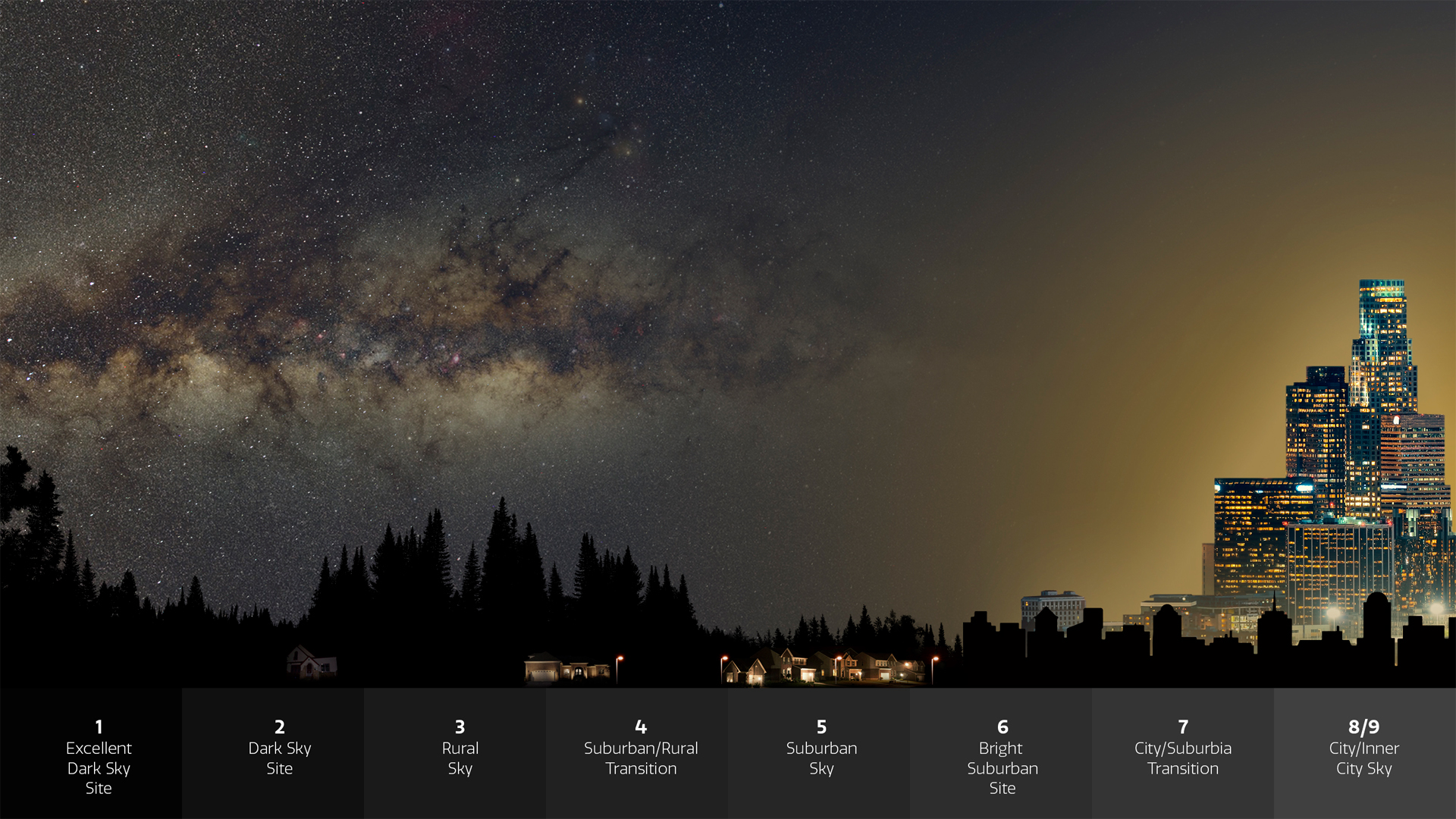
Astronomers and biodiversity experts have long been engaged in a critical battle against the encroaching problem of light pollution. Data indicates a disturbing global trend: since the widespread adoption of LED lighting, light pollution levels have been surging by approximately 10 percent each year. This relentless illumination is quite literally erasing the stars from our night sky; where an observer might have once seen 250 stars 18 years ago, today that count has plummeted to roughly a hundred. Beyond obscuring our view of the cosmos, this escalating artificial light has also been strongly linked to the decline of insect populations and a rise in human health issues, including sleep disorders and depression.
Light pollution is fundamentally disrupting the natural day-night cycle that has governed life on Earth for billions of years, warns David Smith, advocacy and social change manager at invertebrate charity BugLife. Smith explained that artificial illumination effectively extends daylight hours, blurring the crucial distinction between day and night. This pervasive interference, he noted, directly impacts the circadian rhythms, physiological processes, and behavioral patterns of countless species.
The rapidly expanding number of satellites orbiting Earth is increasingly presenting a significant challenge for astronomers, casting a shadow over their vital observations. SpaceX’s Starlink constellation, in particular, has emerged as a central point of contention. Its thousands of low-flying spacecraft, positioned at a mere 340 miles (550 kilometers) above the planet, are frequently documented leaving intrusive streaks across sensitive astronomical images, thereby compromising crucial data.
AST SpaceMobile, which is developing a constellation of massive space antennas to beam broadband internet directly to smartphones, has drawn criticism for the potential disruption its fleet poses to astronomical research.
Massey further clarified that, unlike Reflect Orbital, neither of the projects mentioned is designed with the intention of reflecting bright sunlight back towards Earth. In fact, astronomers have consistently praised SpaceX for its proactive measures to reduce the reflectivity of its spacecraft, employing strategies such as light-absorbing paints or custom visors.
Massey clarified a critical distinction regarding sky brightness: while existing satellite constellations inadvertently generate light pollution, which researchers hope to manage and mitigate, a new project explicitly aims to brighten the sky as its primary objective.
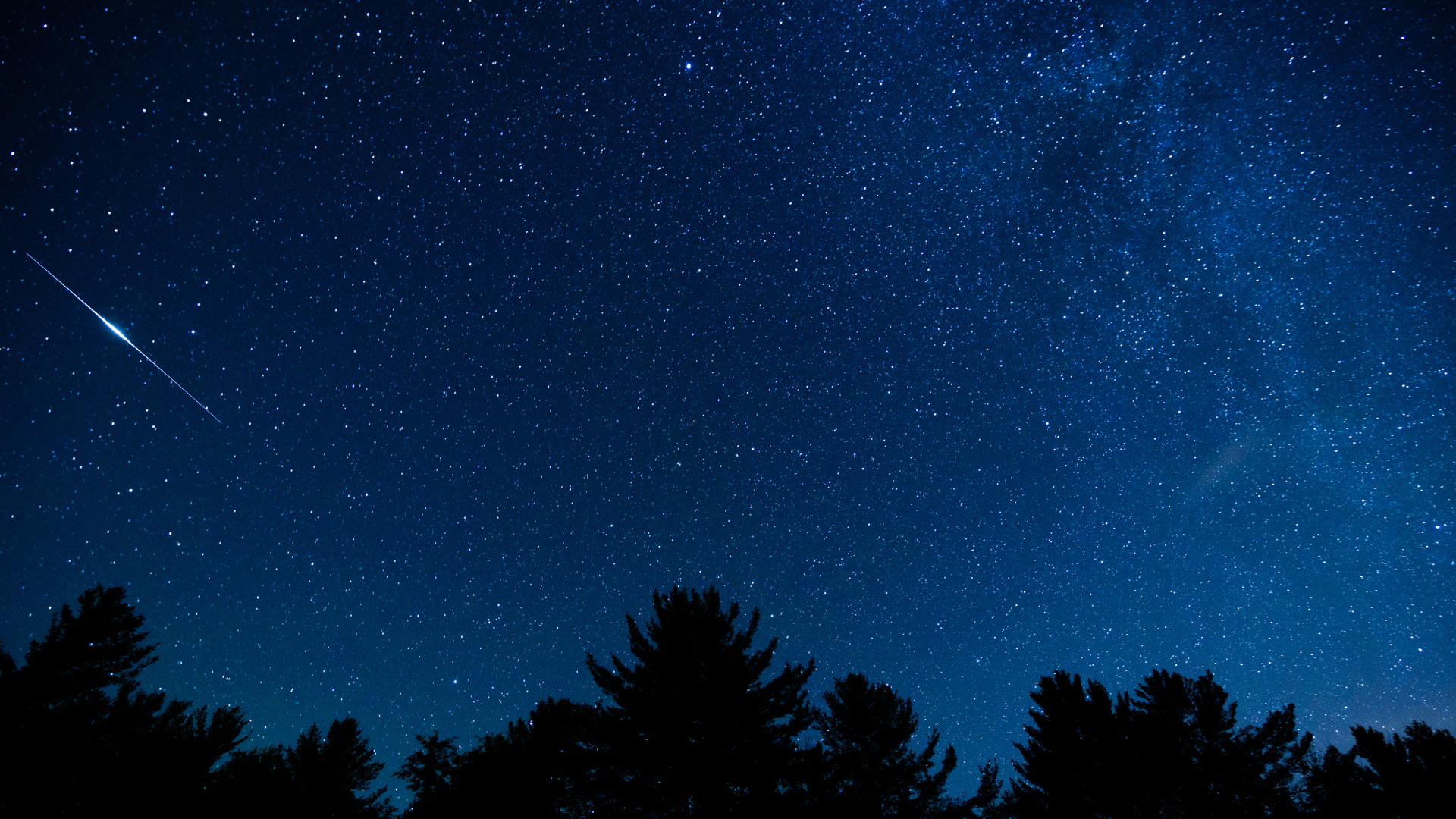
According to Berentine, outside of their directly illuminated areas, space mirrors will be visible from up to 100 kilometers away, appearing in the night sky as exceptionally brilliant stars. These rapidly moving “artificial stars” are projected to significantly disrupt astronomical observation and potentially disorient migratory birds.
Here are a few options for paraphrasing the text, maintaining a clear, journalistic tone:
**Option 1 (Direct and Clear):**
“He noted that while Reflect Orbital has engaged in discussions with the astronomy community regarding its plans, a significant number of questions persist without clear answers.”
**Option 2 (Emphasizing the lack of resolution):**
“Despite Reflect Orbital’s consultations with the astronomy community on the project’s development, many crucial questions, he explained, have yet to be satisfactorily addressed.”
**Option 3 (Slightly more formal, focusing on the future):**
“Even though Reflect Orbital has broached the subject of its initiative with the astronomical community, he highlighted that numerous critical inquiries still await resolution.”
**Option 4 (Concise and impactful):**
“He acknowledged that although Reflect Orbital has discussed its project with astronomers, a multitude of key questions remain unaddressed.”
A spokesperson for Reflect Orbital has confirmed the company’s intention to conduct a comprehensive environmental impact assessment prior to the development of its satellite constellation. The firm also plans to utilize its upcoming demonstration mission next year to collaborate with experts, aiming to gain a deeper understanding of the ecological sensitivities at each prospective service site.