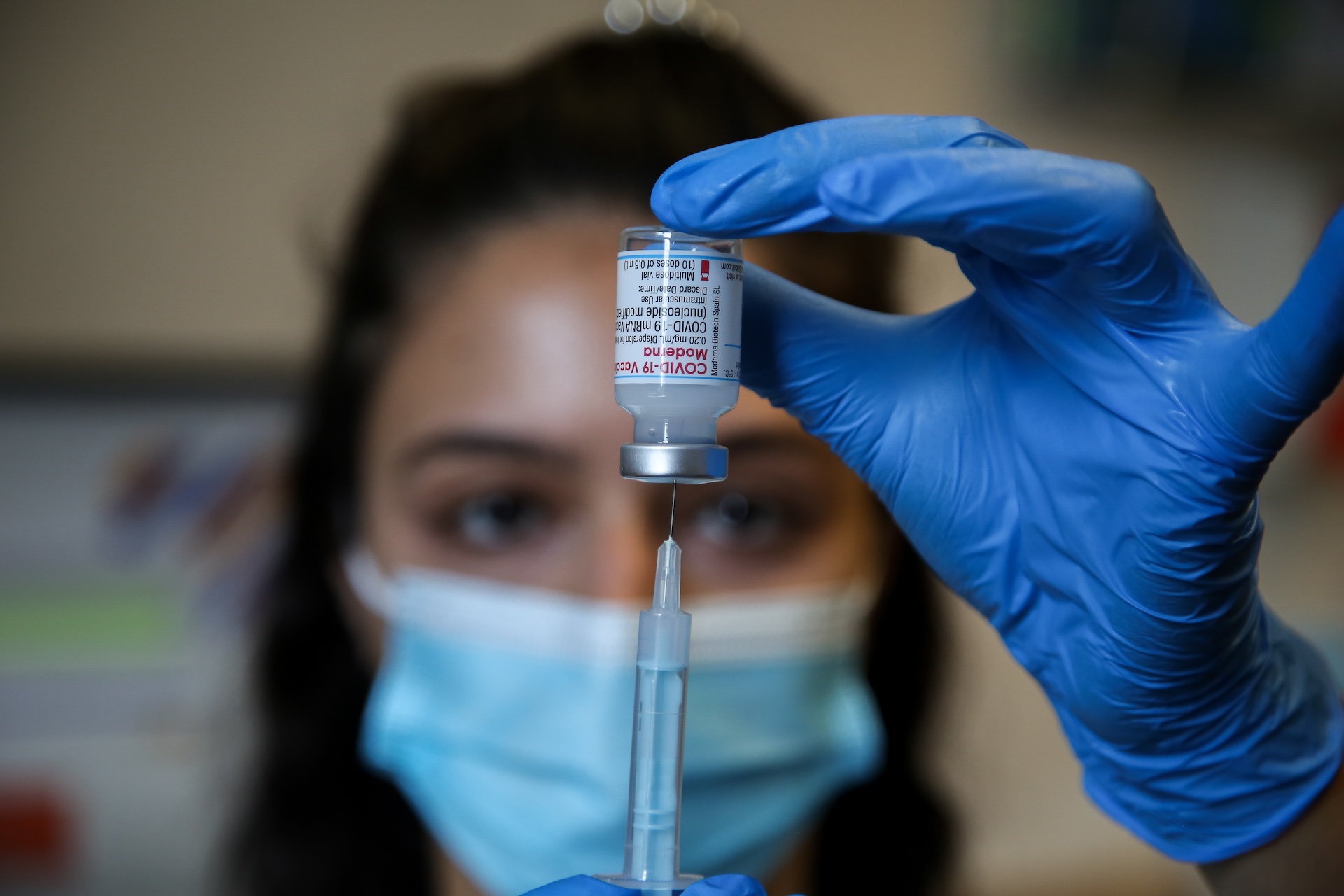
On Dec. 31, 2019, the first reports emerged about a mysterious pneumonia of unknown cause circulating in China. On March 11, 2020, the World Health Organization declared COVID-19 a pandemic.
On March 16, the first COVID-19 vaccine entered clinical trials.
And by Dec. 14, members of the American public were getting the first doses of COVID-19 vaccines outside of trials.
The first coronavirus vaccines were paradigm-shifting because they went from conceptualization to mass production in mere months. But they were also unique because they used a new way to stimulate the immune system — one that had been thoroughly studied for decades in order to be ready for deployment at this crucial moment.
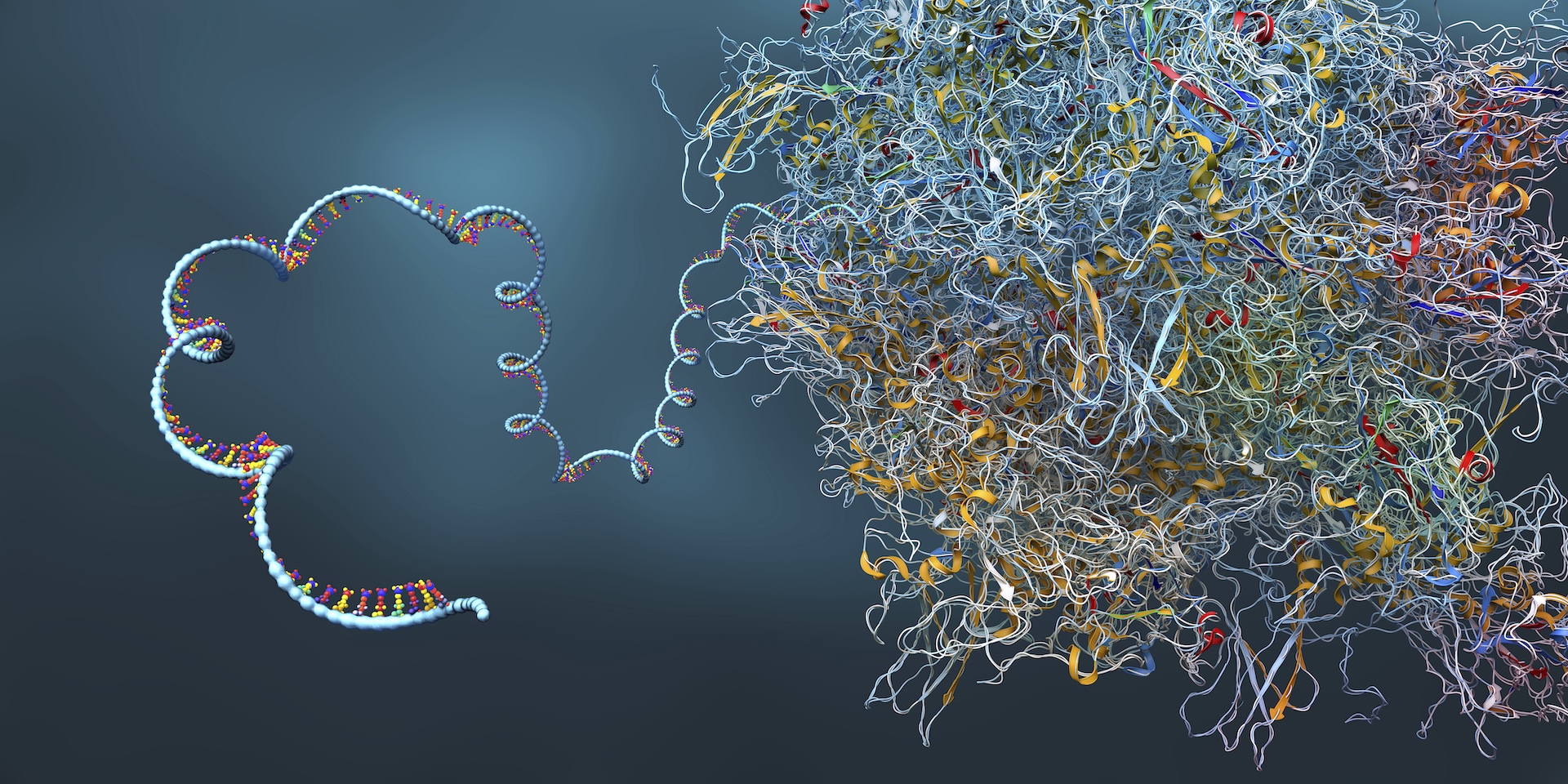
The key to these vaccines was messenger RNA (mRNA), DNA’s less-famous cousin. The power of the mRNA platform is that vaccines can be produced exceptionally quickly once a pathogen’s genetics have been analyzed; conventional vaccine manufacturing takes months or years whereas mRNA vaccines can be made in mere weeks. So while it was once the subject of high school biology classes and niche pockets of biomedical science, mRNA was suddenly thrust into the public eye — and once there, it inspired relentless misinformation and controversy.
While mRNA-based COVID-19 vaccines are the best known application of the molecule, researchers around the world have found additional uses for mRNA technology beyond the realm of vaccines. They’re exploring its use for groundbreaking treatments for cancer and autoimmune disease, as well as for gene-editing therapies for genetic disorders. But that promise may be unrealized in the United States, where the federal government has declared war against this promising technology.
This new stance runs counter to the Trump administration’s prior embrace of mRNA vaccines.
“We do really have to give President Trump credit for introducing the mRNA platform to the world through his leadership in Operation Warp Speed,” said Jeff Coller, the Bloomberg distinguished professor of RNA biology and therapeutics at Johns Hopkins University. “The president should be taking a victory lap.” But instead, the second Trump administration is actively dismantling this legacy, Coller told Live Science.
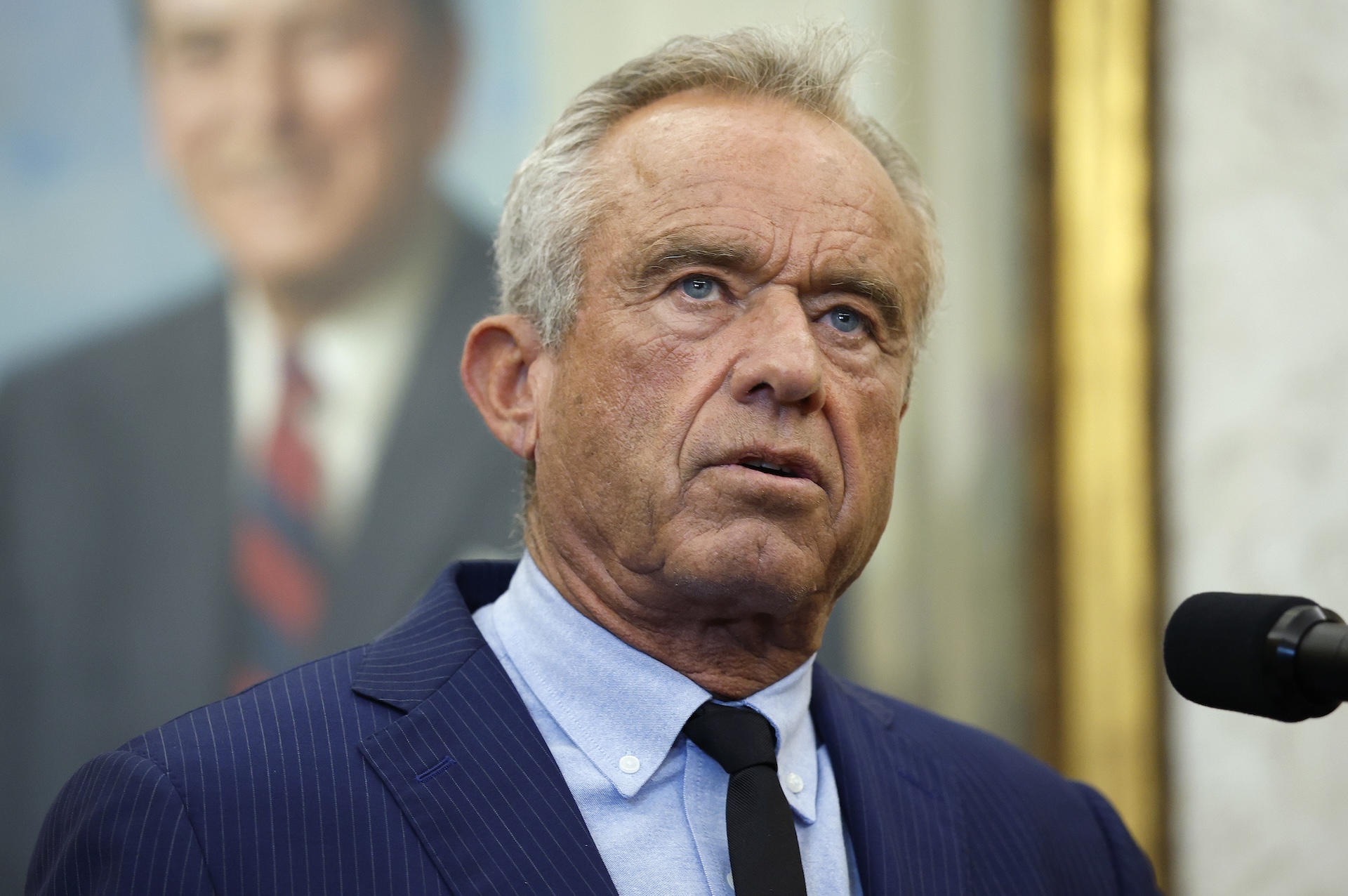
Vaccine skeptic Robert F. Kennedy Jr. now heads the Department of Health and Human Services (HHS), and opponents of both conventional and mRNA-based vaccines hold seats on the country’s most influential vaccine advisory committee. Since Trump’s inauguration, federal scientists have faced mass layoffs, funding freezes, and memos warning them to disclose their involvement in research areas the administration has targeted, including mRNA vaccines.