
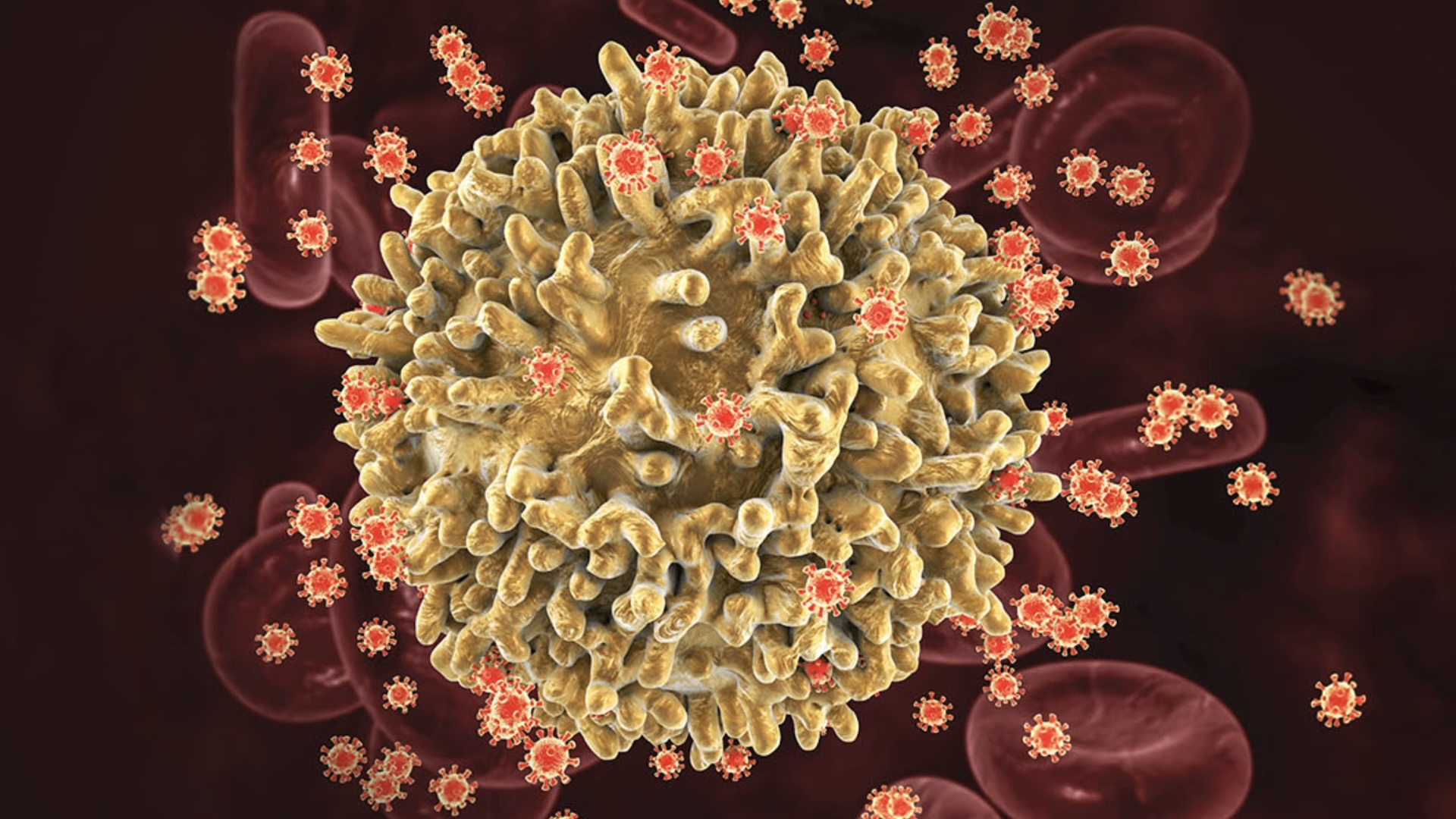
An estimated 40 million people worldwide currently live with HIV. While significant advancements in treatment have transformed the infection from a virtual death sentence into a manageable chronic condition, a definitive cure continues to elude medical science. Consequently, those diagnosed with HIV must adhere to a lifelong regimen of antiretroviral drugs.
In a significant advancement reported in 2025, researchers presented compelling evidence suggesting that a “functional” cure for HIV—a method to achieve long-term viral control without constant treatment—may indeed be achievable.
This optimism is rooted in the success of two independent clinical trials. In these studies, participants who received infusions of specially engineered antibodies were able to maintain their health and live free from antiretroviral medications for extended periods, long after the experimental interventions concluded.
Two recent trials offer promising insights into managing HIV, showcasing instances where participants maintained viral suppression without consistent antiretroviral medication.
In South Africa, the FRESH trial, led by virologist Thumbi Ndung’u from the University of KwaZulu-Natal and the Africa Health Research Institute, reported significant findings. Among 20 participants, four successfully maintained undetectable levels of HIV for a median duration of 1.5 years, all without taking antiretroviral drugs.
Concurrently, the RIO trial, conducted across the United Kingdom and Denmark and spearheaded by Sarah Fidler, an HIV research expert and clinical doctor at Imperial College London, yielded similar encouraging results. Of the 34 HIV-positive participants in this study, six have sustained viral control for a minimum period of two years.
**Pivotal HIV Research Harnesses Immune System, Paving Way for Broader Trials**
Groundbreaking preliminary studies have unequivocally demonstrated the potential to leverage the human immune system in the fight against HIV. These initial trials, lauded as a crucial proof-of-concept, signal a new frontier in combating the virus. Building on this success, researchers are now preparing to initiate larger, more extensive clinical investigations. The primary objective of these forthcoming trials is to refine antibody-based therapies, ensuring their optimal effectiveness and applicability for a broader spectrum of individuals living with HIV.
This new treatment holds the potential to significantly “shift the dial” in patient care, according to Fidler. He attributes its groundbreaking efficacy to its long-acting nature, explaining that its therapeutic effects can persist even after the drugs have been eliminated from the body – a mechanism, he notes, that is currently unparalleled.
While antiretroviral therapies have dramatically extended the lives of people with HIV, allowing them to live long and healthy, a disparity persists: their average lifespans still fall short of those without the virus.
Furthermore, the very treatments offering this longevity—whether daily pills or newer bimonthly injections—present significant hurdles. These include substantial financial burdens, complex practical challenges for consistent adherence, and profound social obstacles, notably pervasive stigma.
This ongoing situation has spurred a sustained effort within the medical community to innovate. As Fidler notes, “Probably for the last about 15 or 20 years, there’s been this real push to go, ‘How can we do better?'”
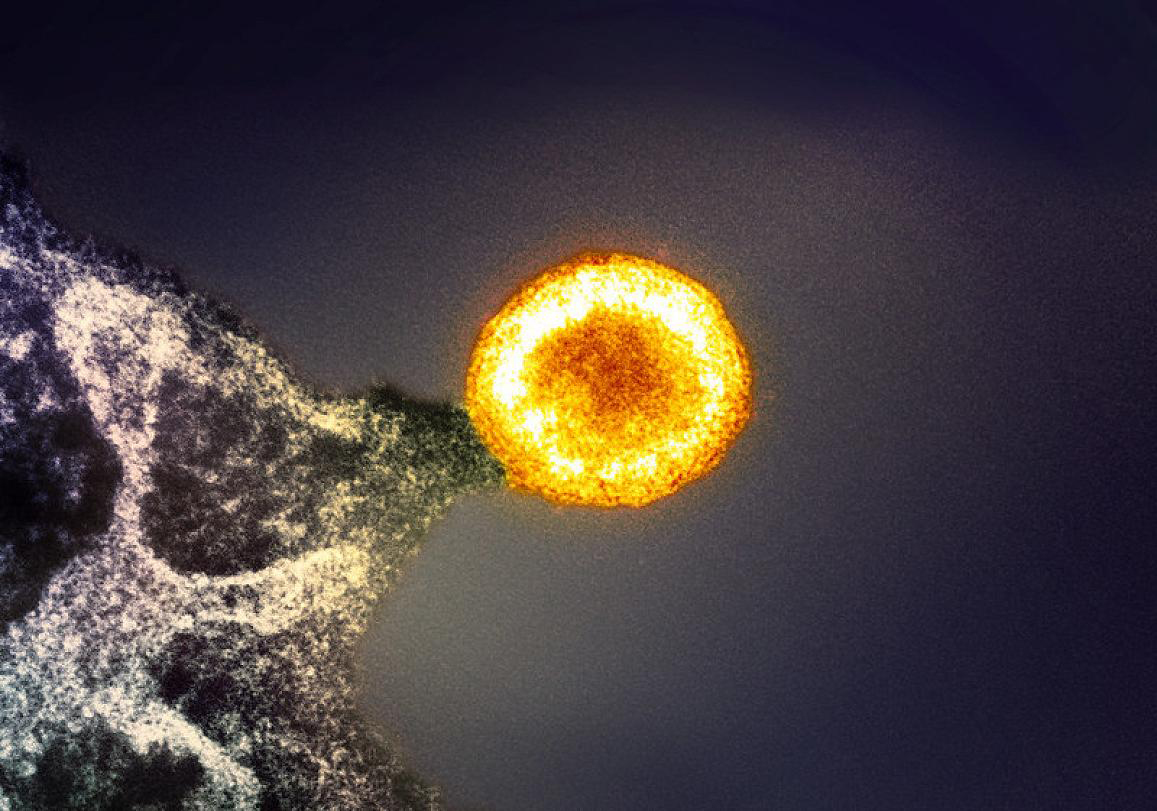
The ambitious goal for scientists is nothing less than an HIV “cure” or, at the very least, a sustained “remission.” However, this profound aspiration faces immense obstacles, primarily due to HIV’s extraordinary ability to evade detection. The virus undergoes such rapid evolutionary changes after infection that the body’s immune system struggles to produce new antibodies quickly enough to effectively recognize and neutralize its constantly transforming forms.
The persistent challenge of eradicating HIV largely stems from its ability to establish dormant reservoirs within cells, where it remains inactive and undetectable by the immune system. These sophisticated evasion tactics have consistently outmaneuvered a long history of cure attempts. Consequently, apart from a handful of highly exceptional stem-cell transplants, medical interventions have routinely fallen short of achieving a complete cure—one that fully clears HIV from the body.
The quest for a functional cure for HIV remains a significant medical priority, and a rare biological phenomenon offers new hope in this pursuit. Scientists have observed that some individuals living with long-term HIV infection eventually develop potent antibodies capable of neutralizing the virus. While these antibodies emerge too late to fully eradicate the existing infection, their mechanism provides crucial insights.
These powerful defenses, known as broadly neutralizing antibodies, specifically target stable, vital components of HIV proteins found in the virus’s outer membrane – the very structures essential for infecting cells. Their remarkable ability to recognize and combat a wide spectrum of different HIV strains makes them a key focus in the ongoing search for effective treatments and preventive strategies.
Scientists worldwide are engaged in an accelerated quest to identify highly potent, broadly neutralizing antibodies. The ultimate objective is to engineer these antibodies into a functional cure, and among the current initiatives, FRESH and RIO are widely considered the most promising efforts to date.
The FRESH trial focused on a specific combination of two antibodies, meticulously selected for their potential to combat HIV-1 clade C, the predominant strain prevalent throughout sub-Saharan Africa. The participants were young women from a community characterized by a high HIV prevalence, who were already integrated into a broader social empowerment program. A key aspect of this program was its intervention several years prior, ensuring these women received prompt HIV treatment within three days of their initial infection.
The RIO trial, in its methodology, strategically selected two extensively studied antibodies known for their broad effectiveness. The participant group for this study was largely composed of white men, approximately 40 years old, who had initiated antiretroviral therapy shortly after their initial infection. A key demographic detail was that most of these individuals carried HIV-1 clade B, a viral strain that is notably more common in European populations.
Addressing a persistent challenge in antibody treatments—HIV’s tendency to develop resistance—researchers employed a strategic pairing of antibodies. This innovative approach significantly diminishes the virus’s ability to evade treatment, demanding that HIV undergo multiple genetic mutations to circumvent the combined effect of both antibodies.
In a novel approach to HIV management, participants across two trials received injections of specially engineered antibodies, modified to remain active in the body for approximately six months. Following this intervention, their standard antiviral medication regimens were temporarily paused. The central hypothesis was that these long-acting antibodies would collaborate with the immune system to neutralize active HIV particles, thereby keeping the virus effectively suppressed. Researchers established a clear contingency plan: should the antibodies’ protective effect diminish, leading to a rebound in HIV levels after their degradation, participants were scheduled to promptly resume their antiretroviral treatment.
Crucially, however, a significant finding emerged from both trials: in a subset of participants, the interventions appeared to trigger a sustained, self-sufficient immune response. Researchers were quick to draw parallels, likening this phenomenon to the protective mechanism initiated by a vaccine.
The RIO trial has unveiled significant findings regarding broadly neutralizing antibodies. Initially, 22 out of 34 participants treated with these antibodies successfully avoided viral rebound for 20 weeks, at which point they received a follow-up antibody injection. Remarkably, even after 96 weeks — long after the administered antibodies had cleared from their systems — six individuals continued to maintain viral levels low enough to remain off standard antiviral medications.
A control cohort of 34 participants was also included in the study, receiving only a saline infusion. The majority of these individuals subsequently had to resume their regular treatment within four to six weeks. Notably, all but three of the 34 participants had returned to treatment within 20 weeks.
The FRESH study, primarily a safety investigation rather than a controlled efficacy trial, revealed similar encouraging trends. Out of 20 participants, nearly a third—six individuals—achieved sustained viral suppression for 48 weeks following an antibody infusion.
From this cohort, four successfully abstained from treatment for over a year. Most impressively, one individual remains off antiretroviral medication a remarkable two and a half years after the intervention. Two others also demonstrated viral control but eventually chose to return to treatment, citing personal and logistical reasons.
Researchers have observed that specific antibodies possess a clear ability to activate the immune system in its fight against the virus. These antibodies operate by attaching to infected cells, effectively signaling to other immune cells to identify and destroy them. However, scientists are maintaining a cautious stance, hesitant to declare participants in remission as “functionally cured” given the unpredictable nature of when the virus might potentially resurface.
Crucially, researchers hypothesize that this immune response to the antibodies may also stimulate CD8+ T cells. These vital immune cells are then tasked with actively seeking out and eliminating HIV-infected cells. This intricate process could potentially establish an “immune memory,” enabling the body to maintain control over HIV even after the initial antibodies have diminished.
In a promising development, trial participants have exhibited an immune response remarkably similar to that observed in a rare subset of HIV-positive individuals known as “elite controllers.” This distinct group, making up less than 1% of all cases, naturally suppresses the Human Immunodeficiency Virus without the aid of antiretroviral drugs, effectively confining the virus to small, inactive reservoirs within the body.
Joel Blankson, an infectious diseases expert at Johns Hopkins Medicine and co-author of a 2024 *Annual Review of Immunology* article focusing on natural HIV controllers, described the trials’ ability to help some participants achieve a similar state as “exciting.” He expressed optimism that these findings could “teach us how to be able to do this much more effectively,” potentially leading to a “higher percentage of people in remission” from HIV.
Mounting scientific evidence confirms that early initiation of antiretroviral therapy (ART) following HIV infection greatly enhances the probability of achieving sustained viral suppression. This strategic timing is crucial, as it occurs when the patient’s immune system is largely undamaged and viral reservoirs are at their lowest levels.
The phenomenon of post-treatment control (PTC), where individuals maintain viral suppression after discontinuing antiretroviral therapy (ART), is not exclusive to those who began treatment soon after infection. This remarkable ability has also been observed in chronically infected patients—individuals who initiated ART long after their initial exposure to the virus.
According to Blankson, this outcome occurs less frequently among chronically infected individuals. However, despite the lower incidence, there is optimism that ongoing research strategies could still prove beneficial for this patient population. Blankson suggested that the therapeutic approaches being investigated in current studies, though less frequently successful in this group, could nonetheless be transferable and applicable to chronically infected patients.
A significant revelation from the RIO trial indicates that the investigated antibodies not only target active HIV but also demonstrably impact the dormant virus hidden within certain cells. These elusive cellular reservoirs are the primary reason HIV typically rebounds when individuals cease treatment, and antibodies were not previously believed to affect them. Researchers now speculate that the antibodies’ mechanism boosts T cells, empowering them to identify and eliminate these latently infected cells, even when they display only minute traces of HIV on their surface.
The FRESH intervention, a distinct research effort, adopted a more direct strategy to combat persistent HIV reservoirs. This approach integrated vesatolimod, a drug specifically designed to invigorate immune cells, prompting them to confront the viral threat. The objective of vesatolimod is to “shock” dormant HIV particles from their hidden sanctuaries, making them detectable. Once exposed, the body’s immune system, with the crucial assistance of specialized antibodies, can then identify and eliminate these previously hidden viral targets.
The initial outcomes of the FRESH study are sparking excitement, with Ndung’u noting that the regimen “might indicate” a degree of effectiveness. While these preliminary findings are encouraging, Ndung’u cautioned that the study’s small scale makes it difficult to draw definitive conclusions at this stage. His team is currently undertaking a deeper investigation into the full dataset.
This article was originally published by Knowable Magazine, a nonprofit organization dedicated to making scientific knowledge widely accessible to the public. For additional insights and content, readers are encouraged to subscribe to Knowable Magazine’s newsletter.