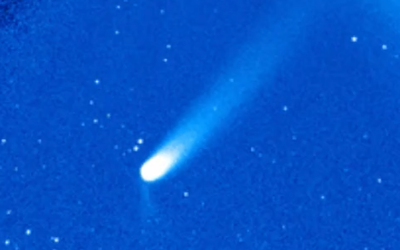
While comets are renowned for their brief, dramatic appearances in our night skies, one particular icy wanderer has recently commanded an unparalleled level of scientific scrutiny from one of NASA’s cutting-edge spacecraft.
For an extraordinary period of nearly 40 days, NASA’s PUNCH mission maintained an almost unbroken vigil on the recently identified Comet C/2025 R2 (SWAN). As the icy body journeyed through the inner solar system, PUNCH captured images every four minutes, a relentless observation schedule. This sustained gaze, according to a recent NASA announcement, may constitute the longest continuous tracking of any comet at such a high frequency.
The PUNCH mission is establishing a new standard for comet observation, providing an unprecedented few-minute cadence for tracking these celestial bodies, according to Craig DeForest, principal investigator for PUNCH at the Southwest Research Institute in Colorado. This significantly advances previous methods, which typically monitored comets once a day, often over several years.
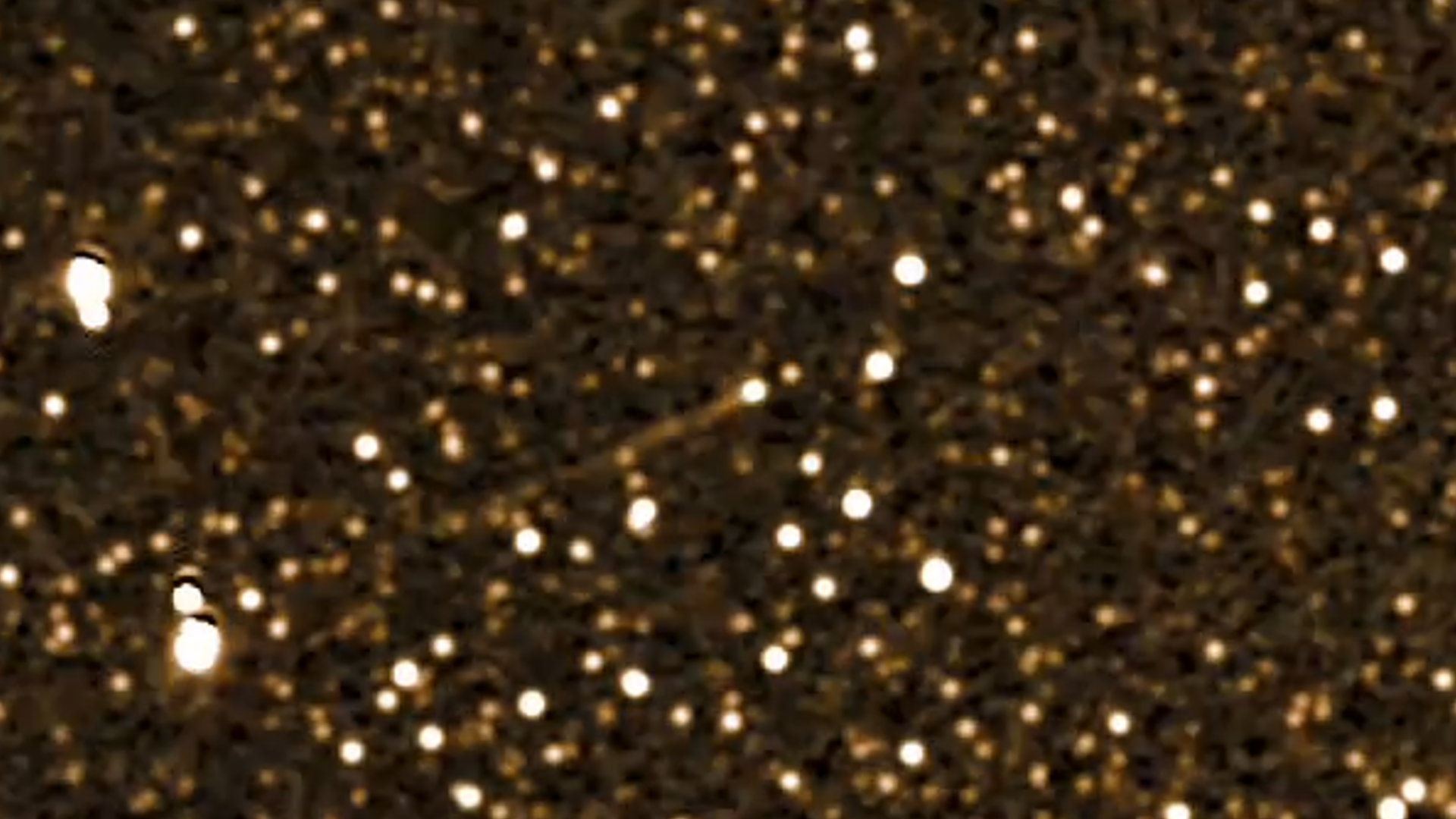
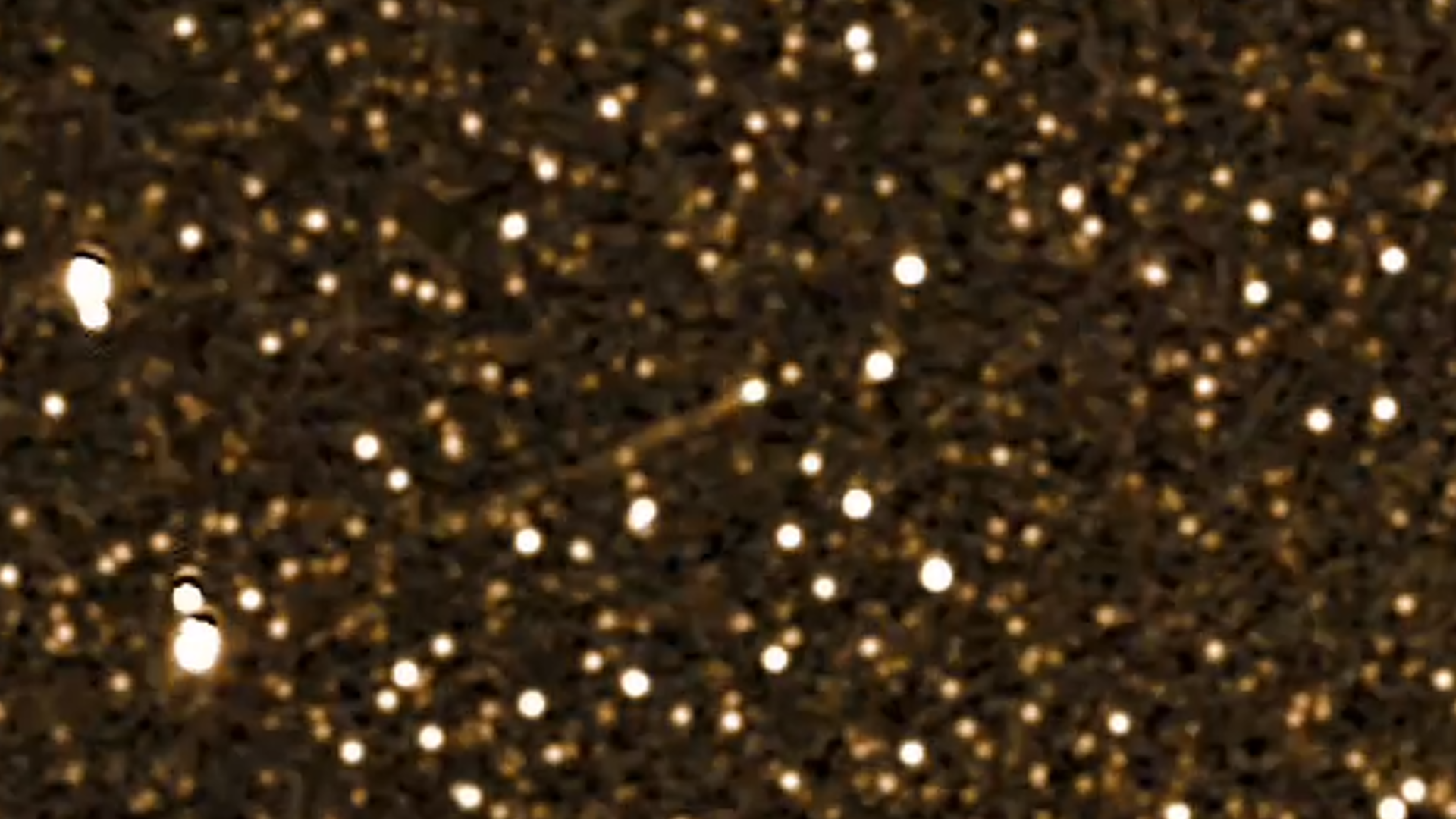
A new video compilation offers a captivating look at a comet’s celestial journey, meticulously stitched together from hundreds of PUNCH images captured between August 25 and October 2.
The footage vividly illustrates the comet’s graceful traverse, positioning it between two prominent cosmic landmarks: Mars, visible at the top of the frame, and the star Spica, located below within the constellation of Virgo.
An accompanying statement clarified that thin black seams remain visible between individual images. This is attributed to the frames not undergoing full processing before their final assembly into the video sequence.
Comet C/2025 R2 (SWAN) was first spotted in September by Ukrainian amateur astronomer Vladimir Bezugly, who noticed the icy visitor a bright blob close to the sun while scanning publicly available images from the sun-watching Solar and Heliospheric Observatory (SOHO). Just a day after its discovery, the comet reached perihelion, its closest point to the sun, passing at a distance of 46.74 million miles (75.20 million km) of our star.
Early images had revealed the comet’s bluish-green coma, created as the sun’s heat vaporized the comet’s ices in a process called sublimation. Gas and dust released were swept backward by the solar wind, forming the glowing tail captured in various images. By mid-September, the coma had taken on an unusual triangular “hammerhead” shape, a distortion astronomers often link to a fragmenting nucleus, as outgassing from multiple pieces can stretch a normally round coma into a lopsided form.
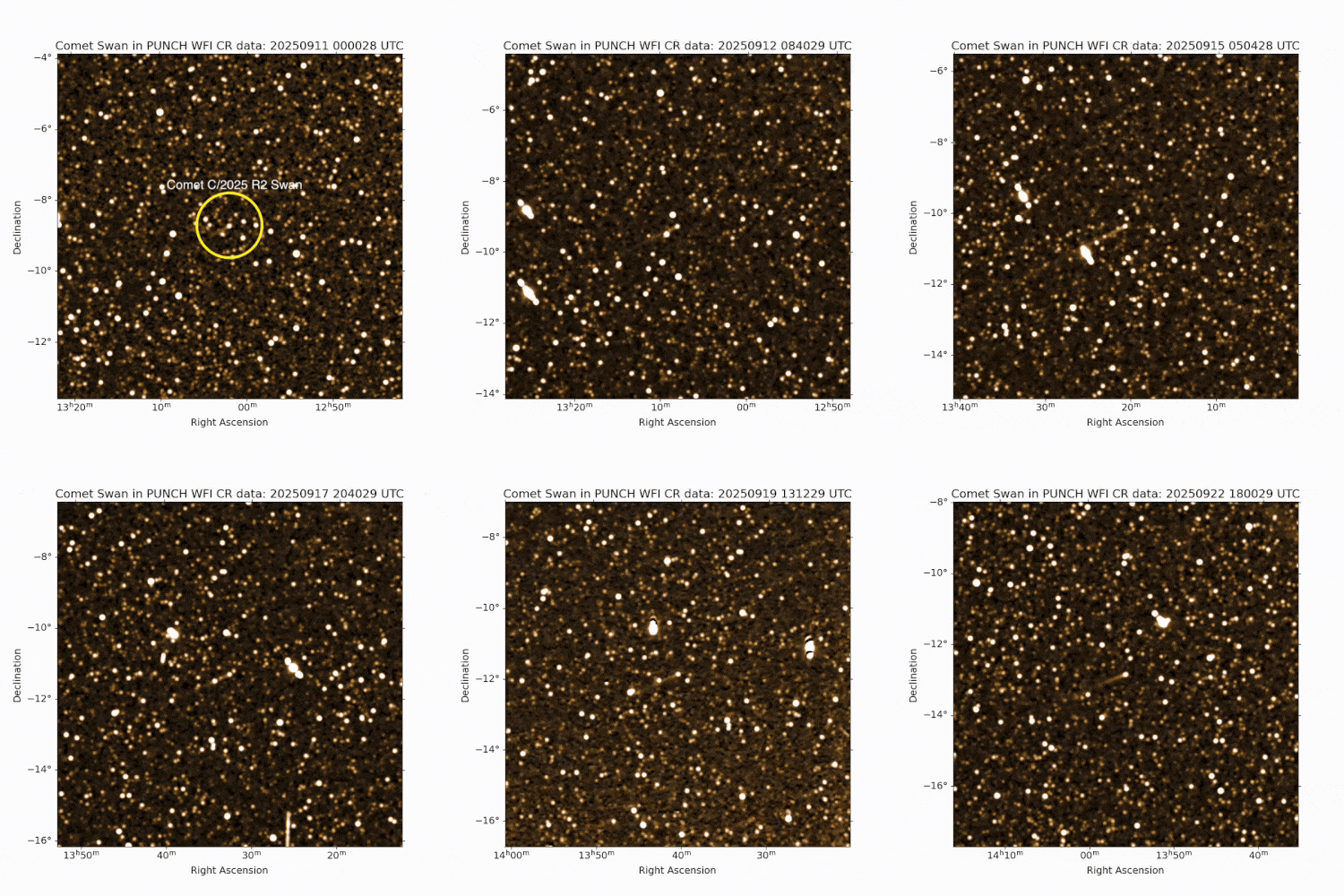
At the same time, Comet C/2025 R2 (SWAN) happened to share the same swath of sky with the now-famous interstellar visitor 3I/ATLAS. In the PUNCH time-lapse below, 3I/ATLAS appears briefly near the end of the sequence, zipping left to right beneath SWAN.
As Comet C/2025 R2 (SWAN) moves leftward in the images, its tail is pushed in the same direction by the solar wind, making the comet appear to drift “backward,” the NASA statement noted.
Comet tails act as natural tracers of the solar wind, a continuous stream of charged particles flowing outward from the sun and shaping the space environment throughout the solar system.

“Watching the sun’s effects from multiple vantage points — and with different types of instruments — is what gives us a complete picture of the space environment,” Gina DiBraccio, a heliophysicist and acting director of the Solar System Exploration Division at NASA’s Goddard Space Flight Center in Maryland, said in the same statement.
“We use these same tools to track and analyze how space weather impacts our astronauts, our spacecraft, and our technology here on Earth.”
In late October, the comet made its closest approach to Earth at 25.10 million miles (40.38 million km), putting it on the cusp of naked-eye visibility and easily within reach of binoculars and small telescopes.