With just two weeks remaining until its scheduled launch on February 6, NASA is on a rigorous countdown. The agency has a substantial agenda of critical tasks to finalize before it can send its four astronauts on the first human mission to the Moon in decades.
The Artemis 2 mission is poised for a significant 10-day expedition, set to carry a pioneering crew of four astronauts on a momentous journey around the Moon. Leading this international endeavor is NASA Commander Reid Williams, who will be joined by NASA Pilot Victor Glover and Mission Specialist Christina Koch. Completing the quartet is Canadian Space Agency astronaut Jeremy Hansen, also serving as a mission specialist.
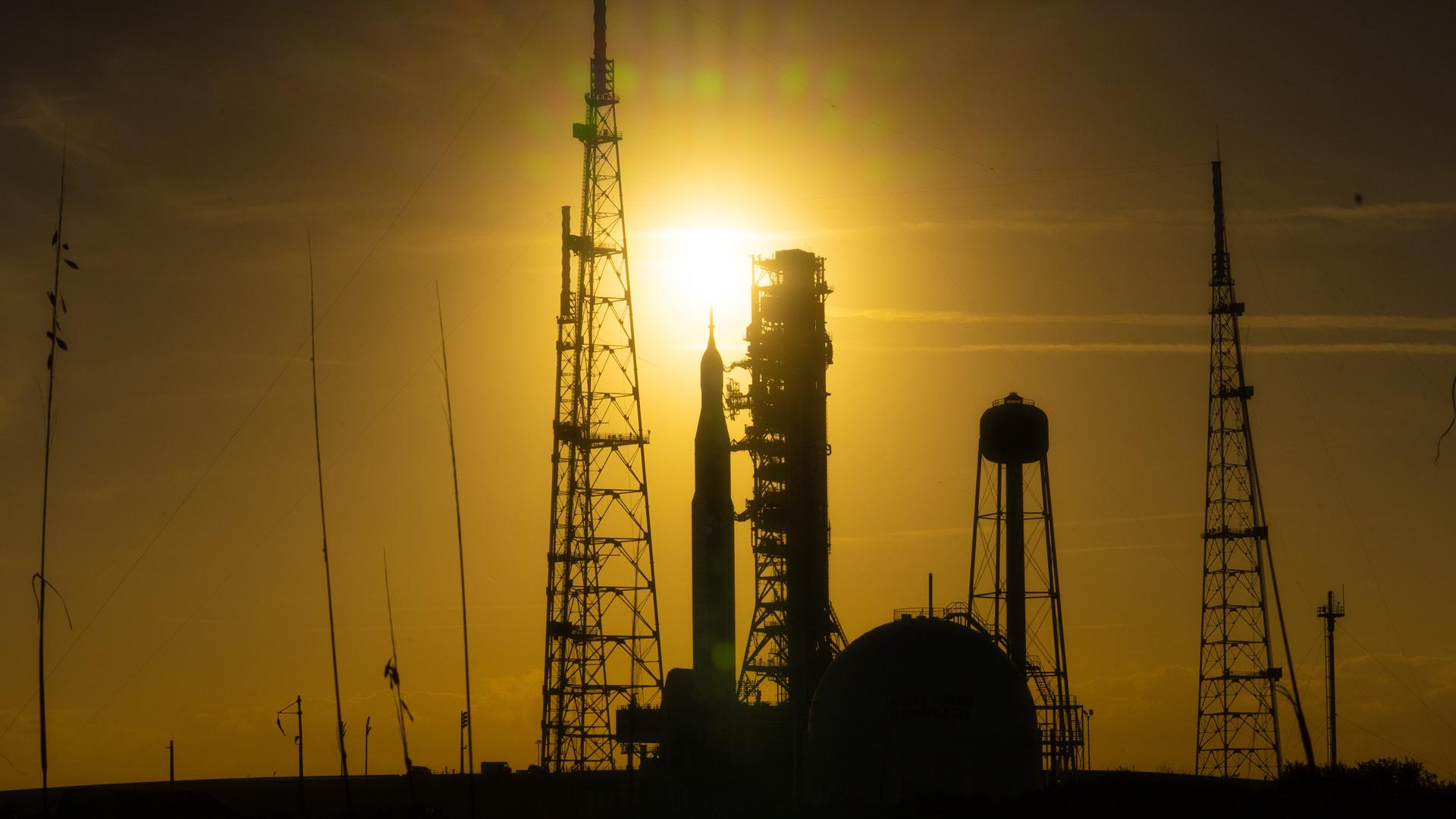
Before the Space Launch System (SLS) rocket, its Orion spacecraft, and their crew can embark on their journey from Florida’s historic Launch Pad 39B at the Kennedy Space Center (KSC), several critical hurdles must be cleared. These include a battery of demanding technical tests and an extensive fueling operation.
The trailblazing uncrewed Artemis I lunar mission, which ultimately lifted off in 2022, itself required a significant eight-month preparation window, spanning from its initial rollouts to the launchpad through to its eventual departure for space. NASA officials have since highlighted that this prolonged practice period proved invaluable, yielding crucial insights and benefits for subsequent missions.
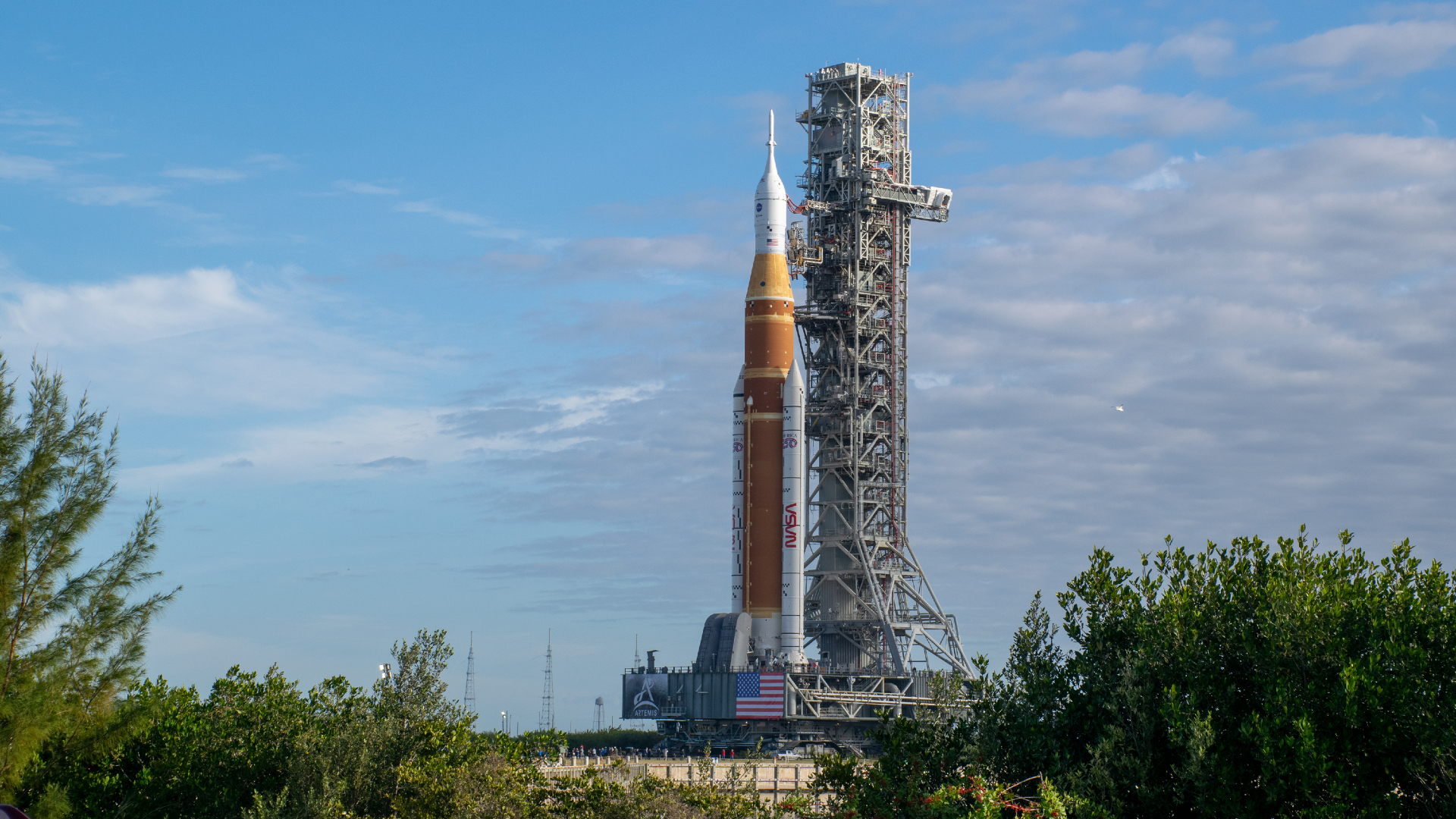
NASA’s confidence in the upcoming Artemis 2 mission’s success is firmly rooted in the invaluable insights garnered from its predecessor, Artemis 1. So declared Artemis 2 launch director Charlie Blackwell-Thompson during a NASA press conference at Kennedy Space Center on January 16, a day prior to the Space Launch System’s (SLS) arrival at its launch pad.
Blackwell-Thompson underscored the critical role of Artemis 1, characterizing it as a pivotal test flight that provided a wealth of knowledge and experience throughout its pre-launch and launch campaign. “Why do we think that we’ll be successful in Artemis 2 is, it’s the lessons that we learned,” she explained, adding, “Artemis 1 was a test flight, and we learned a lot during that campaign getting to launch.” This foundational learning, she emphasized, is key to the crewed mission’s anticipated triumph.
**Kennedy Space Center, FL** – NASA’s monumental Artemis II stack, featuring the Space Launch System (SLS) rocket and Orion spacecraft, began its pivotal journey from the Vehicle Assembly Building (VAB) early Saturday. The colossal assembly embarked on its precise 12-hour crawl at 7:01 a.m. EST (1201 GMT), reaching the launchpad almost to the minute by early evening.
With the hardware now settled at the pad, mission teams are poised for immediate action. As anticipated by Blackwell-Thompson on January 16, the foremost tasks involve rapidly establishing and thoroughly validating all critical connections to ground support, fueling infrastructure, and the crucial firing room. Powering up every system is also a paramount next step as preparations for the mission intensify.
As launch preparations intensify, a series of critical safety and operational milestones are slated for completion. The crew access arm, serving as the vital pathway for the four astronauts and their support teams to board the Orion spacecraft, is scheduled to undergo a comprehensive set of test swings. Concurrently, the emergency egress system – a specialized basket network designed for the rapid evacuation of astronauts from the Space Launch System (SLS) in the event of pre-launch exigencies – will be meticulously configured. Further essential tasks include extensive diagnostic checkouts of the launchpad’s infrastructure and its radio-frequency communication systems, alongside vital servicing of the rocket’s boosters.
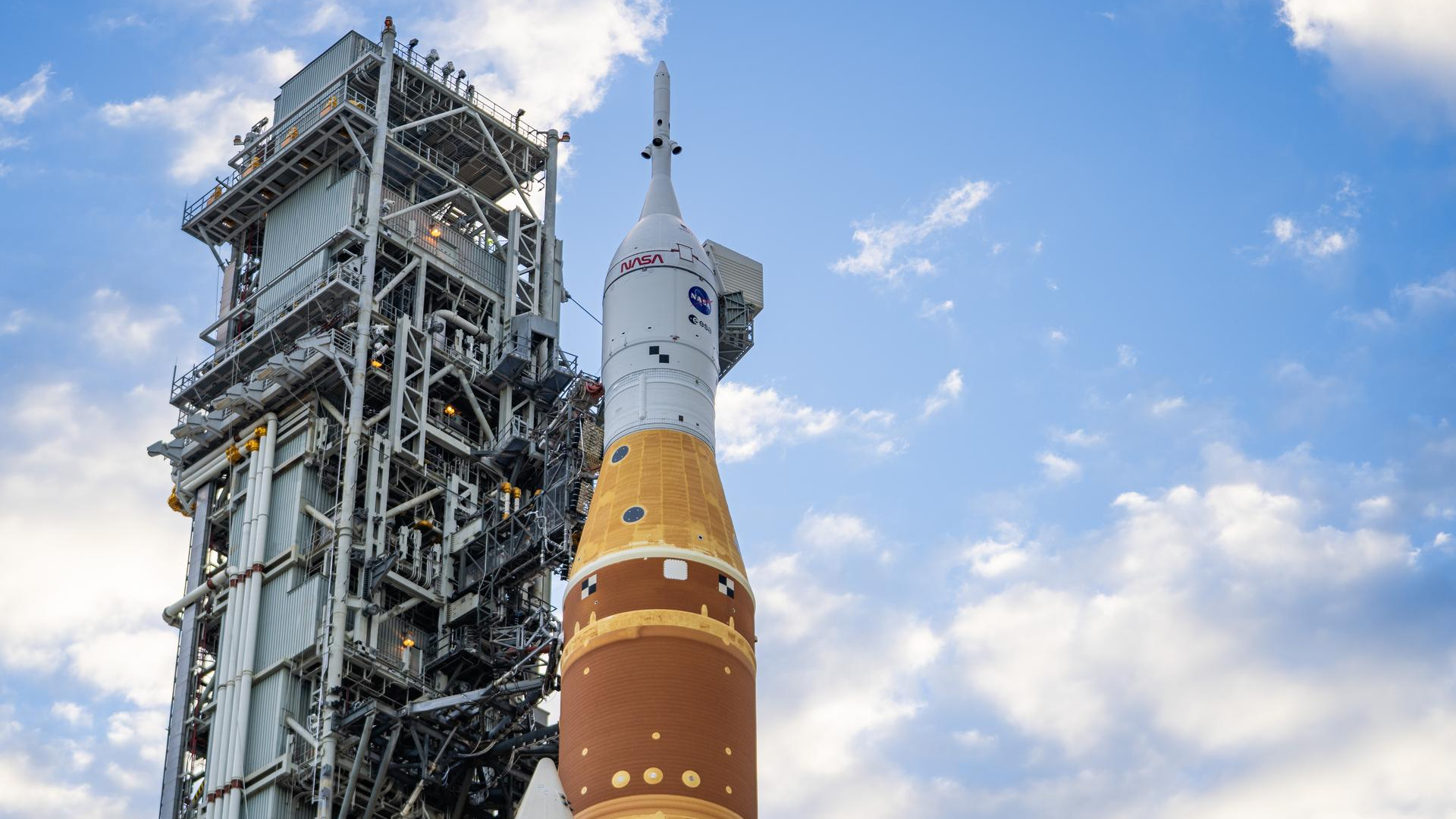
Mission director Blackwell-Thompson confirmed that astronauts are slated for direct participation in a critical second “countdown demonstration test.” While she declined to provide specific timelines for these upcoming events, acknowledging the mission’s inherently flexible and developmental nature, the drill will build upon a prior simulation conducted last December. That initial exercise saw astronauts positioned aboard the rocket inside the Vehicle Assembly Building (VAB). A key feature of this upcoming test, she elaborated, will be a thorough “walk-down” of the emergency egress system, a vital procedure for ensuring crew safety.
Here are a few paraphrased options, maintaining a journalistic tone and focusing on the key information:
**Option 1 (Concise and direct):**
> All eyes will be on NASA’s upcoming “wet dress rehearsal,” a crucial test of fueling and countdown procedures. The agency aims to complete this simulated launch sequence by February 2, just four days before the Artemis 2 launch window commences on February 6.
**Option 2 (Slightly more explanatory):**
> The upcoming “wet dress rehearsal” – a simulated countdown exercise that includes fueling – is the primary focus for observers of the Artemis 2 mission. NASA’s objective is to wrap up this critical testing phase no later than February 2, leaving a four-day buffer before the designated launch window opens on February 6.
**Option 3 (Emphasizing the importance):**
> A pivotal moment for the Artemis 2 mission will be the “wet dress rehearsal,” a comprehensive test of fueling and countdown protocols. NASA is targeting completion of this vital simulation by February 2, a deadline that precedes the Artemis 2 launch window’s opening on February 6 by a mere four days.
**Option 4 (Focusing on the timeframe):**
> With the Artemis 2 launch window set to open on February 6, all attention is directed towards NASA’s “wet dress rehearsal.” This critical test, designed to simulate fueling and countdown procedures, is slated for completion no later than February 2, providing a narrow four-day window for this essential preparatory step.
Each option offers a slightly different emphasis while conveying the same essential facts: the significance of the wet dress rehearsal, its purpose, NASA’s target completion date, and its proximity to the Artemis 2 launch window.
Here are a few options for paraphrasing the provided text, each with a slightly different emphasis:
**Option 1 (Focus on the scale and complexity):**
> NASA officials revealed on January 9th that during a critical “wet dress rehearsal,” teams successfully proved their capability to manage over 700,000 gallons of super-cold rocket fuel. This complex procedure involved not only loading the massive quantity of propellants but also executing a full launch countdown and practicing the safe offloading of the fuel, all while ensuring astronaut safety with no personnel present on the rocket.
**Option 2 (More concise and direct):**
> On January 9th, NASA announced that a recent “wet dress rehearsal” demonstrated a key capability: the ability to load more than 700,000 gallons of cryogenic propellants into the rocket. The exercise included a full launch countdown and a practice session for safely draining the fuel, conducted without astronauts on board.
**Option 3 (Highlighting the safety aspect):**
> Demonstrating a crucial aspect of mission readiness, teams successfully loaded over 700,000 gallons of cryogenic propellants into the rocket during a recent “wet dress rehearsal.” As stated by NASA officials on January 9th, the procedure also encompassed a full launch countdown and a vital practice of safely removing the fuel from the vehicle, notably without any astronauts present.
**Option 4 (Emphasizing the “practice” element):**
> According to NASA officials on January 9th, a recent “wet dress rehearsal” allowed teams to hone their skills in handling an immense amount of cryogenic propellants. The exercise involved loading over 700,000 gallons, executing a complete launch countdown, and practicing the safe removal of this volatile fuel from the rocket, all without astronauts onsite.
These paraphrased versions aim to be unique and engaging by:
* **Varying sentence structure:** Combining clauses, starting with different elements.
* **Using stronger verbs:** “Revealed,” “proved their capability,” “encompassed,” “hone their skills.”
* **Adding descriptive language:** “Super-cold rocket fuel,” “massive quantity,” “complex procedure,” “vital practice,” “volatile fuel.”
* **Maintaining clarity and journalistic tone:** Reporting the facts directly and professionally.

This upcoming launch marks a significant milestone, not just for NASA and its collaborators, but for the entire space exploration sector. The Artemis 1 mission faced a series of challenges, necessitating at least four “wet dress rehearsal” attempts before NASA officially declared the rocket ready and safe for liftoff.
Having previously overseen the launch operations for Artemis 1, Blackwell-Thompson indicated that NASA has incorporated valuable lessons learned since that mission.
The astronaut confirmed the spacecraft was entirely new, explaining that a crucial part of the preparation involved mastering the safe loading of liquid oxygen. This process utilized “legacy hardware,” equipment that has a long history of supporting launches at Kennedy Space Center. Following two initial “wet dress rehearsals,” the team successfully refined their techniques for controlling the fueling temperatures, she reported.
During the third rehearsal, NASA encountered issues with hydrogen leaks. In response, the space agency revised its procedures for loading liquid hydrogen. Additionally, modifications were made to the ground umbilical plates, which are crucial for delivering power, coolant, fuel, and communication signals to the rocket. These adjustments were confirmed by Blackwell-Thompson.
Engineers have implemented modifications to the interface connecting the flight and ground plates to prevent hydrogen leaks. These adjustments specifically target the flex hose connections at the rear of the plate. Furthermore, issues identified within a “cavity” where the ground plates converge have been resolved by optimizing flow rates, temperatures, and pressures within the system.
**Artemis 2 Mission Undergoes Design Update Following Ground Equipment Challenges**
A crucial component of the ground equipment, known as a “replenish valve,” has necessitated a design modification for the upcoming Artemis 2 mission. This valve presented significant operational hurdles during wet dress rehearsals, a critical phase of testing where spacecraft systems are fueled and run through countdown procedures.
According to sources familiar with the project, the valve’s management proved particularly challenging in the wet conditions encountered during these rehearsals.
To address these issues, engineers have implemented a design modification. This update has already undergone rigorous testing with cryogenic fuels – the super-cooled propellants slated for use on Artemis 2. The valve has successfully endured “as many cycles as we would expect to have during Artemis 2,” indicating a robust and reliable performance for the mission’s demanding operational profile.
**Artemis 2 Launch Readiness: A Measured Approach to Space Exploration**
NASA is prioritizing safety above all else for the upcoming Artemis 2 mission, with mission director Charlie Blackwell-Thompson stressing that the team will not rush the launch. While February 6th is the target date, the mission has flexibility, with launch windows extending through February, March, and April at a minimum. This measured approach underscores NASA’s commitment to a secure and successful journey for the Artemis 2 crew.
**NASA aims for February launch opportunities following a successful “wet dress rehearsal.”**
According to Blackwell-Thompson, the upcoming “wet dress rehearsal” is a critical step for the Artemis program. This exercise will allow the team to identify any lessons learned and ultimately determine the path forward for the highly anticipated launch.
“If the wet dress rehearsal proceeds without any major complications and everything goes according to plan, then there are definitely launch opportunities within February that we could achieve,” Blackwell-Thompson stated. The successful completion of this rehearsal is key to unlocking potential launch windows in the coming months.