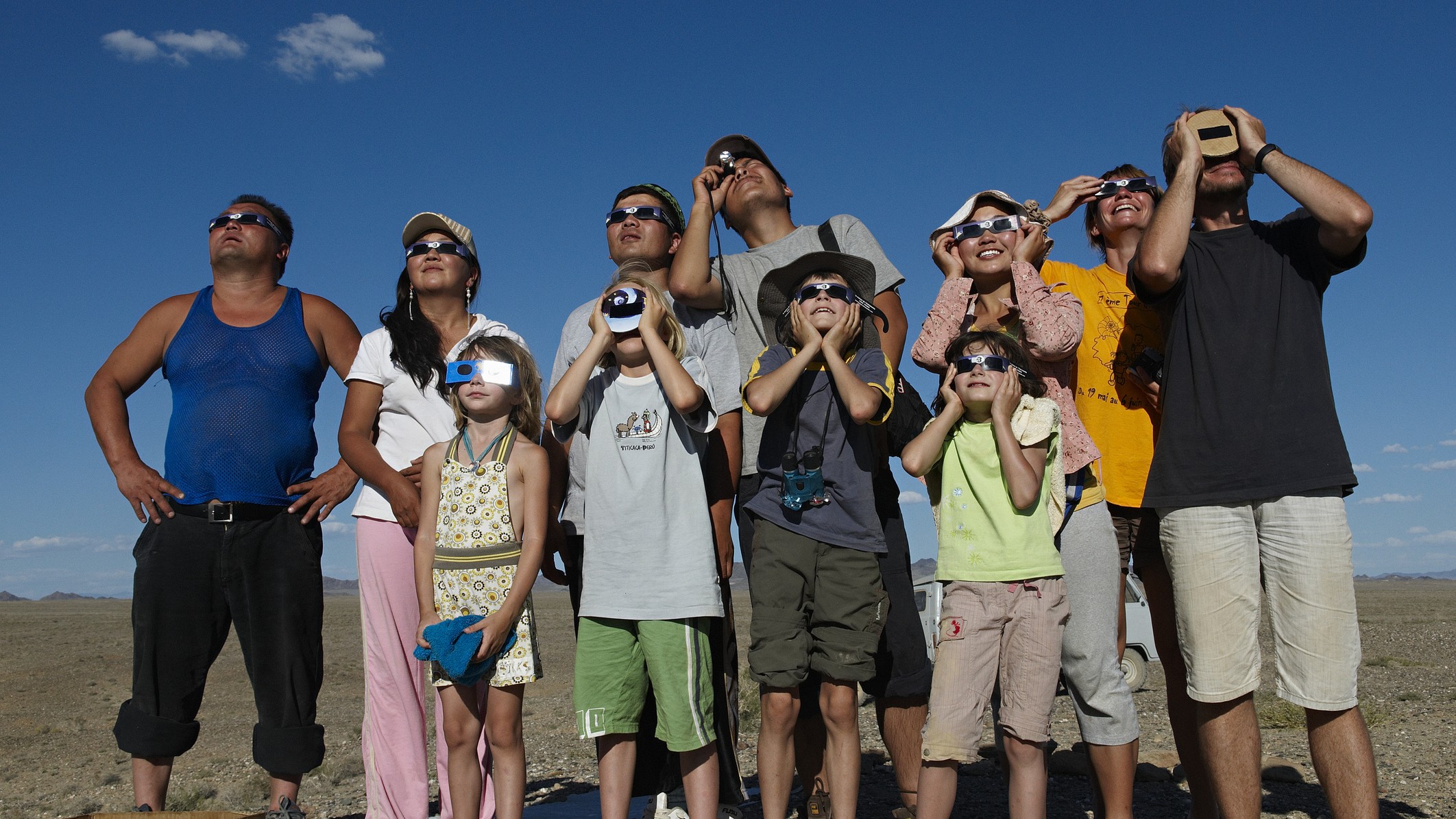
Jerusalem, a city steeped in millennia of history, last bore witness to the breathtaking spectacle of a total solar eclipse on August 2, 1153. It will be another 1,108 years before the Holy City experiences this rare celestial event again, with the next occurrence projected for August 6, 2241. This remarkable, millennium-spanning gap is meticulously documented in the book *Totality* by the late Fred Espenak, NASA’s celebrated “eclipse calculator extraordinaire.”
In stark contrast to Jerusalem’s epic wait, a particular region of the United States recently experienced an almost unimaginable astronomical rarity. Residents within a specific 32,400-square-mile (52,200-square-kilometer) quadrant covering parts of Illinois, Missouri, and Kentucky were fortunate enough to witness total solar eclipses not once, but twice, in a mere 6 years, 7 months, and 18 days – highlighting the extraordinary variability of these cosmic alignments across the globe.
The celestial spectacle of a total solar eclipse, an event of profound cosmic beauty, is far from equally distributed across our planet. This striking unevenness prompts a fascinating inquiry: why have generations of residents in Jerusalem historically been denied this rare celestial show, while communities stretching from Perryville, Cape Girardeau, and Paducah to Carbondale, Makanda, Harrisburg, and Metropolis have, with remarkable frequency, found themselves ideally situated to witness totality from their own backyards?
This geographical lottery begs the question: why do some locations on Earth experience the awe-inspiring shadow of a total eclipse multiple times across generations, while others may go centuries, or even forever, without witnessing its fleeting passage? The answer lies in the Moon’s shadow, which traces a remarkably narrow and unpredictable path—typically about 100 miles wide—making these cosmic alignments rare and profoundly unevenly distributed spectacles across the globe.
The perceived “unfairness” in how eclipses are distributed globally, with some regions experiencing them more frequently than others, is far from random. The scientific explanation for this geographical bias is rooted deeply in precise numerical data and the intricate, millennia-spanning orbital cycles that govern celestial mechanics.
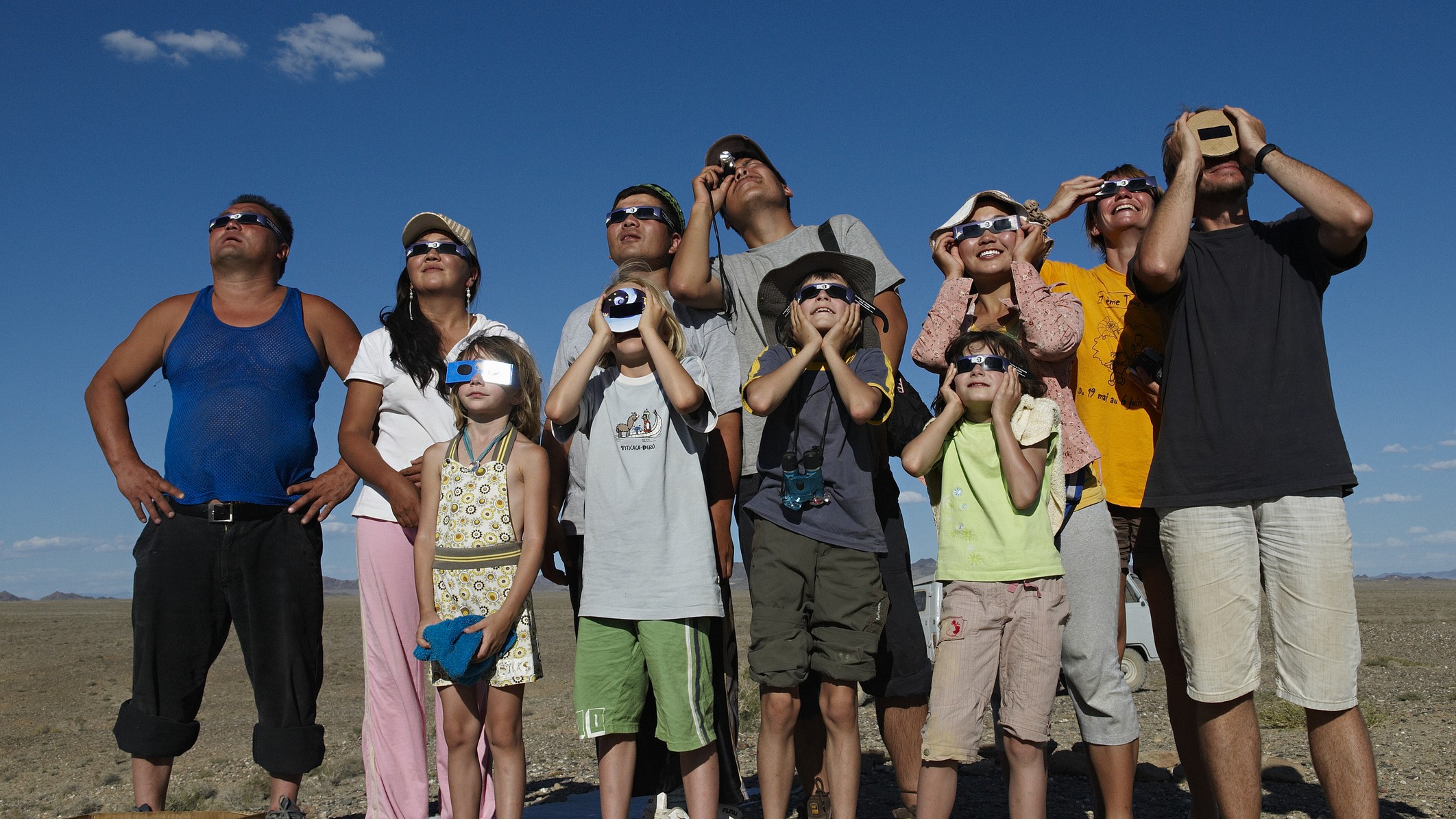
**Unraveling the Mystery of Eclipse Frequency: A Legacy of Calculation and Modern Refinement**
Pinning down the precise frequency of total solar eclipses at any single location on Earth has long been an astronomical challenge, primarily due to the highly irregular intervals between these rare celestial events. For decades, the definitive answer has been attributed to the pioneering work of legendary Belgian mathematical astronomer, Jean Meeus.
In a seminal 1982 paper, Meeus embarked on a monumental task: to accurately calculate the paths of totality for the next 600 years. Leveraging an HP-85 personal computer – one of the first available and a technological marvel of its era – he sought to refine a long-held piece of astronomical “received wisdom.”
The prevailing belief, tracing back to a 1926 astronomy textbook, posited that a total solar eclipse occurred at a given place on Earth roughly once every 360 years. Crucially, this widely accepted figure lacked any supporting mathematical derivation. Meeus’s rigorous computations, however, presented a more precise average: 375 years. This refined number has since become the standard benchmark for total solar eclipse frequency.
Nevertheless, as computing power has advanced exponentially since Meeus’s groundbreaking study, contemporary efforts are now underway. Researchers are employing vastly more powerful systems and sophisticated algorithms to crunch larger datasets, aiming to further refine this established figure and offer an even more precise understanding of these spectacular, yet infrequent, cosmic alignments.
Ahead of the much-anticipated “Great American Eclipse” in March 2024, Ernie Wright of NASA’s Scientific Visualization Studio unveiled a groundbreaking heat map charting the global paths of total solar eclipses. This comprehensive visualization meticulously documented 3,742 total solar eclipses spanning an extraordinary 5,000-year period, from 2,000 B.C. to 3,000 C.E.
The intricate data underpinning this project was derived from the 2006 “Five Millennium Canon of Solar Eclipses,” a definitive catalog painstakingly calculated by astronomers Jean Meeus and the late Fred Espenak.
Wright’s analysis yielded a profound conclusion: “It’s evident from the heatmap that a total solar eclipse can happen absolutely anywhere on Earth,” he stated. He further emphasized this by revealing that not a single one of the map’s 14.6 million sampled points, or pixels, remained untouched by at least one eclipse’s path, effectively leaving “not a single goose egg.” This underscores the universal reach of these celestial phenomena. Over this expansive 5,000-year epoch, every individual location represented on Wright’s map experiences between one and 35 total solar eclipses.
A groundbreaking new study has leveraged immense computational power to conduct the most comprehensive analysis of solar eclipses to date, fundamentally refining our understanding of their frequency and patterns.
Submitted to arXiv in February and accepted for publication in the Journal of the British Astronomical Association later this year, the research scrutinized an astonishing 35,538 solar eclipses spanning 14,999 years. This monumental undertaking required 102 days of continuous calculation, consuming 662,000 gigabyte-hours of memory and 147,000 core hours.
The primary finding presents a refined figure: total solar eclipses occur, on average, every 373 years at any given location on Earth. This new calculation updates and refines the widely cited “Meeus’ number.”
“Meeus’ number is so widely quoted, and we thought it would be interesting to see what would happen if you let a modern computer loose on the same problem,” explained lead author Graham Jones, an astrophysicist and science communicator at Time and Date, in an interview with Space.com.
Beyond simply updating the statistics, the research also uncovered intricate, deeper patterns in the geographical and temporal occurrence of total solar eclipses, revealing fundamental connections to Earth’s complex orbital mechanics.
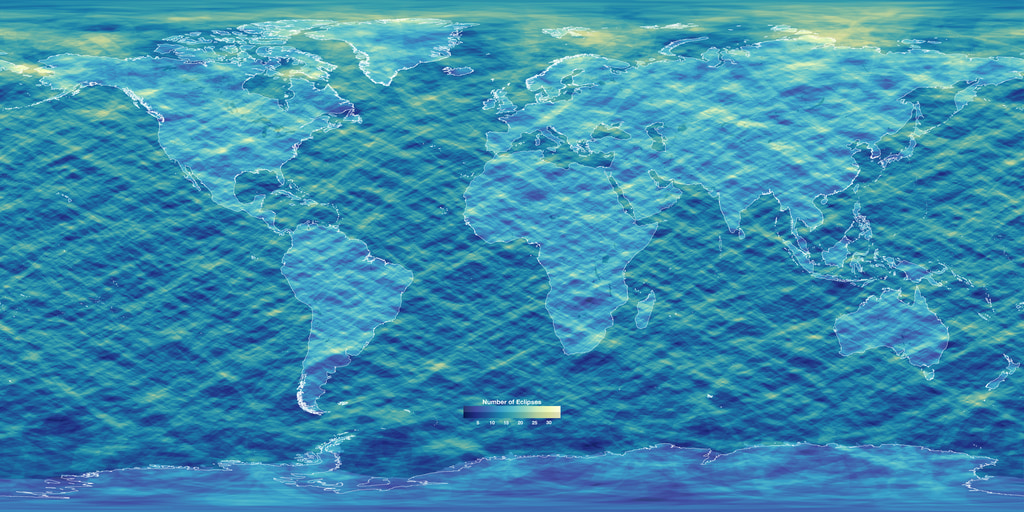
Recent scientific investigations have confirmed long-suspected patterns in the timing and geography of total solar eclipses. A particularly notable finding, highlighted in a paper from Time and Date, is the discovery of a “latitude effect.” This striking phenomenon reveals that the incidence of all solar eclipse types reaches its highest frequency near the Arctic and Antarctic Circles, while conversely being least common around the equator. The explanation for this discrepancy is straightforward: at higher latitudes, the sun’s trajectory often skims the horizon during specific seasons, significantly broadening the potential window for an eclipse to occur.
NASA research, spearheaded by scientist Wright, reveals a compelling asymmetry in the distribution of total solar eclipses: they occur more frequently in the Northern Hemisphere than in the Southern. This phenomenon is largely due to Earth’s slightly elliptical orbit around the sun.
Eclipses are also observed to be more common during the summer months. Wright explains that the Northern Hemisphere’s summer coincides with Earth’s position near aphelion, its farthest point from the sun annually. At this greater distance, the sun appears marginally smaller in the sky, significantly increasing the Moon’s chance of completely obscuring it during an eclipse.
However, this current hemispheric advantage is not static. The precise dates of aphelion and perihelion (Earth’s closest point to the sun) gradually shift over centuries. Wright points to a grand 21,000-year cycle that governs this orbital drift. Consequently, in approximately 4,500 years, aphelion and perihelion will align with the equinoxes, effectively neutralizing the advantage either hemisphere currently holds in terms of solar proximity during its summer.
Further into the future, about 9,500 years from now, this celestial alignment will reverse, bestowing the advantage upon the Southern Hemisphere. This extended 21,000-year cycle is, in fact, the underlying explanation for why the actual interval between total solar eclipses in any given location remains highly unpredictable and irregular when compared to its statistical average.
Annular solar eclipses, a celestial spectacle where the Moon, positioned at its farthest orbital point from Earth, obscures only the central portion of the Sun, creating a striking “ring of fire,” have been meticulously documented by researchers like Meeus and the team at Time and Date. Their findings indicate that these unique events grace any specific location on our planet with a remarkable frequency, occurring on average once every 224 years according to Meeus, and once every 226 years as reported by Time and Date.
The question naturally arises: why are these annular eclipses more common than their total counterparts? Dr. Anya Sharma, a leading astrophysicist, explains that the phenomenon is rooted in the apparent sizes of the Sun and Moon as viewed from Earth. “When we consider the average diameters of both celestial bodies throughout all eclipses, the Sun typically appears slightly larger than the Moon more often than not,” Dr. Sharma states. “This slight size disparity means that the Moon is frequently not large enough to completely cover the Sun, leading to the characteristic annular eclipse.”
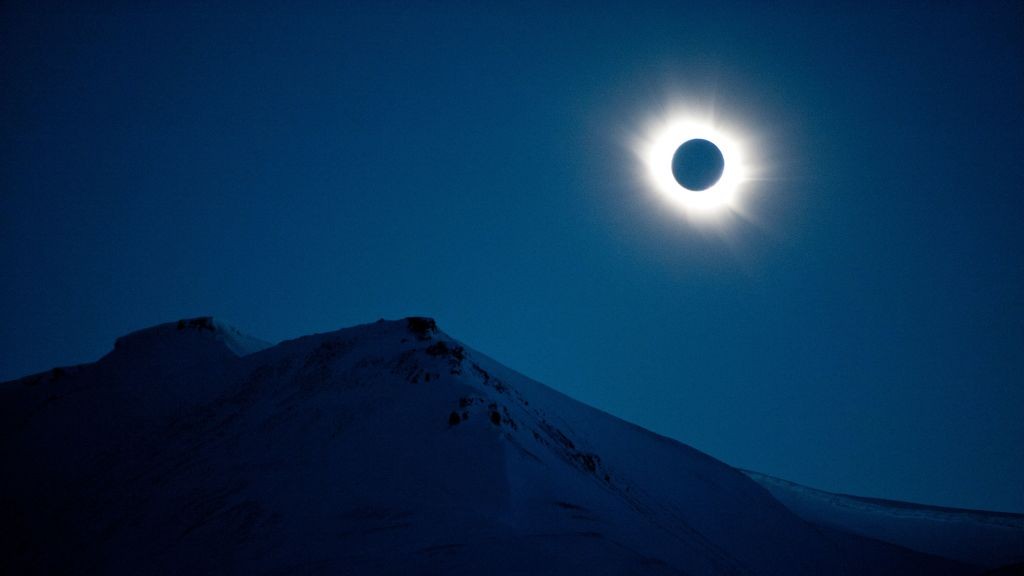
As the moon gradually drifts away from Earth at a rate of approximately 1.5 inches (3.8 centimeters) per year, the awe-inspiring spectacle of total solar eclipses is destined to become a relic of the past. This phenomenon, where the sun and moon appear to be the same size in our sky – a cosmic coincidence stemming from the sun being roughly 400 times wider but 400 times farther away – is set to cease. Experts warn that over vast geological timescales, this celestial recession will ultimately bring total eclipses to an end. Fortunately for current and future generations of stargazers, this astronomical finality is still some 600 million years in the future.