
Get ready for longer evenings as the annual ritual of Daylight Saving Time (DST) approaches, bringing a shift in clocks across North America and Europe in 2026.
On Sunday, March 8, 2026, residents of North America will “spring forward,” moving their clocks ahead by one hour. This marks the official start of DST for the region, ushering in more daylight in the evening hours.
Across the Atlantic, most of Europe will follow suit later in the month, with clocks advancing on Sunday, March 29, 2026. In the United Kingdom, this period is distinctly known as British Summer Time.
The practice will conclude several months later when clocks “fall back” to standard time. The U.S. will revert its clocks by an hour on November 1, 2026. Meanwhile, most of Europe and the U.K. will end their daylight saving period a week prior, on October 25, 2026.
A common point of clarity for those discussing the change: the correct term is “Daylight Saving Time,” not “Daylight Savings Time.”
The recurring spring and fall clock changes perpetuate a tradition originally established during World War I.
To ensure you stay precisely on schedule, this comprehensive guide clarifies the exact start and end dates for Daylight Saving Time this year, empowering you to adjust your clocks correctly and avoid any missed engagements. Beyond the practicalities of setting your timepieces, we delve into the rich history of DST, examine the reasons it remains in practice today, and distinguish between common myths and surprising facts surrounding this biannual clock change.
According to the U.S. Naval Observatory (USNO), Daylight Saving Time (DST) has historically been observed, commencing in the summer months and concluding just before winter. However, the precise start and end dates have not remained static, undergoing periodic adjustments driven by new statutes enacted by the U.S. government.
The annual transition to and from Daylight Saving Time (DST) adheres to a consistent, federally mandated schedule in the United States, a system in place since 2007.
**When Clocks Spring Forward**
Daylight Saving Time officially begins on the second Sunday of March. At precisely 2 a.m. local standard time, clocks are advanced by one hour, an action commonly referred to as “springing forward.” This adjustment means the time immediately shifts from 2 a.m. to 3 a.m. local daylight time.
**When Clocks Fall Back**
The period of Daylight Saving Time concludes on the first Sunday in November. At 2 a.m. local daylight time, clocks are retreated by one hour, marking the annual “fall back.” Consequently, the time reverts from 2 a.m. to 1 a.m. local standard time.
**International Perspective**
It is important to note that this schedule differs in many other regions. Across most of Europe, for example, daylight saving time commences on the final Sunday of March and concludes on the final Sunday of October.
Benjamin Franklin, the famed polymath, is widely credited (or, depending on one’s view of seasonal clock adjustments, occasionally chided) for originating the fundamental concept of Daylight Saving Time. His innovative proposal sought to conserve energy by shifting clocks forward in the summer, enabling people to maximize natural evening daylight and, consequently, reduce their reliance on artificial illumination.
This historical detail is illuminated by David Prerau in his 2005 book, “Seize the Daylight: The Curious and Contentious Story of Daylight Saving Time.” While serving as the American ambassador to Paris in 1784, Franklin famously articulated this idea in a witty letter to the *Journal of Paris*, humorously proclaiming his “discovery” that the sun provides light as soon as it rises.
Daylight Saving Time, despite its name suggesting an earlier origin, didn’t become a reality for over a hundred years. Its official debut occurred in May 1916 when Germany implemented the practice to reduce fuel consumption during World War I. Other European nations soon followed suit, and the United States adopted daylight saving time two years later, in 1918.
Here are a few paraphrased options, each with a slightly different emphasis, maintaining a journalistic tone:
**Option 1 (Focus on farmer opposition and the cycle of DST):**
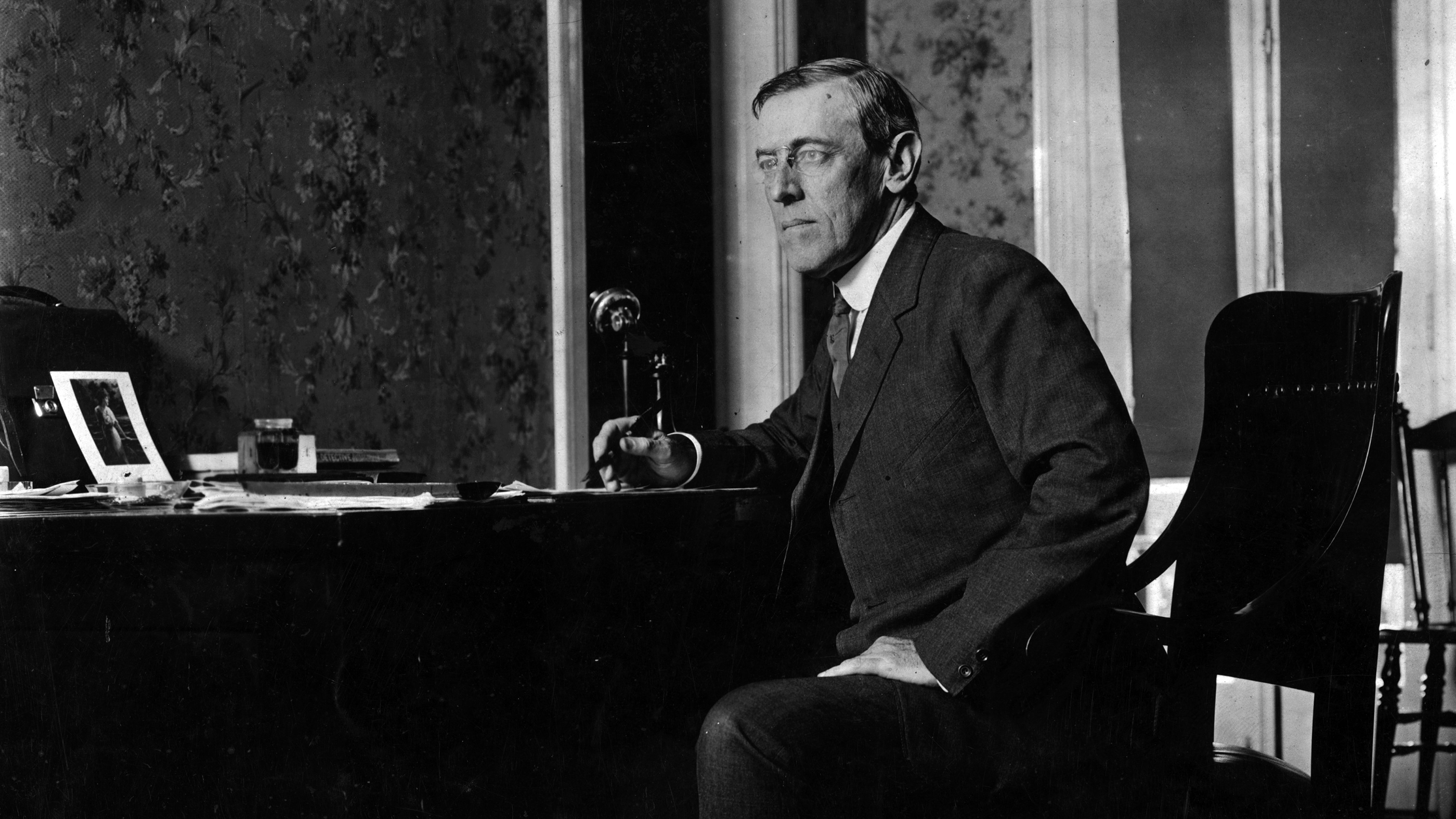
> Despite President Woodrow Wilson’s desire to retain daylight saving time following World War I, the nation’s largely rural makeup led to significant opposition, particularly from farmers. These agricultural workers expressed concern over the loss of an hour of precious morning light – a common misconception being that daylight saving time was originally implemented to benefit farmers. Consequently, daylight saving time was repealed, only to be resurrected during the next major conflict. President Franklin D. Roosevelt reinstated the practice, designating it “War Time,” on February 9, 1942, instituting year-round daylight saving in response to the demands of World War II.
**Option 2 (More concise, highlighting the “War Time” aspect):**
> While President Woodrow Wilson sought to continue daylight saving time after World War I, the country’s predominantly rural population, and specifically farmers, objected to the loss of morning daylight. This opposition debunked the myth that daylight saving time was initially created to aid farmers. The practice was subsequently abolished, only to be revived by the onset of World War II. President Franklin D. Roosevelt officially reintroduced daylight saving time on February 9, 1942, proclaiming it “War Time” and making it a year-round observance.
**Option 3 (Emphasizing the historical shift):**
> The push to maintain daylight saving time after World War I, championed by President Woodrow Wilson, ultimately failed due to widespread objections from the nation’s predominantly agricultural sector. Farmers, in particular, protested the perceived loss of an hour of morning light, a fact that disproves the persistent myth that daylight saving time was designed to assist them. Daylight saving time was then abandoned until wartime necessity brought it back. On February 9, 1942, President Franklin D. Roosevelt reinstated the practice as a year-round measure, dubbing it “War Time” to align with the ongoing World War II efforts.
Following the war, a lack of centralized regulation meant U.S. states and municipalities independently decided whether or not to implement Daylight Saving Time (DST), creating widespread confusion. To address this chaotic “Wild West” scenario, Congress passed the Uniform Time Act in 1966. This federal legislation mandated that any state choosing to observe DST adhere to a consistent schedule: it would commence on the first Sunday in April and conclude on the last Sunday in October. States were not, however, compelled to adopt DST at all.
In 2007, a significant change took effect due to the Energy Policy Act of 2005, which extended the duration of Daylight Saving Time to its current schedule.
Here are a few paraphrased options, each with a slightly different emphasis, maintaining a journalistic tone:
**Option 1 (Focus on prevalence and reason):**
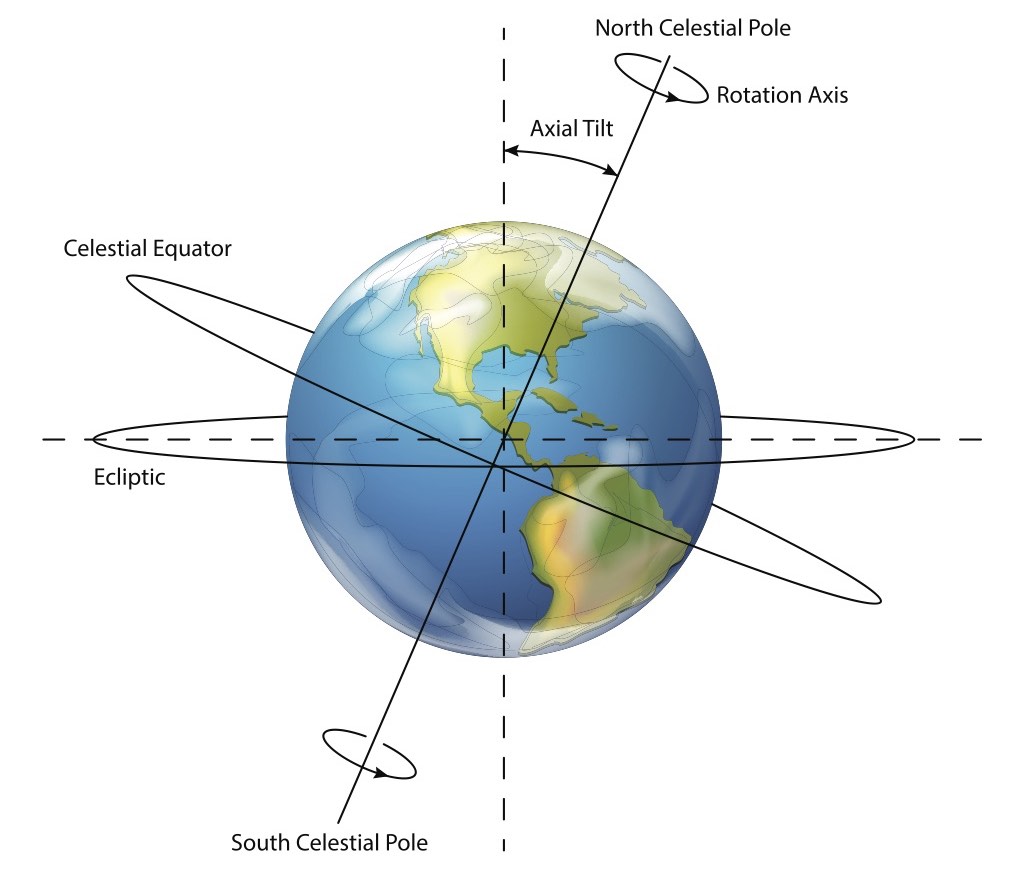
> Daylight Saving Time (DST) is a practice observed by less than 40% of global nations, according to timeanddate.com. For those that do implement DST, the primary aim is to maximize the benefit of extended summer daylight. This shift aligns with the natural lengthening of days as Earth transitions from winter into the spring and summer months, culminating in the longest day of the year on the summer solstice. The phenomenon is a direct result of Earth’s axial tilt, which angles the planet more directly towards the sun during the summer in each hemisphere.
**Option 2 (More concise, highlighting the tilt):**
> Globally, fewer than four in ten countries currently observe Daylight Saving Time, reports timeanddate.com. The adoption of DST by these nations centers on harnessing the abundant natural light of summer evenings. As Earth moves out of winter and into spring and summer, days naturally grow longer, reaching their peak on the summer solstice. This extended daylight is amplified by DST, a consequence of Earth’s revolution around its axis at an angle, causing one hemisphere to tilt more directly into the sun’s rays during its respective summer season.
**Option 3 (Emphasizing the summer solstice connection):**
> While Daylight Saving Time (DST) is not a worldwide standard, with fewer than 40% of countries participating according to timeanddate.com, those that do are capitalizing on the extended summer daylight. The rationale behind DST is rooted in the natural progression of the year, where days lengthen significantly from winter through spring and into summer, marked by the summer solstice – the year’s longest day. This increased illumination is further leveraged by DST, made possible by Earth’s tilted axis, which positions each hemisphere more directly towards the sun during its summer period.
Here are a few options for paraphrasing “Related: Read more about the science of summer,” depending on the desired tone and emphasis:
**Option 1 (Direct and Informative):**
> Delve deeper into the scientific principles behind the season with our related content on the science of summer.
**Option 2 (Engaging and Curiosity-Driven):**
> Curious about what makes summer tick? Explore the fascinating science behind the season in our related articles.
**Option 3 (Action-Oriented and Benefit-Focused):**
> Uncover the scientific secrets of summer. Find more in-depth information on the topic through our related features.
**Option 4 (Concise and Modern):**
> For a deeper dive into the science of summer, see our related reads.
**Option 5 (Slightly More Formal/Academic):**
> Further your understanding of the scientific phenomena characteristic of summer by consulting our related resources.
Choose the option that best fits the overall style and context of your publication.
Here are a few paraphrased options, maintaining a journalistic tone:
**Option 1 (Focus on the impact of latitude):**
> The seasonal shift in daylight, a hallmark of regions far from the equator and nearer the poles, amplifies the effects of Daylight Saving Time. These areas experience the most pronounced benefits from the clock change due to the significant variations in sunlight across the year.
**Option 2 (More direct and action-oriented):**
> Areas situated at higher latitudes, considerably farther from the equator and closer to the Earth’s poles, reap the greatest advantages from the Daylight Saving Time adjustment. This is primarily because these regions witness a more dramatic fluctuation in daylight hours between seasons.
**Option 3 (Concise and emphasizing seasonal change):**
> Daylight Saving Time offers its most significant benefits to regions located farthest from the equator and closest to the poles. This is directly linked to the pronounced seasonal shifts in sunlight experienced at these higher latitudes.
**Option 4 (Slightly more evocative):**
> For communities situated at the farthest reaches from the equator, bordering the poles, the Daylight Saving Time change is particularly impactful. Their greater seasonal swings in sunlight mean they experience the most pronounced benefits from the annual clock adjustment.
Extended daylight hours in the evening could lead to a significant drop in traffic accidents, as fewer vehicles are likely to be on the roads during darker periods. Additionally, the extra daylight may provide a welcome opportunity for full-time workers to engage in more physical activity, whether outdoors or through other forms of exercise.
Daylight saving time, a practice of adjusting clocks forward by an hour during warmer months, has historically been framed as a measure to conserve energy. Its introduction in the United States during World War I, and its subsequent reintroduction during World War II, were both tied to wartime objectives. Even during the 1970s Arab oil embargo, when OPEC nations restricted petroleum sales to the U.S., Congress experimented with year-round daylight saving time as a potential energy-saving strategy.
While proponents suggest extended daylight saving time could curb electricity use by reducing the need for artificial lighting, a closer look at the evidence reveals scant support for significant energy savings. Stanton Hadley, a former senior researcher at Oak Ridge National Laboratory who contributed to a congressional report on the matter, points out that even if brighter evenings do diminish lighting demand, the impact is less pronounced today. As lighting technologies have become far more efficient, their contribution to overall energy consumption has shrunk considerably over the past few decades. Consequently, the larger drivers of energy use, such as heating and cooling, likely hold more sway. In fact, Hadley notes, some regions might even see an increase in energy expenditure due to the prolonged warmer evenings of daylight saving time, necessitating greater air conditioning use.
A congressional report, co-authored by researcher Hadley and his colleagues and published on September 30, 2020, offered a nuanced look at the energy impact of the United States’ 2007 extension of Daylight Saving Time. The findings indicated that the four additional weeks of daylight saving did lead to a modest energy conservation, specifically a reduction of approximately half a percent of daily energy consumption during that particular period.
However, Hadley emphasized that this localized saving might not represent the full picture. He cautioned that the overarching, months-long stretch of Daylight Saving Time could potentially have a contradictory effect, ultimately leading to an increase in overall energy usage.
Evidence has emerged over the years casting doubt on Daylight Saving Time’s ability to reduce energy consumption. For instance, a 1998 study conducted in Indiana observed a slight uptick in residential energy usage in certain counties following the adoption of DST. This trend was mirrored internationally when temporary alterations to Australia’s daylight saving schedule for the 2000 Summer Olympics were later found by a 2007 analysis to have yielded no energy savings whatsoever.
Accurately quantifying daylight saving time’s effect on energy consumption poses a significant challenge, largely due to the infrequent policy changes, Hadley explained to Live Science. This scarcity of alterations complicates the crucial “before-and-after” comparisons essential for sound research.
For instance, the nationwide extension of daylight saving time in 2007 offered only a narrow window of a few weeks for comparative analysis. Similarly, policy adjustments implemented in locations like Indiana and Australia, while providing some data, were geographically confined, thereby limiting their utility for broader, comprehensive studies.
Here are a few options, each maintaining the core meaning while striving for uniqueness and a journalistic tone:
**Option 1 (Concise and Direct):**
“Hadley ultimately contended that energy efficiency likely isn’t the primary driver behind the United States’ continued observance of Daylight Saving Time.”
**Option 2 (Emphasizing the ‘real reason’ aspect):**
“In the final analysis, Hadley suggested, the long-standing energy debate is probably a secondary concern, not the fundamental reason the United States adheres to Daylight Saving Time.”
**Option 3 (Slightly more formal):**
“Ultimately, Hadley posited, the impetus for the United States retaining Daylight Saving Time likely lies beyond the often-cited rationale of energy conservation.”
**Option 4 (More engaging, hints at other motives):**
“The energy question, Hadley concluded, is probably a red herring when it comes to the true reasons the United States persists with Daylight Saving Time.”
Dismissing energy conservation as the primary driver, he contended that the prevailing motivation is, in fact, the widespread public desire to leverage additional daylight during evening hours.
While the majority of the United States and Canada align their Daylight Saving Time (DST) schedules on harmonized dates, several distinct exceptions exist across these regions.
Within the U.S., both Hawaii and Arizona notably do not observe DST. An important nuance applies to Arizona: while the state generally foregoes the time change, the Navajo Nation, situated in its northeastern expanse, actively participates in daylight saving, a detail corroborated by NASA. Across the Atlantic, the United Kingdom also adheres to a daylight saving schedule.
Numerous state legislatures have grappled with the concept of year-round daylight saving time, with at least 450 bills introduced on the matter over the years, as reported by the National Conference of State Legislatures. Simultaneously, a counter-movement has gained traction, as evidenced by at least 19 states proposing legislation in 2022 to permanently adopt standard time and eliminate the biannual clock change altogether. However, any statewide move to permanently alter timekeeping practices would require federal intervention. According to The New York Times, the U.S. Congress would need to amend the Uniform Time Act of 1966 (15 U.S.C. s. 260a) to grant states the authority to make such a change.
Canada largely embraces Daylight Saving Time (DST), with nine of its ten provinces observing the seasonal clock change. However, several regions across the country opt out, maintaining standard time year-round. These areas include specific communities within British Columbia, most of Saskatchewan, portions of northwest Ontario, and eastern Quebec, according to data from timeanddate.com.
Notably, the Yukon Territory took a distinct approach, making Daylight Saving Time permanent in 2020, thereby eliminating the biannual clock adjustments. Within Saskatchewan, the decision to observe DST is highly localized, with only the towns of Creighton and Denare Beach participating in the time shift, as also reported by timeanddate.com.
Looking ahead, a significant shift is on the horizon for British Columbia, which is slated to adopt permanent Daylight Time beginning in 2026, according to reports from the CBC.
Daylight Saving Time (DST) remains a common fixture across the majority of the European continent. However, key exceptions to this practice include Russia, Iceland, and Belarus, as reported by timeanddate.com. Within the United Kingdom, the annual shift to DST is formally known as British Summer Time (BST).
Across numerous European nations, Daylight Saving Time (DST) is implemented under distinct regional designations, though the clock change mechanism remains consistent.
In countries designated as Central European Summer Time (CEST) — a group that includes Austria, France, Germany, Italy, Hungary, Norway, Poland, Spain, and Switzerland — the seasonal shift commences at 2 a.m. local time. At this precise moment, clocks are advanced by one hour, effectively springing forward to 3 a.m.
A similar transition takes place in nations observing Eastern European Summer Time (EEST). This designation applies to Bulgaria, Estonia, Finland, Greece, Latvia, Lithuania, and Romania, where the clock change also occurs at 2 a.m. local time, moving ahead to 3 a.m.
Ireland observes its summer season under Irish Standard Time (IST), a Daylight Saving Time (DST) designation that commences at 1 a.m. local time when clocks are advanced an hour to 2 a.m. This identical hourly shift is also implemented in the Canary Islands, the Faroe Islands, and Portugal, where it is known as Western European Summer Time (WEST).
However, the future of seasonal clock adjustments across the European Union appears uncertain, as the bloc is reportedly considering a proposal to abolish them. This potential change is heavily influenced by a recent poll, which surveyed 4.6 million people and found a resounding 84% in favor of ending the practice, according to a Wall Street Journal report. Should EU lawmakers and member states reach an agreement on the proposal, individual nations within the EU would then gain the autonomy to permanently adopt either summer or winter time, the WSJ further detailed.
In the Southern Hemisphere, nations observing Daylight Saving Time—including Australia, New Zealand, various South American countries, and southern African regions—initiate their seasonal shift by advancing clocks one hour. This forward movement typically occurs anytime between September and November. Conversely, these countries generally reset their clocks to standard time during the March-April timeframe.
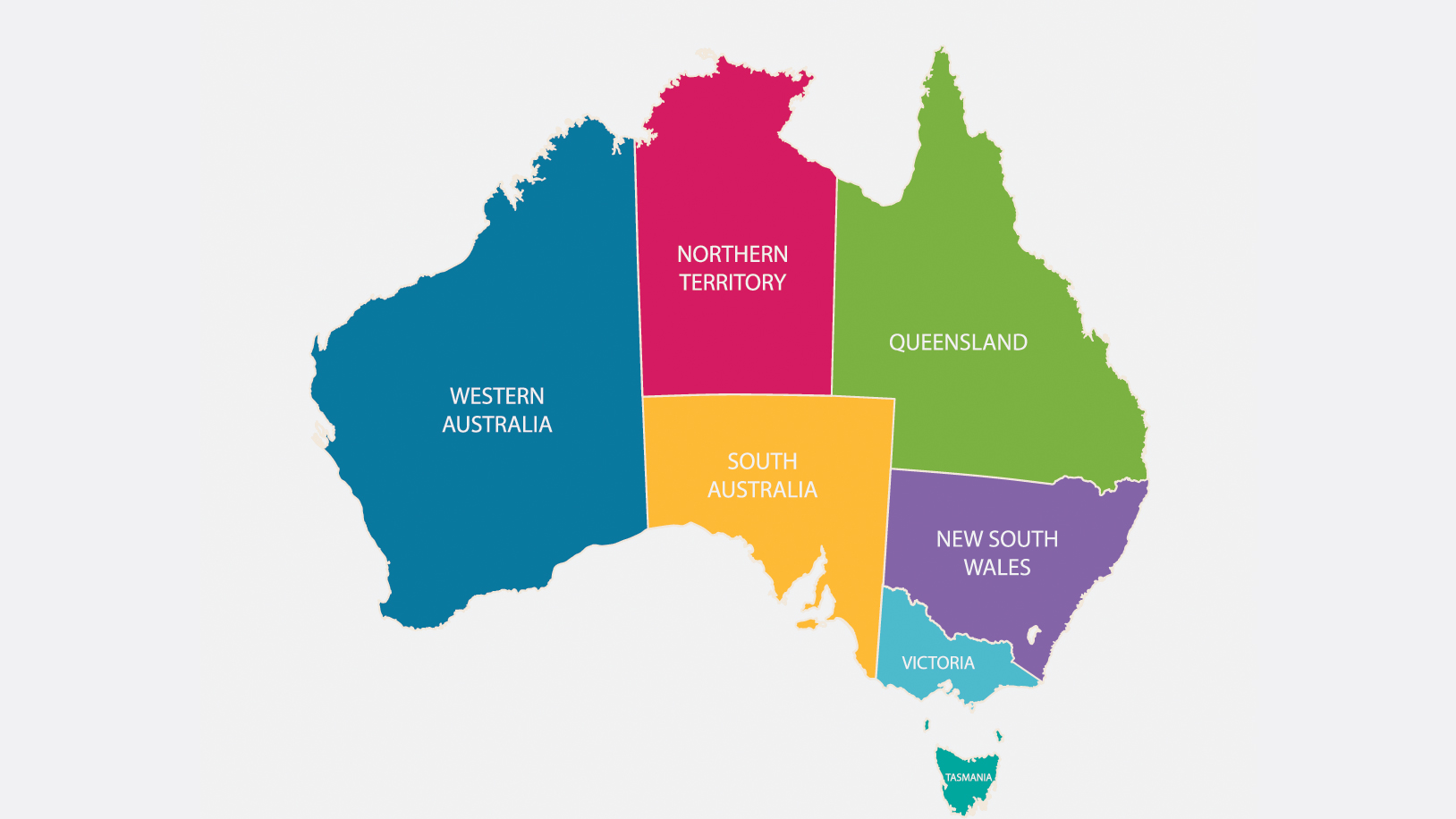
Australia, the world’s sixth-largest country, implements Daylight Saving Time (DST) with a notable regional divergence rather than a uniform national standard. This creates a geographical split, with New South Wales, Victoria, South Australia, Tasmania, and the Australian Capital Territory observing DST.
Conversely, Queensland, the Northern Territory, and Western Australia do not adjust their clocks for daylight saving, a distinction confirmed by the Australian government.
For the regions that do participate, DST typically concludes on the first Sunday in April – for instance, April 5, 2026. It then resumes on Sunday, October 4, 2026.
For educators aiming to illuminate the concept of Daylight Saving Time for young learners, Teacher Planet offers a valuable collection of worksheets and lesson ideas. History enthusiasts seeking a comprehensive understanding can delve into the origins and evolution of this time-altering practice with a compelling one-hour video from The History Channel. Additionally, a fascinating feature from Smithsonian Magazine uncovers a unique period in U.S. history when the nation experimented with year-round Daylight Saving Time.
Here are a few options, maintaining a clear, journalistic tone:
**Option 1 (Concise & Direct):**
> **Editor’s Note:** This article undergoes a biannual update to ensure its accuracy and relevance. It was last revised on March 5, 2026.
**Option 2 (Slightly More Elaborate):**
> **Editorial Update:** To maintain the highest standards of currency and factual integrity, this content is comprehensively reviewed and refreshed twice each year. Its most recent revision was completed on March 5, 2026.
**Option 3 (Focus on the reader):**
> **A Note on This Article:** We are committed to providing timely and accurate information. This article is updated on a biannual schedule, with its latest review and revision conducted on March 5, 2026.