
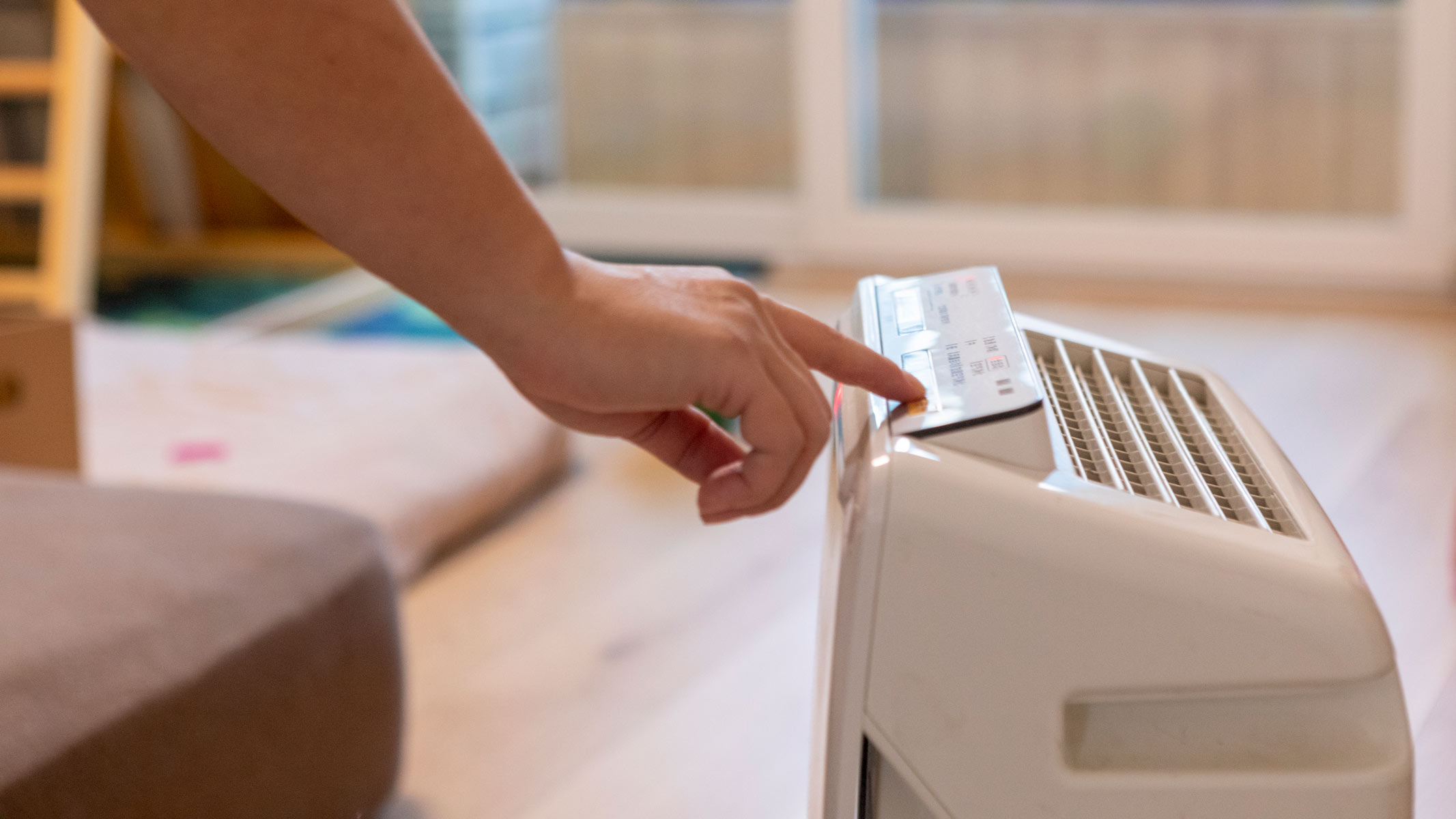
As hay fever season approaches, a high-performing air purifier stands out as an indispensable asset for homeowners. These advanced systems are engineered to meticulously filter indoor environments, effectively capturing and removing troublesome particulates, most notably pollen, that can exacerbate allergy symptoms. Crucially, to ensure these devices operate at peak efficiency, specific user actions and maintenance protocols are essential.
For expert guidance on effectively using air purifiers to combat seasonal allergies, we consulted Melanie Carver, Chief Mission Officer for the Asthma and Allergy Foundation of America (AAFA). Carver outlined critical mistakes to avoid, ensuring users maximize the device’s potential to alleviate hay fever symptoms.

For individuals grappling with hay fever, an air purifier can be a game-changer, significantly reducing the concentration of bothersome airborne allergens, including pervasive pollen, within the home. However, to truly harness their full potential and ensure maximum effectiveness, correct and consistent usage is absolutely critical.
As hay fever season intensifies, a key recommendation for allergy sufferers is to keep windows closed, a measure designed to significantly curtail the infiltration of airborne pollen into residential spaces. While individuals may naturally prefer the feel of fresh air circulating through their homes, a critical operational note for air purifier users is essential: running such a device in direct proximity to an open window will substantially diminish its efficacy. The continuous influx of unfiltered outdoor air can overwhelm the purifier, effectively hindering its ability to cleanse the indoor environment of allergens.
When pollen counts surge, the Asthma and Allergy Foundation of America (AAFA) urges individuals to keep their windows closed. Melanie Carver, the AAFA’s chief mission officer, emphasizes that placing an air purifier near an open window is counterproductive.
Carver explains that this setup causes the device to primarily filter outdoor air, significantly diminishing its effectiveness in cleaning the indoor environment. Furthermore, she highlights that air purifiers are designed with specific capacity limits and should only be operated in appropriately sized rooms to ensure optimal performance.
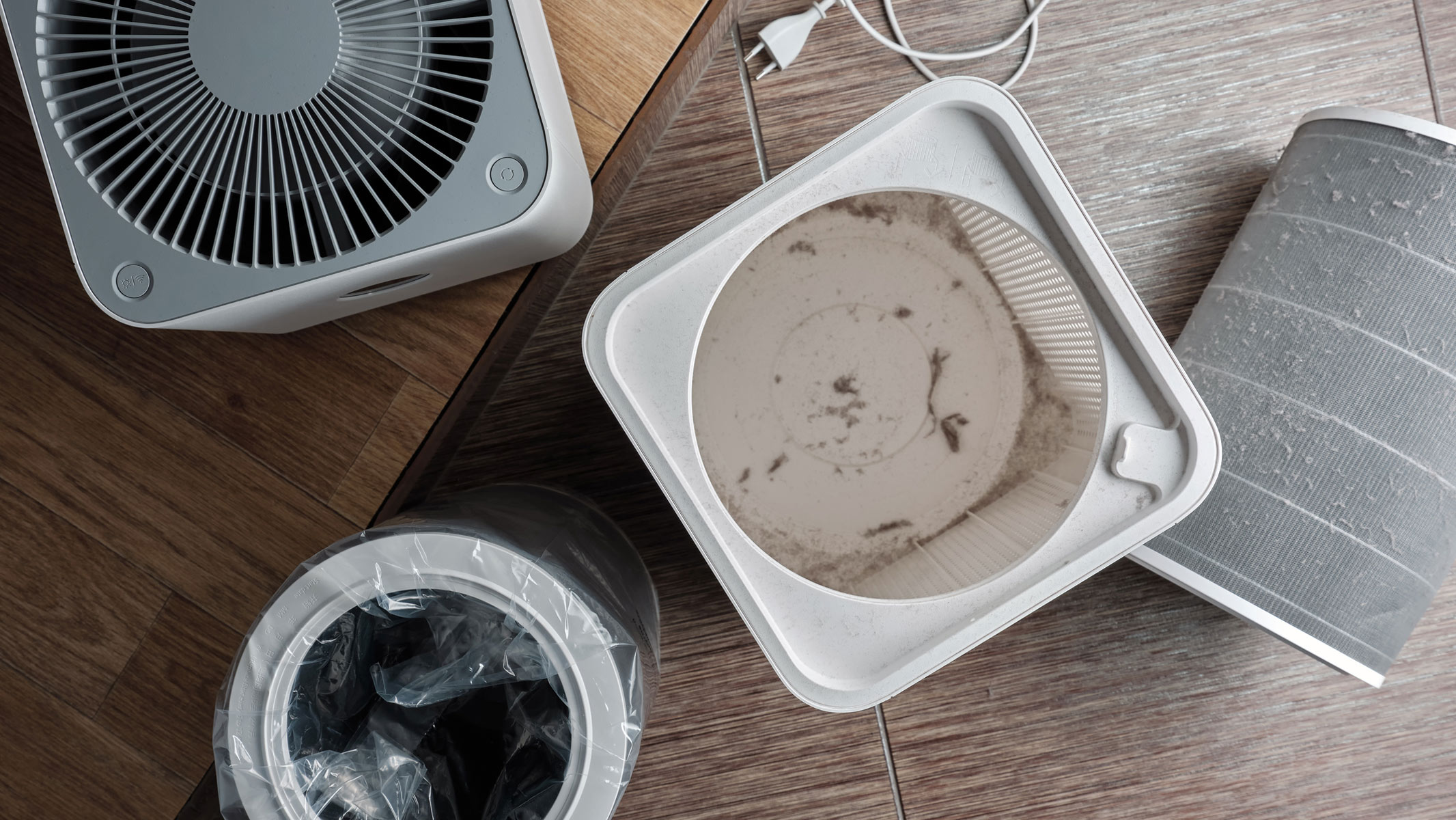
To ensure air purifiers consistently deliver peak performance in combating household allergens, diligent and routine maintenance is absolutely essential. While these devices excel at purifying indoor environments, their sustained effectiveness in removing airborne irritants hinges directly on regular upkeep, a critical component of which is the timely replacement of their filters.
To ensure your air purifier operates at its peak, timely filter replacement is non-negotiable. Every brand and model specifies its own unique filter change schedule, and adhering to these manufacturer guidelines is paramount.
A neglected or worn-out filter significantly compromises the device’s ability to capture airborne allergens circulating in your home. For hay fever sufferers, this diminished effectiveness can have direct and uncomfortable consequences, leading to an unwelcome increase in symptoms such as persistent sneezing, itchy eyes, and coughing that an optimally functioning filter would otherwise mitigate.
Maintaining optimal indoor air quality hinges on diligent air purifier upkeep, a point emphasized by the Asthma and Allergy Foundation of America (AAFA). Melanie Carver advises that consumers adhere strictly to manufacturer guidelines for filter replacement, typically occurring every two to three months for most air purifiers and cleaners. Failing to do so can render a filter significantly less effective, risking the re-release of trapped allergens back into the air, rather than removing them.
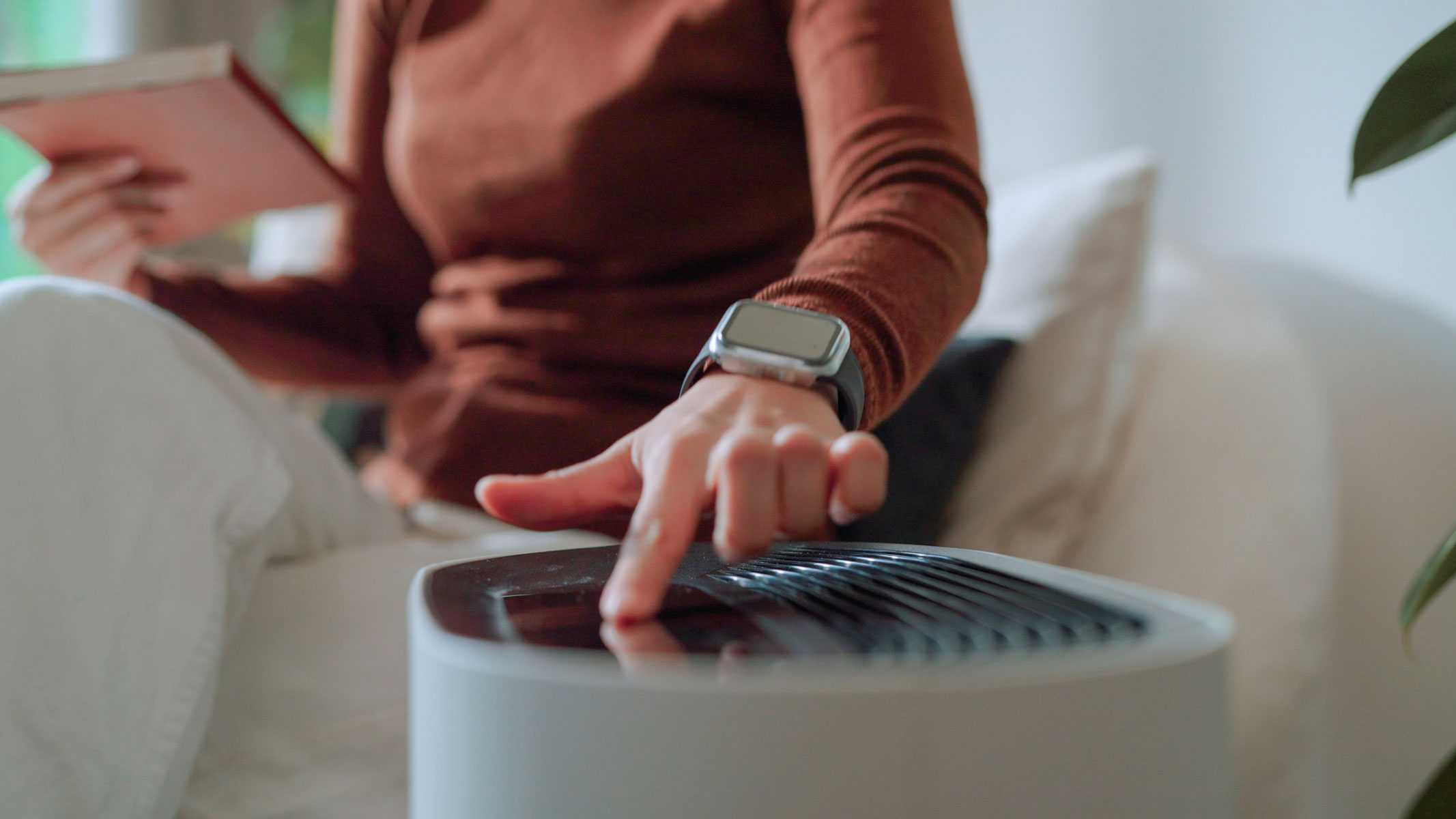
For optimal performance, air purifiers should be operated continuously. This consistent running becomes especially critical during hay fever season, as it enables the device to tirelessly circulate and filter indoor air, thereby ensuring a sustained reduction in airborne pollen particulates within your home.
Intermittent operation, typically for only a few hours daily, significantly compromises the ability to effectively maintain low indoor pollen levels. This challenge is exacerbated by common household scenarios, such as leaving windows and doors ajar, or when pollen is inadvertently carried indoors on clothing or the fur of pets. To achieve consistent and optimal pollen management within the home, continuous operation of these systems is crucial.
To effectively clear indoor air of pollen and other common allergens, experts advise the continuous operation of air purifiers. For those employing portable units, strategic placement is crucial: position the device in the room where the most time is spent, such as a bedroom overnight. However, completely cycling and filtering a room’s air can require several hours, a duration that varies based on the room’s size and the purifier’s rating, according to Melanie Carver of the Asthma and Allergy Foundation of America (AAFA).
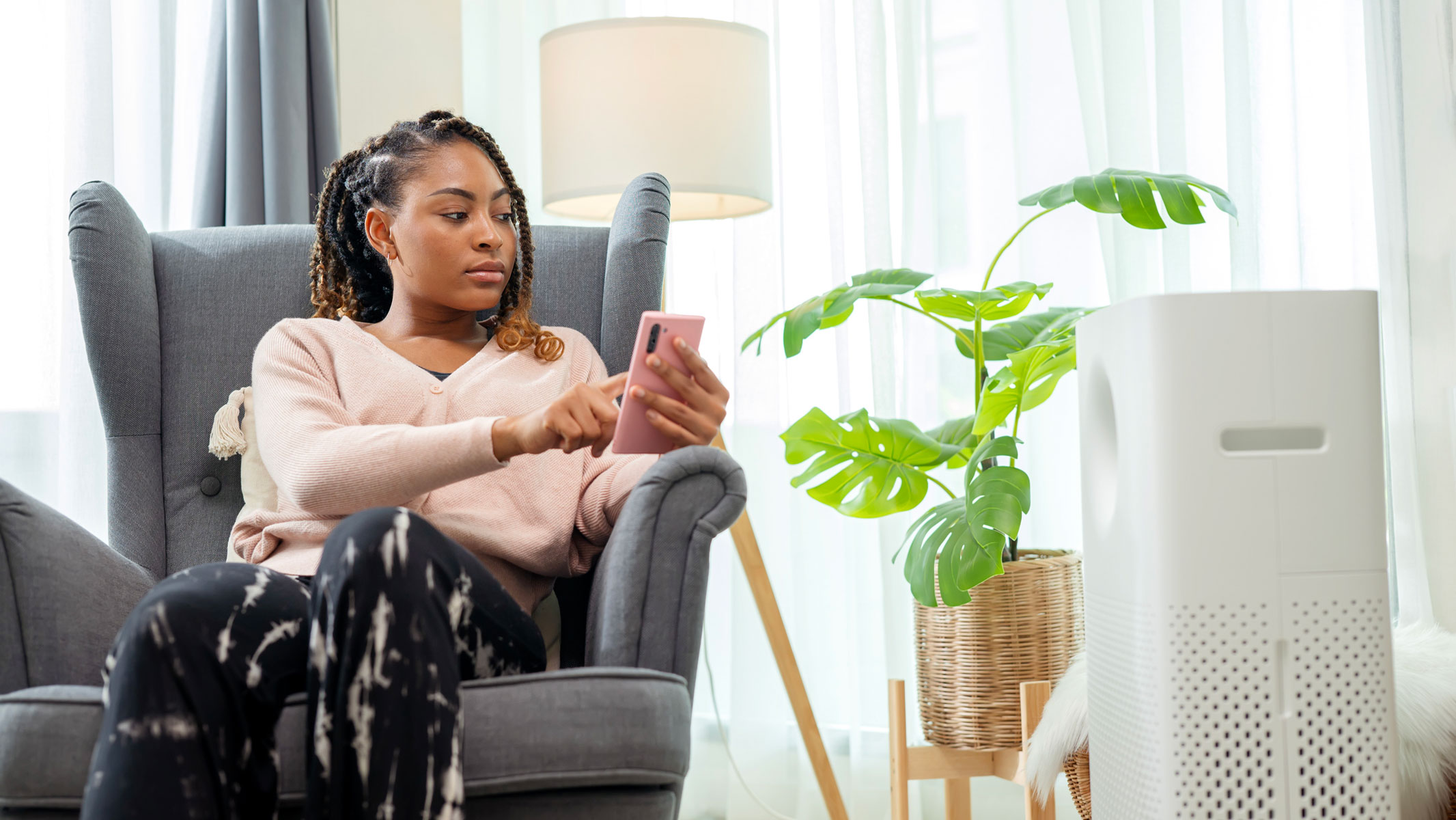
To effectively combat airborne allergens and pollutants, selecting the right air purifier is key. Consider the size of the room you intend to purify, as purifiers are designed for specific coverage areas. Crucially, placement is paramount for optimal performance. Avoid obstructing airflow by positioning the unit away from furniture or tight corners. Instead, opt for an open location where the purifier can freely circulate air, ensuring maximum pollen reduction and a cleaner indoor environment.
To maximize the benefits of an air purifier, Melanie Carver of the AAFA suggests strategically positioning it in the areas where you spend the majority of your day. This includes your bedroom, as a purifier there can significantly cut down on allergen exposure during sleep.
To ensure your air purifier works most effectively, **placement is key**. Avoid positioning it in a way that hinders its ability to draw in and circulate air. Blocking the unit with items like doors, bulky furniture, or directly against a wall will significantly reduce its performance.
Instead, **opt for an open space** where the air can flow freely. Ideally, place your air cleaner **one to three feet away from any potential obstructions**. Elevating it off the floor can also further enhance circulation and improve its overall effectiveness.
To maximize the benefits of an air purifier, understanding its Clean Air Delivery Rate (CADR) is crucial. This rating quantifies how efficiently a device can clear pollutants from a given space. Operating an air purifier in a room exceeding its CADR capacity will diminish its performance. Furthermore, units that have achieved the Asthma & Allergy Friendly® Certification have demonstrated through rigorous scientific evaluation that they effectively reduce allergens. This certification confirms that allergen reduction is achieved through actual removal from the air, not merely by recirculating them.

While air purifiers can be a powerful ally in combating household allergens, their effectiveness hinges on the homeowner’s commitment to maintaining a clean and habitable living environment.
Dust and pollen clinging to household surfaces can significantly undermine the effectiveness of air purifiers, forcing them to work overtime. When dust accumulates, it’s easily disturbed, constantly circulating airborne particles for the purifier to capture. Likewise, pollen that settles on uncleaned surfaces can re-enter the air, creating an ongoing battle for the purifier to reduce allergen levels within the home. In essence, maintaining clean surfaces is crucial for air purifiers to function at their optimal capacity.
Maintaining clean surfaces is a crucial step in minimizing airborne dust and pollen within the home, according to Melanie Carver. She explains that these microscopic particles are easily disturbed and dispersed by everyday activities, including walking, vacuuming, operating fans or air cleaners, and even the cleaning process itself.
For effective allergy management, particularly for common irritants like pollen or dust mites, Carver advocates for a proactive, three-pronged strategy: preventing allergen accumulation, actively capturing existing particles, and systematically removing them from indoor environments. Furthermore, consistent surface cleaning offers a significant benefit for air purification systems. It reduces the workload on air purifiers, enabling them to filter the home’s air more efficiently. This preventative measure also helps avert premature filter clogging, thereby extending the lifespan of both the filters and the purification machine itself.





