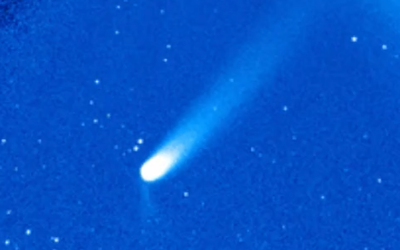
Earth is bracing for an imminent solar bombardment. The first of several coronal mass ejections (CMEs) is expected to make contact within the next 24 hours, heralding a period of potential geomagnetic activity.
These powerful eruptions of solar plasma are anticipated to buffet our planet’s magnetic field, causing it to “ring” with energy like a struck bell. Forecasters predict this interaction will trigger moderate (G2) geomagnetic storm conditions.
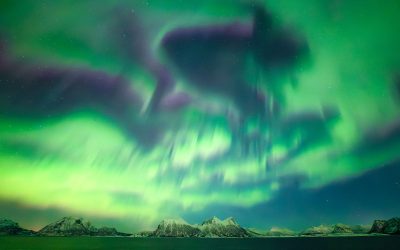
A notable side effect of this solar activity is the heightened visibility of the aurora borealis. The northern lights are expected to be pushed significantly farther south than usual, offering a rare spectacle to regions unaccustomed to their ethereal glow.
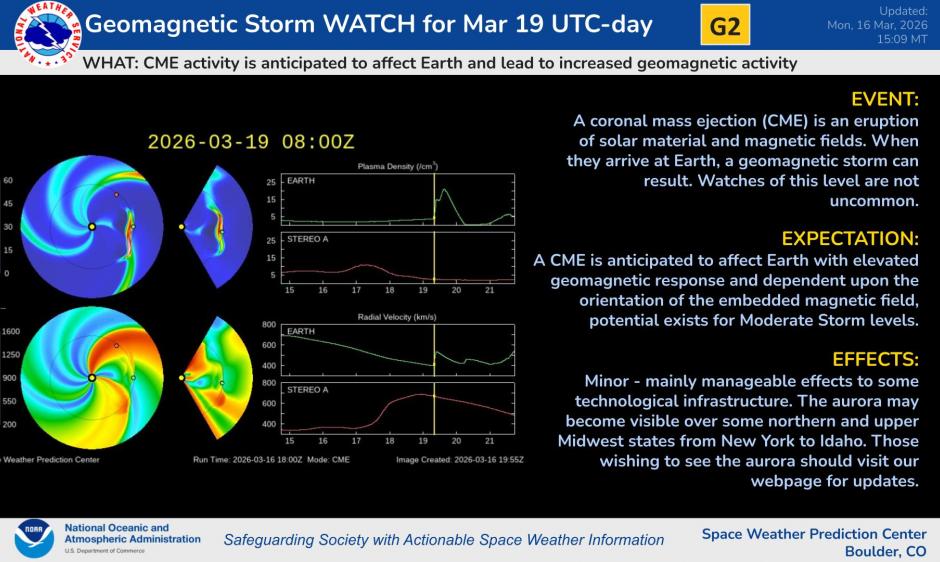
Space weather forecasters at the National Oceanic and Atmospheric Administration (NOAA) have issued a G2 (moderate) geomagnetic storm watch, alerting the public to potential auroral activity.
The watch is in effect for March 19 (Coordinated Universal Time), which corresponds to late March 18 for those in North America. This alert anticipates the arrival of the main bulk of an incoming Coronal Mass Ejection (CME).
For G2 conditions to materialize, the CME’s magnetic field would need to be “geoeffective” – meaning favorably aligned with Earth’s magnetic field. Should this alignment occur, the northern lights could become visible at mid-latitudes, extending their reach beyond typical polar regions.
Furthermore, there is a chance that conditions could intensify to G3 (strong), which would enable the mesmerizing auroral displays to spread even farther south, offering a wider audience a chance to witness the spectacle.
Forecasters anticipate a sustained period of heightened geomagnetic activity, likely extending through March 21. This prolonged intensity is attributed to the expected rapid succession of multiple Coronal Mass Ejections (CMEs) impacting Earth.
For aurora enthusiasts, preparation is paramount. Individuals hoping to witness the celestial spectacle are advised to fully charge camera batteries and activate real-time aurora alerts, as the upcoming evenings hold significant potential for truly captivating displays.
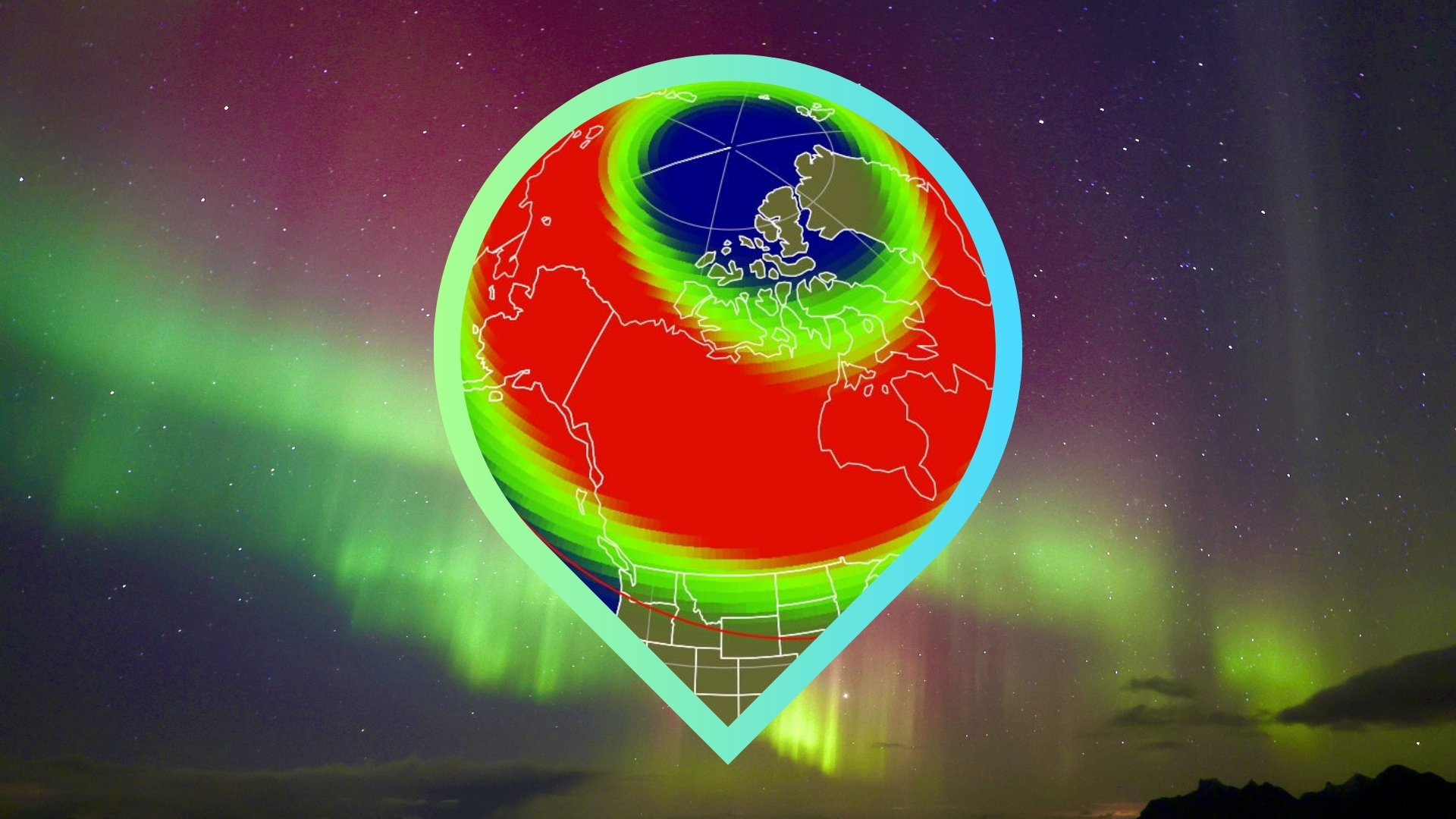
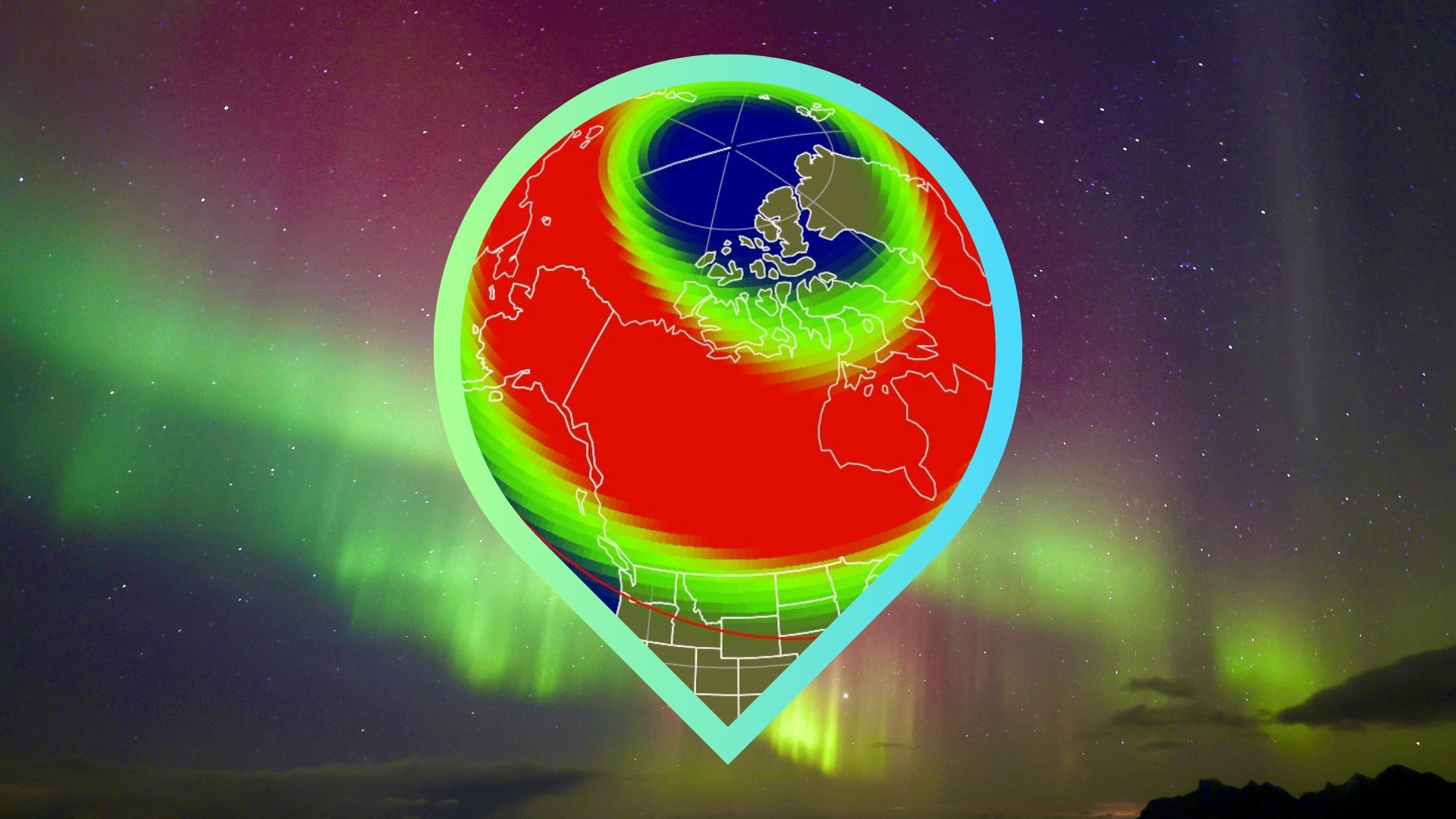
Sixteen U.S. states are poised for potential northern lights viewing, according to the latest aurora forecast map released by the National Oceanic and Atmospheric Administration (NOAA). These regions fall either fully or partially within the projected visibility zone for the aurora borealis.
While current forecasts provide the best available predictions, the celestial display of the aurora borealis remains inherently variable. The dynamic nature of space weather means that if conditions intensify beyond initial projections, the Northern Lights could extend their reach significantly further south than expected.
Conversely, an unrewarded vigil is also a possibility. Whether incoming Coronal Mass Ejections (CMEs) deliver a breathtaking aurora show or lead to disappointment hinges critically on their magnetic orientation as they interact with Earth’s magnetosphere.
For a spectacular display to ignite, the CME’s magnetic field must align southward – a crucial component known as Bz. This southerly polarity allows it to effectively ‘connect’ with Earth’s own magnetic field, funneling solar energy into our atmosphere and fueling the powerful geomagnetic storms that paint the sky with light. However, should the CME’s magnetic field be oriented northward, Earth’s magnetosphere typically repels much of that energy, and the anticipated celestial spectacle may simply fail to materialize.
The complex magnetic architecture within some Coronal Mass Ejections (CMEs) is anything but simple, often exhibiting a dynamic mix of both north and south polarities. This internal unpredictability is precisely why resulting space weather phenomena, especially auroral displays, can become erratic and fluctuating, keeping forecasters and aurora enthusiasts perpetually on high alert.
Crucially, the true magnetic orientation of an incoming CME remains a mystery until it passes directly through the path of dedicated solar wind monitoring satellites. Vital instruments like DSCOVR and ACE, strategically positioned approximately one million miles from Earth, serve as our planet’s early warning system, providing the indispensable data needed to understand and predict their exact impact.
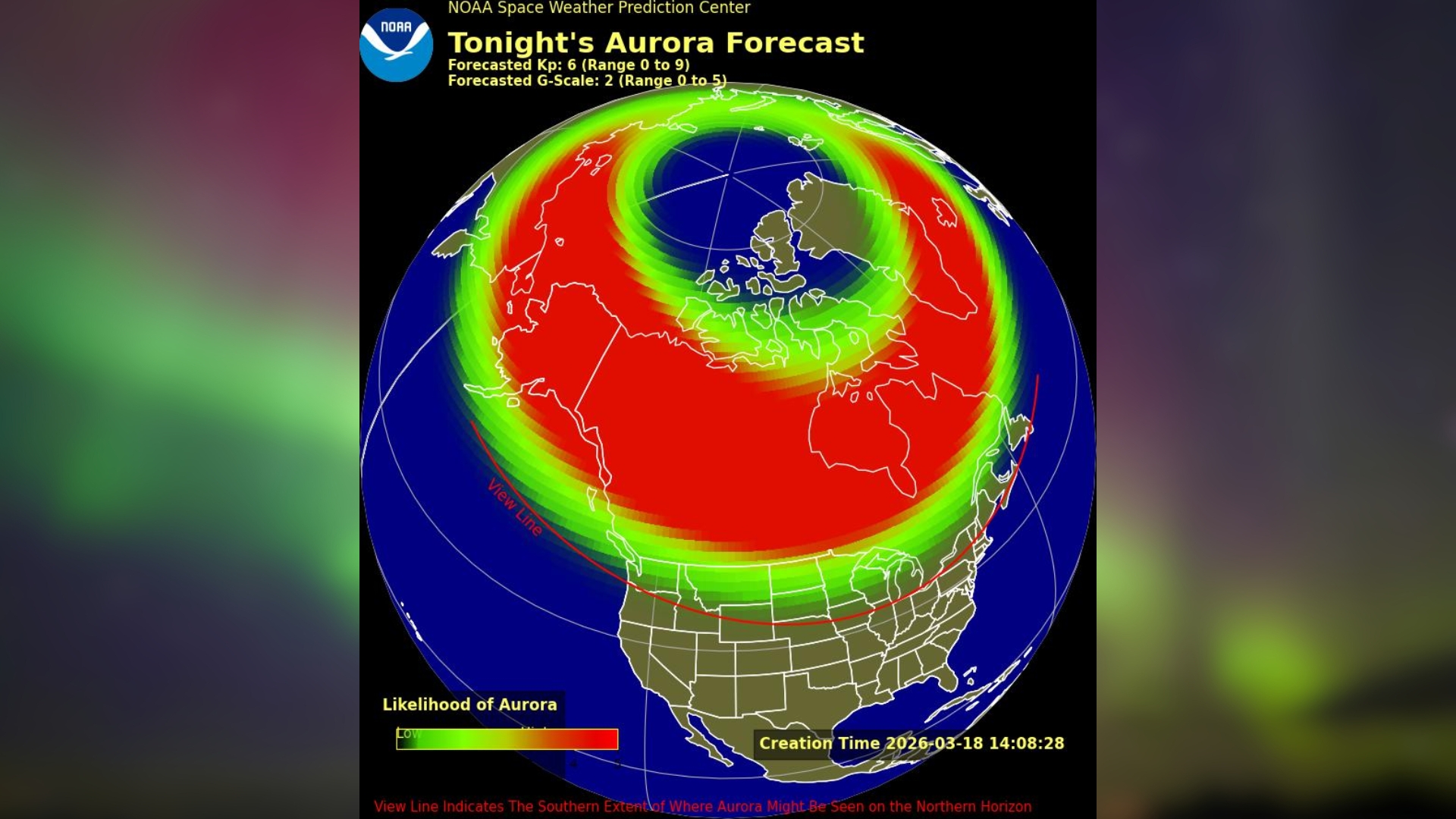
For those under clear skies tonight, an opportunity to witness the Northern Lights presents itself. Keep watch for the aurora borealis as soon as darkness falls, as geomagnetic activity is expected to be at slightly elevated levels, increasing the potential for a display.
However, the most promising viewing window is currently projected for the early morning hours (EDT). Forecasters anticipate moderate (G2) geomagnetic storm conditions during this time, which would significantly enhance the chances of a spectacular light show.
Here are a few options, maintaining a clear, journalistic tone:
**Option 1 (Direct and Punchy):**
“The National Oceanic and Atmospheric Administration (NOAA) has released its three-day forecast, predicting that geomagnetic storm activity will reach its peak intensity during the following periods:”
**Option 2 (Slightly More Formal):**
“According to the National Oceanic and Atmospheric Administration’s (NOAA) latest three-day outlook, optimal geomagnetic storm activity is anticipated during these specified intervals:”
**Option 3 (Emphasizing Prime Times):**
“NOAA’s three-day forecast identifies the prime opportunities for observing geomagnetic storm activity at the following times:”
For residents across 16 U.S. states where tonight’s aurora borealis is a possibility, taking a few preparatory steps could significantly enhance their chances of witnessing the elusive celestial phenomenon.
To significantly enhance your chances of witnessing the breathtaking aurora, securing a specialized space weather application is highly recommended. These apps deliver crucial, location-specific aurora forecasts directly to your device.
A popular and effective option for both iOS and Android users is “My Aurora Forecast & Alerts,” though various similar applications will serve your needs equally well. For those keen to delve deeper into the atmospheric dynamics, the “Space Weather Live” app, also available on iOS and Android, offers comprehensive insights into current space weather conditions and their favorability for aurora sightings.
Ready to immortalize the spectacle? Our expert guide on photographing auroras provides all the tips you need to capture stunning images.
Space.com invites its readers to contribute their captivating photographs of the northern or southern lights. If you’ve had the chance to capture these stunning celestial displays, we encourage you to share your unique perspective with our global audience.
Please send your high-resolution images, accompanied by your full name, geographic location, and any relevant observations or comments, to spacephotos@space.com.