

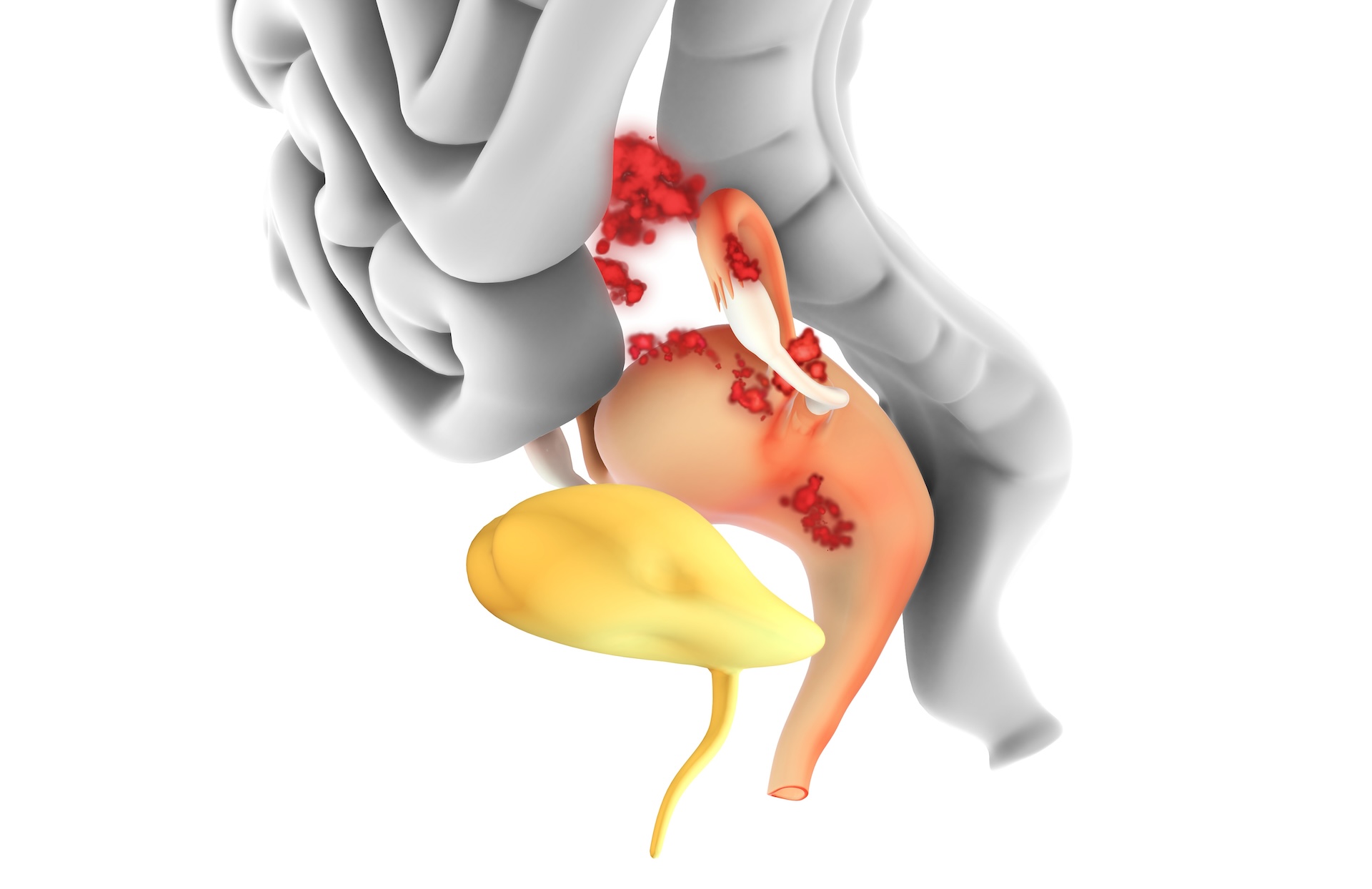
Endometriosis is a profoundly painful and often debilitating chronic condition that impacts an estimated one in ten women globally. It is characterized by the growth of tissue similar to the endometrium, the lining of the uterus, outside its normal location, typically forming what are known as lesions within the pelvic cavity.
Effectively managing endometriosis represents a significant medical challenge. Current therapeutic strategies largely converge on two principal methods: either medically inhibiting the proliferation of these abnormal tissue growths or surgically excising them. Despite these interventions, a persistent hurdle remains: even following surgical removal, patients frequently report a continuation of their debilitating symptoms.
Endometriosis, long characterized primarily as a gynecological condition, is now understood to be far more intricate. Mounting scientific evidence challenges this limited perspective, revealing a systemic disease that extends well beyond the reproductive organs. A growing body of research increasingly suggests that endometriosis significantly influences immune function throughout the entire body.
A more comprehensive understanding of this condition, re-evaluating it as a systemic, immune-driven disease, could fundamentally alter our approach. This crucial insight would clarify why its symptoms manifest across the entire body, extending far beyond the commonly recognized pelvic pain. Furthermore, such a perspective would illuminate the persistent challenges in treatment development and explain why current therapies frequently offer only limited relief for those affected.
Inflammation, recognized as the body’s intrinsic defense mechanism against injury or illness, is a fundamental component of the immune system’s intricate operations. Beyond its role in combating threats, this vital biological process also holds a pivotal position within the complex physiological dynamics of the menstrual cycle.
While acute inflammation is a vital defense, its prolonged or unchecked presence can become highly problematic. This destructive potential is starkly illustrated in autoimmune diseases such as rheumatoid arthritis, where the immune system erroneously targets the body’s own tissues, unleashing an unwarranted attack without any real external threat.
Chronic inflammation has long been recognized as a central player in the pathology of endometriosis. However, recent research indicates that the impact of this uncontrolled immune response may be significantly more pervasive than previously understood.
According to new findings, this immune activity appears to extend beyond localized areas, infiltrating the bloodstream and various other bodily systems. This broader systemic involvement could provide a crucial explanation for the far-reaching and diverse whole-body symptoms experienced by individuals with endometriosis.
Here are a few options for paraphrasing the provided text, each with a slightly different emphasis:
**Option 1 (Focus on Dysfunction):**
> Research indicates a dual issue within the immune system of individuals with endometriosis. Their immune cells seem to struggle with effectively clearing endometrial lesions, while simultaneously, elevated levels of key inflammatory proteins, specifically cytokines like IL-6 and IL-1β, are detected in their bloodstream. These cytokines act as signaling molecules, actively contributing to inflammation within the body.
**Option 2 (More Direct and Concise):**
> In individuals diagnosed with endometriosis, a compromised immune response is evident. Immune cells demonstrate a reduced capacity to eliminate endometrial tissue buildup. Concurrently, a significant increase in inflammatory proteins, such as the cytokines IL-6 and IL-1β, is observed in their blood. These cytokines are known to be released by cells to instigate and sustain inflammatory processes.
**Option 3 (Emphasizing the Paradox):**
> A peculiar immune paradox is observed in people with endometriosis. While their immune cells appear less effective at clearing endometrial lesions, their blood exhibits higher concentrations of inflammatory proteins, including cytokines like IL-6 and IL-1β. These messenger proteins are critical for initiating and amplifying inflammatory responses throughout the body.
**Option 4 (Slightly More Explanatory):**
> For individuals with endometriosis, the immune system presents a complex challenge. Studies suggest that immune cells in these patients are less efficient at clearing abnormal growths of endometrial tissue. This impairment occurs alongside a notable rise in circulating immune proteins, specifically cytokines such as IL-6 and IL-1β. These cytokines function as cellular messengers that are fundamental in promoting and perpetuating inflammation.
These paraphrased versions aim to be unique by rearranging sentence structure, using synonyms, and shifting the focus slightly while preserving the essential information about immune cell function, cytokine levels, and their role in inflammation in endometriosis.
Here are a few ways to paraphrase the text, each with a slightly different emphasis:
**Option 1 (Focus on consequence):**
> The presence of these compromised cells allows abnormal growths, or lesions, to not only form but to also endure. This widespread immune imbalance further triggers a cascade of effects throughout the body, leading to the diverse array of symptoms experienced by individuals.
**Option 2 (More active voice):**
> Dysfunctional cells work in tandem, enabling lesions to develop and resist elimination. This breakdown in immune control also reverberates throughout the body, fueling the multitude of symptoms experienced by those affected.
**Option 3 (Concise and direct):**
> When these cells malfunction, they create an environment where lesions can flourish and persist. This immune dysregulation has far-reaching consequences, contributing to the broad spectrum of symptoms reported by patients.
**Option 4 (Slightly more explanatory):**
> The collective action of these abnormal cells facilitates the emergence and persistence of lesions. Moreover, this disruption in the immune system’s regulation extends its influence throughout the body, accounting for the varied symptoms that individuals endure.
Each option maintains the core message that malfunctioning cells enable lesion growth and that immune dysregulation leads to widespread symptoms, while using different wording and sentence structures to achieve originality.
Here are a few paraphrased options, maintaining a journalistic tone:
**Option 1 (Focus on overlooked symptoms):**
> Beyond the commonly recognized pelvic pain, individuals with endometriosis frequently grapple with a constellation of debilitating symptoms. This includes profound fatigue, cognitive challenges often described as “brain fog,” and pervasive body aches. Crucially, these significant impairments, which can be as disruptive as the primary pelvic discomfort, are seldom given prominence in existing clinical guidelines.
**Option 2 (More direct and impactful):**
> Endometriosis often inflicts more than just pelvic pain; many patients endure profound fatigue, experience “brain fog” and other cognitive impairments, and suffer from widespread pain throughout their bodies. These pervasive and debilitating symptoms, which can profoundly impact daily life, are frequently sidelined in clinical recommendations, despite being as impactful as the pelvic pain itself.
**Option 3 (Slightly more empathetic):**
> For those living with endometriosis, the impact extends far beyond pelvic discomfort. Many report experiencing severe fatigue, a perplexing “brain fog” affecting their thinking, and persistent pain across their bodies. These deeply disruptive symptoms, which can be as challenging to manage as the core pelvic pain, are unfortunately underrepresented in current clinical guidance.
**Key changes made in these paraphrases:**
* **Varied vocabulary:** “Debilitating fatigue” becomes “profound fatigue” or “severe fatigue.” “Cognitive difficulties” becomes “cognitive challenges” or “cognitive impairments.” “Widespread pain” becomes “pervasive body aches” or “persistent pain across their bodies.”
* **Sentence structure variation:** Sentences are reordered and combined differently to create a more fluid and engaging flow.
* **Emphasis shifts:** The importance of these overlooked symptoms is highlighted using phrases like “crucially,” “profoundly impact,” and “deeply disruptive.”
* **Active voice where appropriate:** While maintaining a factual tone, some phrasing is made more direct.
* **Clearer connections:** The link between these symptoms and their disruption is explicitly stated.
Here are a few options for paraphrasing the provided text, each with a slightly different emphasis, while maintaining a journalistic tone:
**Option 1 (Focus on the direct link):**
> Researchers suggest that systemic inflammation may be the underlying cause of these reported symptoms. Specifically, elevated levels of circulating cytokines, like IL-6, have been shown to impact cognitive function and the body’s energy management. This connection has been observed in individuals with autoimmune and chronic pain conditions, where higher cytokine concentrations are associated with difficulties in concentration, sleep disturbances, and persistent fatigue.
**Option 2 (More active and explanatory):**
> The symptoms experienced can be strongly attributed to systemic inflammation. Key players in this inflammatory response, known as cytokines, are understood to affect brain activity and how the body regulates energy. Studies have identified a correlation between increased cytokine levels, including Interleukin-6 (IL-6), and impaired concentration, disrupted sleep patterns, and general fatigue, particularly in those managing autoimmune diseases and chronic pain.
**Option 3 (Concise and direct):**
> Systemic inflammation presents a persuasive explanation for these symptoms, with circulating cytokines playing a significant role. These signaling molecules, such as IL-6, are known to modulate brain function and energy regulation. Indeed, higher cytokine levels have been associated with diminished concentration, troubled sleep, and fatigue in certain autoimmune and chronic pain disorders.
**Option 4 (Emphasizing the influence):**
> The symptoms are likely driven by systemic inflammation, which involves the release of circulating cytokines. These molecules, including IL-6, are recognized for their influence on brain function and energy regulation. In some autoimmune and chronic pain disorders, elevated cytokine levels have been linked to noticeable declines in concentration, disrupted sleep, and pervasive fatigue.
**Key changes made across these options include:**
* **Synonyms:** “compelling explanation” replaced with “underlying cause,” “strongly attributed to,” “persuasive explanation,” “likely driven by.”
* **Sentence Structure:** Varied sentence beginnings and lengths to improve flow and engagement.
* **Active Voice:** Where appropriate, sentences were rephrased to be more active.
* **Clarity:** Explicitly mentioning “brain activity” and “body’s energy management” for better understanding.
* **Conciseness:** Removing redundancy where possible.
* **Journalistic Tone:** Using phrases like “Researchers suggest,” “Studies have identified,” and maintaining an objective and informative style.
The underlying biological mechanisms at play in endometriosis may mirror those seen in other conditions, hinting that seemingly intangible symptoms could be direct results of persistent inflammation, rather than mere byproducts of pain.
New findings suggest a potential link between endometriosis and autoimmune conditions, possibly due to a compromised immune system.
A significant study published in 2025, involving a comprehensive analysis of 330,000 individuals diagnosed with endometriosis and a control group of 1.2 million people without the condition, has revealed a compelling link between endometriosis and autoimmune disorders. The findings indicate that women with endometriosis were approximately twice as likely to receive a diagnosis for an autoimmune condition, including rheumatoid arthritis, lupus, multiple sclerosis, or Hashimoto’s disease, within a two-year period following their endometriosis diagnosis, when contrasted with the control group.
While not classifying endometriosis as an autoimmune disease, research indicates a significant overlap in underlying biological processes. These shared mechanisms include persistent inflammation, erratic immune cell behavior, and a compromised ability of the immune system to distinguish between the body’s own cells and foreign invaders.
Endometriosis, with its interconnected symptoms, increasingly points towards a broader classification as a systemic immune disorder.
Adopting this perspective on endometriosis has the potential to revolutionize its diagnosis, treatment, and overall comprehension. Furthermore, it could significantly advance our pursuit of a definitive solution for the condition.
While current medical interventions primarily address the reproductive system, a growing body of research suggests endometriosis may involve widespread immune system dysfunction. This emerging understanding highlights the significant potential for therapies that specifically target and modulate immune pathways to deliver more profound and lasting relief for patients.
Approaching endometriosis as a systemic condition can profoundly empower patients. This crucial re-evaluation provides validation, confirming that a diverse array of symptoms—such as persistent fatigue, joint pain, cognitive difficulties, and increased immune sensitivity—are not isolated or imagined issues. Rather, these widespread manifestations are understood as integral components of the condition’s complex, broader biology.
Here are a few options, maintaining a clear, journalistic tone:
**Option 1 (Focus on Empowerment):**
“This fresh perspective is poised to empower patients, giving them a stronger voice to advocate for themselves in medical environments where systemic symptoms are routinely overlooked or deprioritized.”
**Option 2 (Focus on Critical Role):**
“Adopting this understanding can be a critical step for patients to effectively advocate for their care within healthcare systems, particularly given the frequent dismissal or de-prioritization of widespread, systemic symptoms.”
**Option 3 (Focus on Bolstering Self-Advocacy):**
“Such an approach holds the potential to significantly bolster patients’ ability to advocate for their own health in clinical settings, a necessity when complex, systemic symptoms are too often dismissed or given insufficient attention.”
**Option 4 (Concise and Direct):**
“This insight could equip patients to assert their needs more effectively in healthcare environments, a crucial skill where systemic symptoms frequently go unaddressed or are downplayed.”
Adopting a systemic perspective significantly expands the options available to patients, encouraging the exploration of complementary management strategies. While these approaches are not a definitive cure, their primary objective is to alleviate inflammation and cultivate an enhanced sense of overall well-being. Many individuals have reported finding considerable benefit in practices such as mindful movement, various stress regulation techniques, and targeted heat-cold contrast therapy for effectively moderating pain and inflammatory flare-ups.
Mounting research is fundamentally shifting our understanding of endometriosis. It’s now recognized not merely as a reproductive condition or ‘bad period,’ but as a complex, multi-system inflammatory disorder with far-reaching health ramifications throughout the entire body.
Recognizing endometriosis as a systemic immune disease marks a pivotal advancement, essential for developing more targeted treatments, establishing comprehensive support systems, and ultimately achieving superior health outcomes for patients worldwide.
Here are a few options, each maintaining the core meaning with a unique, journalistic flair:
**Option 1 (Direct & Clear):**
“This article, an edited republication, originates from The Conversation and is shared under a Creative Commons license. For the complete original version, please refer to [link].”
**Option 2 (Emphasizing Origin):**
“Originally published by The Conversation, this piece has been republished here in an edited format under a Creative Commons license. The full, unedited article can be accessed via [link].”
**Option 3 (Concise & Professional):**
“An adapted and edited version of this article appears here, courtesy of The Conversation’s Creative Commons license. View the original publication in its entirety at [link].”
**Option 4 (Slightly More Formal):**
“Presented here is an edited rendition of an article first published by The Conversation, available for republication under a Creative Commons license. To read the complete original text, visit [link].”