
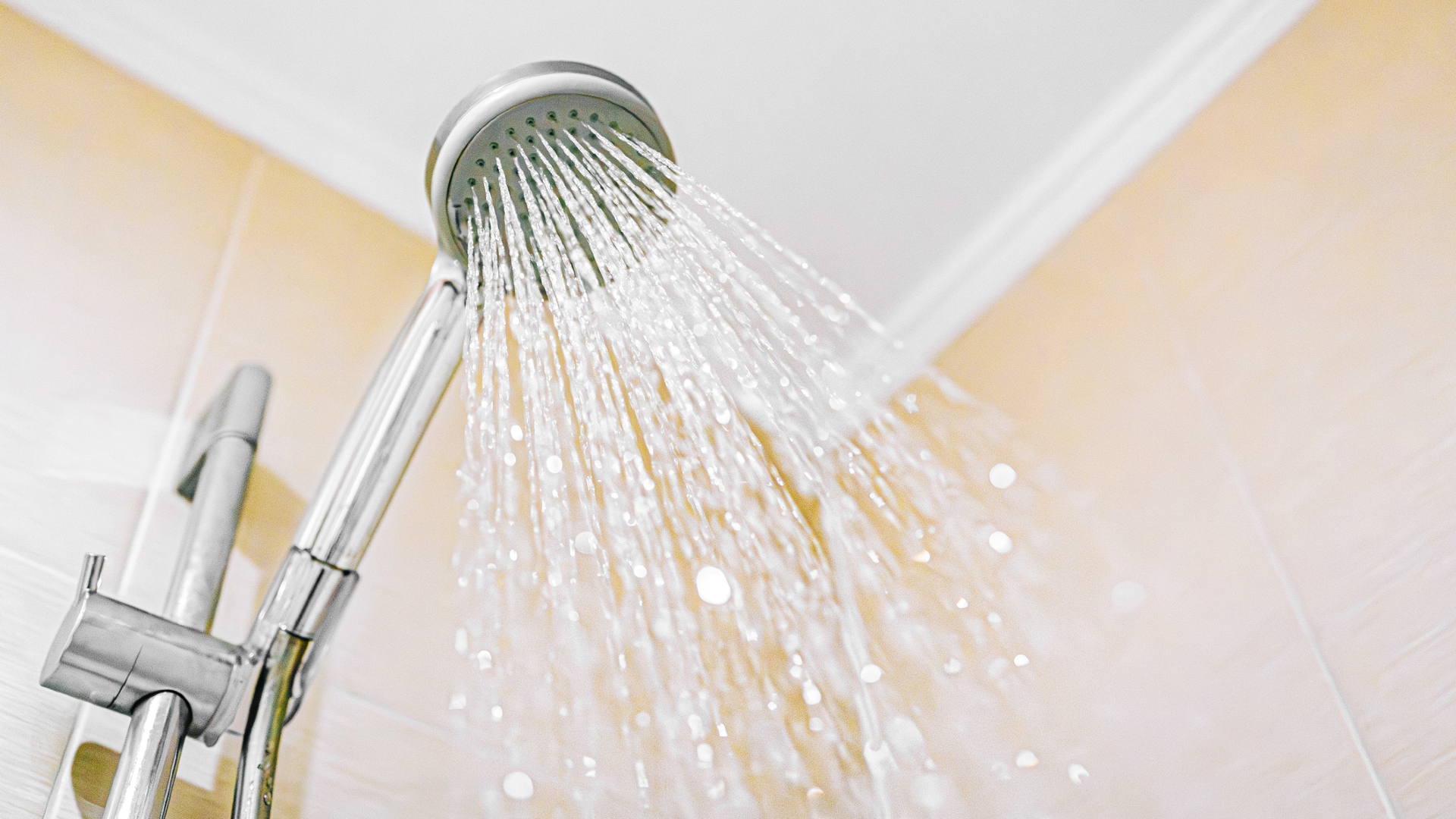
The individual receiving medical care is a Canadian teenager.
A teenager presented at a clinic seeking treatment for persistent flare-ups of hives, a condition uniquely provoked by her skin’s contact with water. During her consultation, the tell-tale rash was actively present: inflamed, raised welts clearly visible and surrounded by distinct patches of reddened skin, each measuring approximately 1 to 3 centimeters (0.4 to 1.2 inches) in diameter.
Further inquiry into the patient’s medical history revealed that her first outbreak of hives in response to water appeared approximately two years prior. This initial episode, she told physicians, occurred shortly after she began menstruating. Subsequently, any exposure of her skin to water—regardless of its temperature or source—consistently triggered the emergence of welts.
The patient consistently reported a rapid onset of dermal reactions, manifesting as hives and redness, typically within 20 minutes following any form of water exposure. This included common activities such as bathing, showering, swimming in both chlorinated pools and the ocean, and even direct contact with rainwater. Significantly, these symptoms would then spontaneously clear within approximately 30 to 60 minutes, requiring no medical treatment. She further clarified to medical personnel that her condition was distinctly not triggered by exposure to bodily fluids like sweat or tears.
Those distinctive, often intensely itchy welts known medically as urticaria, or more commonly as hives, predominantly signal an allergic reaction within the body. This response is typically triggered by exposure to a specific allergen, whether encountered through touch or ingested as part of food or drink.
Upon the allergen’s entry into the system, specialized immune cells are activated, rapidly releasing a potent chemical called histamine. It is this histamine that then initiates a swift and robust immune response, frequently manifesting as the characteristic red, raised, and irritating patches on the skin.
**Medical investigations revealed no familial predisposition to unexplained hives, nor did the patient exhibit any concurrent symptoms often associated with allergic reactions, such as dizziness, wheezing, or shortness of breath, according to her doctors’ report. Complementary laboratory analyses of the patient’s blood and urine further confirmed that all vital physiological functions were well within normal ranges.**
Despite a known allergy to dust, rabbits, and cats, the individual’s recurring hives following contact with water were not attributed to these established triggers.
**Allergy Suspected: Patient Undergoes Provocation Testing After Antihistamine Trial**
Following an initial week-long course of antihistamines, medical professionals conducted a provocation test to identify a suspected allergen in a patient. The procedure involved applying a cloth soaked in room-temperature water to the patient’s abdomen. Within 20 minutes of exposure, visible welts appeared on the skin, suggesting a reaction to the substance used in the test.
**Physicians have identified a rare condition known as aquagenic urticaria as the cause of the patient’s symptoms, a diagnosis supported by the recent test results and her medical history.**
**Alternative treatments explored for the teen’s persistent hives, with one prior approach showing partial success.**
Prior to the current treatment, the girl’s mother had attempted to manage her daughter’s hives using montelukast. This medication, typically prescribed for asthma to alleviate symptoms like airway swelling and inflammation, provided a moderate improvement in the teen’s condition. However, it did not fully eradicate the hives.
In a notable case, medical professionals opted for a daily regimen of the antihistamine cetirizine to address a patient’s recurring hives. This medication is specifically designed to combat the underlying causes of hives and a spectrum of other allergic reactions, including sneezing and discomfort in the eyes, nose, and throat. Subsequent follow-up eight months later revealed a significant improvement: the patient indicated that her symptoms only reappeared if she neglected to take her prescribed antihistamine dose.
**Allergy Sufferer Reports Full Recovery and Unimpeded Daily Life**
A patient once significantly impacted by a severe allergy has experienced a remarkable turnaround, reporting a complete return to normal daily activities without limitations. At her 14-month follow-up appointment, she stated that her quality of life has been restored, provided she consistently takes her prescribed cetirizine. This positive outcome signifies a substantial improvement in her condition and a significant enhancement to her overall well-being.
Here are a few options for paraphrasing the provided text, each with a slightly different emphasis while maintaining a professional, journalistic tone:
**Option 1 (Focus on Rarity and Mystery):**
> Aquagenic urticaria is an exceptionally rare condition, with medical literature detailing fewer than 100 documented instances worldwide. The precise trigger for this unusual ailment remains elusive, though it typically emerges around the onset of puberty and appears to disproportionately affect women over men.
**Option 2 (More Concise and Direct):**
> With only about 100 documented cases, aquagenic urticaria stands out for its extreme rarity. Its underlying cause is currently unknown, but the condition commonly surfaces at puberty and is observed more frequently in women than in men.
**Option 3 (Emphasizing Key Characteristics):**
> The rarity of aquagenic urticaria is a defining characteristic, as researchers have only recorded approximately 100 cases to date. While the exact reason for its development is still a mystery, the condition often begins with the onset of puberty and is believed to be more prevalent among women.
**Option 4 (Slightly More Descriptive):**
> A hallmark of aquagenic urticaria is its extraordinary scarcity, with fewer than one hundred cases having been identified by researchers so far. The origins of this condition are not fully understood, although it typically manifests with the onset of puberty and seems to impact women at a higher rate than men.
These options aim to:
* **Be Unique:** They use different sentence structures and vocabulary.
* **Be Engaging:** Phrases like “exceptionally rare,” “unusual ailment,” and “hallmark of” can pique reader interest.
* **Be Original:** They rephrase the original sentences without copying them directly.
* **Maintain Core Meaning:** All essential facts (rarity, unknown cause, onset with puberty, sex predilection) are preserved.
* **Use a Journalistic Tone:** The language is objective, clear, and informative.
Diagnosing this particular allergic reaction is a complex undertaking. Identifying water as the culprit behind the hives proves challenging because the symptoms can be easily mistaken for reactions triggered by other common factors, such as physical pressure, extreme heat or cold, and strenuous activity, not to mention a host of other potential allergens.
By thoroughly reviewing the patient’s extensive medical background and analyzing the outcomes of a specific provocation test, medical professionals were able to definitively identify the root of her atypical ailment.
Explore fascinating medical mysteries and challenging diagnoses within our “Diagnostic Dilemma” archives.