
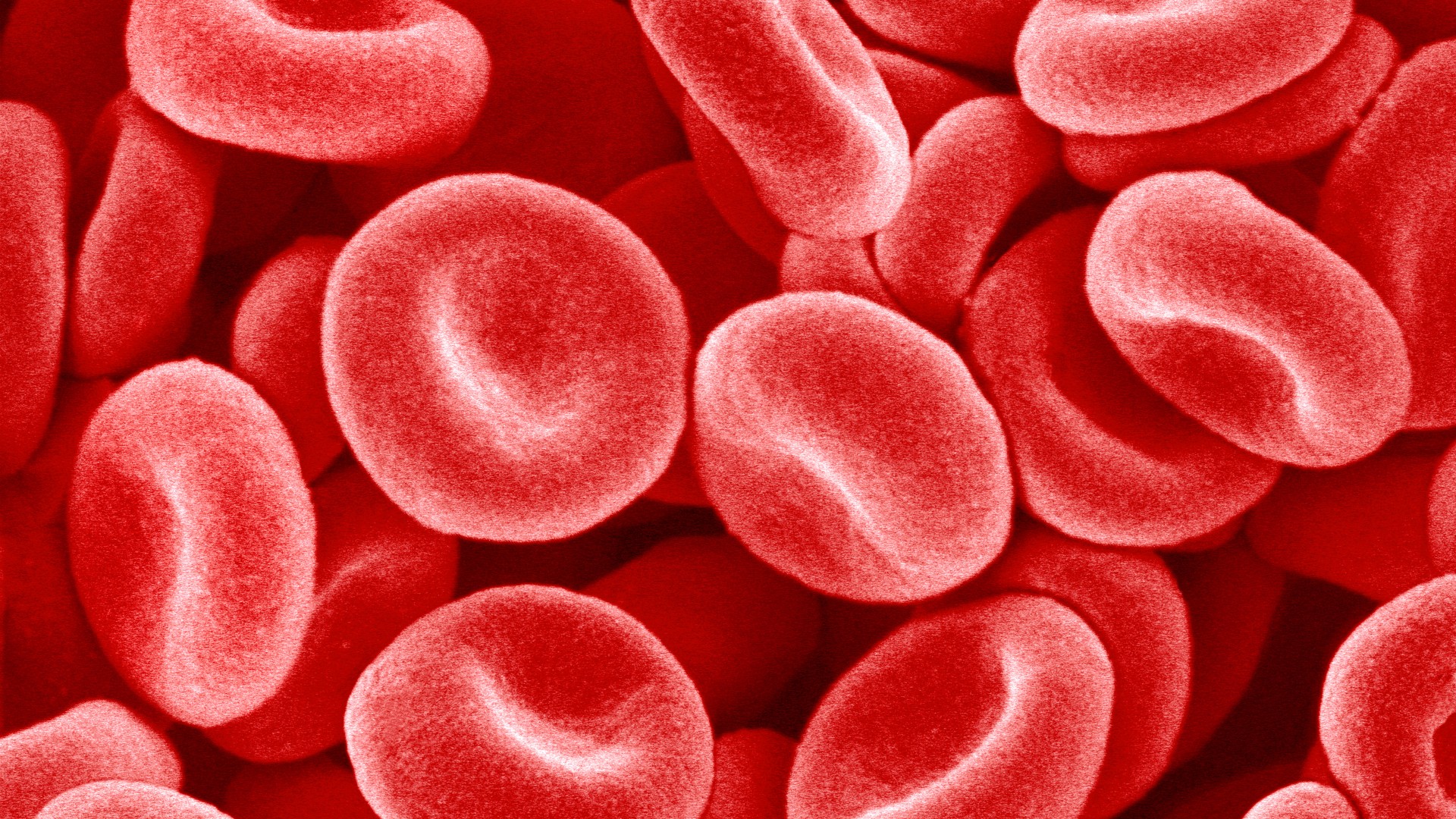
The long-puzzling phenomenon of lower diabetes rates in high-altitude regions may finally have an answer. A groundbreaking new study in mice unveils a compelling potential explanation: red blood cells, central to oxygen delivery throughout the body, appear to actively contribute to lowering blood sugar levels.
Researchers suggest that these vital cells achieve this by metabolizing glucose into a specific compound crucial for facilitating the release of oxygen into surrounding tissues. This newly discovered mechanism could explain why individuals living at elevated altitudes experience a reduced incidence of diabetes.
Should these promising findings prove replicable in human trials, they unveil a significant new therapeutic frontier. This validation would suggest that investigational drugs, currently in their early developmental stages, could be strategically designed to emulate the precise actions of this particular biological pathway.
The study “underscores the pivotal role red blood cells could play in the regulation of diabetes,” explained Isha Jain, lead author and biochemist at the Gladstone Institutes and the University of California, San Francisco, in comments to Live Science. She further noted that this revelation represents “a concept ripe for future therapeutic targeting.”
For decades, scientists have observed that populations inhabiting high-altitude regions—such as the Andes and the Himalayas—tend to exhibit a lower incidence of diabetes, a phenomenon often attributed to the scarcity of oxygen in these environments. Yet, the precise biological mechanisms driving this protective effect have remained largely unknown.
New light was shed on this mystery by a 2023 study where researchers replicated this correlation in laboratory mice. When subjected to controlled low-oxygen conditions, the mice rapidly developed a state of “hypoxia”—characterized by an inadequate oxygen supply to their tissues—and, crucially, experienced a significant drop in their blood glucose levels. This finding mirrors the human observations and offers a critical step toward understanding the link between low oxygen and metabolic health.
The disappearance of glucose presented a perplexing anomaly: despite comprehensive scans revealing its uptake by muscles and various other organs, a significant quantity remained unaccounted for, leaving its ultimate fate a mystery.
To investigate the potential of red blood cells to reduce glucose levels, researchers subjected one group of mice to low-oxygen chambers, simulating high-altitude conditions with just 8% oxygen. Conversely, a control group was maintained in an environment mirroring normal atmospheric pressure, breathing air with a standard 21% oxygen concentration, as explained by Jain.
New research indicates that exposure to low-oxygen environments can significantly and lastingly alter metabolism, with effects persisting for weeks.
In a recent study, after several weeks, two groups of mice—one housed in low-oxygen conditions and another in normal oxygen—were administered glucose injections, and their blood sugar levels were meticulously monitored. The findings were notable: mice from the low-oxygen group exhibited a significantly smaller spike in blood sugar, suggesting a much faster ability to clear glucose from their bloodstream compared to those in normal oxygen environments.
Crucially, this enhanced metabolic efficiency endured for weeks, even after the animals were returned to regular oxygen levels. Experts suggest these results highlight a profound and prolonged impact of low-oxygen conditions on metabolic function.
To understand where the glucose was going, scientists conducted imaging tests that measured its uptake by key organs and tissues, including the liver and muscles. Despite these measurements, a significant portion of the glucose that vanished remained unaccounted for. This mystery led the researchers to explore the possibility that cells within the bloodstream itself might be the source of this glucose consumption.
Here are a few options for paraphrasing the provided text, maintaining a journalistic tone and focusing on originality:
**Option 1 (Focus on the experimental manipulation):**
> Seeking to validate their hypothesis, researchers directly intervened with the red blood cell count in their test subjects. By regularly drawing blood from mice subjected to oxygen-deprived conditions, they managed to maintain red blood cell levels close to baseline. Crucially, this intervention abolished the blood sugar-lowering response typically observed under hypoxia. Further strengthening their findings, the team observed that infusing extra red blood cells into mice breathing in normal air led to a decrease in blood glucose. This outcome strongly suggests that the quantity of red blood cells, independent of oxygen levels, is the key factor influencing glucose reduction.
**Option 2 (More concise and direct):**
> To definitively prove their theory, the scientists took a hands-on approach, directly altering red blood cell levels. In mice deprived of oxygen, the team periodically extracted blood to keep red blood cell counts stable, and found that this procedure nullified the glucose-lowering impact of low oxygen. Conversely, when red blood cells were added to mice breathing normally, their blood sugar dropped. These results point to red blood cell numbers as the sole driver of this glucose-reducing phenomenon.
**Option 3 (Emphasizing the cause-and-effect):**
> Researchers conducted further experiments to pinpoint the cause of their observed effects by manipulating red blood cell quantities. They discovered that when they kept red blood cell levels within a normal range in oxygen-deprived mice through regular blood removal, the anticipated drop in blood glucose did not occur. In a parallel experiment, introducing additional red blood cells to mice breathing normal air resulted in decreased blood glucose. This direct correlation indicates that the sheer volume of red blood cells, rather than the oxygen environment itself, is responsible for lowering blood sugar.
**Key changes made and why:**
* **”To test this idea further”** became: “Seeking to validate their hypothesis,” “To definitively prove their theory,” “Researchers conducted further experiments to pinpoint the cause of their observed effects.” (More active and descriptive)
* **”manipulated red-blood-cell numbers directly”** became: “directly intervened with the red blood cell count,” “directly altering red blood cell levels,” “manipulating red blood cell quantities.” (Varied vocabulary)
* **”The team periodically removed blood in oxygen-deprived mice to keep red-blood-cell levels near normal”** became: “By regularly drawing blood from mice subjected to oxygen-deprived conditions, they managed to maintain red blood cell levels close to baseline,” “In mice deprived of oxygen, the team periodically extracted blood to keep red blood cell counts stable.” (More detailed and precise)
* **”found that doing so eliminated the glucose-lowering effect of hypoxia”** became: “Crucially, this intervention abolished the blood sugar-lowering response typically observed under hypoxia,” “found that this procedure nullified the glucose-lowering impact of low oxygen,” “the anticipated drop in blood glucose did not occur.” (Stronger verbs and clearer cause-and-effect)
* **”In contrast, transfusing red blood cells into mice breathing normal air caused blood glucose levels to fall”** became: “Further strengthening their findings, the team observed that infusing extra red blood cells into mice breathing in normal air led to a decrease in blood glucose,” “Conversely, when red blood cells were added to mice breathing normally, their blood sugar dropped,” “introducing additional red blood cells to mice breathing normal air resulted in decreased blood glucose.” (More varied phrasing and transitional words)
* **”suggesting that the number of red blood cells alone drove down glucose levels”** became: “This outcome strongly suggests that the quantity of red blood cells, independent of oxygen levels, is the key factor influencing glucose reduction,” “These results point to red blood cell numbers as the sole driver of this glucose-reducing phenomenon,” “This direct correlation indicates that the sheer volume of red blood cells, rather than the oxygen environment itself, is responsible for lowering blood sugar.” (More emphatic and explanatory)
**Under conditions of oxygen scarcity, mice’s red blood cells exhibit a heightened appetite for glucose, a crucial fuel source.** Researchers observed this phenomenon by introducing specially marked glucose into the bloodstream of mice.
The findings revealed a significant difference: red blood cells from mice experiencing oxygen deprivation absorbed considerably more glucose than those from a control group.
More remarkably, the oxygen-deprived mice demonstrated a swift metabolic adaptation. Their bodies rapidly transformed the absorbed glucose into a specific molecule. This molecule then attached itself to hemoglobin, the vital protein responsible for transporting oxygen within red blood cells.
This interaction with hemoglobin had a profound effect: it prompted hemoglobin to release its oxygen cargo more readily into the body’s tissues, a critical adjustment in low-oxygen environments. This mechanism ensures that even when oxygen is scarce, the body’s tissues can still receive the oxygen they need to function.
Here are a few paraphrased options, each with a slightly different nuance, maintaining a journalistic tone:
**Option 1 (Focus on the mechanism):**
> Deeper investigation revealed that red blood cells generated in mice experiencing oxygen deprivation exhibited elevated levels of GLUT1, a protein crucial for glucose uptake. These newly formed cells boasted approximately double the amount of GLUT1, enabling them to absorb roughly three times more glucose compared to their counterparts in well-oxygenated conditions. The researchers further verified this adaptation by pre-labeling mature red blood cells before inducing low-oxygen environments, confirming that only cells produced *during* the oxygen-deprived period displayed these significant changes.
**Option 2 (Focus on the “discovery”):**
> Researchers have uncovered a notable adaptation in red blood cells produced by mice lacking sufficient oxygen. These oxygen-deprived conditions spurred the creation of red blood cells with substantially higher concentrations of GLUT1, a membrane protein responsible for facilitating glucose entry. Specifically, these new cells contained about twice the amount of GLUT1 and demonstrated an intake of glucose approximately three times greater than normal red blood cells. To pinpoint the origin of this change, the scientists first marked existing red blood cells, then subjected the mice to low-oxygen conditions, observing that the enhanced GLUT1 and glucose uptake were exclusive to the cells manufactured under these altered circumstances.
**Option 3 (More concise):**
> Further analysis has pinpointed a significant change in red blood cells produced by mice under oxygen-deprived conditions. These cells showed a marked increase in the glucose transporter protein GLUT1, with approximately double the levels compared to normal red blood cells. This enhanced GLUT1 facilitated a roughly threefold increase in glucose uptake by the newly formed cells. Crucially, the researchers confirmed these adaptations were specific to cells generated during the low-oxygen period, not pre-existing ones, by pre-labeling existing red blood cells before inducing the oxygen deprivation.
Here are a few options for paraphrasing the provided text, each with a slightly different emphasis while maintaining a journalistic tone:
**Option 1 (Focus on the dual effect):**
> A recent study reveals that a particular intervention not only boosts red blood cell count but also fundamentally alters their structure, enabling them to absorb more sugar in conditions of oxygen deprivation. Daniel Tennant, a researcher specializing in hypoxia and metabolism at the University of Birmingham, who was not part of the study, commented on these findings.
**Option 2 (More active and direct):**
> Beyond increasing the number of red blood cells, the research demonstrates a significant structural modification in these cells, enhancing their capacity to consume sugar when oxygen levels are low. This was noted by Daniel Tennant, a hypoxia and metabolism expert at the University of Birmingham, who reviewed the study.
**Option 3 (Highlighting the “how”):**
> The study’s findings indicate a two-pronged effect: an increase in red blood cell production and a structural adaptation that allows these cells to become more efficient sugar consumers in low-oxygen environments. Daniel Tennant, a researcher at the University of Birmingham focused on hypoxia and metabolism, who was not involved in the study, shared his insights on this development.
**Option 4 (Slightly more concise):**
> According to Daniel Tennant, a hypoxia and metabolism researcher at the University of Birmingham unaffiliated with the study, the research shows red blood cells not only increase in number but also undergo structural changes to enhance sugar consumption in low-oxygen conditions.
**Key changes made in these paraphrases:**
* **Replaced “triggering an uptick” with more varied verbs:** “boosts,” “increasing,” “two-pronged effect,” “increase in production.”
* **Rephrased “structurally changed to consume more sugar”:** “fundamentally alters their structure, enabling them to absorb more sugar,” “significant structural modification…enhancing their capacity to consume sugar,” “structural adaptation that allows…to become more efficient sugar consumers.”
* **Varied sentence structure:** Moved the attribution of Daniel Tennant to different positions within the sentence.
* **Used synonyms:** “intervention” (implied), “conditions of oxygen deprivation,” “oxygen levels are low,” “low-oxygen environments.”
* **Maintained clarity and journalistic tone:** Used objective language and attributed opinions to the expert.
Here are a few paraphrased options, each with a slightly different journalistic angle:
**Option 1 (Focus on the mechanism):**
> According to Lars Kaestner, a red blood cell specialist at Saarland University who was not part of the research, the body’s response to thin air is a well-documented phenomenon. “Red blood cells are known to increase in number when the air is thin, to boost oxygen transport around the body,” Kaestner explained to Live Science. He further elaborated that since these cells rely on glucose for energy, a surge in red blood cell production under low-oxygen conditions naturally leads to a decrease in blood glucose levels as the cells efficiently consume it.
**Option 2 (More direct and concise):**
> A noted red blood cell biologist, Lars Kaestner of Saarland University, provided context for the study’s findings, stating that the body’s increase in red blood cell production in low-oxygen environments is a known adaptation. “Red blood cells use glucose as fuel,” Kaestner told Live Science. “Therefore, it’s not surprising that low-oxygen conditions lead to lower blood glucose levels, as more red blood cells are there to clear it.” Kaestner was not involved in the research.
**Option 3 (Emphasizing the “why”):**
> The observed drop in blood glucose under low-oxygen conditions is a predictable outcome, according to Lars Kaestner, a red blood cell biologist at Saarland University who reviewed the study. He highlighted that the body naturally produces more red blood cells in thinner air to enhance oxygen delivery throughout the system. “Red blood cells use glucose as fuel,” Kaestner informed Live Science. “Consequently, when more red blood cells are actively working to transport oxygen, they will naturally consume more glucose, leading to lower blood sugar levels.” Kaestner did not participate in the study.
**Option 4 (Slightly more explanatory):**
> Providing expert insight from outside the study, Lars Kaestner, a red blood cell biologist at Saarland University, explained the physiological link between oxygen levels and blood glucose. He noted that a common bodily response to reduced oxygen is an increase in red blood cell count to optimize oxygen transport. “Red blood cells utilize glucose for their energy needs,” Kaestner told Live Science. “This means that in environments with less oxygen, the heightened presence of red blood cells to meet the demand for oxygen will inevitably result in a greater consumption of glucose, thus lowering blood glucose levels.” Kaestner was not associated with the research.
Each of these options aims to present the information in a fresh way, using different sentence structures and vocabulary while retaining the essential facts and the expert’s perspective.
Here are a few ways to paraphrase “From a systemic point of view, this makes a lot of sense,” he said, maintaining a clear, journalistic tone:
**Option 1 (Focus on logic):**
> “Viewed systemically, this aligns logically,” he stated.
**Option 2 (Focus on coherence):**
> “In terms of the overall system, this is perfectly coherent,” he remarked.
**Option 3 (More active voice):**
> He observed, “The systemic perspective validates this approach.”
**Option 4 (Emphasizing understanding):**
> “Understanding it within the broader system reveals its strong rationale,” he explained.
**Option 5 (Concise and direct):**
> “From a systemic standpoint, it’s highly logical,” he commented.
When choosing, consider the surrounding text and which nuance best fits the overall narrative.
This phrase describes a biological process that has developed over millions of years, working to improve the body’s oxygen intake when exposed to higher elevations, according to Dr. Tennant, who spoke with Live Science.
Here are a few paraphrased options, maintaining a journalistic tone:
**Option 1 (Focus on mechanism):**
At higher elevations, the human body adapts by increasing its red blood cell production. This adjustment is driven by alterations in gene expression, specifically those influencing metabolism, and a surge in erythropoietin. As biochemist Sonia Rocha of the University of Liverpool explained, this hormone acts as a signal to the bone marrow, prompting it to accelerate the creation of new red blood cells.
**Option 2 (More concise):**
Sonia Rocha, a biochemist at the University of Liverpool, notes that the body’s response to high altitudes involves boosting red blood cell counts. This is achieved by modifying gene expression related to metabolism and increasing the production of erythropoietin, a hormone that stimulates the bone marrow to produce more oxygen-carrying red blood cells.
**Option 3 (Slightly more active voice):**
To cope with thinner air at high altitudes, the body ramps up its red blood cell count. This process, according to biochemist Sonia Rocha from the University of Liverpool, involves altering the genes that govern metabolism and producing more erythropoietin. This key hormone then directs the bone marrow to significantly increase its output of red blood cells.
**Key changes made in these paraphrases:**
* **Sentence Structure:** Varied the way sentences are constructed for better flow.
* **Word Choice:** Replaced words like “increases its red-blood-cell count” with phrases like “boosting red blood cell counts,” “adapts by increasing its red blood cell production,” or “ramps up its red blood cell count.” “Churn out” was replaced with “accelerate the creation,” “produce more,” or “increase its output.”
* **Flow and Transition:** Ensured smoother transitions between ideas.
* **Attribution:** Maintained clear attribution to Sonia Rocha.
* **Tone:** Kept a professional and informative journalistic tone.
Elite athletes often seek out high-altitude training environments to gain a competitive edge. This strategy is rooted in the physiological response of the human body to lower oxygen levels found at higher elevations. As explained by an expert speaking to Live Science, prolonged exposure to this environment stimulates the production of more red blood cells. This increase in red blood cells leads to a more effective system for delivering vital oxygen throughout the body, ultimately enhancing an athlete’s stamina and performance.
In a subsequent phase of research, scientists administered HypoxyStat, an investigational compound originating from Jain’s laboratory, to mice. This novel drug operates by strengthening hemoglobin’s binding capacity for oxygen, thereby inhibiting its release and effectively simulating a state of hypoxia (oxygen deprivation). The underlying hypothesis is that by pharmacologically inducing this oxygen-deprived environment, HypoxyStat could potentially stimulate red blood cell production and contribute to stabilizing blood sugar levels.
Here are a few options, maintaining a clear, journalistic tone:
**Option 1 (Concise and Direct):**
Rocha emphasized that extensive further testing is crucial before a drug like HypoxyStat can progress to human clinical trials.
**Option 2 (Highlighting Preclinical Phase):**
According to Rocha, considerable preclinical evaluation remains indispensable before compounds such as HypoxyStat are deemed suitable for human trials.
**Option 3 (Emphasizing the Prerequisite):**
However, Rocha cautioned that significant additional research and testing are still required before any drug resembling HypoxyStat can advance to human studies.
**Option 4 (More Formal):**
Before HypoxyStat, or similar therapeutic agents, can be considered for human testing, Rocha pointed out that extensive further trials are absolutely essential.
While direct transfusions of red blood cells are not deemed a practical therapy for diabetes, the recent findings have illuminated promising new directions for scientific exploration. Researchers suggest these potential avenues include the innovative prospect of engineering red blood cells to function as more efficient “glucose sinks.”
This breakthrough, according to Jain, fundamentally redefines the scope of diabetes treatment. In a statement, Jain remarked, “It opens the door to thinking about diabetes treatment in a fundamentally different way.”