
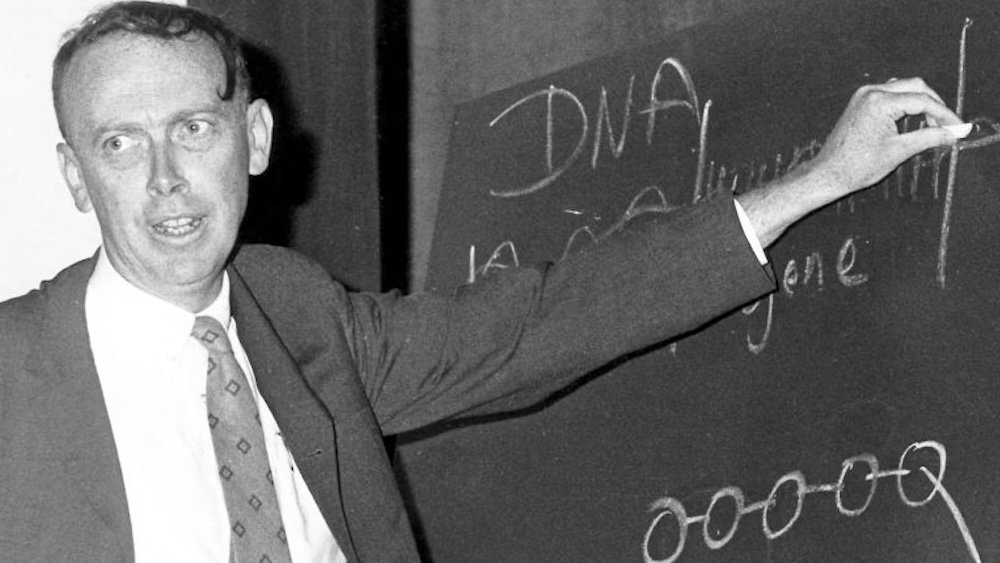
American molecular biologist James Dewey Watson, a co-recipient of the 1962 Nobel Prize in Physiology or Medicine, is widely acclaimed for his groundbreaking discovery of the structure of DNA. This pivotal achievement, recognized alongside its profound implications for information transfer within living systems, fundamentally reshaped scientific understanding.
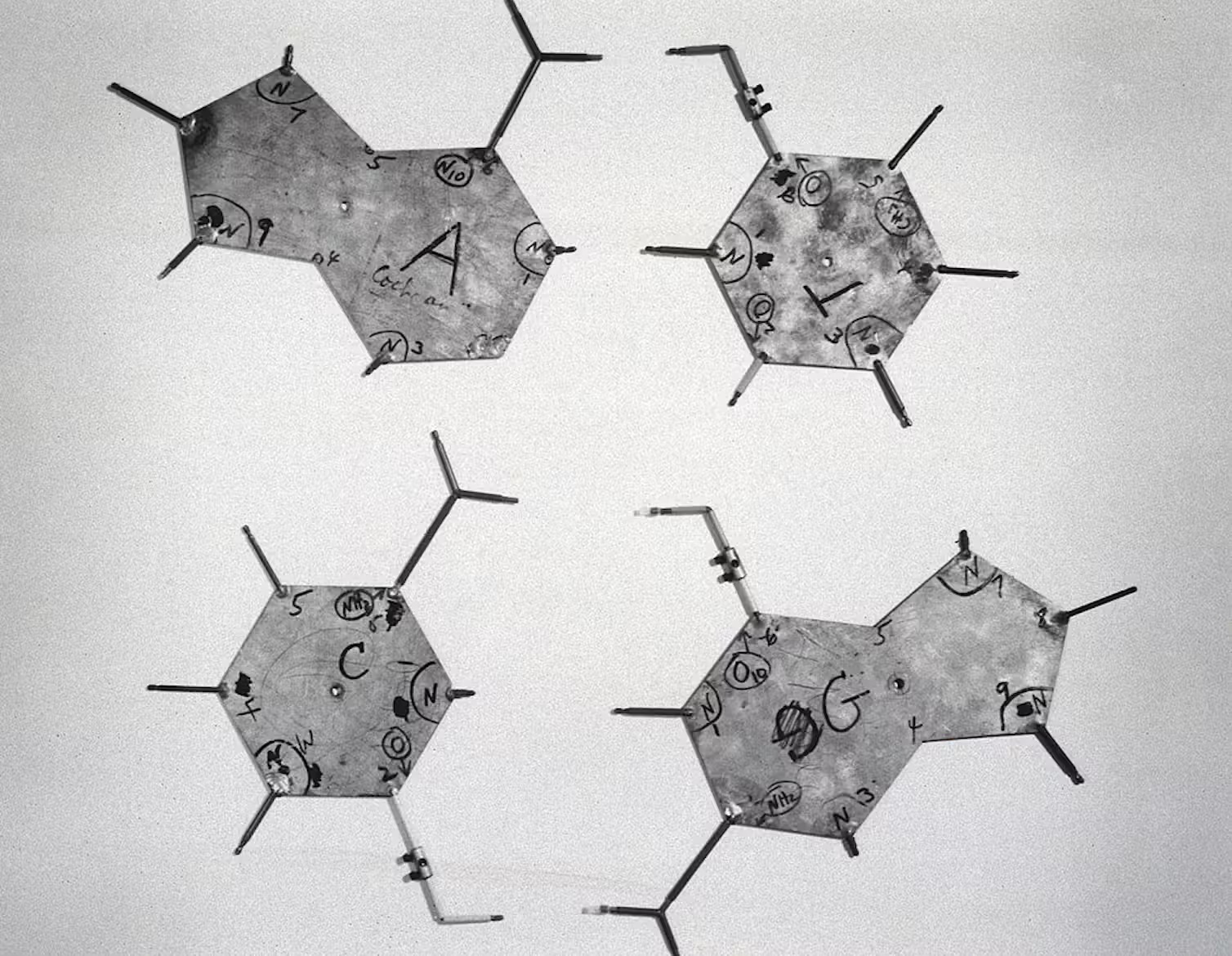
The importance of this breakthrough cannot be overstated. It provided the essential key to unlocking the intricate mechanisms of gene function and subsequently spurred the establishment of entirely new scientific disciplines, most notably molecular biology and evolutionary phylogenetics.
Beyond his scientific contributions, James Watson was a deeply polarizing and outspoken figure who fundamentally reshaped the public perception of science. He pioneered an unprecedented level of transparency, becoming the first high-profile Nobel laureate to offer the general public a strikingly personal and unvarnished look into the relentless, often cutthroat, competition inherent in scientific research. Watson passed away on November 6, 2025, at the age of 97.
A prodigious student, James Watson embarked on his academic journey at the University of Chicago at the remarkable age of 15. Although his initial aspirations were rooted in ornithology, his intellectual direction profoundly shifted after encountering Erwin Schrödinger’s seminal work, “What is Life?” This influential book, a compilation of public lectures delving into the fundamental chemistry and physics of cellular operation, sparked Watson’s deep curiosity about the molecular makeup of genes—a question recognized at the time as biology’s most significant unresolved mystery.
For decades, chromosomes—complex structures made of both protein and DNA—were understood to carry the blueprint of heredity. However, the prevailing scientific consensus leaned heavily towards proteins as the likely genetic material. Scientists were convinced that proteins, with their sophisticated architecture built from 20 different amino acids, were a far more plausible candidate for storing genetic information than DNA, which possessed a seemingly simpler structure with only four nucleotide building blocks.
This long-held assumption was definitively upended in 1944. The landmark Avery-MacLeod-McCarty experiment provided irrefutable evidence, conclusively demonstrating that DNA, not protein, served as the true carrier molecule of inheritance. This pivotal discovery immediately reoriented the scientific community’s focus, sparking an intense drive to understand the intricate mechanisms and profound implications of DNA.
Following the completion of his doctorate in zoology from Indiana University in 1950, Watson spent a year in Copenhagen focusing on virus research. A significant turning point came in 1951, when he encountered biophysicist Maurice Wilkins at a conference. There, during Wilkins’ presentation on the molecular architecture of DNA, Watson was shown initial X-ray photographs of the molecule. This crucial insight prompted him to relocate to the Cavendish Laboratory at the University of Cambridge, determined to unravel DNA’s complete structure. It was at Cavendish that Watson met Francis Crick, a physicist who had transitioned into biology, and the two swiftly developed an immediate rapport, fueled by their mutual dedication to this scientific pursuit.
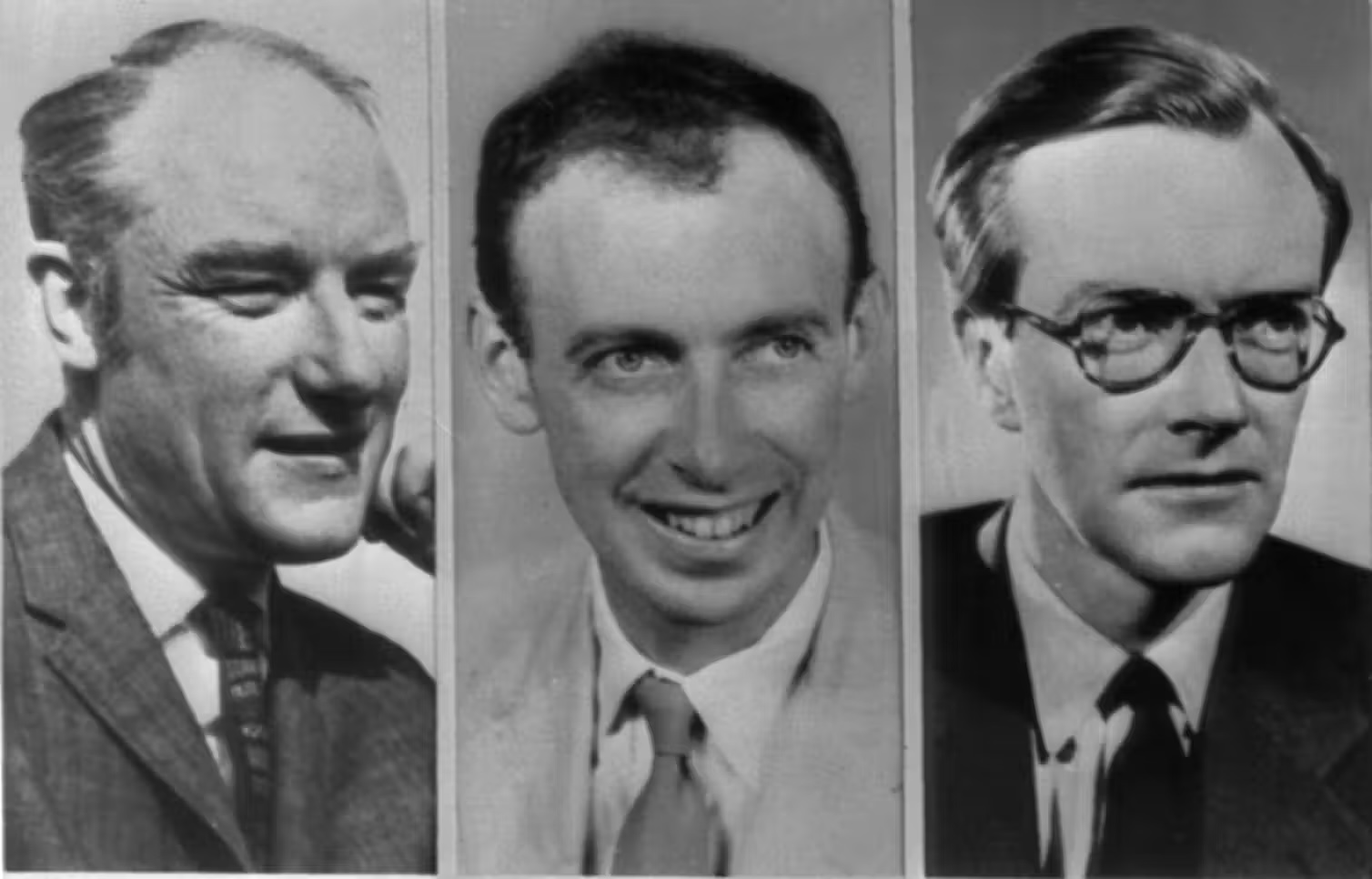
In a scientific milestone, James Watson and Francis Crick unveiled their groundbreaking discovery of the DNA double helix structure in the journal *Nature* in 1953. Appearing alongside their seminal paper in the same issue were two other critical articles further elucidating the molecule’s architecture. One of these contributions was co-authored by Maurice Wilkins, while the other presented the significant findings of chemist and X-ray crystallographer Rosalind Franklin.
Rosalind Franklin played a pivotal role in unlocking the structure of DNA, meticulously producing the vital X-ray photographs of DNA crystals. These critical images contained the essential data necessary for deciphering the molecule’s intricate arrangement. Her groundbreaking contributions, coupled with the work conducted by members of the Cavendish Laboratory, collectively led to the 1962 Nobel Prize in Physiology or Medicine, which was subsequently awarded to James Watson, Francis Crick, and Maurice Wilkins.
Despite possessing knowledge of Rosalind Franklin’s crucial X-ray photographs, which circulated in an internal Cavendish Laboratory report, James Watson and Francis Crick notably omitted any acknowledgment of her contributions in their celebrated 1953 *Nature* paper on the structure of DNA.
Years later, in 1968, Watson published a memoir recounting his perspective on the discovery. This book not only minimized Franklin’s scientific contributions but also described her using sexist language. While an acknowledgment of her work did appear in the book’s epilogue, it ultimately fell short of providing full credit for her instrumental role in the breakthrough.
Historically, some accounts have suggested that Rosalind Franklin’s lack of formal recognition for her pivotal work was partly justified by her research being unpublished and considered “common knowledge” within the Cavendish Laboratory, given the routine data sharing among DNA investigators.
However, this perspective has undergone a significant re-evaluation. Today, the unauthorized appropriation of Franklin’s crucial data and its subsequent publication without her permission or attribution is widely condemned. It stands as a prominent and well-known example not only of serious scientific misconduct but also of the systemic poor treatment of female colleagues by their male counterparts within professional scientific environments.
Decades after the Nobel Prize for the discovery of DNA’s structure was awarded to Watson, Crick, and Wilkins, Rosalind Franklin has been increasingly recognized, with some now casting her as a feminist icon. While it remains uncertain if Franklin herself would have embraced this posthumous label, or how she truly felt about her exclusion from the Nobel recognition and the critical portrayal in Watson’s personal account, one fact has become unequivocally clear: her contribution was both critical and essential. Today, Franklin is widely and justly regarded as an equal contributor to the monumental discovery of DNA’s double helix.
Reflecting on the decades since Watson and Crick’s landmark Nobel recognition, a crucial question surfaces: How have the established norms of professional conduct and interpersonal dynamics fundamentally shifted regarding junior researchers and collaborators?
Leading universities, research institutions, funding agencies, and peer-reviewed journals have increasingly implemented formal policies to ensure the transparent identification and proper crediting of all researchers contributing to a project. While the effectiveness of these policies can vary, their widespread adoption reflects a significant positive shift towards a more inclusive scientific environment.
This evolution is largely attributed to a growing understanding that complex scientific challenges are rarely conquered by the efforts of a single individual, emphasizing the necessity of collaborative work. Furthermore, the establishment of these formal mechanisms provides clearer avenues for individuals to seek resolution and mitigation when issues or disputes arise.
Guidelines for resolving academic disputes are established through various channels, including journal author guidelines, directives from professional associations, and institutional policies. Further contributing to this framework, the journal *Accountability in Research* specifically focuses on the critical analysis of systems and practices designed to foster integrity in scholarly conduct. The development of clear guidance for scientists, institutions, and grant-funding agencies regarding author attribution and accountability marks a significant advancement in ensuring fair and ethical procedures and standards across the research landscape.
The professional journey is often characterized by a complex interplay of positive developments and significant challenges. For instance, experiences have ranged from the early-career accolade of being included as an undergraduate co-author on academic papers, to more detrimental situations. These included exclusion from grant proposals and, critically, having one’s valuable contributions retained in a publication even after being unilaterally removed from the author list, frequently without notification. Notably, the majority of these adverse incidents occurred during the nascent stages of a career. This suggests a pattern where senior collaborators may have felt emboldened to exploit the perceived vulnerability of less experienced colleagues.
The incidence of negative experiences in collaborations has reportedly diminished, a shift largely attributed to the consistent practice of clearly articulating co-authorship expectations from the outset. This proactive transparency ensures foundational agreement on credit and responsibilities. Crucially, the individual is also prepared and empowered to decline collaborations that do not align with their predefined terms, underscoring a commitment to equitable and well-defined partnerships.
The experiences described are likely widespread, with their impact notably amplified for individuals from underrepresented groups within scientific disciplines. Disturbingly, instances of misconduct, including sexual harassment, remain prevalent within the scientific community. This ongoing struggle underscores the substantial journey ahead for science—and society at large—in fostering truly equitable and respectful environments.
Following his groundbreaking co-discovery of DNA’s structure, James Watson furthered his scientific pursuits by studying viruses at Harvard University. He then assumed leadership of Cold Spring Harbor Laboratory, orchestrating a significant revitalization that saw substantial expansion of its physical facilities, staff, and international reputation.
As the Human Genome Project began its ambitious undertaking, Watson was the clear and undisputed choice to guide its development. However, he later stepped down from this pivotal role after a prolonged and heated debate over the patenting of the human genome and individual genes — a practice Watson vehemently opposed.
Despite the profound scientific contributions James Watson made throughout his life, his enduring legacy remains deeply controversial. A persistent pattern of racist and sexist public statements, coupled with his ongoing personal and professional disparagement of Rosalind Franklin, has cast a long shadow over his career. Furthermore, it is widely noted and regrettable that both Watson and Francis Crick notably failed to acknowledge all critical contributors to their groundbreaking discovery at pivotal moments.
This article, originally featured in The Conversation, is republished here under a Creative Commons license, promoting its widespread availability.