
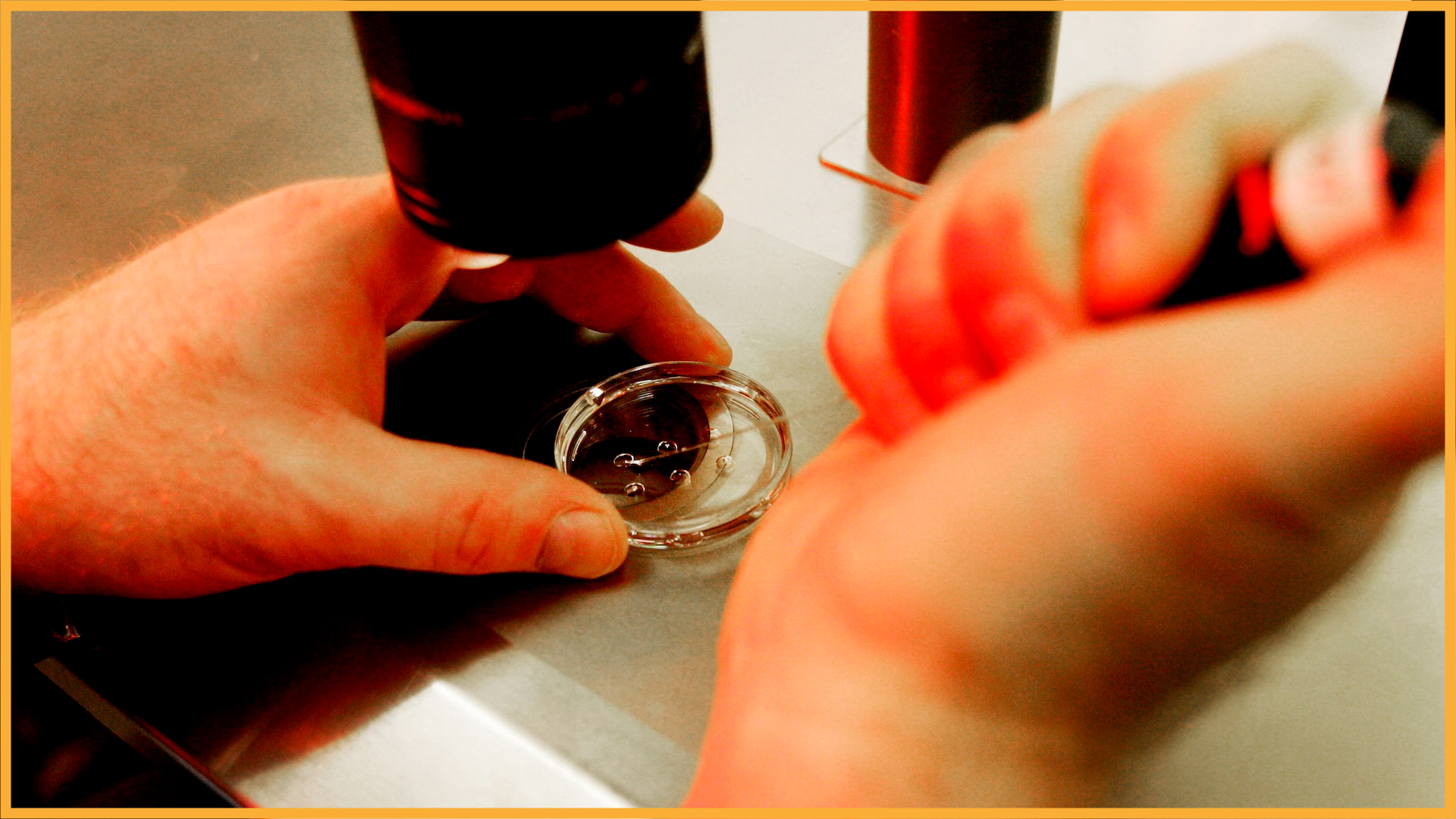
The scientific community is voicing serious alarm over reports that the National Institutes of Health (NIH) may cease renewing grants for human fetal tissue (HFT) research. Such a move, experts warn, threatens to derail critical progress against a multitude of devastating diseases.
For decades, HFT research has been a foundational element in understanding and combating illnesses affecting millions worldwide, including cancer, multiple sclerosis, Parkinson’s disease, various eye disorders, and numerous neurological and rare conditions. Discontinuing support for this vital work would directly jeopardize future breakthroughs and the development of new treatments for patients globally.
For decades, human fetal tissue (HFT) research has received consistent financial backing from the U.S. government. This critical area of study has garnered broad bipartisan support across Republican and Democratic administrations, a consensus largely driven by its proven track record in saving lives.
However, early signals indicate the Trump administration may be considering a prohibition on the ethical and long-established uses of fetal tissue in vital medical research. Critics suggest such a move would stem from political considerations rather than scientific consensus.
Efforts to restrict or outright ban research utilizing human fetal tissue (HFT) are gaining momentum, sparking concerns about the potential impact on patient health. During his Senate confirmation hearings, Robert F. Kennedy Jr. committed to prohibiting HFT research. Concurrently, the House Appropriations Labor-Health and Human Services Subcommittee has included a policy rider in its fiscal year 2026 budget proposal aimed at limiting such studies. Critics contend that should these initiatives succeed in halting fetal tissue research, they would only intensify the suffering for countless individuals battling severe diseases.
Human Fetal Tissue (HFT) remains an indispensable resource in scientific inquiry, establishing itself as the gold standard for deciphering human biology and disease.
Researchers leverage HFT’s unique characteristics to meticulously chart the complex journey of human cell development, a vital prerequisite for successfully recreating these cellular processes in laboratory stem cell models. Fetal cells are particularly valued for their inherent resilience and comparative ease of growth when contrasted with adult cells.
Most critically, HFT provides an unmatched window into the precise formation of human tissues and organs, a developmental progression that animal cells are incapable of faithfully replicating. Consequently, HFT remains paramount for advancing our understanding of human health and illness.
Claims suggesting that curtailing research involving human fetal tissue (HFT) would impact abortion rates in the United States are unfounded. Experts assert that restrictions on such research will neither influence a woman’s decision to terminate a pregnancy nor prevent a single abortion.
This research operates under stringent ethical and scientific oversight. A crucial safeguard ensures that HFT is obtained only after a woman has independently and definitively chosen to terminate her pregnancy. Furthermore, discussions regarding tissue donation are strictly prohibited until that initial decision is finalized, ensuring no influence on the reproductive choice.
Regulations strictly prohibit any financial incentives for the donation of human fetal tissue (HFT) for research purposes. This tissue would otherwise be discarded. These stringent protocols are in place to ensure that research opportunities do not influence abortion decisions, while simultaneously allowing ethically donated tissue to advance critical, life-saving scientific endeavors.
HFT research is demonstrating a profound and far-reaching impact across the medical landscape. A prime example is its pivotal role in addressing type 1 diabetes, a chronic condition that afflicts millions globally and imposes an annual economic burden of $327 billion in the U.S.
Through HFT studies, scientists have gained crucial insights into the intricate processes governing the formation and function of insulin-producing pancreatic beta cells. These foundational discoveries have directly fueled the development of stem cell-derived beta cells, which have now advanced to clinical trial stages. Furthermore, HFT investigations have illuminated how these vital cells respond to glucose and, critically, why they may fail in individuals living with diabetes—knowledge deemed indispensable for forging long-lasting therapeutic solutions.
Groundbreaking research utilizing HFT has significantly advanced our understanding of the root causes and contributing factors behind infertility and severe pregnancy complications. These include preeclampsia, fetal growth restriction, and preterm birth—conditions that remain persistent public health challenges.
Crucially, HFT has enabled scientists to develop sophisticated stem cell-based models of placental development, an achievement impossible to replicate in animal studies. These innovative models have been instrumental in uncovering the intricate mechanisms governing placental formation and the vital maternal-fetal interaction. This newfound knowledge is now paving the way for the creation of novel strategies designed to profoundly improve both maternal and child health outcomes.
Effective medical therapies fundamentally depend on a comprehensive understanding of how healthy human tissues develop. While animal models provide valuable insights, they cannot entirely replicate the complex processes of human organ formation.
Fetal tissue offers a unique and critical window into these developmental mechanisms. Its availability has enabled the creation of “humanized” models, which incorporate authentic human cells to accurately study crucial systems like the immune system, brain, skin, and liver. These advanced models have, in turn, been instrumental in accelerating research into infectious diseases, cancer, and regenerative medicine.
Human fetal tissue (HFT) studies have significantly advanced neurodegenerative disease research, particularly in understanding conditions like Alzheimer’s. Investigations utilizing fetal tissue have pinpointed early abnormalities in fetuses with Down syndrome, which notably precede the development of Alzheimer’s-like dementia—a condition frequently observed in individuals with Down syndrome after age 40. These crucial discoveries are now informing proactive strategies aimed at preventing neurodegeneration before clinical symptoms even emerge. Essentially, HFT provides a unique and vital link, bridging the complexities of developmental biology with the mechanisms of adult disease.
The pivotal role of human fetal tissue (HFT) in vaccine development stands as one of its most compelling demonstrations of scientific value. Crucially, nearly every significant vaccine that has shaped modern public health has, at some stage, relied on cell lines derived from fetal tissue.
This reliance has had a profound global impact: from 1960 to 2015 alone, vaccines for diseases such as polio, measles, mumps, rubella, varicella (chickenpox), herpes zoster (shingles), adenovirus, rabies, and hepatitis A are estimated to have prevented 4.5 billion cases of illness and saved 10.5 million lives worldwide.
The historic triumph over polio, once a feared cause of paralysis and death, was achieved only after researchers discovered the poliovirus’s efficient replication in fetal-tissue-derived cells. Similarly, the rubella vaccine, vital for preventing miscarriages and severe birth defects, was developed using an HFT-derived cell line that continues to be integral to its safety assurance today.
Research involving human fetal tissue has been instrumental in saving millions of lives and continues to fuel groundbreaking biomedical innovation. Imposing restrictions on this critical work would not alter abortion rates. Instead, it would only force scientists to discard an irreplaceable research resource, preventing its use in advancing treatments for devastating diseases. Medical progress, therefore, must be guided by scientific principles, not political interference.
Here are a few options, maintaining a clear, journalistic tone:
**Option 1 (Focus on necessity and impact):**
“The path forward is unequivocal: the continued, ethical utilization of donated human tissue is indispensable for alleviating suffering. It is paramount that medical advancements, which rely on such donations, are not stalled by misinformation or unfounded fears.”
**Option 2 (Highlighting the dual purpose):**
“To advance life-saving medical discoveries and reduce human suffering, the ongoing, responsible use of ethically sourced human tissue is crucial. It is imperative that unsubstantiated fears and inaccurate information do not impede this vital progress.”
**Option 3 (More direct and declarative):**
“Maintaining the ethical use of donated human tissue is essential for both scientific progress and the alleviation of human suffering. Decision-makers must ensure that fear and misinformation do not derail critical medical breakthroughs.”





