This week, the cosmos truly commanded attention in science news, with celestial bodies themselves taking center stage. It proved to be a remarkably prolific period, marked by a wealth of groundbreaking updates and significant discoveries concerning these awe-inspiring stellar furnaces.
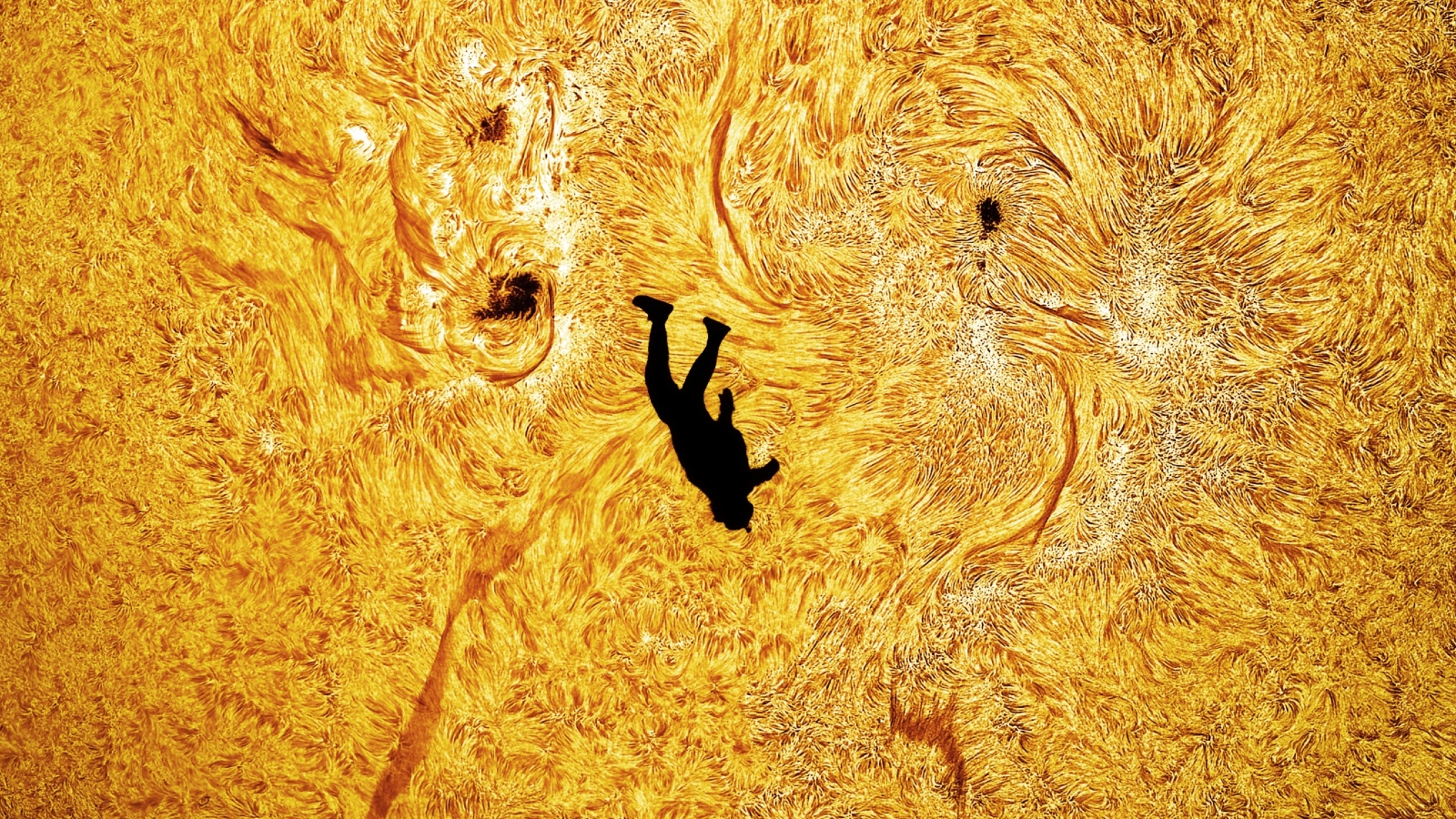
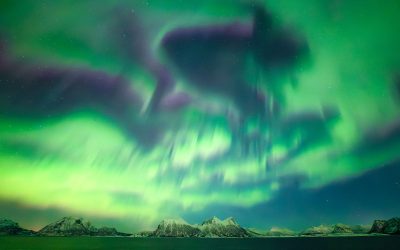
Recent solar activity has dramatically impacted Earth, with the sun unleashing a series of three powerful outbursts directly aimed at our planet. This surge in solar radiation prompted the cancellation of Blue Origin’s New Glenn rocket launch—its second scrubbed attempt this month—and painted skies with auroras visible as far south as Florida.
While Earth’s robust magnetosphere successfully shielded the planet from any immediate harmful effects, experts are now warning of potentially more damaging geomagnetic storms in the future. This heightened concern stems from the recent discovery of a critical “weak spot” within our planet’s otherwise invisible, protective barrier.
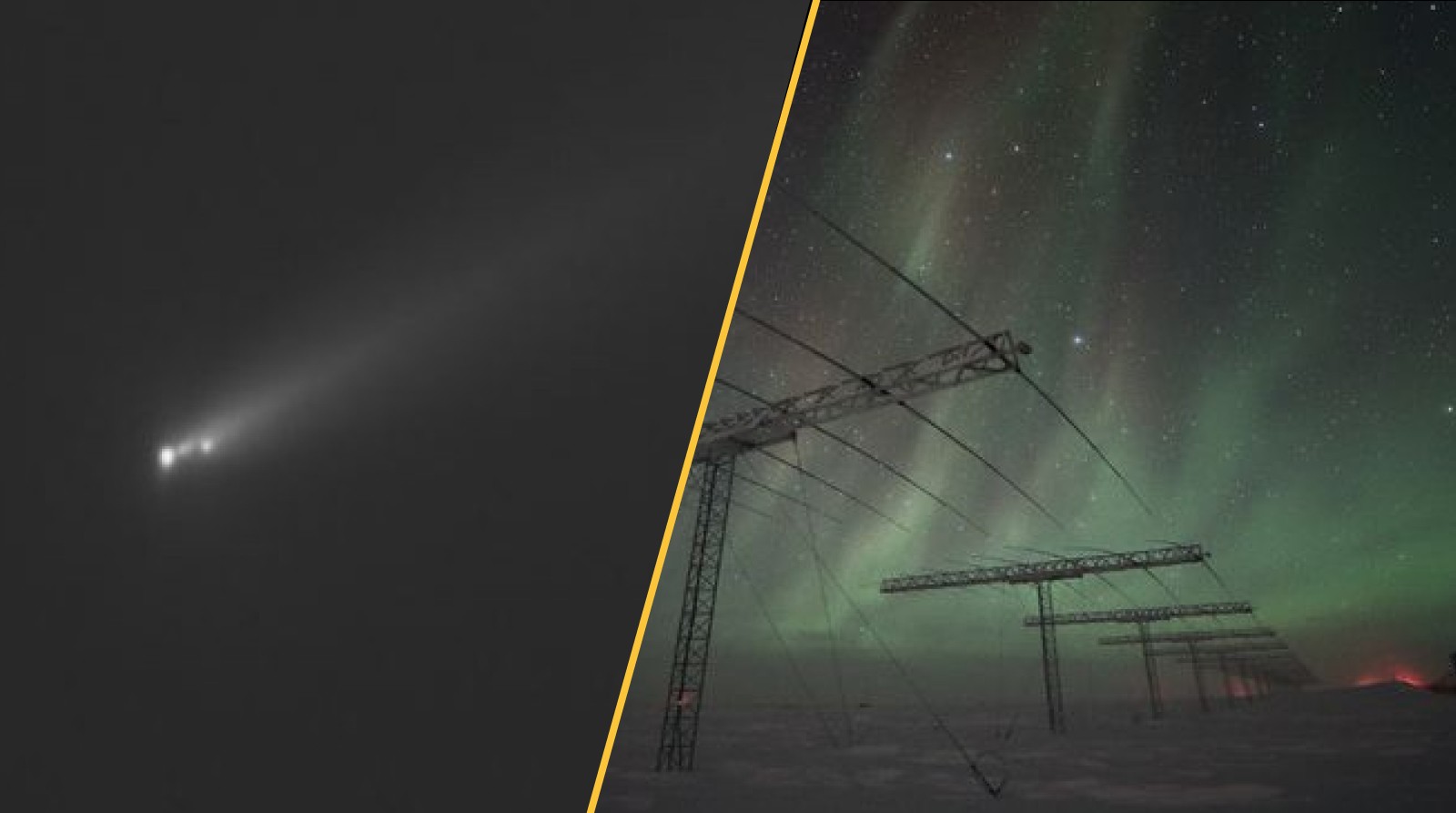
The sun’s immense gravitational pull recently proved disastrous for one celestial body dubbed ATLAS, tearing it apart into numerous fragments during a close flyby. Fortunately, its more renowned namesake, the interstellar comet 3I/ATLAS, managed to navigate the perilous journey without suffering a similar explosive fate. However, the interstellar visitor did present an intriguing development: it emitted a detectable radio signal. Scientists are quick to clarify that this phenomenon, while noteworthy, holds no connection to extraterrestrial life.
In a stark reminder of the universe’s powerful forces, astronomers have revealed the unprecedented detection of a distant star unleashing a colossal blast potent enough to strip the atmospheres from any planets orbiting within its habitable zone. This groundbreaking finding undoubtedly complicates the search for extraterrestrial life around such volatile celestial bodies.
Meanwhile, pushing the boundaries of cosmic discovery, the James Webb Space Telescope may have unearthed evidence of the earliest and most gargantuan stars ever to form. These primordial giants are believed to have originated from a fundamental blend of hydrogen, helium, and dark matter in the nascent stages of the universe.