
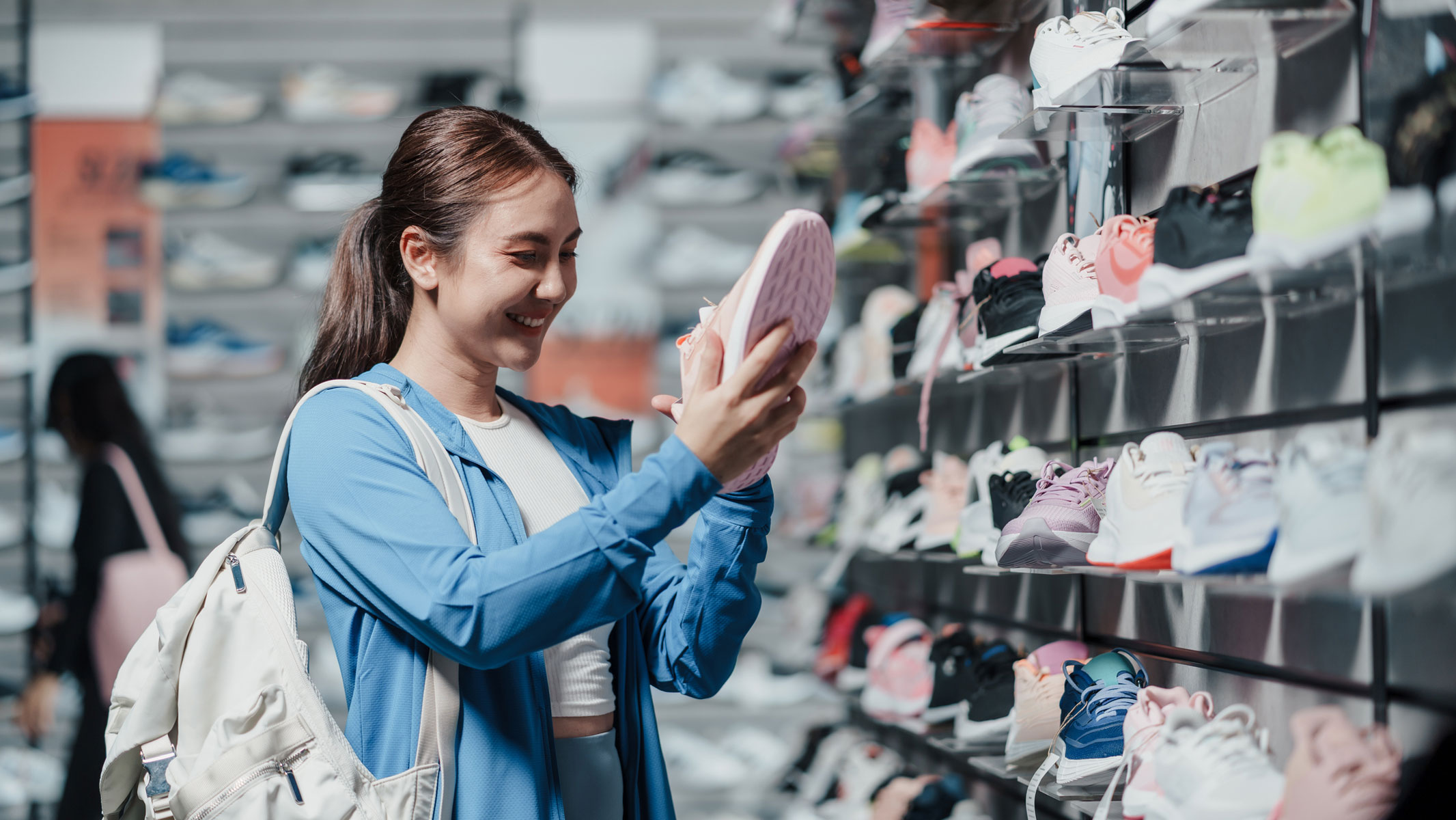
Black Friday consistently stands out as a premier opportunity for consumers to secure significant discounts on activewear. The annual sales event presents a rare chance to acquire essential fitness gear, from gym leggings to running shoes, often at half their original price or even less.
However, experts caution that the frantic rush to capitalize on these seemingly attractive deals can easily lead to regrettable and costly purchasing errors. A product acquired at a reduced price is ultimately no genuine bargain if it fails to align with the buyer’s fit, performance needs, or lifestyle. Such ill-considered purchases, far from saving money, instead serve to drain wallets and contribute to unnecessary wardrobe clutter.
Navigating the bustling Black Friday sales for activewear can be fraught with missteps, a reality we understand intimately. With nearly 14 years of experience as fitness professionals, we’ve personally encountered and learned from many common activewear shopping blunders. Fortunately, our accumulated knowledge now serves as a guide for others.
This comprehensive article details the five most prevalent mistakes consumers make when selecting activewear during the Black Friday rush, coupled with actionable tips to avoid them. By following these expert guidelines, shoppers can significantly increase their chances of saving money and investing in workout apparel that genuinely enhances their fitness journey.
It’s a familiar scenario: enticed by steep discounts on high-end athletic footwear or specialized outdoor apparel during major sales, many consumers make purchases driven by aspiration rather than immediate need. The hope is often that this premium gear, whether professional running shoes or a heavy-duty hiking jacket, will be the catalyst for a more active lifestyle.
Yet, this form of aspirational shopping frequently leads to buyer’s remorse. Without practical application in daily routines, such ultra-premium fitness equipment often remains unused, ultimately relegated to collecting dust.
To make effective purchasing decisions, prioritize items that align directly with your *current* routine and established habits. This demands a candid self-assessment, focusing exclusively on what you genuinely need and regularly use.
Consider the novice runner, for example: the initial investment should unequivocally be a well-fitted pair of daily training shoes. Tempting as they may be, items like advanced running backpacks or premium GPS watches are best deferred. These more specialized purchases become justifiable only once a consistent training regimen is firmly established, and a clearer understanding of the practical necessities for accumulating miles successfully is gained.
While a 50% discount on a pair of running shoes—turning a $100 item into a $50 bargain—might seem incredibly appealing, that seemingly great deal can quickly become a costly mistake.
The hidden truth is that shoes of the wrong size or unsuitable for your specific foot type are not just a waste of the initial $50. More significantly, prioritizing price over proper fit and functionality often leads to a host of physical problems. Users risk painful blisters, persistent muscle aches, and even long-term changes to their natural gait.
This scenario highlights a crucial principle for all activewear purchases: when the focus shifts primarily to the price tag, it’s easy to overlook fit and functionality—two factors that are, in fact, the most critical for performance and injury prevention.
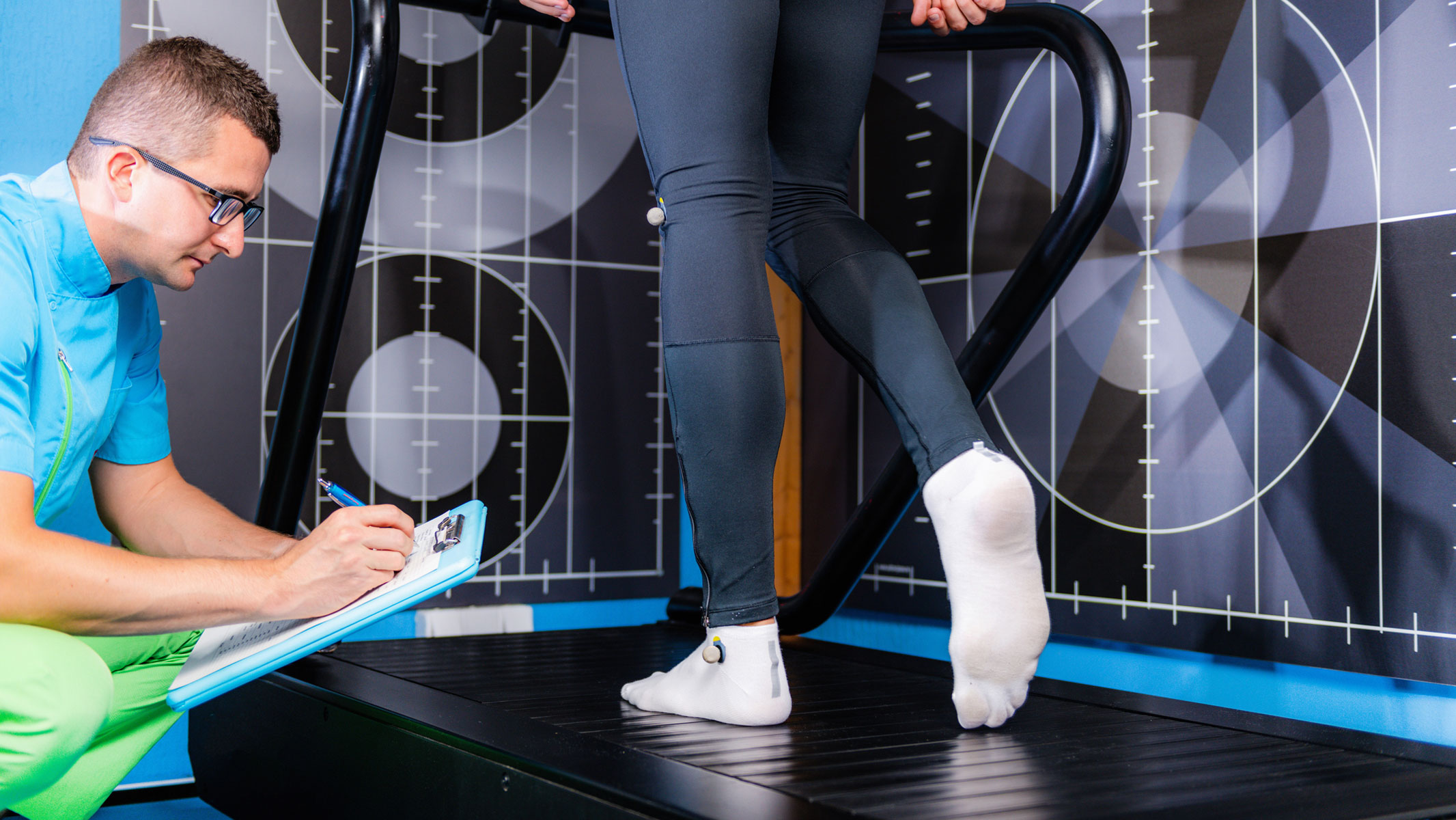
To ensure optimal comfort and performance when selecting running shoes, experts emphasize the critical importance of adhering to one’s personal foot specifications. Prospective buyers should diligently note their precise foot size, width, and arch type. For those uncertain about these crucial metrics, a professional gait analysis offers an essential resource, a service often provided complimentary by specialized running retailers. Another effective strategy involves recalling two to three past shoe models that delivered superior comfort and support, then prioritizing current designs that closely mirror these proven successful characteristics.
When selecting activewear, precise waist, chest, and hip measurements are paramount, serving as your foundational reference point. However, these personal metrics must be critically augmented by customer reviews. This feedback is an invaluable resource, offering unparalleled insight into fabric quality and exposing prevalent sizing discrepancies. For instance, garments crafted from high-compression materials, such as many popular leggings, are frequently reported to run smaller than advertised – a crucial detail often highlighted by other shoppers.

The era of truly exceptional Black Friday bargains appears to be fading. Many retailers now employ deceptive pricing strategies, frequently cultivating a manufactured sense of urgency designed to prompt impulsive purchases. A pervasive tactic involves the artificial inflation of a product’s “original” price, making the advertised discount seem considerably more significant than its actual value. Consumers are strongly advised to exercise caution: before committing to a purchase, thoroughly investigate the authenticity and true worth of any seemingly irresistible offer.
For consumers seeking optimal value, a two-pronged strategy is essential. First, diligently track price histories. Platforms like CamelCamelCamel, specifically designed for Amazon listings, offer invaluable insights into past price fluctuations, empowering buyers to identify genuine deals.
Secondly, resist the urge to automatically dismiss previous year’s models. While activewear brands unveil new collections annually, significant performance or design enhancements between successive iterations are often minimal—a trend particularly evident with running shoes. Despite these minor updates, the previous year’s version can frequently be acquired at a substantially lower price point, offering considerable savings without compromising quality.
Navigating the extensive landscape of Black Friday and Cyber Monday sales for fitness equipment can be a time-consuming challenge, often detracting from personal workout routines and essential recovery periods. Recognizing this, our dedicated team undertakes the meticulous task of identifying and curating the most advantageous deals on premium fitness gear, enabling you to remain focused on your health and well-being.

In the realm of athletic apparel, the allure of aesthetics often overshadows practical performance, proving the adage that ‘all that glitters is not gold.’ A sleek workout top might impress visually, yet its actual wearability during a high-intensity session is far from guaranteed.
Likewise, imagine thick, non-breathable leggings engineered for frigid winter runs worn during a hot yoga practice — the discomfort would be immediate and intense. The core truth lies in engineering: workout garments are meticulously designed with specialized fabrics, each selected for a specific purpose. Consequently, prioritizing style over intended function is a direct route to an uncomfortable and unfulfilling workout experience.
Optimizing comfort and performance during physical activity hinges on selecting the appropriate athletic wear fabric.
For demanding, high-intensity endurance pursuits, moisture-wicking materials are paramount. Synthetic fibers such as polyester, polypropylene, and nylon excel in this category, actively drawing perspiration away from the skin to ensure athletes remain dry and comfortable throughout their workouts.
In contrast, compression fabrics, predominantly those incorporating spandex, prove more effective for gym-based resistance training, where their supportive qualities can be best utilized.
For individuals uncertain about a specific fabric’s suitability for their fitness regimen, consumer product reviews offer a valuable resource. These testimonials often provide detailed accounts and visual insights from users, aiding prospective buyers in making informed decisions.
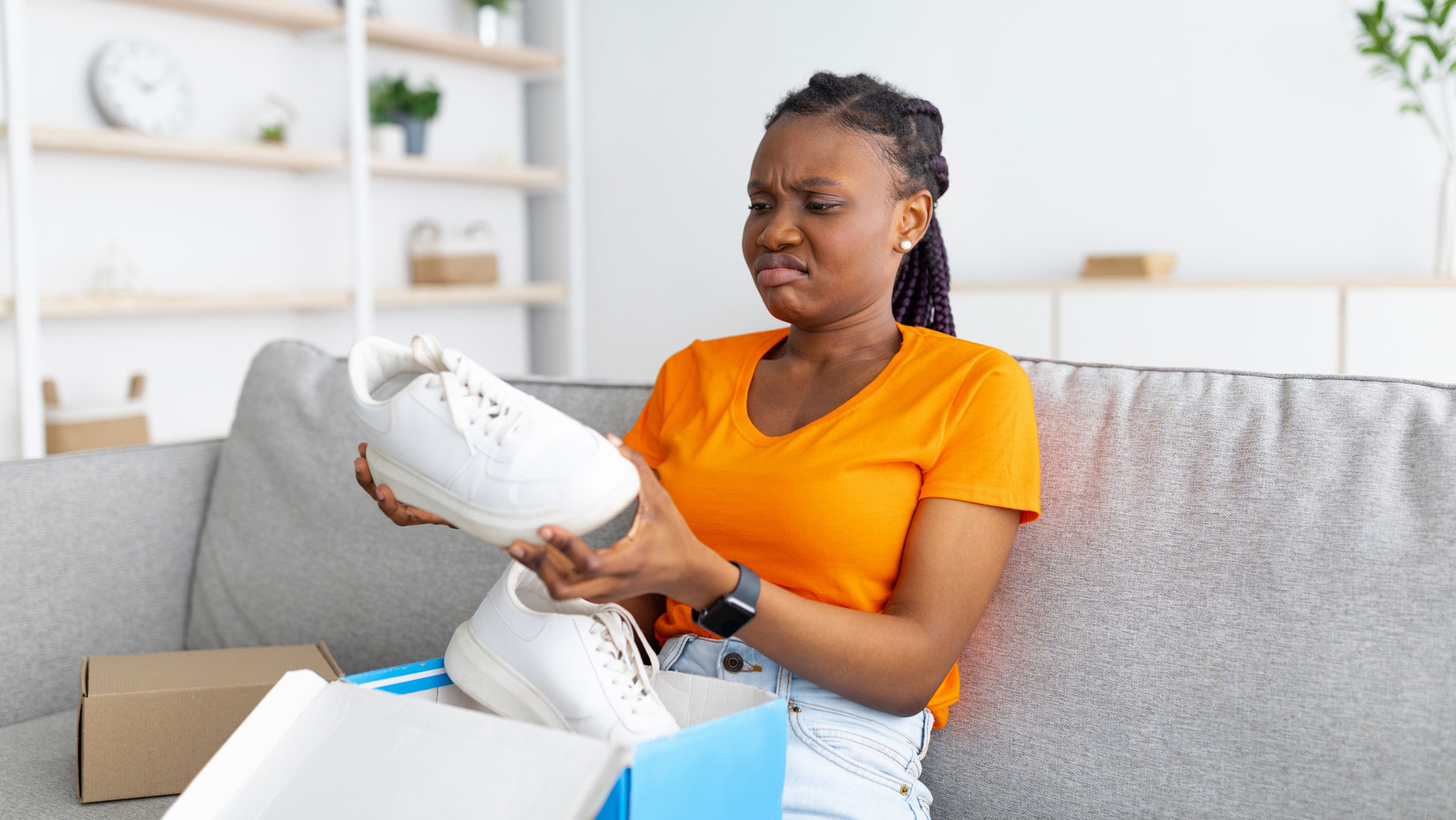
Shoppers diving into Black Friday deals should be aware of a critical caveat: many online retailers, particularly those offering steep discounts, often tighten their return policies. This frequently means purchases fall under a strict “final sale” or “no returns” mandate. That fantastic deal on shoes might become a regrettable purchase if they don’t fit, as you could be left with an unwearable item. Beyond holiday-specific restrictions, it’s also important to remember that certain intimate apparel, such as sports underwear and bikini bottoms, are generally non-returnable for hygiene reasons.
For consumers aiming to make purchases with confidence, especially when ideal fit is crucial, the strategy is twofold. Firstly, always meticulously examine the fine print and terms of sale before finalizing any transaction. Secondly, prioritize retailers renowned for their robust and customer-friendly return policies.
Prominent examples include outdoor outfitter REI, online footwear giant Zappos, and many dedicated running gear brands. These companies consistently stand firmly behind their products, facilitating straightforward returns or exchanges if an item, such as apparel or footwear, doesn’t provide the ideal fit. This proactive approach offers consumers invaluable peace of mind, ensuring satisfaction even if the initial fit proves imperfect.