A Russian cosmonaut has reportedly been withdrawn from an upcoming SpaceX astronaut mission, following alleged violations of U.S. national security regulations.
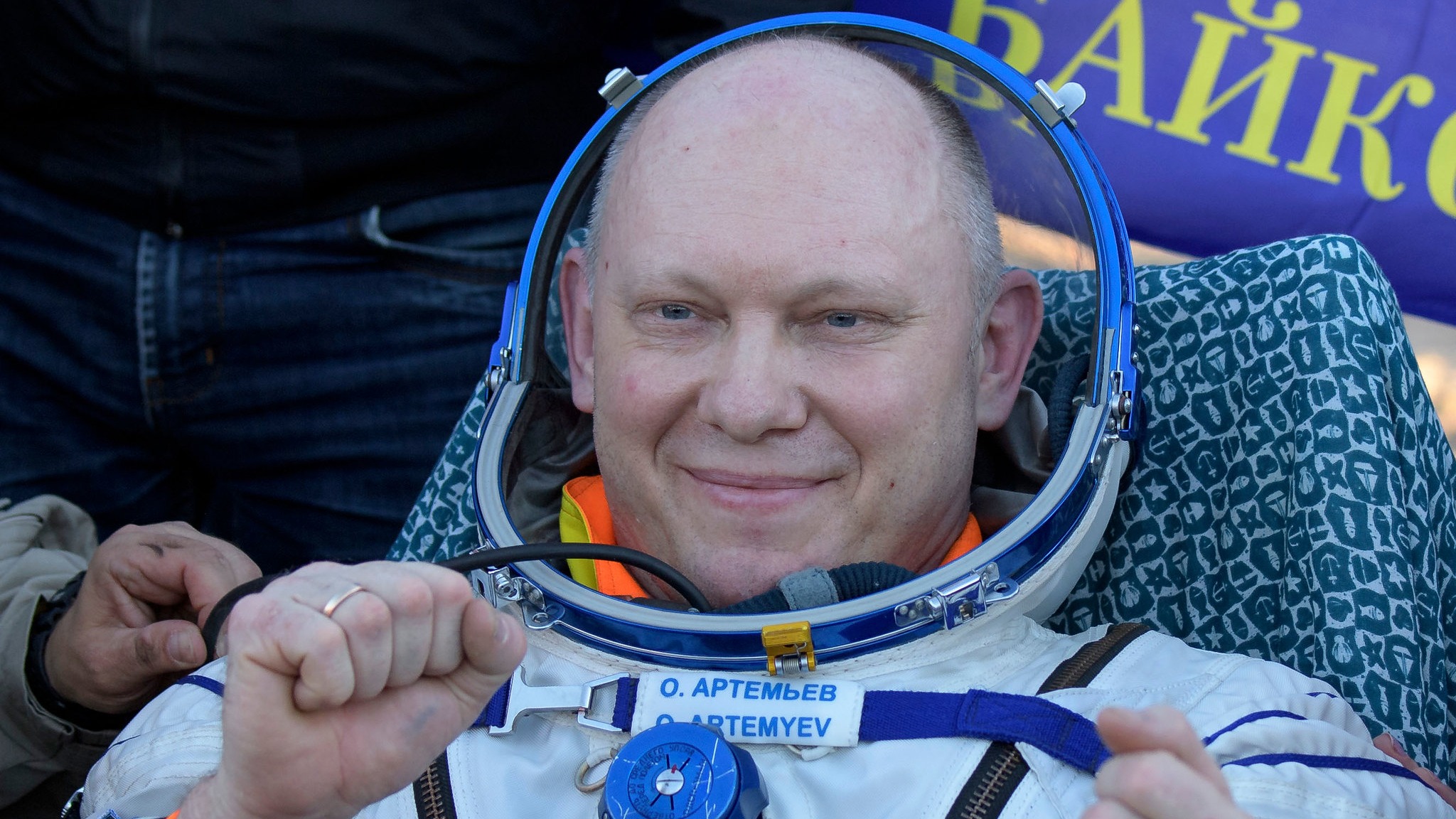
Roscosmos cosmonaut Oleg Artemyev had been designated to join SpaceX’s upcoming Crew 12 mission, a four-person flight slated to depart for the International Space Station (ISS) as early as February.
Cosmonaut Oleg Artemyev has been replaced by fellow spaceman Andrei Fedyayev, a personnel change officially attributed by Roscosmos to Artemyev’s “transfer to another job.” The Russian space agency confirmed the shift in a statement released today, December 2. However, the Russian investigative publication The Insider has challenged this official explanation, indicating there may be more to the story than has been publicly disclosed.

Fifty-four-year-old Artemyev has reportedly been ousted from Crew 12, according to a morning report from The Insider. His removal is said to be due to violations of the International Traffic in Arms Regulations (ITAR), a critical U.S. law. ITAR’s primary objective is to safeguard national security by placing stringent restrictions on the distribution of sensitive defense-related information and technology.
Explosive allegations from the Russian outlet The Insider claim a cosmonaut not only photographed confidential SpaceX documentation but then utilized a mobile phone to illicitly export classified information. The accusations are reportedly based on the findings of launch analyst Gregory Trishkin.
An interdepartmental investigation has been launched following a confirmed violation, Trishkin informed The Insider.
He highlighted the removal of an individual from a mission two and a half months prior to its scheduled launch, without a clear explanation, as an indirect but “indicative” sign of serious issues. Trishkin further expressed significant skepticism that an experienced cosmonaut could inadvertently commit such a “gross” violation, strongly implying the incident was a substantial and likely intentional breach of protocol.
A Russian spaceflight Telegram channel, “Yura, Forgive Me!”, reported on December 1st — a claim later cited by The Insider — that Artemyev allegedly committed security violations last week. The incidents reportedly occurred during his training at SpaceX’s headquarters in Hawthorne, California, where he is accused of using his mobile phone to photograph sensitive company technology, including rocket engines.
The upcoming Crew-12 mission is slated to be SpaceX’s twelfth operational astronaut flight to the International Space Station, a service provided under its standing contract with NASA. Inquiries made by Space.com to both SpaceX and NASA regarding the “Artemyev situation” have, as of this report, not yet received a response from either agency.
Cosmonaut Artemyev has amassed a total of 560 days in orbit, accomplished through three extended expeditions to the International Space Station (ISS). His missions launched in March 2014, March 2018, and March 2022.
The last flight departed merely a month after Russia’s full-scale invasion of Ukraine commenced, sparking a conflict that continues to rage. In July 2022, Russia’s space agency, Roscosmos, generated controversy by publishing images from the International Space Station (ISS). The photos showed cosmonaut Artemyev and two colleagues prominently displaying flags representing Russian-backed separatist territories in Ukraine. This incident drew immediate condemnation from international partners, with both NASA and the head of the European Space Agency (ESA) stressing that the orbital outpost must not be used as a platform for wartime propaganda.
The Crew 12 mission is tentatively scheduled for launch no earlier than February 15, set to transport a four-person crew to the International Space Station. This expedition will see astronaut Fedyaev, the European Space Agency’s Sophie Adenot, and two as-yet-unnamed astronauts embark on an approximate six-month stay aboard the orbiting laboratory.