Astronomy enthusiasts, prepare for a celestial treat! The much-anticipated annual Geminid meteor shower is scheduled to commence on December 4th.
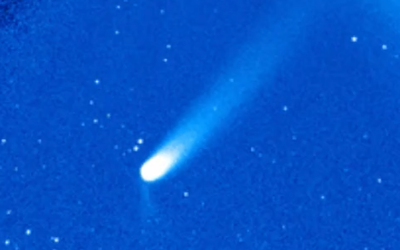
This yearly spectacle unfolds as Earth traverses the remnants of debris shed by the intriguing blue asteroid known as 3200 Phaethon. The celestial encounter is poised to ignite what experts predict will be one of 2025’s most dazzling and memorable displays of shooting stars.
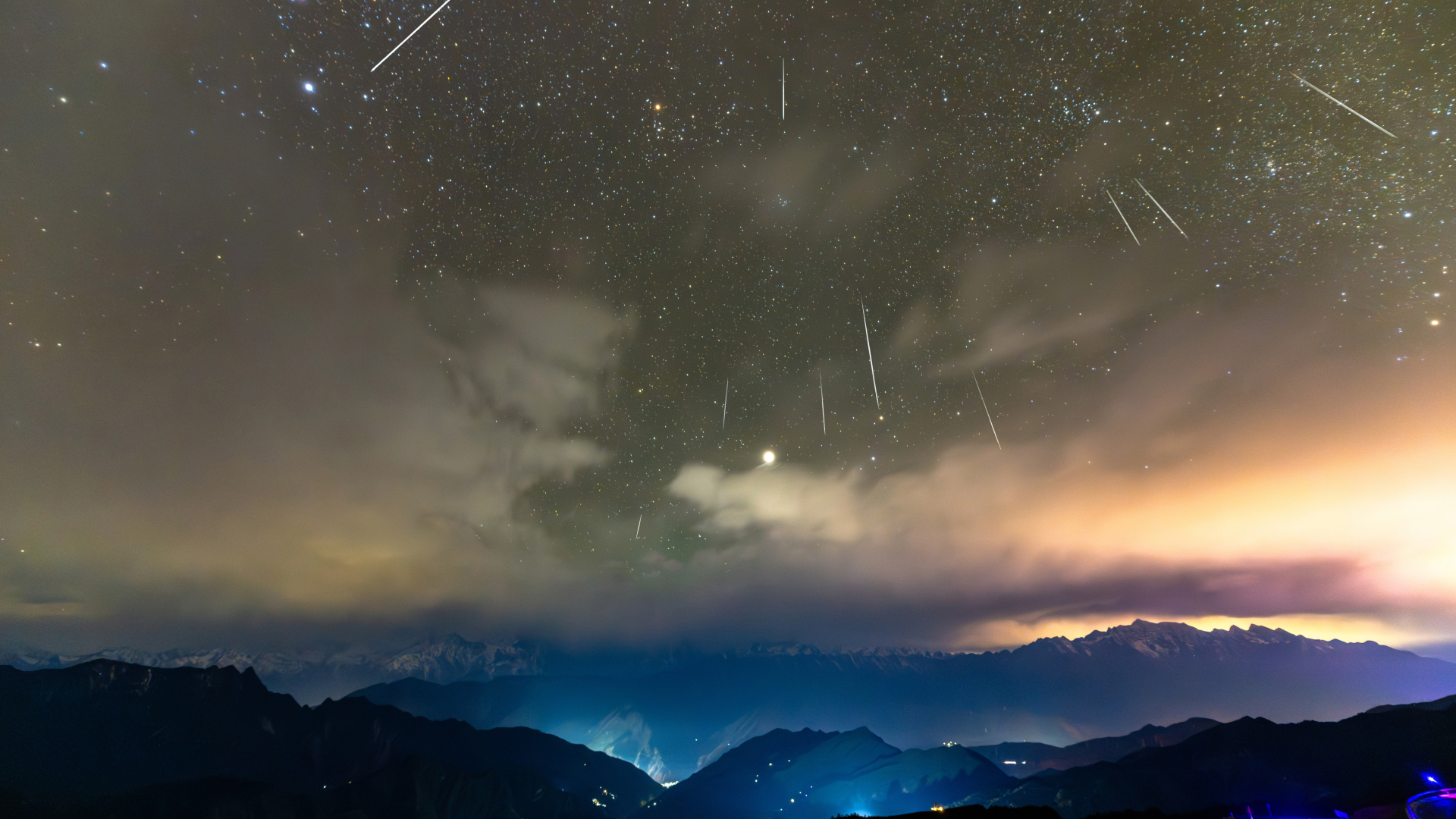
The annual Geminid meteor shower is set to reach its peak intensity overnight from December 13 to 14, offering sky-watchers a spectacular celestial display.
During this prime viewing window, the American Meteor Society estimates that observers could potentially witness up to 150 meteors per hour streaking across the night sky, assuming perfect conditions. NASA, providing a slightly more conservative outlook, suggests that 40 to 50 meteors may be visible hourly around the shower’s apex.
The Geminids are active for an extended period, spanning from December 4 through December 20.
Those dazzling streaks of light we commonly refer to as “shooting stars” are not stars at all, but rather cosmic debris. These interplanetary fragments, ranging in size from a mere grain of sand to a small asteroid, hurtle into Earth’s atmosphere at blistering speeds, often tens of thousands of miles per hour.
Upon atmospheric entry, they are overwhelmed by immense friction, which causes them to superheat and ignite. The resulting fiery disintegration creates the brilliant, fleeting displays visible to the naked eye across our night skies.
The annual Geminid meteor shower is set to offer a celestial spectacle, with streaking meteors appearing to emanate from a specific region within the constellation Gemini. This radiant point can be found in proximity to the bright star Castor. In December, Castor becomes visible a few hours after sunset, rising above the eastern horizon and shining distinctly to the upper right of the gas giant Jupiter, providing a clear guide for stargazers.
The celestial streaks of the Geminid meteor shower are renowned for their distinctive yellowish hue. While these “shooting stars” can be spotted whenever their radiant—the apparent point of origin—ascends above the horizon, the most breathtaking display is anticipated on the peak night of December 13. Stargazers will find their optimal viewing opportunity in the dark, moonless hours following 10 p.m. local time, promising an unparalleled experience.
To pinpoint the prime viewing location for meteor trails, begin by locating the magnitude-1.58 star Castor using a smartphone astronomy application. From Castor, shift your gaze approximately 40 degrees higher into the night sky. This particular area is where meteor trails will appear most extended as they streak through Earth’s atmosphere. For an easy estimation of angular distance, remember that a clenched fist held at arm’s length covers roughly 10 degrees of the celestial sphere.
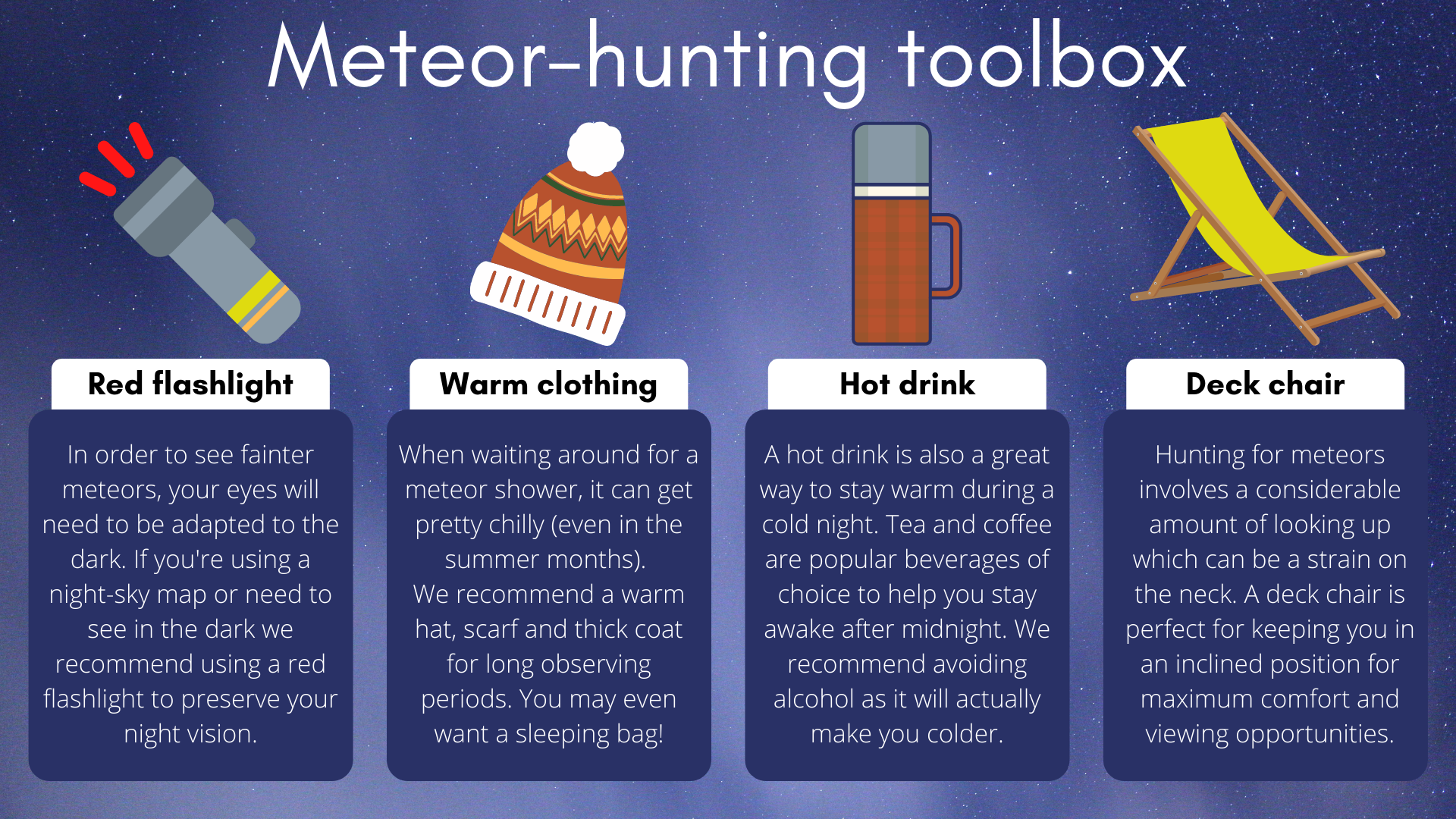
For an optimal meteor shower viewing experience, observers are strongly advised to seek locations far removed from urban light pollution. Once settled, allow a crucial 20 to 30 minutes for your eyes to fully adapt to the darkness, which significantly enhances visibility.
A red-light flashlight is recommended for navigation, as it will help preserve your hard-earned night vision. Prioritize comfort and safety by dressing warmly in layers, and if venturing to a remote observation spot, always inform a trusted contact of your precise location and expected return time.
A notable challenge for late-night stargazers on December 14 will be the rising of the waning crescent moon, anticipated around 2 a.m. local time. This lunar presence may unfortunately diminish the visibility of fainter meteors, potentially making the full scope of the annual display more difficult to discern.
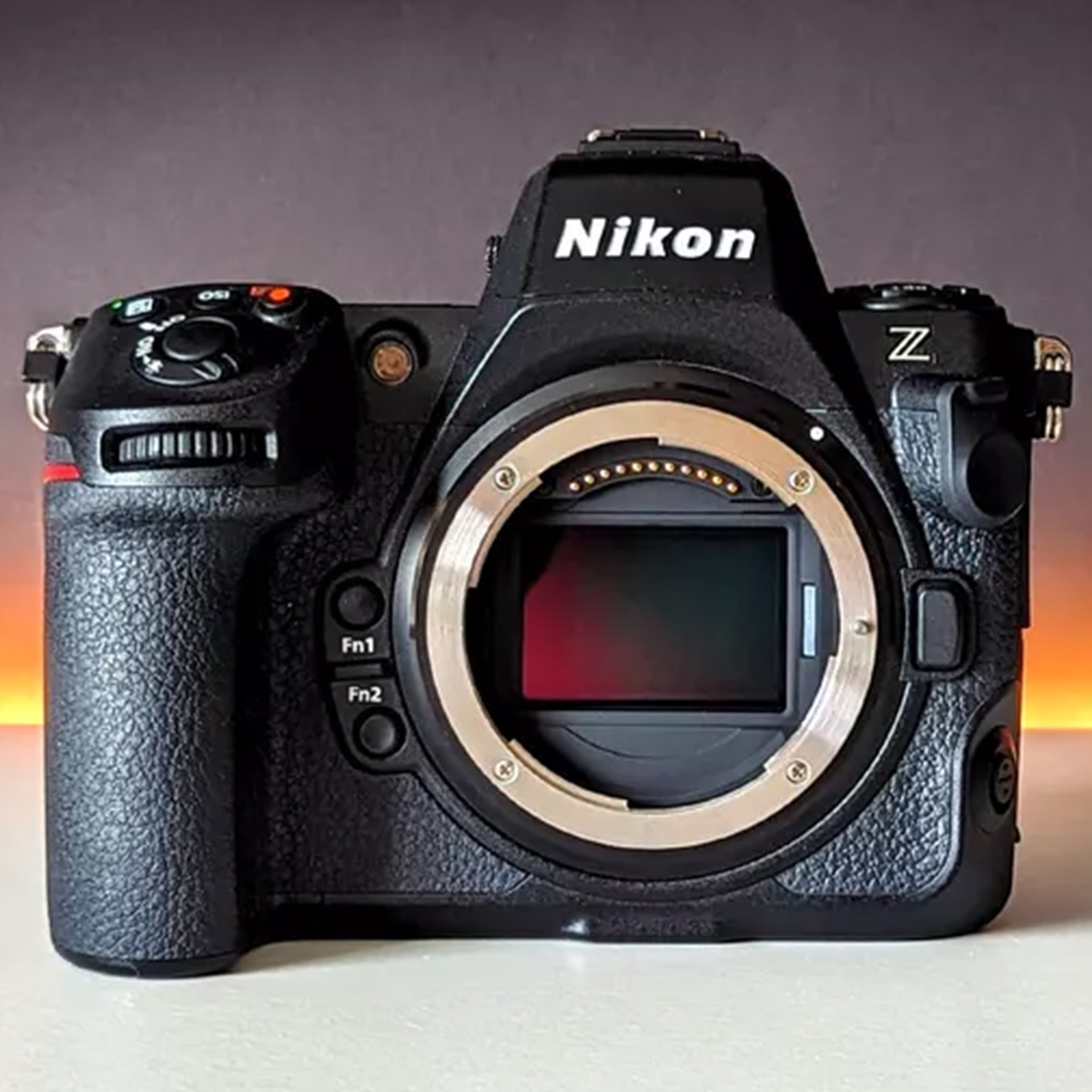
For those aiming to capture the dazzling Geminid meteor shower, comprehensive resources are available to guide your astrophotography efforts. A detailed guide outlines essential techniques for imaging meteor showers, complemented by expert recommendations on the ideal cameras and lenses to enhance your celestial observations.
Space.com invites readers to submit their captivating photography of shooting stars. If you’ve captured the fleeting beauty of a meteor shower or a lone streaking meteor, share your images for a chance to be featured. Please send your photo(s), along with any descriptive comments, your full name, and geographical location, directly to spacephotos@space.com. Your contributions could be showcased to our global audience.