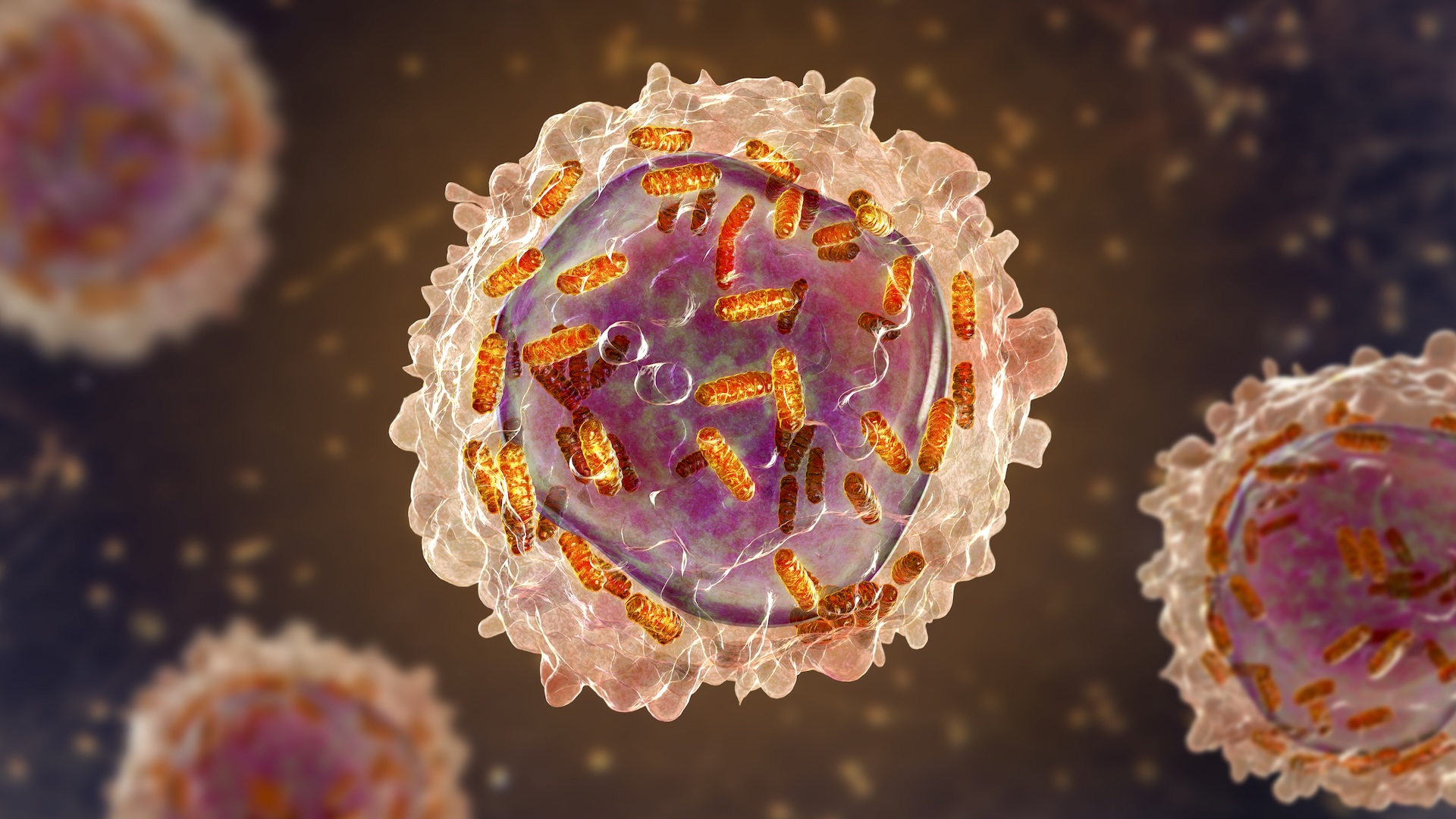
In 1954, a pivotal medical breakthrough was announced: researchers had developed a new drug capable of inducing remission in children battling acute leukemia. This revolutionary compound quickly established itself as one of the earliest and most significant chemotherapy agents. Beyond its immediate therapeutic impact, the drug’s development fundamentally reshaped the pharmaceutical landscape, laying the intellectual groundwork for a systematic and “rational” approach to drug design.
Despite earning her master’s degree in chemistry in 1941, Gertrude Elion encountered significant obstacles in her early career, consistently being denied graduate research positions because they were largely unavailable to women. This systemic barrier led her to pursue alternative employment, taking on roles as a high school chemistry teacher and, later, a food quality tester for a supermarket company. These formative professional experiences were documented by Elion herself in a 1988 autobiographical sketch.
In 1944, she began working at the Burroughs-Wellcome pharmaceutical company (now GSK), joining the laboratory led by George Hitchings. At the time, Hitchings was pioneering a revolutionary approach to drug development, fundamentally departing from the traditional trial-and-error methods that had long dominated pharmaceutical design.
The passing of her beloved grandfather from cancer when she was just 15 proved a pivotal motivator for Dr. Gertrude Elion’s pioneering scientific pursuits. In 1988, she reflected that this profound personal tragedy ignited in her an intense drive to develop treatments that could ultimately eradicate the devastating illness.
Hitchings and Elion’s groundbreaking insight stemmed from the understanding that nucleic acids, the fundamental building blocks of DNA, are indispensable for all cellular reproduction. They theorized that cells characterized by swift, uncontrolled division, such as invasive bacteria and malignant tumors, would consequently demand an accelerated supply of these compounds to sustain their relentless growth. This crucial deduction led them to propose a revolutionary strategy: identifying agents capable of inhibiting nucleic acid synthesis could effectively halt the progression of cancer.
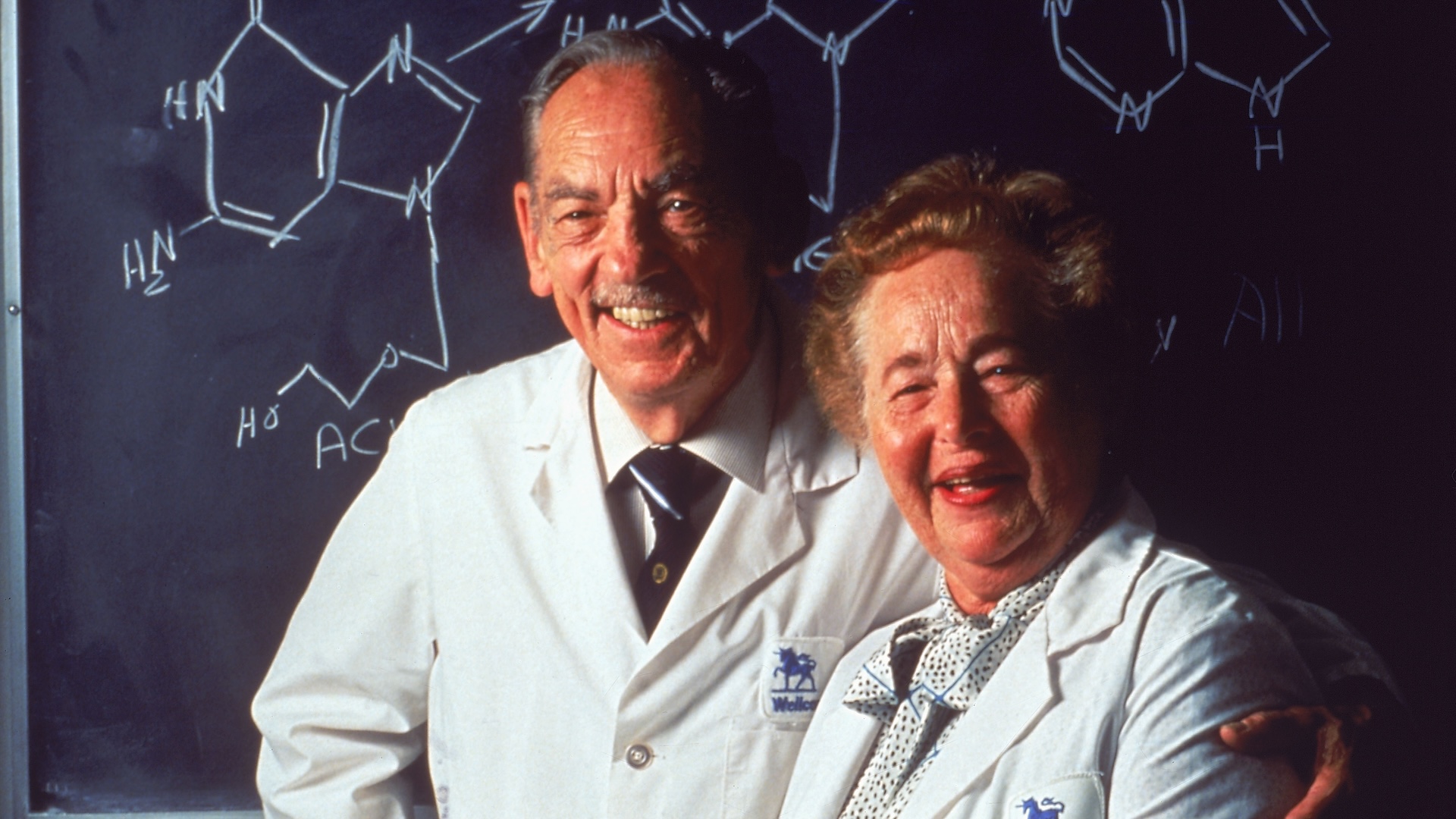
In a pivotal moment for medical science, 1950 saw the groundbreaking discovery of 6-mercaptopurine (6-MP). Researcher Elion, then 32, was part of the team that identified this purine-derived compound, which demonstrated an unprecedented ability to inhibit the growth of both bacterial and leukemia cells in laboratory environments.
The next two years brought further promise, as preclinical trials confirmed 6-MP’s effectiveness in slowing tumor growth in animal models. By 1952, the experimental drug advanced to human trials, enrolling 107 patients across various cancer types. Significantly, this cohort included 45 children and 18 adults suffering from acute leukemia—a diagnosis that, prior to this breakthrough, offered little hope, with young patients typically succumbing to the disease within months due to the absence of any effective treatment.
Before the advent of 6-MP, chemotherapy options were largely defined by highly toxic compounds, some with origins in chemical warfare agents. 6-MP offered a stark contrast, demonstrating notably better tolerability in young patients. The drug delivered a pivotal breakthrough: 15 children achieved complete remission, a remarkable feat even if these periods lasted only weeks to a few months. Though not a long-term solution, this represented an unprecedented leap beyond previous treatment capabilities. For researcher Elion, the emotional journey was intense, oscillating between profound elation at a child’s recovery and deep despair as their illness returned.
Driven by a determination to achieve more durable remissions, Hitchings and Elion broadened their research to encompass other related compounds. By the late 1950s, their efforts yielded a pivotal treatment regimen. This innovative approach combined 6-MP with methotrexate—another chemotherapy drug, notably developed by Dr. Jane Wright and her colleagues. The resulting therapy proved effective, establishing longer-lasting, stable remissions in a subset of children afflicted with acute leukemia.
Throughout her extensive and impactful career, pharmacologist Gertrude Elion was instrumental in developing a multitude of groundbreaking medications. Her key contributions include azathioprine, a critical drug used to treat rheumatoid arthritis and prevent organ transplant rejection; acyclovir, a potent antiviral effective against conditions such as genital herpes, chickenpox, and shingles; and AZT, which made history as the first medication proven to combat HIV/AIDS.
Her revolutionary work was honored in 1988 when she was awarded the Nobel Prize in Physiology or Medicine. Elion shared the prestigious award with George H. Hitchings and Sir James Black, recognized for their “important principles in drug design,” a commendation that specifically cited her pioneering research, including her development of 6-MP.