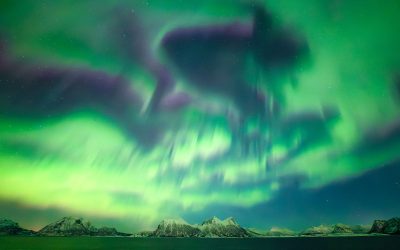
Aurora enthusiasts across the United States could be treated to a spectacular display of the northern lights tonight and tomorrow. The anticipated celestial event is attributed to an incoming coronal mass ejection (CME) from the sun, which is forecast to impact Earth.
The prediction comes from the National Oceanic and Atmospheric Administration’s (NOAA) Space Weather Prediction Center, which advises sky-watchers to prepare for a potential show of the aurora borealis across wide swaths of the country.
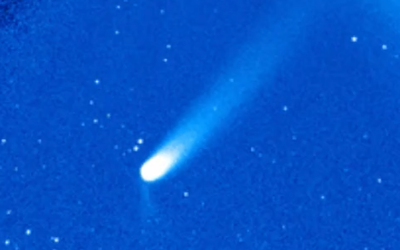
A significant full-halo coronal mass ejection (CME), unleashed by an M8.1 solar flare on December 6, is projected to impact Earth between early morning and midday on December 8. This celestial event carries the potential to trigger periods of strong (G3) geomagnetic storming.
Aurora enthusiasts can anticipate a heightened opportunity to witness the Northern Lights, with visibility significantly enhanced for observers located in both high and mid-latitude regions.
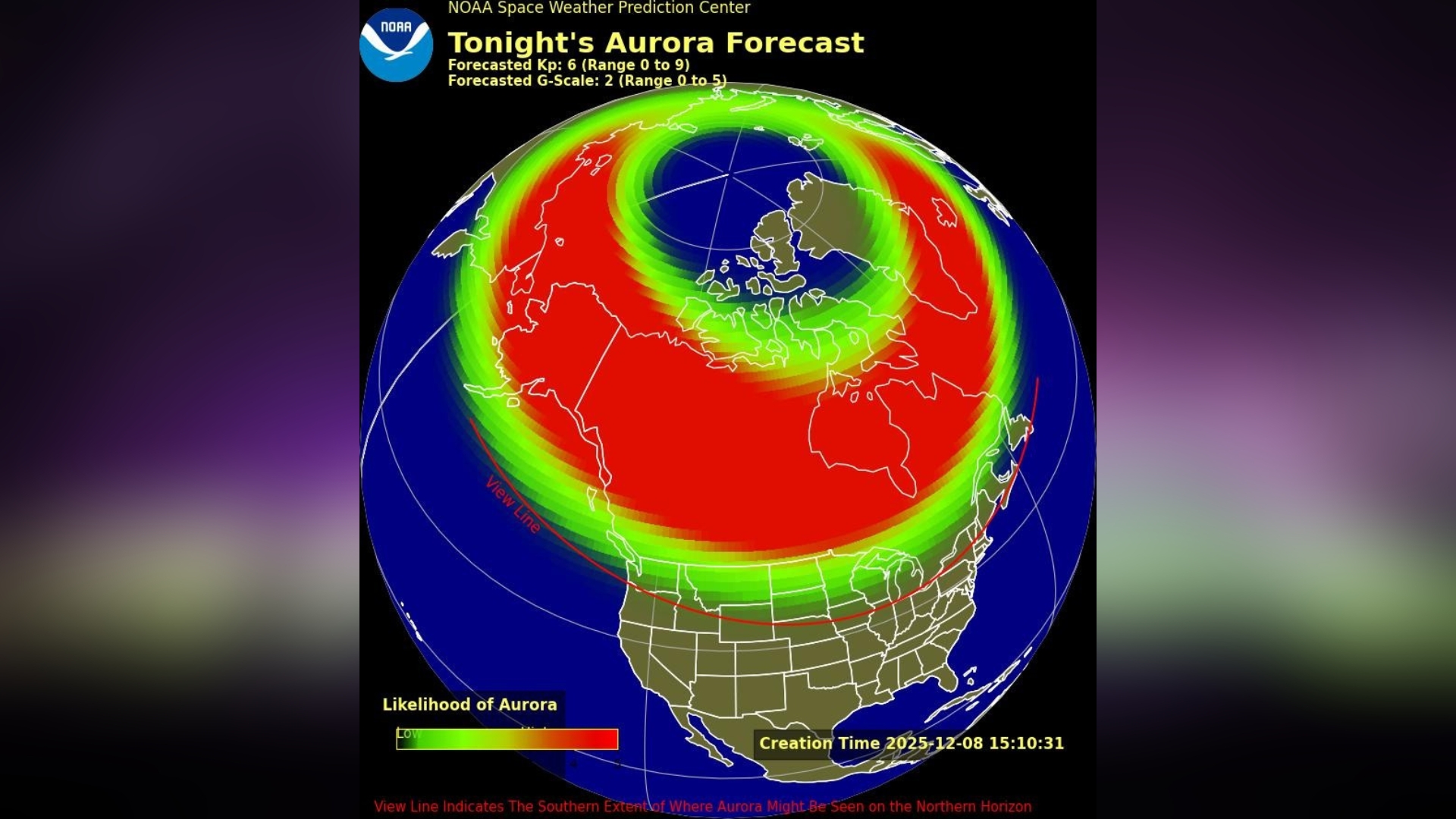
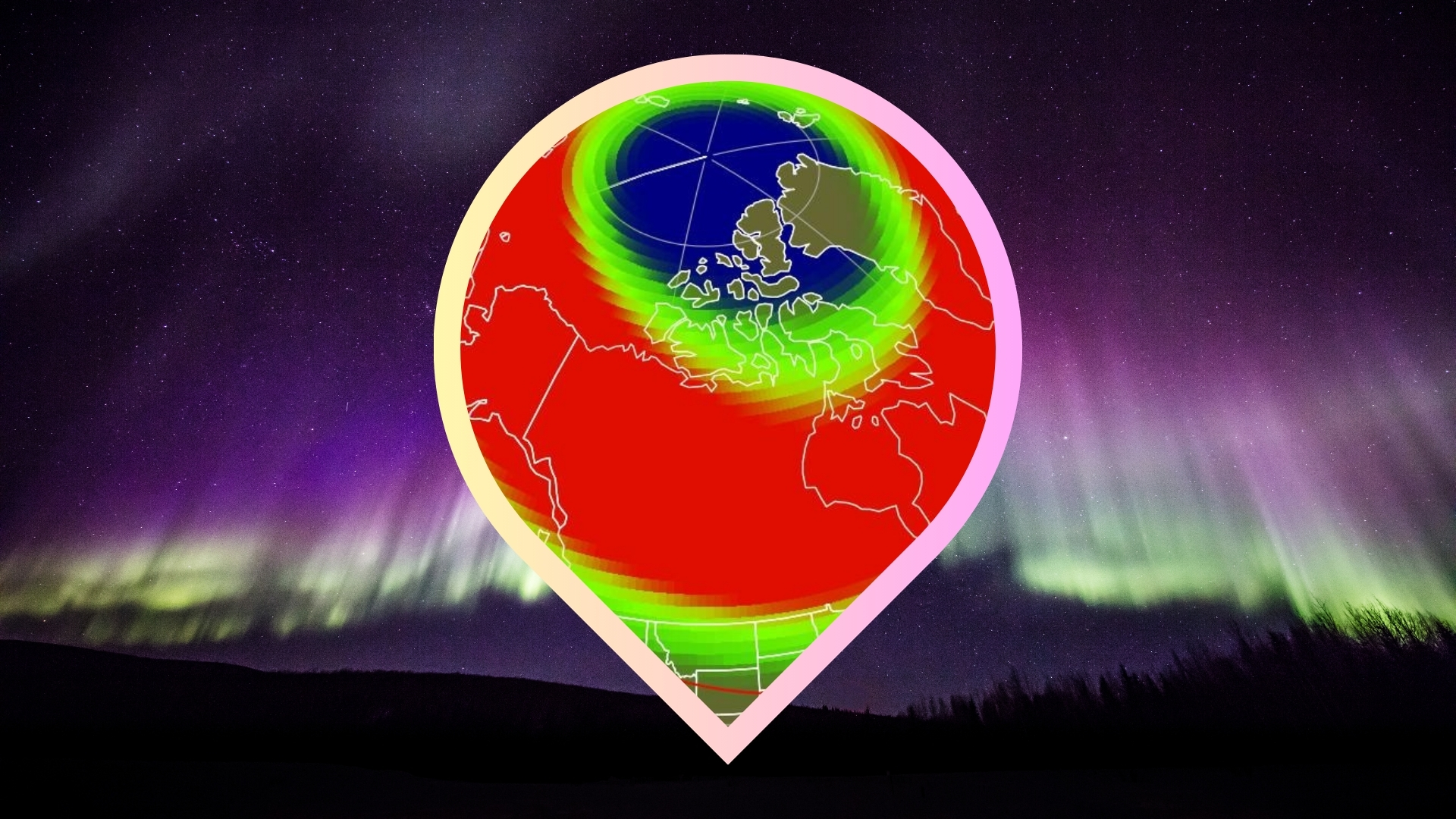
According to the latest aurora forecast map released by the National Oceanic and Atmospheric Administration (NOAA), a total of 17 states are positioned within the potential viewing zone for the Northern Lights. Residents in these states could have an opportunity to witness the celestial display, as their territories appear either fully or partially above the aurora view line.
A new ranking categorizes states by their likelihood of experiencing the captivating aurora borealis. This hierarchy is determined by assessing each state’s geographic proximity to, and its territorial footprint within, the dynamic auroral zone.
The aurora borealis, a celestial phenomenon renowned for its inherent unpredictability, remains subject to the capricious nature of atmospheric and solar conditions. While current forecast data provides a preliminary outlook, significant deviations are entirely possible. Should solar activity intensify and skies remain clear, the aurora’s captivating display could extend considerably further south than presently predicted. Conversely, if conditions fail to align as anticipated, observers might face a complete absence of the expected light show. Ultimately, patience will be key as the final outcome unfolds.
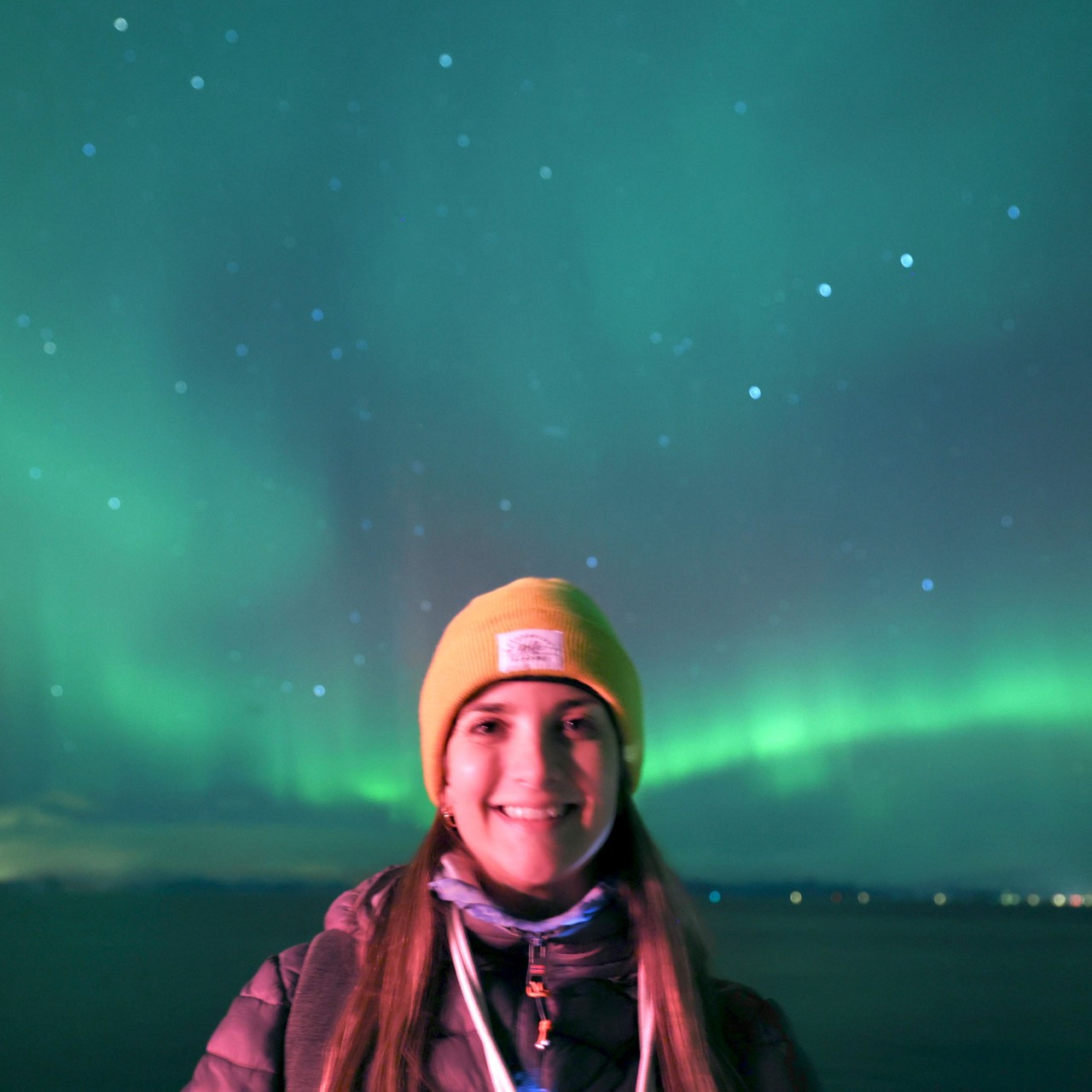
Tonight, December 8-9, residents in 17 U.S. states have a prime opportunity to witness a spectacular display of the Northern Lights. The Aurora Borealis is anticipated to become visible shortly after nightfall and will continue throughout the evening, prompting skygazers to look upward for this rare celestial event.
The National Oceanic and Atmospheric Administration (NOAA) has issued its three-day forecast, highlighting specific periods when geomagnetic storm activity is predicted to be most intense.
For residents across 17 U.S. states, tonight presents a rare and spectacular opportunity to witness the mesmerizing aurora borealis. If you live in one of these fortunate regions and hope to catch a glimpse of the northern lights, strategic preparation can significantly enhance your viewing prospects.
To ensure optimal viewing conditions, observers should secure an elevated northern viewpoint that offers a completely unobstructed panorama of the horizon. Crucially, this location must be meticulously chosen for its significant distance from urban light pollution, guaranteeing pristine clarity for observation.
To enhance your chances of observing the aurora, deploy your smartphone camera to scan the night sky. Mobile device cameras possess a superior ability to detect subtle auroral glows that are often imperceptible to the naked eye. This technique serves as a crucial preliminary step, enabling you to pinpoint the general direction of the faint display and effectively focus your attention for optimal viewing.
To fully unlock your natural night vision, allow your eyes a crucial 30-minute period to adapt to complete darkness. This dedicated time is essential for developing optimal low-light sensitivity.
Wear warm clothing! Part of the fun of aurora hunting is the chase. Be prepared to sit or stand for hours if conditions are looking promising, as you won’t want to miss the show when it starts!
We recommend downloading a space weather app that provides aurora forecasts based on your location. One option I use is “My Aurora Forecast & Alerts,” available for both iOS and Android. However, any similar app should work well. I also use the “Space Weather Live” app, which is available on iOS and Android, to get a deeper understanding of whether the current space weather conditions are favorable for aurora sightings. Want to capture the perfect photo? Our how to photograph auroras guide can help.