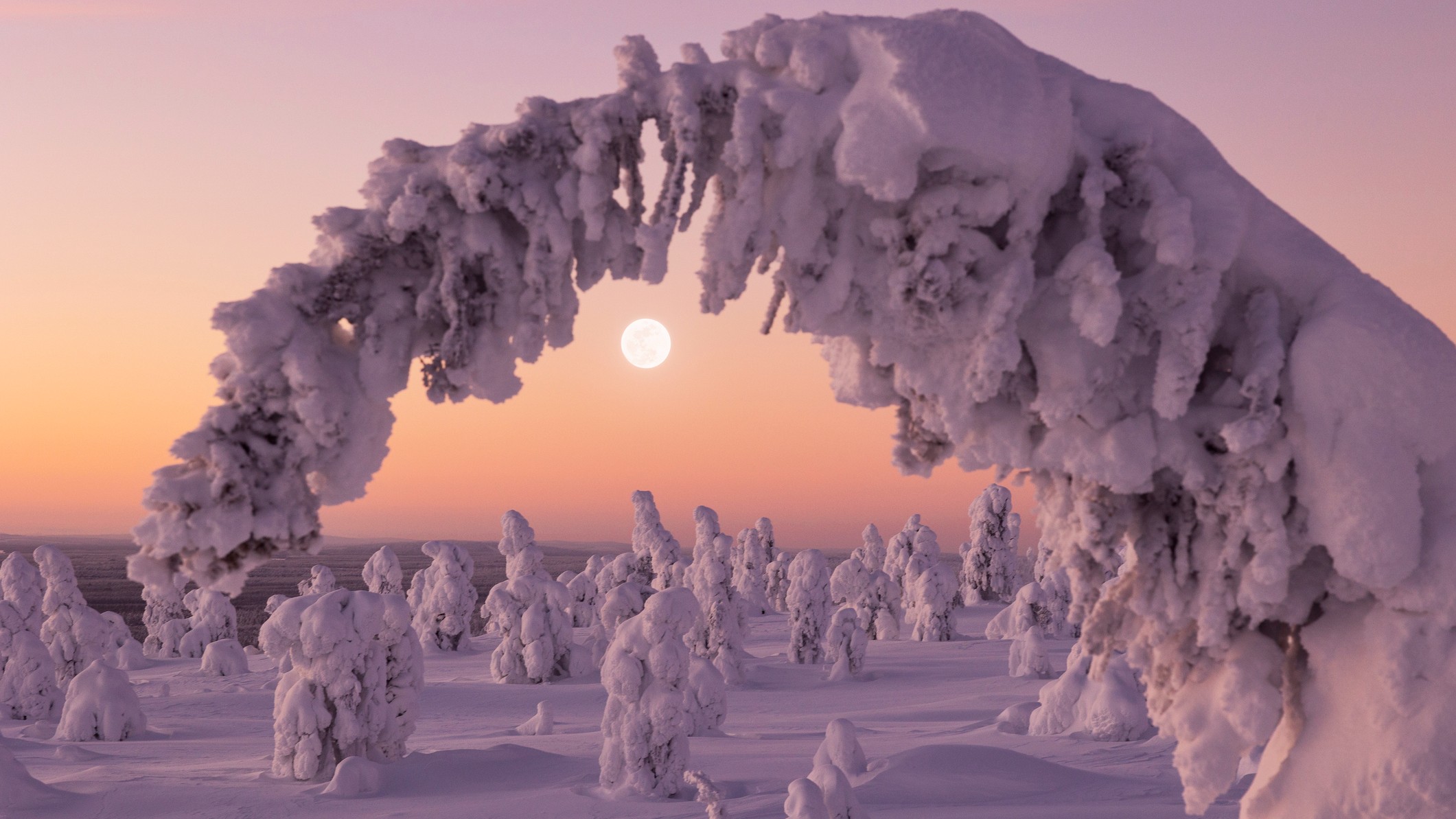
Defining the arrival and departure of winter isn’t as straightforward as it might seem, with two distinct calendar systems at play.
For weather forecasters in the Northern Hemisphere, winter officially begins on December 1st and concludes at the end of February. This period is known as **meteorological winter**, used for consistent seasonal record-keeping and forecasting.
Conversely, the astronomical definition of winter, which is based on the Earth’s axial tilt and its orbit around the sun, starts later. For the 2025-2026 season, astronomical winter will commence on December 21, 2025, and extend through March 20, 2026.
Astronomical winter, a period determined by Earth’s orbit, officially begins with the winter solstice – the shortest day of the year for those in the Northern Hemisphere. This celestial season concludes with the spring equinox, an event whose name literally translates to “equal night,” marking the official commencement of spring.
This year, the winter solstice is scheduled to occur on Sunday, December 21, at precisely 10:03 a.m. EST (15:03 UTC). This pivotal astronomical event marks both the Northern Hemisphere’s shortest day and the official commencement of astronomical winter.
The phenomenon is a direct consequence of Earth’s rotational axis, which maintains a tilt of 23.5 degrees. During the December solstice, the Northern Hemisphere’s axis is oriented furthest away from the sun, leading to the fewest hours of daylight experienced in the region.
The solstice represents a significant astronomical turning point, marking the moment when the sun appears to halt its southward trajectory across the sky before commencing its northward return. Etymologically, the term “solstice” originates from Latin, meaning “sun still.” For observers in the Northern Hemisphere, this precise occasion is characterized by the sun reaching its most extreme southerly positions for both sunrise and sunset on the horizon.
On December 21, precisely at noon, the sun will achieve its direct overhead position above the Tropic of Capricorn. This significant line of latitude is situated approximately 23.5 degrees south of the Earth’s equator. Its geographical course spans across ten nations: Argentina, Australia, Botswana, Brazil, Chile, Madagascar, Mozambique, Namibia, Paraguay, and South Africa.
In a distinct seasonal reversal, the Southern Hemisphere is currently experiencing its summer solstice south of the equator. This astronomical event occurs when Earth’s southern axis is tilted directly towards the sun, resulting in the year’s maximum daylight hours and the shortest night for the region.
These extremes are felt most of all at the planet’s poles; the sun does not rise at the North Pole and does not set at the South Pole on the solstice. (Hence, “sun still.”)
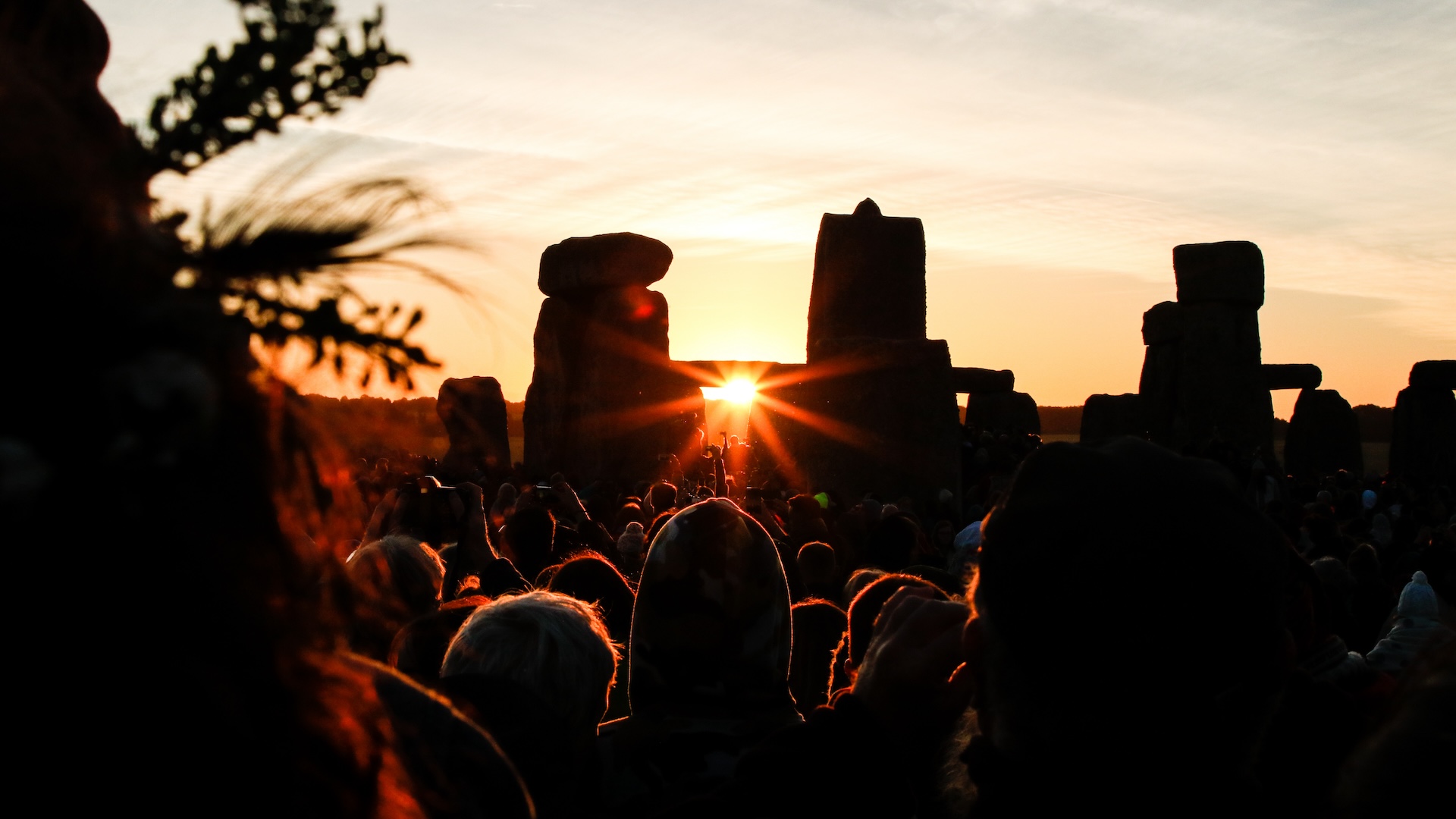
The winter solstice has long been celebrated as the rebirth of the sun in the Northern Hemisphere because it is when the sun is at its lowest in the sky, and in its wake, the days begin to get longer. The most famous celebration is at Stonehenge, a 5,000-year-old structure in England built to align with the sun at the solstice, according to English Heritage.