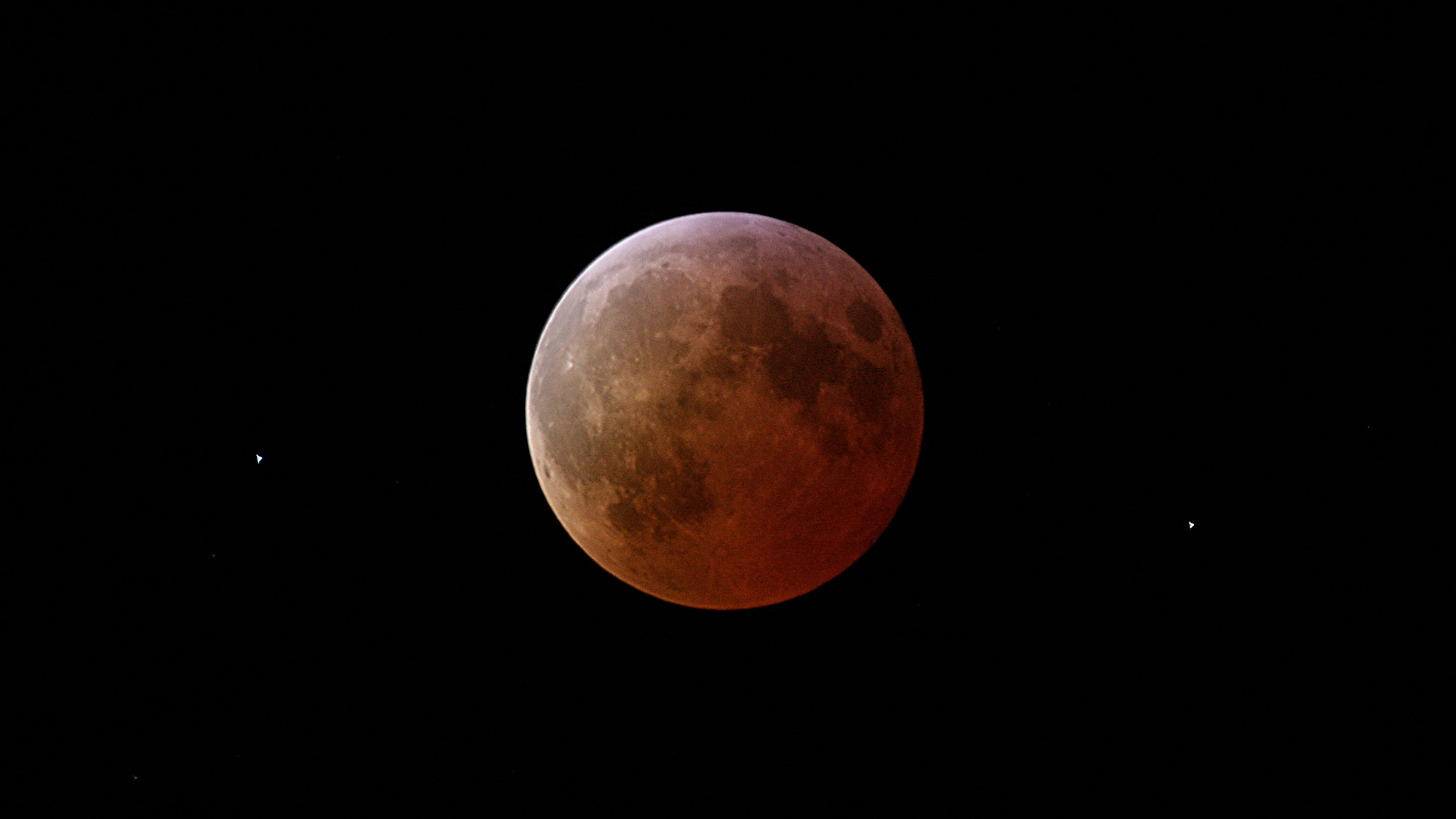
Capturing the celestial spectacle of the moon offers a captivating and fulfilling pursuit for shutterbugs of any experience level. Fortunately, it stands as one of the more accessible disciplines within astrophotography, making it an ideal entry point for newcomers to the field. While the moon presents an excellent subject throughout its various phases, the upcoming full Snow Moon on February 1st and the dramatic Blood Moon lunar eclipse on March 3rd are poised to be particularly prime targets for photographers.
Capturing the moon’s celestial dance through photography offers a diverse range of visual possibilities, from the stark beauty of full lunar disks to the delicate curves of crescents and the awe-inspiring spectacle of blood-red eclipses. However, much like any photographic endeavor, achieving stunning lunar images hinges on a harmonious blend of cutting-edge astrophotography equipment, refined technique, and a creative vision, all influenced by the moon’s current phase and the ever-changing sky conditions.
This guide will equip you with the fundamental knowledge needed to capture stunning images of the moon. We’ll explore upcoming astronomical events that present prime photographic opportunities, identify the optimal camera gear for lunar photography, discuss effective composition and stylistic approaches, and, crucially, detail the precise camera settings that will yield impressive results.
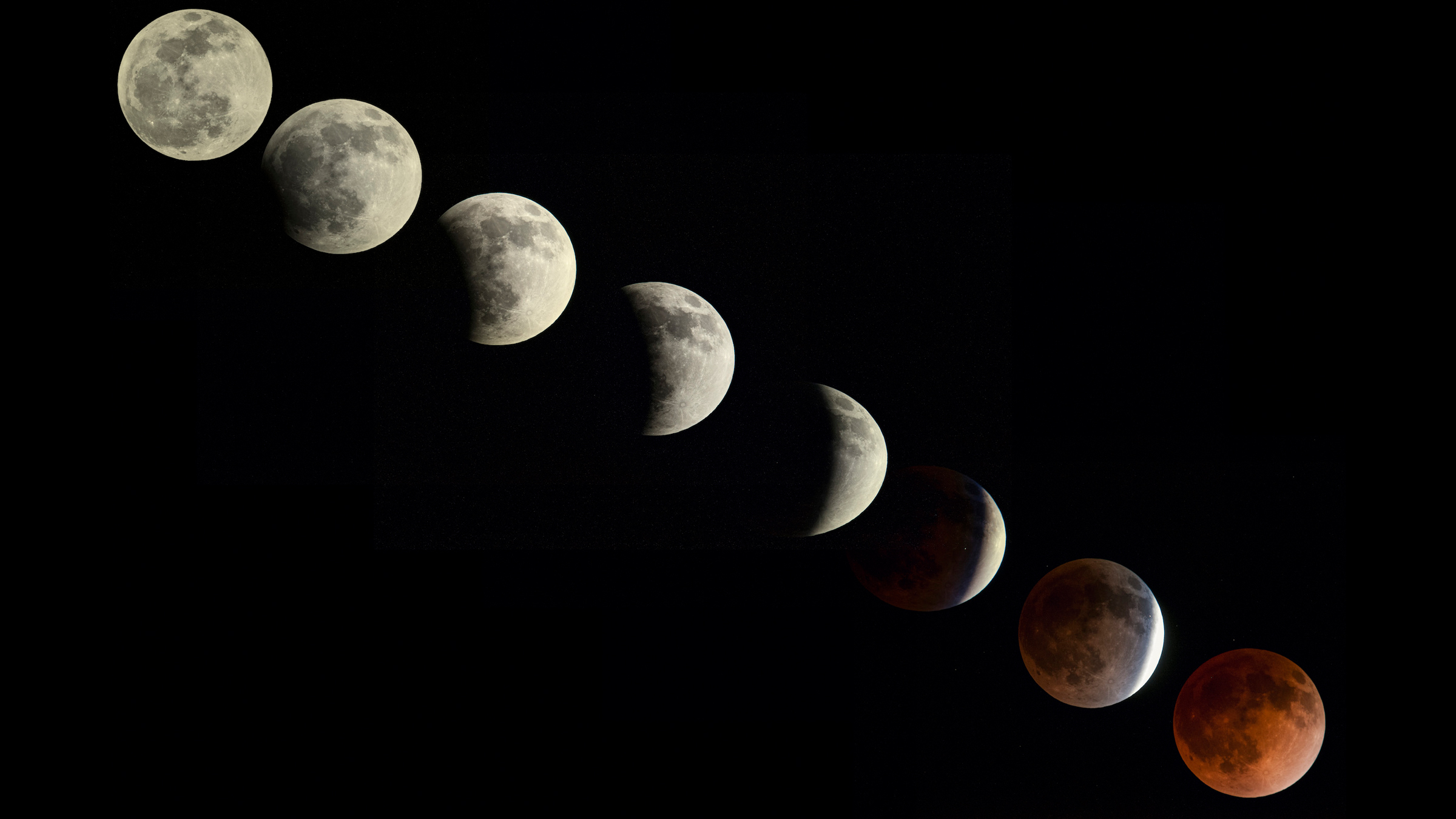
**Stargazers and photographers, mark your calendars for March 2-3, 2026!** A spectacular total lunar eclipse, often dubbed a “blood moon,” is set to grace the night sky. This celestial event occurs when the Moon journeys completely into Earth’s shadow, a rare phenomenon that can bathe our lunar neighbor in a striking copper-red hue for approximately sixty minutes.
The eclipse will be best observed in the western United States, unfolding in the late-night and early morning hours. For those residing in the eastern half of the country, a portion of the eclipse will still be visible as the Moon dips below the horizon around dawn. This rare opportunity promises a breathtaking spectacle for all who gaze upwards.
On August 27-28, skywatchers across a significant portion of the United States will have a prime opportunity to witness a striking celestial event: a deep partial lunar eclipse. While the Moon will not be entirely engulfed by Earth’s shadow, a substantial part of its visible surface is expected to darken, creating a dramatic spectacle.
Mark your calendars for August, as a spectacular celestial display is on the horizon. On August 12th, a total solar eclipse will grace the skies, traversing regions of Europe, Greenland, and Iceland. For those seeking prime viewing opportunities, Iceland is poised to offer some of the most breathtaking vantage points along the path of totality.
While this event might not fit the conventional definition of a lunar photography expedition, it presents a unique chance to witness the moon’s dramatic silhouette obscuring the sun. Photographers will have the chance to capture the ethereal solar corona and the dazzling diamond ring effect. To ensure a safe and unforgettable experience, it is crucial to have specialized solar filters and the necessary viewing equipment prepared well in advance.
Get ready for a celestial spectacle as the year wraps up with a supermoon on December 23rd. This isn’t just any full moon; it’s the closest one we’ve seen to Earth since 2019. Because it aligns with perigee, the point in its orbit where it’s nearest to our planet, this lunar event will boast an unusually large and luminous appearance. The dramatic effect is amplified during moonrise and moonset, offering photographers and stargazers a prime opportunity to capture its grandeur alongside captivating earthly backdrops. Mark your calendars now for all the full moon dates throughout 2026.
Here are a few paraphrased options, each with a slightly different emphasis, maintaining a journalistic tone:
**Option 1 (Focus on Opportunity):**
> Skywatchers have opportunities to witness captivating celestial alignments in the coming months. Notably, the moon will closely approach Mercury on February 18, and a delicate crescent moon will grace the vicinity of Venus on March 20. Both events are best observed shortly after dusk, presenting excellent chances for photographers to capture wide-angle images showcasing the moon alongside vibrant twilight hues.
**Option 2 (More Concise):**
> The celestial calendar offers several striking moon and planet conjunctions. On February 18, an alignment with Mercury is set to occur, followed by a crescent moon appearing near Venus on March 20. Both spectacles will be visible in the early evening sky, ideal for wide-angle photography that integrates the moon with the colorful tapestry of twilight.
**Option 3 (Slightly More Evocative):**
> Prepare for a series of breathtaking celestial pairings as the moon navigates its orbital path. Mark your calendars for a close encounter with Mercury on February 18, and a particularly graceful crescent moon positioned near Venus on March 20. These events, observable just after sunset, are tailor-made for wide-angle photography, offering the chance to capture the moon silhouetted against stunning, colorful twilight skies.
**Key changes made and why:**
* **Synonyms:** “attractive moon/planet pairings” became “captivating celestial alignments,” “striking moon and planet conjunctions,” and “breathtaking celestial pairings.” “Close alignment” became “closely approach,” “alignment is set to occur,” and “close encounter.” “Near” became “vicinity of,” “appearing near,” and “positioned near.”
* **Sentence Structure:** The original sentence structure was broken down and reassembled for better flow and impact.
* **Word Choice:** “Work well for” was replaced with phrases like “present excellent chances for,” “ideal for,” and “are tailor-made for.” “Combine the moon with colorful twilight skies” was rephrased to “showcasing the moon alongside vibrant twilight hues,” “integrates the moon with the colorful tapestry of twilight,” and “capture the moon silhouetted against stunning, colorful twilight skies.”
* **Tone:** The language is more active and descriptive, common in journalistic reporting of events. Phrases like “Skywatchers have opportunities” or “The celestial calendar offers” set a professional, informative tone.
* **Clarity:** The core information (dates, celestial bodies, viewing time, photographic potential) is retained and presented clearly.
Here are a few paraphrased options, each with a slightly different emphasis, maintaining a journalistic tone:
**Option 1 (Direct and Informative):**
> While the advice provided here is largely applicable to documenting celestial events such as moon eclipses, a few additional considerations beyond location, weather, and general setting are crucial for capturing such a phenomenon.
**Option 2 (More Engaging):**
> When preparing to photograph a lunar spectacle like an eclipse, many of the tips outlined below will prove invaluable. However, it’s important to note that a few specific factors, in addition to scouting the right location, monitoring the weather, and establishing your scene, warrant particular attention.
**Option 3 (Concise and Action-Oriented):**
> Capturing a moon event, such as an eclipse, benefits greatly from the suggestions detailed herein. Nevertheless, alongside standard considerations for location, weather, and setting, several unique aspects require your focus.
**Option 4 (Emphasizing the “Beyond”):**
> The following recommendations offer excellent guidance for a range of photographic pursuits, including documenting striking moon events like eclipses. Beyond the fundamental elements of location, weather, and scene composition, a few extra points deserve special consideration.
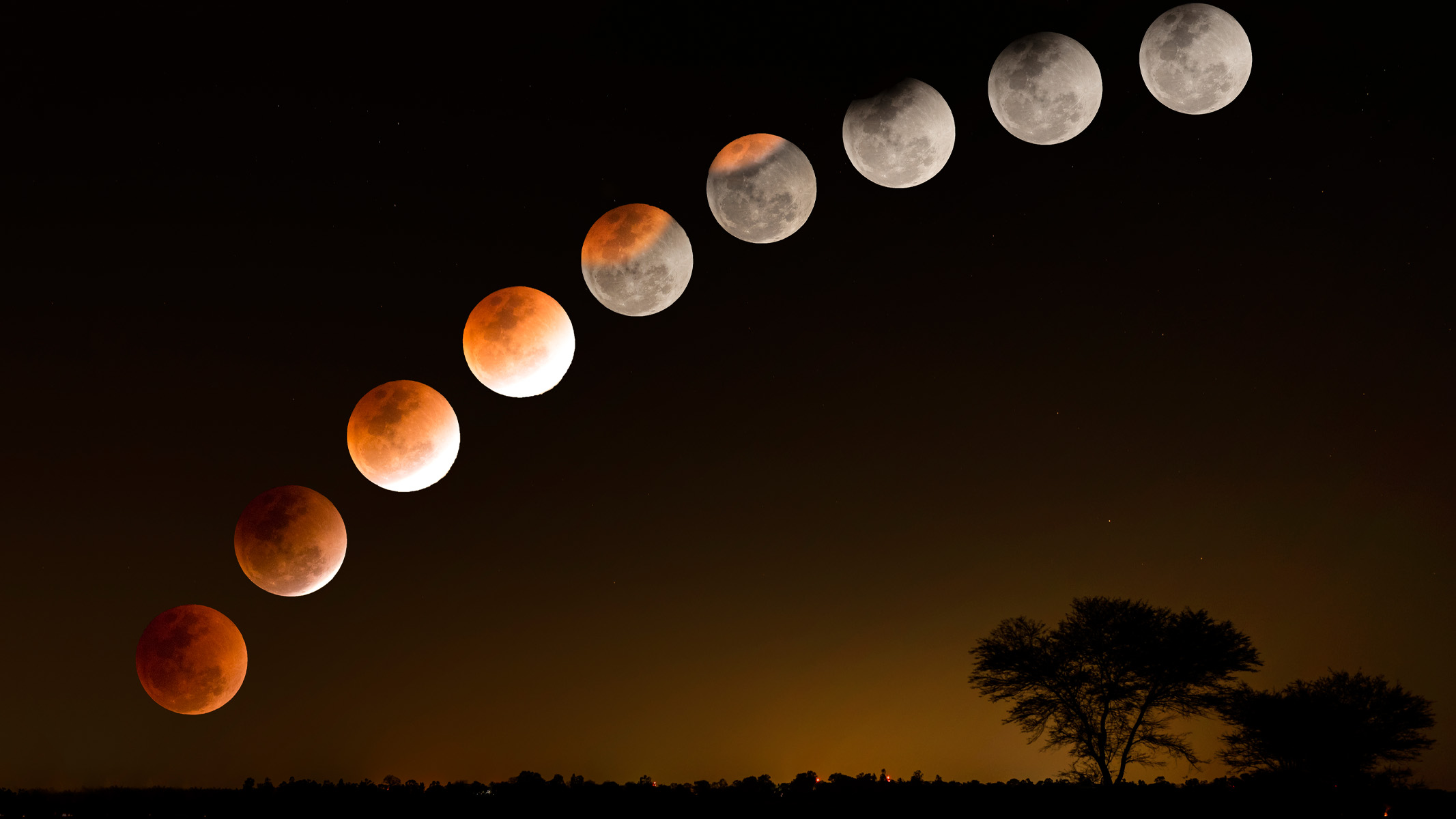
During a total lunar eclipse, the moon appears fully obscured, and capturing its full detail requires adjusting your camera’s shutter speed to compensate for the reduced light. For this phase of the eclipse, photographers should experiment with shutter speeds ranging from 0.5 to 2 seconds. This extended exposure time is necessary because the surrounding sky darkens considerably, allowing for a longer capture to reveal the subtle textures and features of the eclipsed moon.
For an unparalleled viewing experience of the moon’s evolving hues during an eclipse, securing a location with minimal light pollution is paramount. Any ambient light, even faint urban glow, will be dramatically accentuated, potentially washing out the subtle reds and oranges. Therefore, a profoundly dark environment is essential to truly unlock the full, breathtaking spectrum of the lunar display.
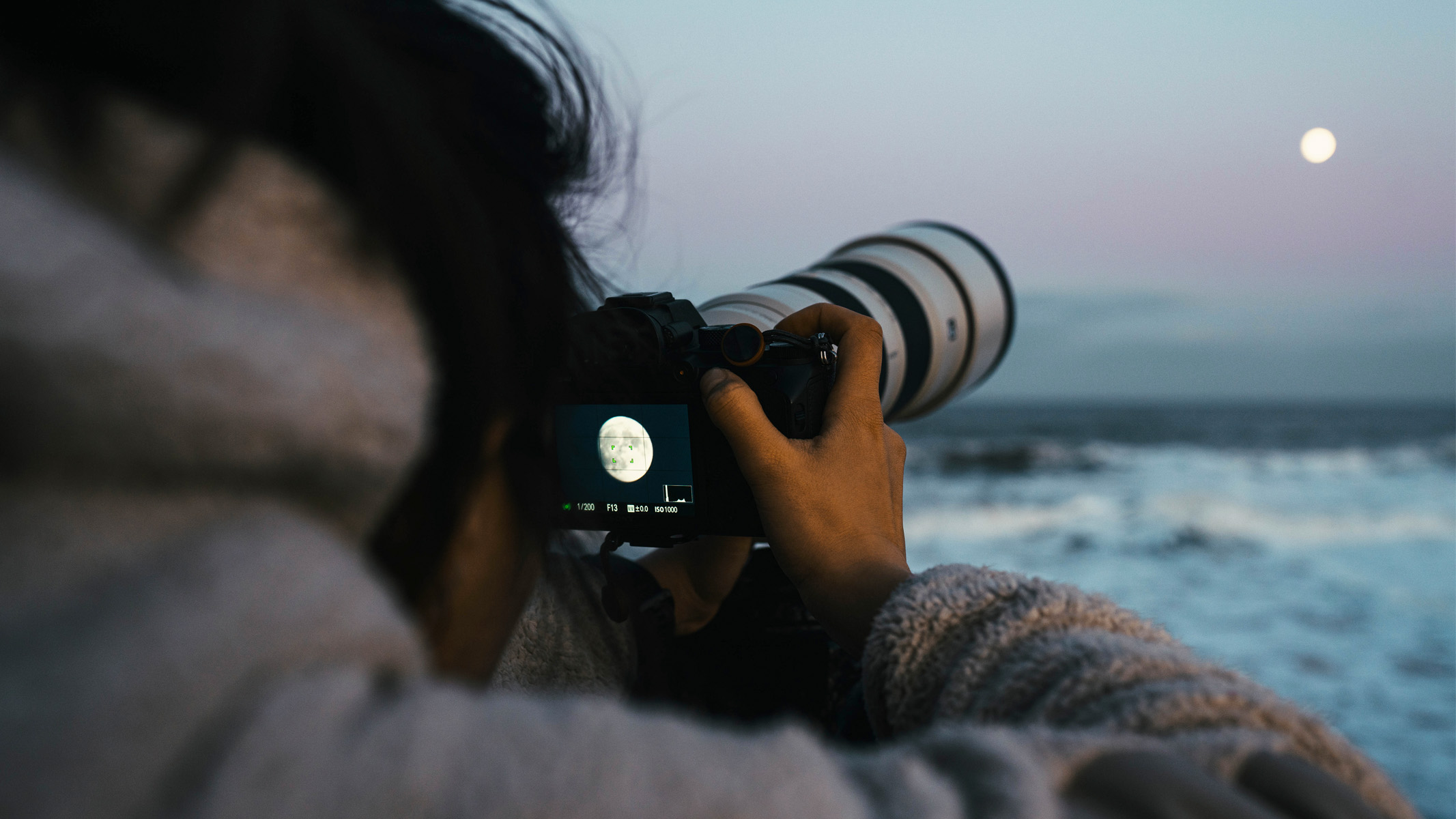
While capturing the moon is possible with nearly any camera, photographers aiming for optimal clarity and versatility will find a DSLR or mirrorless system to be the superior choice. However, even if your equipment is more compact—such as a small point-and-shoot like the Sony RX100—surprisingly good lunar images remain within reach. Success with these smaller cameras hinges on two crucial specifications: a sensor size of at least one inch and a fast lens, ideally with an aperture of f/1.8 or wider.
For aspiring lunar photographers, the ability to manually control crucial camera settings—shutter speed, aperture, and ISO—is absolutely essential. This granular command over exposure is paramount for capturing the moon’s intricate details with precision. Moreover, many high-end astrophotography cameras further enhance this capability by featuring dedicated functionalities specifically engineered for celestial imaging.
For aspiring lunar photographers, getting started is more accessible than ever. Entry-level DSLRs and mirrorless cameras are highly recommended as initial investments, offering a strong foundation for capturing detailed images of Earth’s closest celestial body. Popular models such as the Canon EOS Rebel series, Nikon D3500, or Sony Alpha a6400 provide excellent starting points for beginners to achieve impressive results.
Beyond dedicated camera gear, even modern smartphones can yield surprisingly good photographs of the moon. This capability is further enhanced when devices are equipped with telephoto lens attachments and applications that unlock manual exposure settings. Additionally, the technique of digiscoping presents another viable avenue: by expertly pairing a camera with appropriate binoculars or a spotting scope, enthusiasts can achieve compelling close-ups of our celestial neighbor.
For professional photographers ready to invest in top-tier equipment, the Nikon Z8 and Canon EOS R5 stand out as premier recommendations, representing leading choices in their class. Meanwhile, for those prioritizing exquisite detail in large-format prints or venturing into demanding commercial photography, the high-resolution Sony Alpha 7R series presents an exceptionally strong proposition.
For those seeking an alternative photographic strategy for the upcoming total lunar eclipse, high-performance telescopes offer the capability to produce truly stunning images. Taking automation a step further, smart telescopes can autonomously track and perfectly photograph the entire celestial event, ensuring no detail is missed.
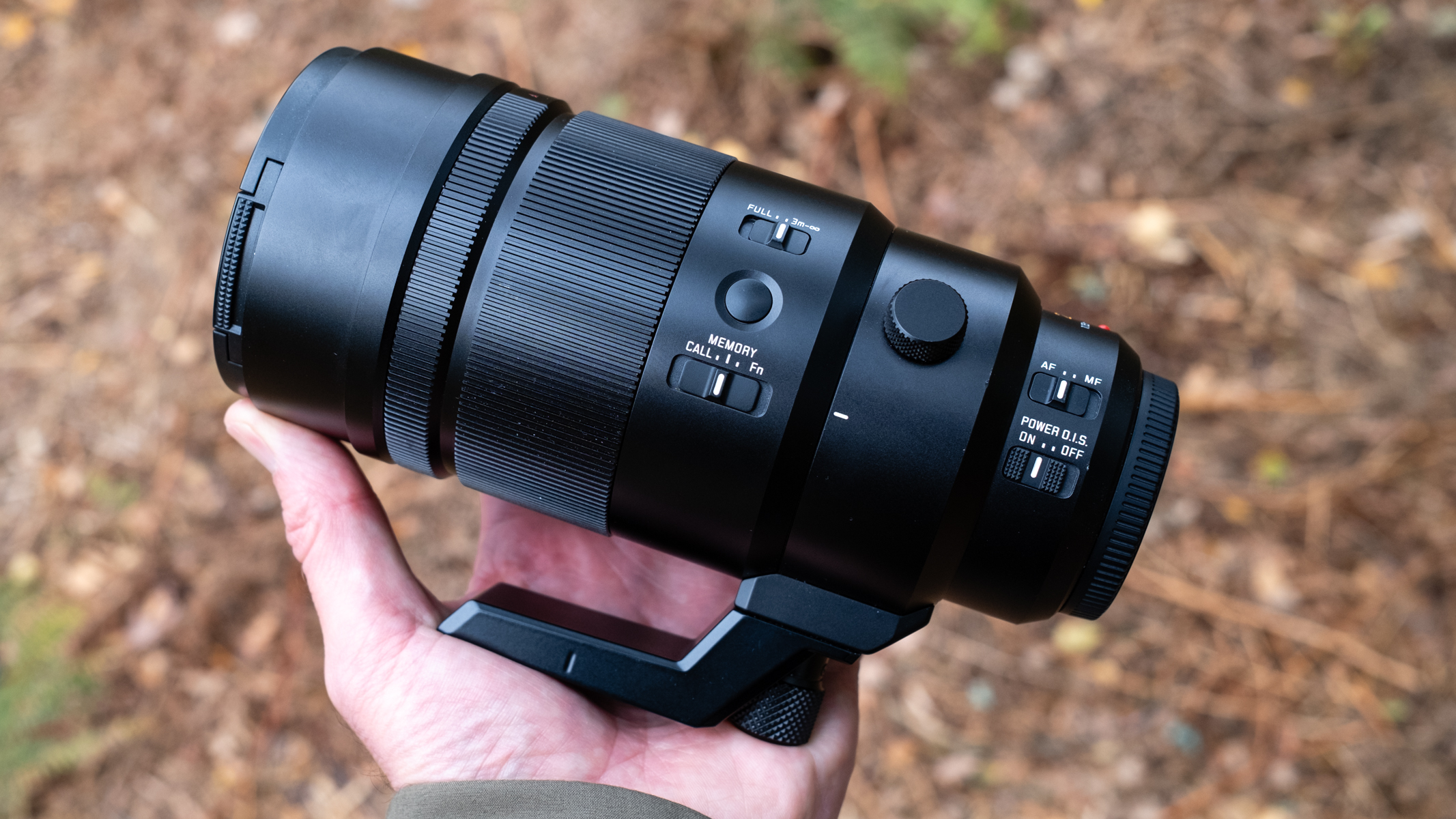
Capturing stunning images of the moon hinges on having the right lens, often considered the single most crucial piece of gear for this celestial pursuit. Given the moon’s diminutive size and vast distance from Earth, a telephoto or even a super-telephoto lens is highly recommended. However, aspiring lunar photographers need not despair if their budget is limited. Excellent results are still achievable with more modest investments, provided one opts for a lens offering at least 200mm of zoom and steers clear of the basic “kit” lenses often bundled with cameras.
For capturing the moon in detail, photographers should opt for a lens with a minimum focal length of 200mm. However, lenses within the 400mm to 600mm range are ideal for achieving finer detail and a larger lunar presence in your photographs. While prime lenses are often lauded for their sharpness, zoom lenses offer greater versatility, particularly when you intend to incorporate the surrounding celestial landscape or earthly elements into your shots. We will explore the nuances of composition further in the following section.
Here are a few options for paraphrasing that sentence, each with a slightly different emphasis:
**Option 1 (Focus on Variety):**
> For photographers seeking versatile telephoto options, several standout lenses warrant consideration, including the Canon EF 100-400mm f/4.5-5.6L IS II, the Nikon AF-S 200-500mm f/5.6E ED VR, and the Sigma 150-600mm f/5-6.3 DG OS HSM.
**Option 2 (More Direct and Action-Oriented):**
> When evaluating telephoto lens choices, be sure to examine models such as the Canon EF 100-400mm f/4.5-5.6L IS II, the Nikon AF-S 200-500mm f/5.6E ED VR, and the Sigma 150-600mm f/5-6.3 DG OS HSM.
**Option 3 (Highlighting Key Features/Purpose):**
> Enthusiasts looking for powerful zoom capabilities will find excellent examples in lenses like the Canon EF 100-400mm f/4.5-5.6L IS II, the Nikon AF-S 200-500mm f/5.6E ED VR, and the Sigma 150-600mm f/5-6.3 DG OS HSM.
**Option 4 (Concise and Informative):**
> Notable telephoto lens options to consider include the Canon EF 100-400mm f/4.5-5.6L IS II, the Nikon AF-S 200-500mm f/5.6E ED VR, and the Sigma 150-600mm f/5-6.3 DG OS HSM.
All of these options maintain the original meaning while using different sentence structures and vocabulary for originality. They also adopt a clear, journalistic tone by directly presenting the information.
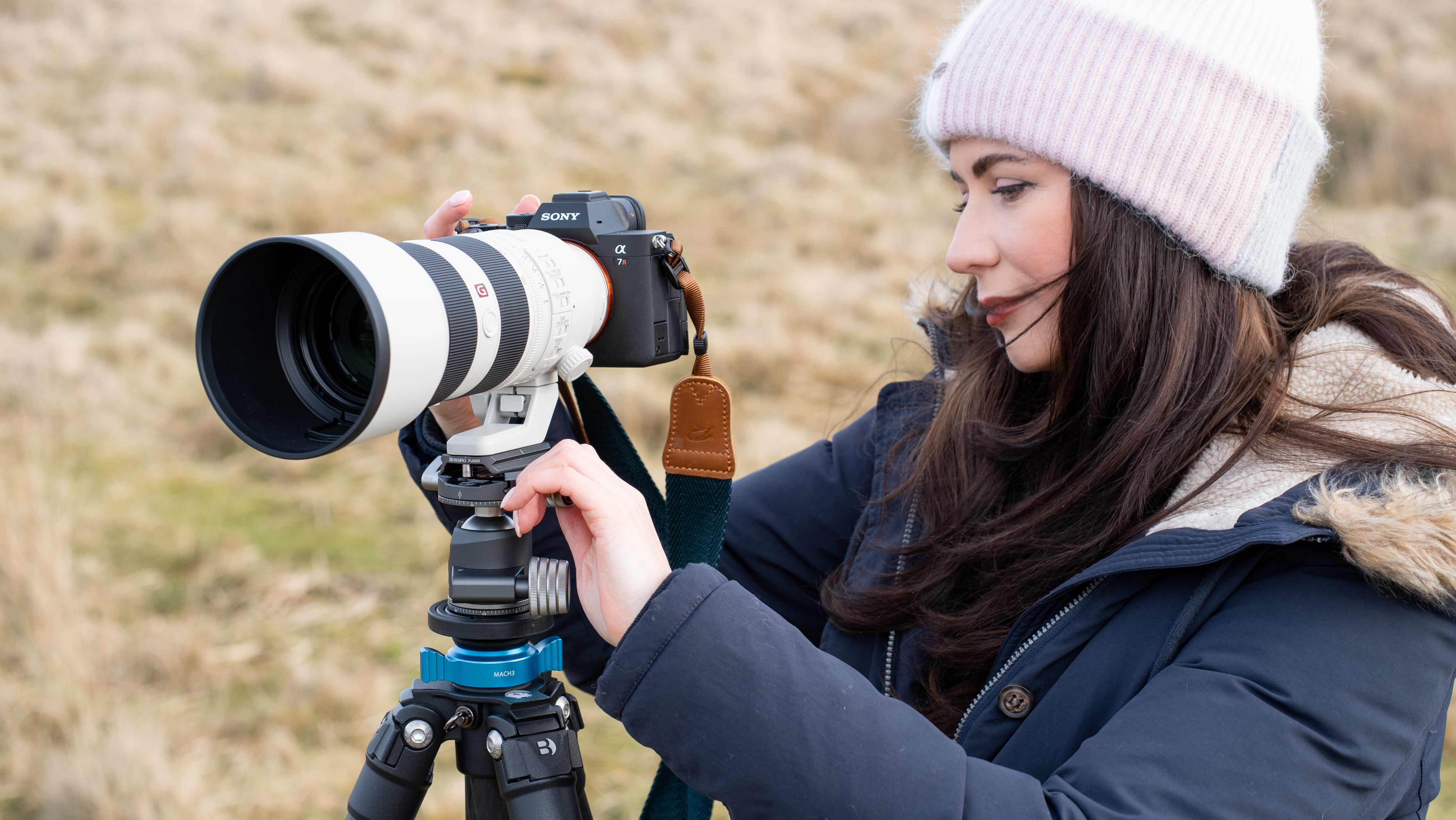
Capturing stunning images of the Moon is surprisingly accessible for aspiring astrophotographers, often requiring fewer specialized accessories than other celestial subjects. Its inherent brightness and clarity mean that impressive lunar photographs are within reach even with basic equipment. However, for those aiming for the ultimate in sharpness and intricate detail, particularly when employing a powerful telephoto lens, a stable setup becomes essential.
To achieve sharp, blur-free photographs, a stable camera setup is essential. Employing a sturdy tripod will anchor your camera, thereby eliminating the unwanted movement that leads to motion blur. Furthermore, by utilizing a remote shutter release or the camera’s built-in timer, you can sidestep the subtle vibrations that pressing the shutter button directly can introduce.
For those seeking to elevate their astronomical pursuits and capture more detailed celestial observations, a range of advanced accessories is available. Among these sophisticated tools are moon-tracking mounts.
These specialized units function as equatorial mounts, meticulously engineered to counteract the moon’s apparent motion across the night sky. By precisely following its trajectory, these mounts enable significantly longer photographic exposures, effectively eliminating the risk of image blur and ensuring sharp, high-quality results.
For superior image quality and optimal photographic results, the integration of a neutral-density (ND) or polarizing filter is highly recommended. These specialized filters are crucial for mitigating glare and enhancing intricate details, particularly during bright moon phases. Such conditions often present a significant challenge for photographers, making it difficult to accurately expose both the intensely luminous moon and the surrounding landscape within a single frame.
Here are a few options, maintaining a clear, journalistic tone:
**Option 1:**
“Capturing the moon’s majesty goes far beyond simply documenting a distant, glowing orb. To elevate lunar photographs from mere snapshots to truly compelling imagery, the deliberate application of thoughtful composition and distinct artistic style is essential.”
**Option 2:**
“Exceptional lunar photography isn’t just about snapping a bright disc in the night sky. The true artistry lies in how photographers employ strategic composition and individual flair, transforming routine moon shots into extraordinary visual statements.”
**Option 3:**
“While photographing the moon might seem straightforward, achieving truly remarkable results transcends merely pointing a lens at a celestial body. It’s the thoughtful integration of strong composition and a unique photographic style that separates an average image from an extraordinary one.”
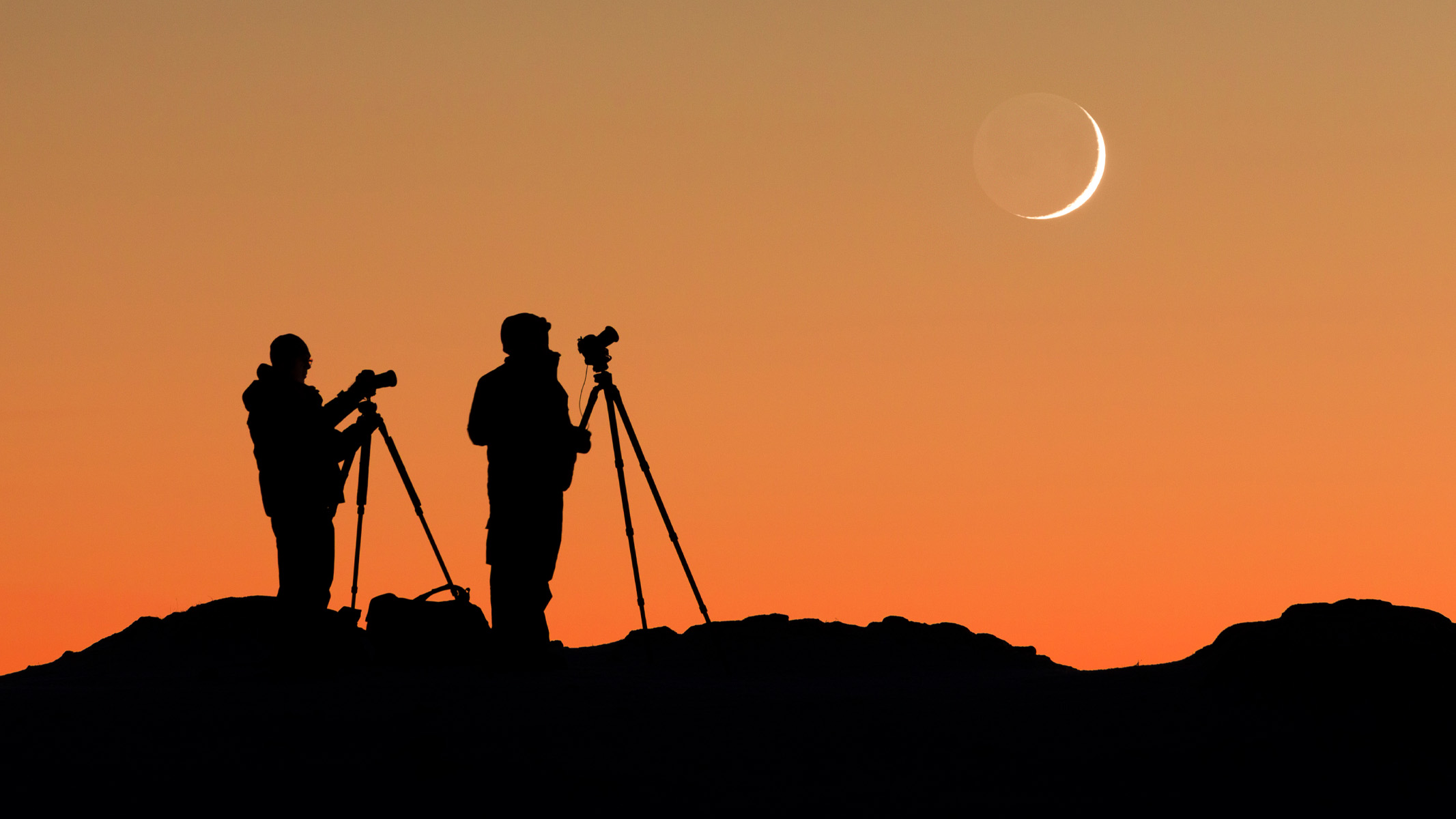
While a long lens is unparalleled for revealing the moon’s intricate topography—highlighting its craters, ridges, and unique surface textures in striking close-up—broader compositions offer an equally compelling photographic approach.
Integrating the lunar disc into a landscape or urban environment can craft powerful visual narratives. Consider the drama of the moon ascending over a mountain range, a delicate crescent peeking through a dense canopy of trees, or a full orb mirrored perfectly in a tranquil lake. Such wider perspectives infuse images with a profound sense of context and place, artfully separating the terrestrial realm from the celestial expanse.
For impactful lunar photography, experts advise against positioning the moon precisely in the center of the frame, reserving such symmetrical placement only when it is a deliberate compositional choice. Crucially, integrating foreground elements can significantly enhance an image’s depth and visual interest. Effective options frequently include silhouetted subjects, such as trees or urban buildings. Additionally, incorporating distinctive landmarks—like lighthouses or historical monuments—can powerfully convey a sense of place, grounding the celestial beauty within its earthly context.
Exploring the moon’s various phases and eclipses offers significant creative potential for enthusiasts. October’s Hunter’s Moon, often recognized as the year’s most prominent supermoon, presents a prime annual opportunity for observation.
The moon’s evolving appearance across its lunar cycle inherently encourages diversification and artistic exploration. While a full moon delivers impressive brightness and detail, it frequently lacks distinct surface contrast. Consequently, capturing the subtle nuances and dramatic shadows of waxing or waning crescents provides an excellent avenue for practicing varied photographic styles and interpretations.
Capturing stunning lunar photographs is often best achieved during twilight hours, specifically when the moon ascends or descends on the horizon. This period, commonly referred to as the golden hour or blue hour, imbues the moon with an enlarged appearance and a warm or cool ethereal glow, creating truly captivating visuals. To effectively plan these shots, photographers can leverage specialized tools like The Photographer’s Ephemeris or Stellarium. These resources provide crucial data on moonrise and moonset times, lunar phases, and even your specific geographic location, enabling precise timing for your celestial photography.
While sunny skies often seem desirable, a touch of cloud cover can actually enhance the visual appeal and dramatic effect of a scene. Therefore, it’s wise to monitor weather conditions closely, as the presence of clouds, rather than a completely clear sky, may prove more advantageous.

Here are a few options for paraphrasing the provided text, each with a slightly different emphasis:
**Option 1 (Focus on practical advice):**
> With your equipment assembled and your photographic vision clear, it’s time to experiment with your camera’s settings. Finding a configuration that feels natural is key. Keep in mind that the moon, illuminated by reflected sunlight, can appear deceptively bright when it’s the sole subject. A frequent pitfall for photographers is overexposure, which washes out crucial lunar details.
**Option 2 (More direct and cautionary):**
> Once your gear is ready and you’ve decided on the photographic style you aim for, delve into your camera’s settings to discover what works best for you. Be aware that the moon, being a reflector of sunlight, can be exceptionally luminous when it’s the exclusive focus of your shot. Overexposing it is a common error that ultimately sacrifices valuable detail.
**Option 3 (Emphasizing the challenge):**
> After establishing your setup and defining your desired image style, invest time in exploring your camera’s controls to find your ideal operational comfort zone. The moon presents a unique challenge: its reflected sunlight can lead to significant brightness, making overexposure a common mistake that obliterates fine lunar features.
**Option 4 (Concise and active):**
> Once your kit is configured and your artistic direction is set, it’s essential to experiment with camera settings until you achieve a comfortable workflow. The moon’s reflected sunlight can be intense, and overexposing it is a frequent error that forfeits vital detail.
**Key changes made in these paraphrases:**
* **”Got your kit set up”** replaced with “equipment assembled,” “gear is ready,” “establishing your setup,” “kit is configured.”
* **”Know the style of image you want to capture”** replaced with “photographic vision clear,” “decided on the photographic style you aim for,” “defining your desired image style,” “artistic direction is set.”
* **”Playing around with camera settings to find the configuration you’re most comfortable with”** replaced with “experiment with your camera’s settings. Finding a configuration that feels natural is key,” “delve into your camera’s settings to discover what works best for you,” “invest time in exploring your camera’s controls to find your ideal operational comfort zone,” “experiment with camera settings until you achieve a comfortable workflow.”
* **”Reflects sunlight, the moon can be quite bright when the focus is on it entirely”** replaced with “illuminated by reflected sunlight, can appear deceptively bright when it’s the sole subject,” “being a reflector of sunlight, can be exceptionally luminous when it’s the exclusive focus of your shot,” “its reflected sunlight can lead to significant brightness,” “reflected sunlight can be intense.”
* **”Common mistake is to overexpose the moon, resulting in a loss of detail”** replaced with “A frequent pitfall for photographers is overexposure, which washes out crucial lunar details,” “Overexposing it is a common error that ultimately sacrifices valuable detail,” “overexposure a common mistake that obliterates fine lunar features,” “overexposing it is a frequent error that forfeits vital detail.”
* **Tone:** Shifted to a more journalistic and active voice.
* **Word Choice:** Varied vocabulary for a fresh perspective.
For optimal moon photography, begin by setting your shutter speed between **1/125th and 1/250th of a second**. This range of faster shutter speeds is crucial for freezing the lunar details and effectively combating any blur caused by the Moon’s natural motion across the sky.
To achieve sharp lunar photographs with adequate depth of field, photographers should aim for an aperture setting between f/8 and f/11. This range, while generally recommended, may vary slightly depending on the specific lens being used. It’s important to note that if the goal is to capture detail in the dimmer regions surrounding the moon, a lens with a wider aperture (smaller f-number) will be necessary.
For optimal image quality, maintaining a low ISO setting, ideally between 100 and 400, is crucial. This minimizes digital noise and helps preserve intricate details within the photograph. When it comes to focusing, switching to manual mode is essential. Carefully adjust the focus until the moon appears crisp and well-defined either through the camera’s viewfinder or on the LCD screen.
To capture the moon in its true hues, photographers should prioritize accurate white balance. Opting for the “daylight” setting or manually calibrating it will yield natural colors. For creative flexibility, experiment with warmer or cooler white balance presets, knowing that fine-tuning is always an option during the editing phase.
Furthermore, to properly expose the lunar surface, switch your camera’s metering mode to “spot metering.” This critical adjustment ensures the camera bases its exposure calculations on the moon’s luminosity, rather than the surrounding darkness of the night sky. Finally, for the utmost control and detail in post-processing, always shoot in RAW format. This uncompressed file type preserves the maximum amount of image data, offering unparalleled latitude for adjustments later.
Here are a few paraphrased options, maintaining a journalistic tone:
**Option 1 (Focus on HDR benefits):**
> For advanced celestial photography, especially when capturing expansive objects like the moon alongside their terrestrial surroundings, consider employing exposure bracketing. This method involves capturing a series of images at varying light levels, a crucial step for High Dynamic Range (HDR) compositions that allow you to seamlessly blend details from both the bright celestial body and the darker landscape.
**Option 2 (More direct and action-oriented):**
> To effectively photograph large celestial bodies and their contextual landscapes, particularly when aiming for High Dynamic Range (HDR) results, utilize exposure bracketing. This technique involves taking multiple shots of the same scene at different exposure settings, enabling you to later combine these images and retain detail across the full spectrum of light.
**Option 3 (Emphasizing detail and effectiveness):**
> A key technique for capturing intricate details in large celestial objects and their surrounding environments, particularly for High Dynamic Range (HDR) imaging, is exposure bracketing. By shooting a sequence of photographs at different exposure values, photographers can then merge these images to preserve critical details in both the illuminated moon and the darker terrestrial elements, creating a remarkably effective final composition.
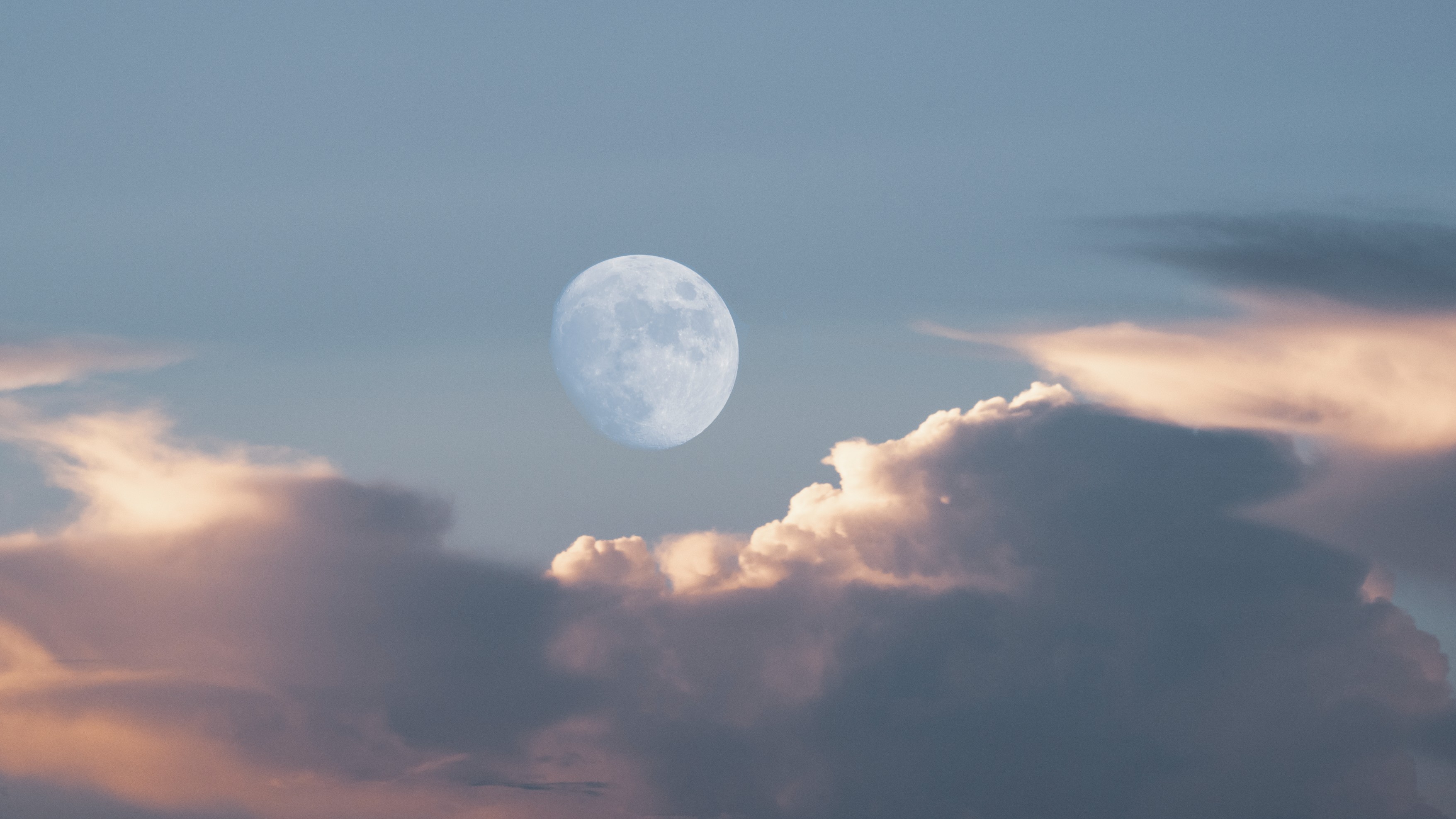
Aspiring astrophotographers will be delighted to learn that capturing stunning images of the moon is well within reach, even for beginners. With a modest investment in relatively affordable equipment, and particularly when combined with a suitable telephoto lens, you can begin to photograph the moon in remarkable detail.
Capturing breathtaking lunar photographs is well within reach, even for those exploring with a smartphone. By carefully considering your camera’s composition and mastering its settings, you can unlock the moon’s inherent beauty. A touch of prior research can lead to surprisingly impressive results, proving that remarkable celestial shots are achievable for photographers of all levels.