NASA’s upcoming Artemis 2 mission to the Moon is undeniably a perilous undertaking, exposing its astronaut crew to significant inherent dangers. However, precisely quantifying the full scope and magnitude of those risks remains a formidable challenge.
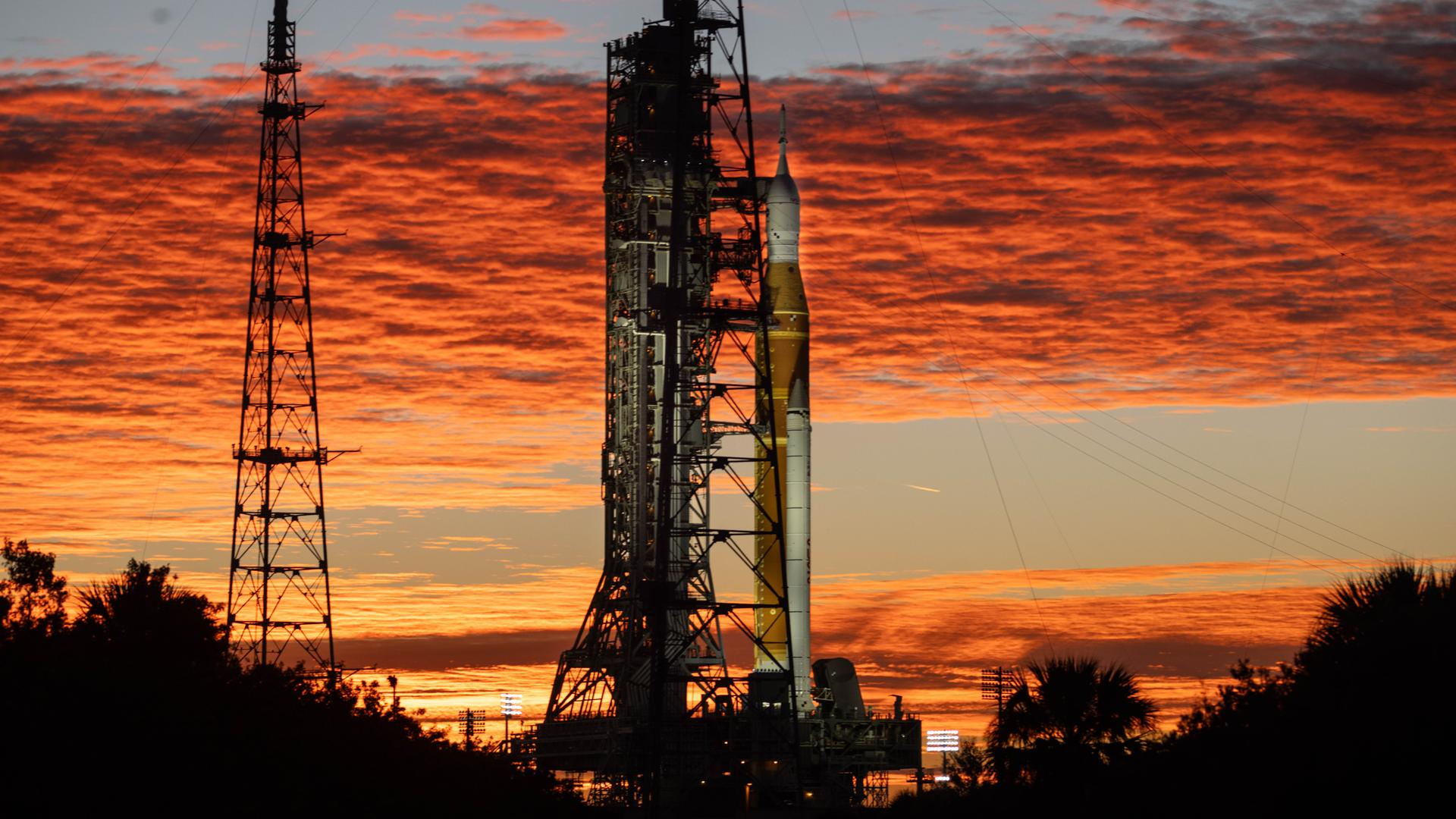
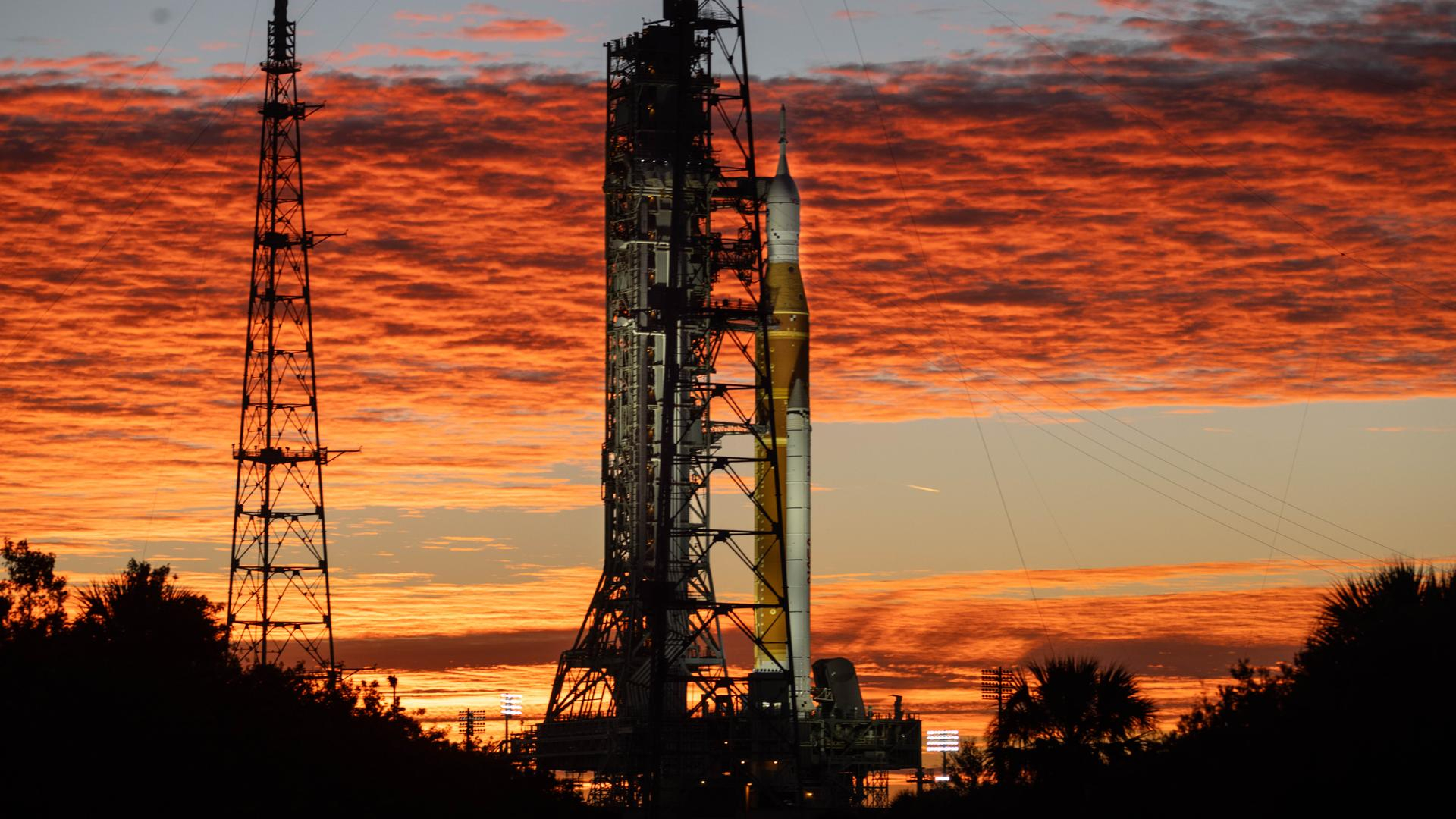
On Thursday, March 12, the agency officially set April 1 as its target launch date for the highly anticipated Artemis 2 mission. This pivotal flight is slated to send a crew of four astronauts on a 10-day journey, circling the Moon before their return to Earth.
Human spaceflight is inherently fraught with peril. Yet, the impending Artemis 2 mission carries an additional layer of uncertainty. As only the second outing for the Artemis program and the inaugural flight with a human crew, NASA officials concede that comprehensive data remains insufficient to precisely measure the mission’s inherent risks.
During a briefing on Thursday, March 12, following the successful completion of the Artemis 2 flight readiness review, Lori Glaze, NASA’s acting associate administrator for the Exploration Systems Development Mission Directorate, refrained from specifying a precise figure or timeline. Glaze indicated she was unwilling to quantify certain aspects at that time.
During the briefing, reporters relentlessly pressed Glaze and John Honeycutt, chair of the Artemis 2 mission management team, for specific figures and data. While the exchange was marked by persistent inquiries, only a limited set of these numerical details was ultimately divulged.
Historically, new rockets have achieved success on approximately 50% of their debut missions, a statistic highlighted by Honeycutt. This established precedent likely informed the initial outlook for Artemis 1, the inaugural launch of the Artemis program’s Space Launch System (SLS) rocket. Despite these odds, Artemis 1, which took flight in late 2022, proved to be a triumph, successfully sending an uncrewed Orion capsule on its crucial journey to lunar orbit and back.

Honeycutt indicated that human spaceflight programs maintaining a consistent launch schedule could reasonably expect a projected failure rate of approximately 2% – or one in 50 missions – during their second or third liftoffs. However, the Artemis program’s operational cadence is notably irregular. This is underscored by a substantial 3.5-year gap anticipated between the first and second missions, assuming Artemis II successfully launches in early April.
According to Honeycutt, the upcoming mission’s probability of flawless execution has significantly improved, moving beyond the roughly 50/50 odds experienced on the first flight. However, he cautioned that while the chances are now better than even, they do not yet represent near-certainty, suggesting a success probability shy of the 98% mark.
Confirming the team’s deliberate approach, the official emphasized a commitment to prudence, explaining that they were intentionally refraining from publicly quantifying probabilities or assigning specific statistical likelihoods for the ongoing mission. This cautious stance, he clarified, stemmed directly from the limited amount of data currently available, precluding the release of precise numerical predictions.

The figures cited by Honeycutt align closely with data recently disclosed by the NASA Office of Inspector General (OIG). These numbers were released as part of a detailed OIG report scrutinizing NASA’s management of its Artemis Human Landing System (HLS) Contracts. These crucial agreements were awarded to aerospace companies SpaceX and Blue Origin, tasking them with developing and operating crewed lunar landers for the ambitious Artemis program.
In a report published online Tuesday (March 12), the Office of Inspector General (OIG) has unveiled its assessment of inherent risks for NASA’s crewed Artemis lunar missions. The watchdog agency estimates a 1-in-30 overall probability of failure for expeditions to the lunar surface. Narrowing the focus to the critical moon operations phase, the OIG projects a slightly lower 1-in-40 risk.
The Office of Inspector General (OIG) report provides crucial context for this risk threshold, drawing comparisons to other NASA human spaceflight ventures. For instance, a 210-day Commercial Crew mission destined for the International Space Station—a journey currently undertaken by SpaceX with its Falcon 9 rocket and Dragon capsule—is assigned a risk factor of 1 in 200. It’s noteworthy that although Boeing also maintains a commercial crew contract with NASA, it has not yet completed an operational astronaut mission to the orbiting laboratory.

An Office of Inspector General (OIG) report casts a stark light on the perilous nature of early space exploration, revealing a chilling 1-in-10 risk of crew loss during NASA’s historic Apollo lunar missions. The report further highlights a significant miscalculation within the Space Shuttle program, which operated from 1981 to 2011. While program managers initially believed they were maintaining a 1-in-100 threshold for crew fatalities, subsequent analysis years later determined that the actual probability for the Shuttle’s early flights tragically mirrored Apollo’s daunting 1-in-10 risk.
Honeycutt’s reluctance to attach a precise numerical value to the Artemis 2 mission’s risk profile is entirely understandable. Experience, notably from the space shuttle program, has repeatedly shown that early estimates, built on scarce data, prove inherently imprecise and will almost certainly demand future revision.
Adding to existing difficulties, human spaceflight confronts unique obstacles, primarily due to the limited datasets available for analysis and the wide array of diverse dangers inherent in venturing beyond Earth.
Honeycutt revealed that while assessments had been conducted to evaluate potential mission disruptions and the impact on crew numbers, the implications of these findings were still not fully grasped.
Citing a critical example, he highlighted that the agency’s extensive modeling consistently identifies micrometeors and orbital debris (MMOD) as the preeminent singular risk to all human spaceflight operations.
Underscoring the profound risks inherent in a “highly energetic” uphill ascent, Honeycutt rhetorically questioned the timing of the last two major incidents of this nature. His remarks were widely interpreted as an allusion to the tragic 1986 Space Shuttle Challenger disaster, which disintegrated 73 seconds after liftoff, and the 2003 Space Shuttle Columbia tragedy, which saw the orbiter break apart upon reentry due to damage sustained during its initial launch. These two catastrophic events collectively claimed the lives of 14 astronauts.
The official challenged the notion that Micrometeoroid and Orbital Debris (MMOD) constituted the mission’s gravest risk, suggesting that teams might be deluding themselves about the true primary threats.
Honeycutt appeared to anticipate that his forthright and genuine statements would inevitably lead to media coverage, much like the article you are currently reading. With a smile that elicited laughter from the assembled journalists, he remarked, “This should certainly provide some interesting material for the coming days.”