
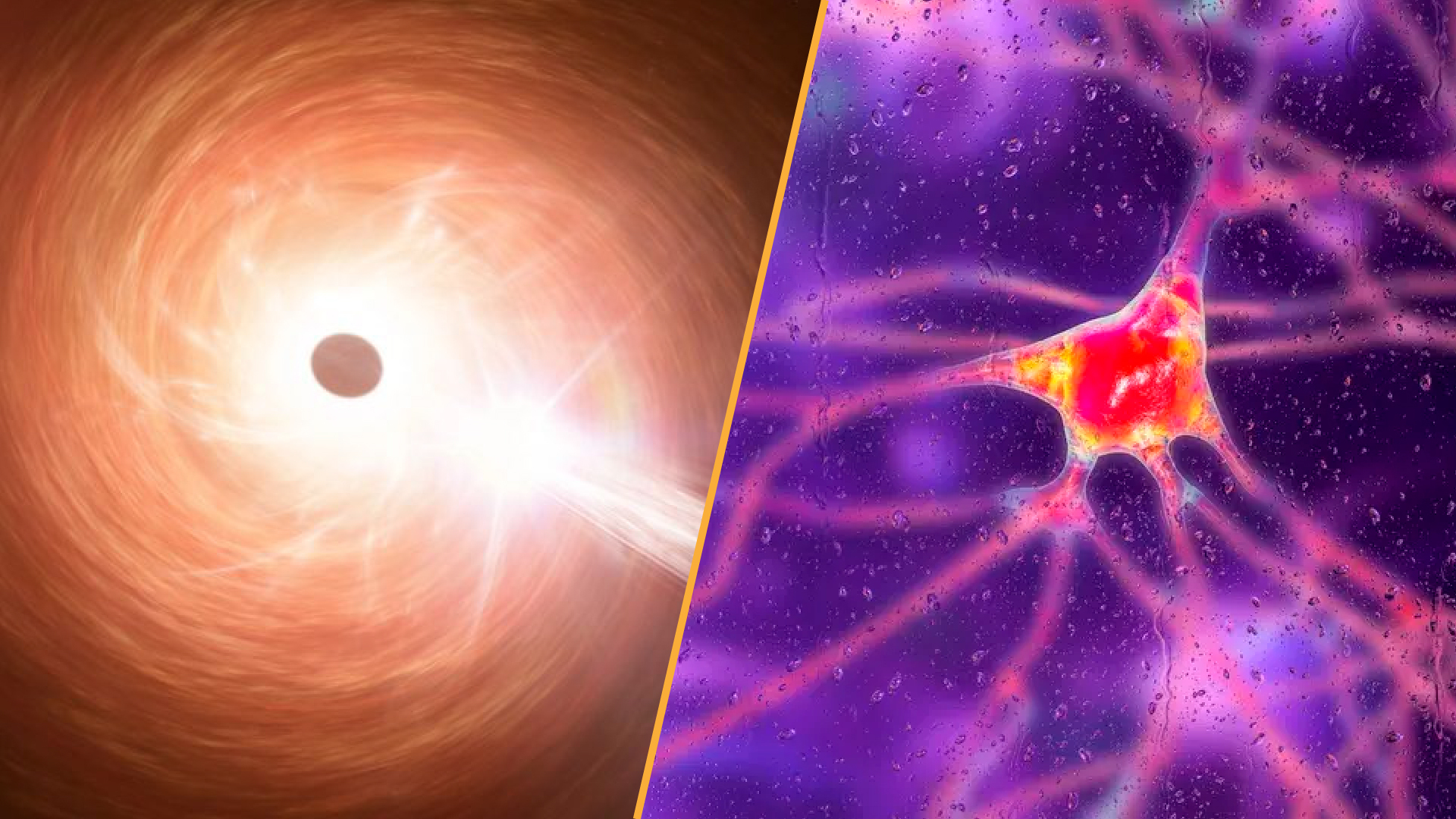
Science headlines this week were captivated by a monumental medical breakthrough: the inaugural treatment of Huntington’s disease through a revolutionary gene therapy.
Huntington’s disease, a devastating genetic disorder, affects a relatively small but profoundly impacted population in the U.S., with an estimated prevalence of one in 10,000 to 20,000 individuals. This cruel condition is caused by a single defective gene, ensuring its passage through families. Symptoms typically emerge between the ages of 30 and 50, manifesting as a progressive decline in cognitive abilities and motor control, akin to severe dementia. For decades, there have been no treatments capable of slowing the disease’s progression, leading to a grim prognosis where patients generally succumb within 10 to 25 years of symptom onset.
A groundbreaking new therapy has achieved a significant medical milestone, demonstrating the ability to slow the progression of a debilitating disease by 75%. The innovative treatment works by introducing a novel gene into the two brain regions most severely impacted by the condition. While the therapy is currently still undergoing clinical trials, researchers have initiated the regulatory approval process, first seeking authorization in the U.S. before expanding efforts to Europe.
A Vancouver man has remarkably regained his vision through Canada’s first-ever “tooth-in-eye” surgery. Brent Chapman had suffered vision loss in his left eye for two decades, a consequence of a severe allergic reaction to the painkiller ibuprofen. Following numerous unsuccessful attempts to restore his sight, doctors performed the rare procedure, implanting one of Chapman’s own teeth into his cornea. This innovative step provided a stable base for a plastic lens, ultimately bringing back his vision.
Research has uncovered intriguing and troubling connections between daylight saving time and the incidence of strokes. This study advocates for the complete discontinuation of the biannual clock changes.

After a brief and unusual lull in tropical storm development during what is typically the peak of hurricane season, experts were left questioning the absence of major systems. This period of quiet was abruptly shattered by the emergence of Super Typhoon Ragasa. Ranked as the year’s most powerful storm to date, Ragasa unleashed devastating winds topping 177 mph (285 km/h) as it swept across the Philippines, Taiwan, Hong Kong, mainland China, and Vietnam. Its destructive path necessitated widespread evacuations and brought major urban centers across the region to a standstill.
The Philippines is preparing for the arrival of Typhoon Buloi, a new storm now tracking toward the nation. This development coincides with significant activity in the Atlantic, where three separate storm systems are expected to strengthen further into next week, drawing intensified power from warming ocean waters.
Uncover the latest developments and essential news from our home planet.
Unusual glass formations found in Australia point to a colossal ancient asteroid strike, yet the precise impact crater remains undiscovered by scientists.
Scientists have announced the discovery of 85 “active” lakes concealed beneath Antarctica’s colossal ice sheet. These subglacial bodies of water are characterized by their dynamic nature, indicating they undergo changes in volume and can influence the overlying ice.
Scientists are only just beginning to decipher the true elemental makeup of Earth’s inner core.
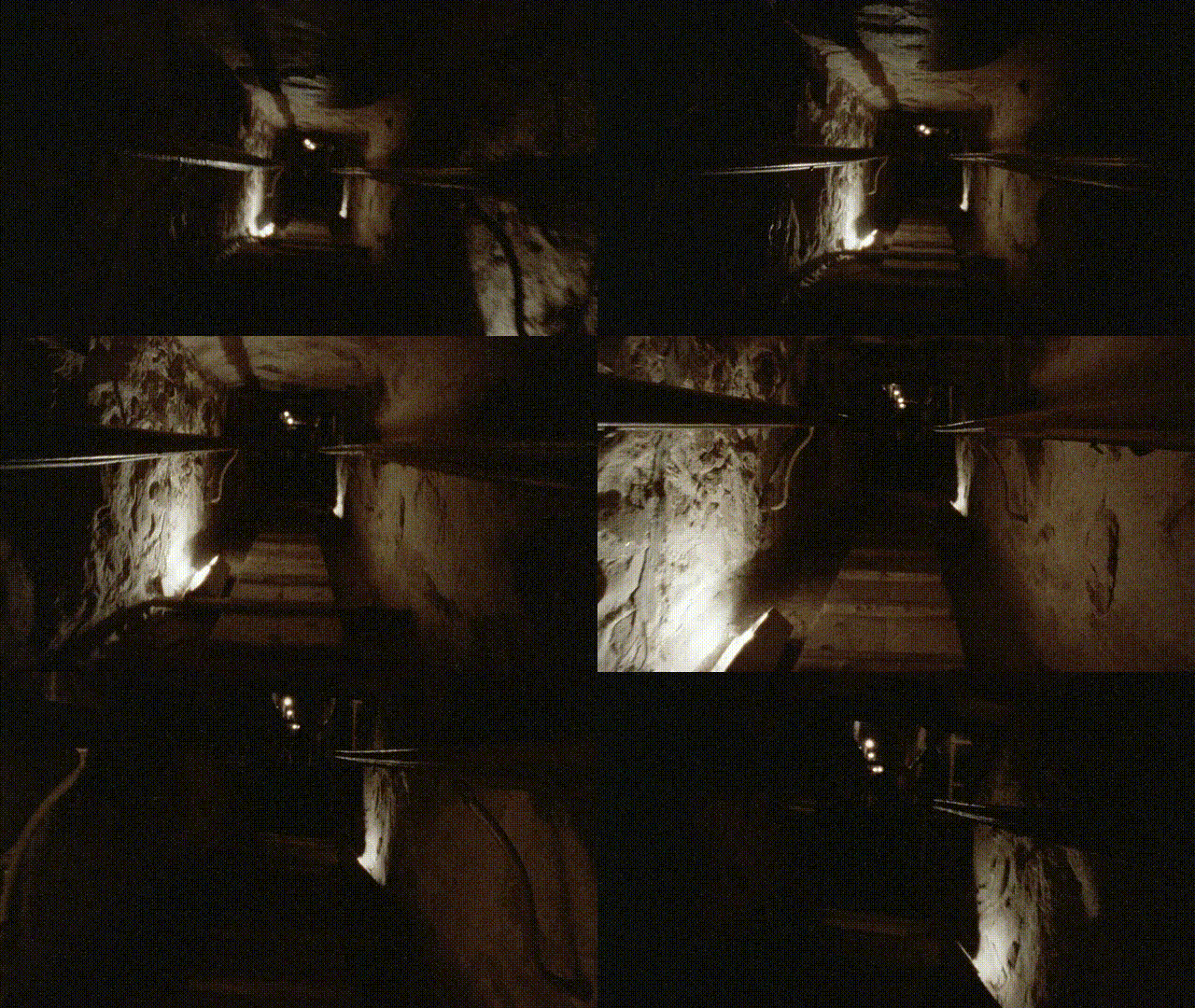
The pervasive portrayal of ancient tombs, particularly those in Egypt, as death traps rigged with lethal defenses to protect their treasures and deter intruders is a common trope in popular culture. But how much of this dramatic imagery reflects historical reality? An investigation into the design of these millennia-old structures reveals whether they were indeed engineered to kill.
—If you enjoyed this, sign up for our Life’s Little Mysteries newsletter
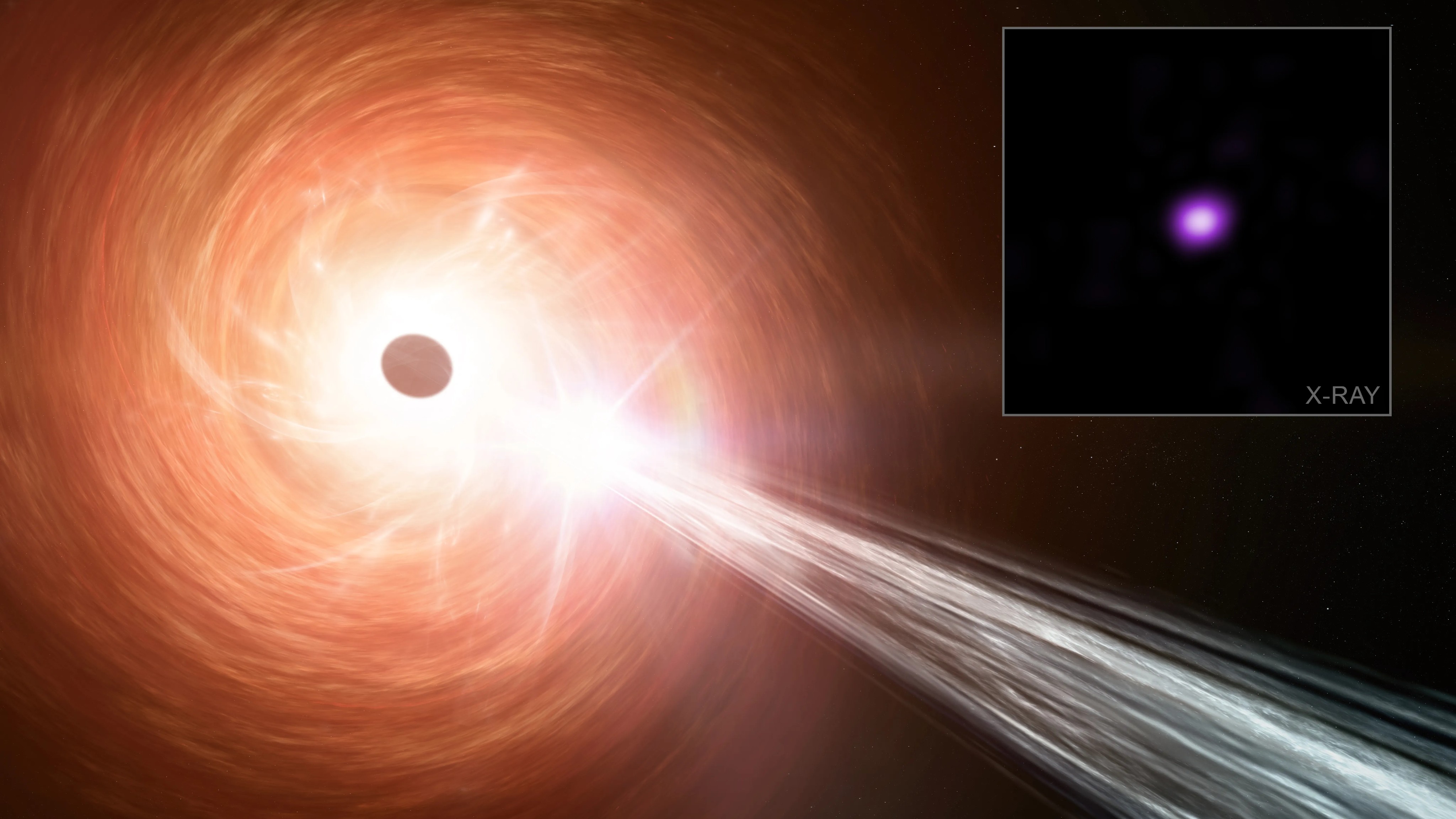
Black holes are renowned for their perplexing nature, particularly their role in generating enigmatic singularities within the framework of Einstein’s general relativity, the foundational theory of gravity. Yet, despite their capacity to warp space-time beyond their event horizons, these cosmic entities typically operate under strict theoretical boundaries. One such constraint is the “Eddington limit,” which precisely dictates the maximum rate at which a black hole can grow, balancing the outward pressure from its intense radiation against its formidable gravitational pull.
Astrophysicists are grappling with the implications of a newly identified colossal black hole, observed growing at an astonishing 2.4 times its theoretical accretion limit. This discovery, while not the first instance of a supermassive black hole defying conventional growth boundaries—the James Webb Space Telescope has reported similar findings—serves as compelling evidence that current cosmological models are fundamentally incomplete in their description of these massive cosmic entities. Such a revelation could hold universe-altering consequences, necessitating a significant re-evaluation of our understanding of the cosmos.
Access the latest breakthroughs and comprehensive analysis in space and physics.
Astronomers were reportedly astonished by the discovery of a rare “Einstein cross” that featured an unexpected element at its core. The perplexing observation initially prompted researchers to suspect a malfunction with their scientific instruments.
The James Webb Space Telescope may have unveiled an entirely novel class of celestial body, provisionally dubbed the “black hole star.”
A recent study has put forward a critical warning: the “city killer” asteroid 2024 YR4 could be on a trajectory to impact the moon. Researchers suggest that a rapid, potentially nuclear, intervention might be the only viable option to prevent such a collision, provided immediate action is taken.
A monumental 5,000-year-old stone tomb, stretching an impressive 43 feet in length, has been unearthed in Spain. The ancient burial site contains numerous prehistoric interments.
The James Webb Space Telescope has made a perplexing discovery within Saturn’s swirling atmosphere, identifying unusual ‘dark beads’ that currently defy scientific explanation. These mysterious formations represent an unexpected cosmic enigma, leaving researchers without a clear understanding of their origin or nature.
A groundbreaking scientific advancement has unveiled a “fluorescent biological qubit,” a pioneering development that carries the remarkable potential to transform living cells directly into advanced quantum sensors.
Paleontologists in Argentina have announced the discovery of a colossal dinosaur, identified by its formidable, ‘hedge-trimmer-like’ claws, and notably found with a crocodile leg still clutched in its powerful jaws.

Hundreds of millions worldwide grapple with psoriasis, an autoimmune disorder that causes itchy, scaly patches to emerge on the scalp and skin. Despite its extensive reach, the full scope of this condition remains an enigma to medical researchers.
While genetic factors are known to influence an individual’s susceptibility to psoriasis, new research is revealing air pollution as an emerging trigger for the autoimmune condition. A report by Live Science, originating from Maharashtra, India, underscores the significant role poor air quality plays in exacerbating such conditions, noting that an astonishing 99% of the global population is exposed to air that falls below World Health Organization guidelines.
A curated collection of the week’s most compelling interviews, comprehensive polls, and fascinating science histories is now available, offering substantial reading for the weekend.
In a recent interview, acclaimed physicist Jim Al-Khalili discussed his upcoming book, ‘Secrets of the Brain,’ which delves into 600 million years of neurological evolution to decipher the unique qualities that define humankind.
The latest Live Science crossword puzzle included a celestial challenge: clue 7 across pointed to a “giant cloud at the edge of the solar system.”
Experts contend that concerns regarding declining birth rates in the United States have been significantly overblown.
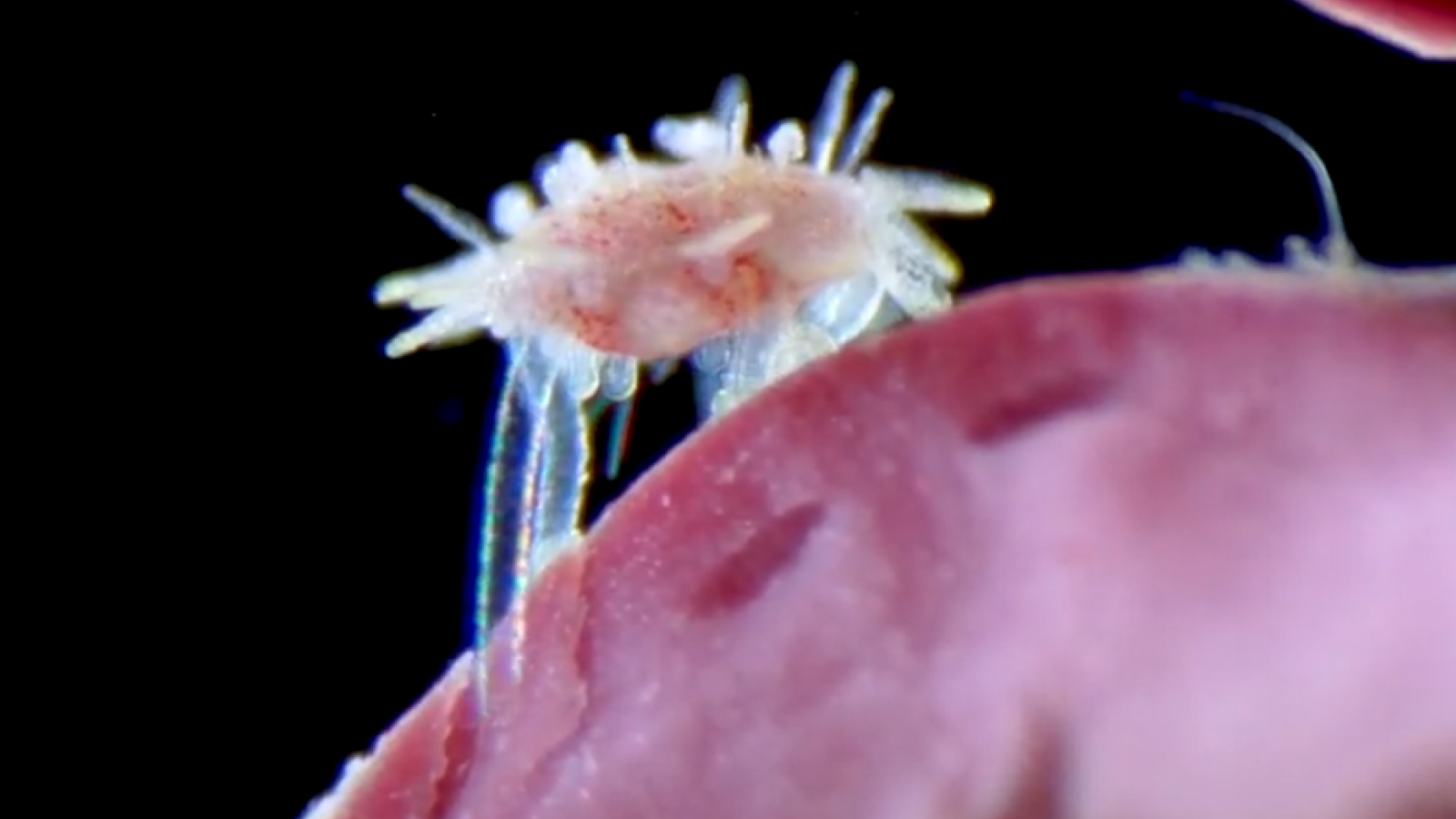
A chance discovery by a Brazilian zoologist unexpectedly secured fifth place in this year’s Nikon Small World in Motion competition. While investigating a piece of red algae that had washed ashore, Alvaro Migotto placed the aquatic plant under a microscope. There, he observed a baby sea urchin, propelled by its tiny tubed feet, meticulously crawling across the algae’s surface.
Want more science news? Follow our Live Science WhatsApp Channel for the latest discoveries as they happen. It’s the best way to get our expert reporting on the go, but if you don’t use WhatsApp we’re also on Facebook, X (formerly Twitter), Flipboard, Instagram, TikTok, Bluesky and LinkedIn.





