
Once widely regarded as the foremost public health body in the nation and potentially the world, the Centers for Disease Control and Prevention (CDC) now finds itself embroiled in a profound crisis. This critical situation poses a dual threat: to the health of the American populace and to the agency’s continued prominence as a global public health authority.
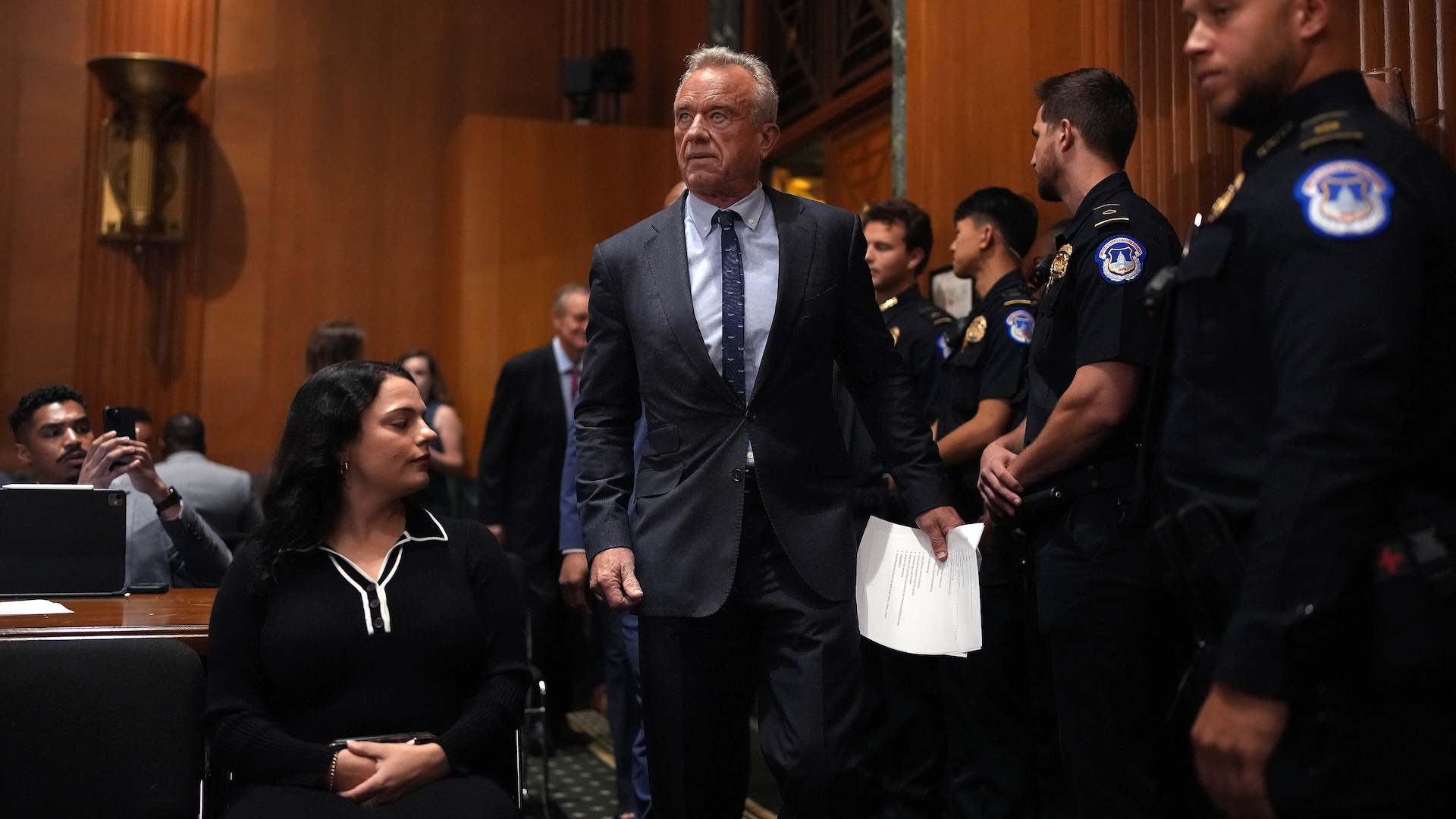
The profound severity of the crisis was strikingly underscored during Health and Human Services Secretary Robert F. Kennedy Jr.’s September 4, 2025, testimony before the U.S. Senate.
During a recent hearing, Kennedy issued a sharp rebuke to professionals at the Centers for Disease Control and Prevention, specifically criticizing their response to the COVID-19 pandemic. He highlighted their roles in implementing mask mandates for children and closing schools, asserting that those responsible “will be leaving.”
Kennedy’s hearing took place after a turbulent week, which saw his contentious dismissal of CDC Director Susan Monarez. This action prompted a unified call for Kennedy’s resignation from 12 members of the Senate Finance Committee, including 11 Democrats and Independent Senator Bernie Sanders.
A significant exodus unfolded at the Centers for Disease Control and Prevention, with at least four top leaders tendering their resignations in the wake of Monarez’s removal. These officials reportedly cited persistent pressure from Kennedy to diverge from recommendations based on sound scientific evidence.
Recent disruptions within the Centers for Disease Control and Prevention (CDC) have sparked significant concern among public health professionals, including university teaching staff. Many report difficulty accessing credible health information, a situation that has fueled profound apprehension regarding the future trajectory of public health.
The recent leadership reconfigurations at the CDC directly follow an extensive, multi-month campaign specifically aimed at unraveling the agency’s decades-old framework, operational methodologies, and command structure.
Significant operational challenges for the Centers for Disease Control and Prevention (CDC) began almost immediately after President Donald Trump assumed office in January 2025. His administration’s subsequent implementation of extensive workforce reductions at the agency was widely seen by health experts as compromising its critical ability to respond effectively to emerging health threats.
Directives issued by the Trump administration restricted Centers for Disease Control and Prevention employees’ ability to communicate with both the public and external entities like the World Health Organization.
Within a few weeks, he authorized workforce reductions impacting as many as 10% of all employees.
Newly appointed by the Trump administration, Kennedy swiftly moved to dismantle long-standing CDC institutions. His actions included the controversial replacement of all 17 members of the Advisory Committee on Immunization Practices, a decision that drew widespread criticism from health experts.
Critics raised significant concerns regarding the qualifications of the newly appointed committee members. A majority, reportedly over half, lacked any published research on vaccinations, while many were also accused of harboring predetermined anti-vaccine sentiments.
In June, a collective of more than 20 leading organizations, prominently including the National Medical Association and American Academy of Pediatrics, voiced profound concerns regarding the potential health ramifications of restructuring the advisory committee.
Public health leaders widely applauded the July confirmation of Monarez as the new director for the Centers for Disease Control and Prevention (CDC). Her appointment was seen as a significant positive for those advocating for evidence-based public health strategies. Monarez is recognized for her distinguished scientific career and long-standing dedication to public service.
She was widely perceived as a critical source of scientific expertise, offering a counterpoint to politically appointed officials within the Trump administration, whose policies had a documented history of being seen as detrimental to public health and scientific institutions.
As acting director, a position she assumed in January, Monarez presided over extensive cuts to the CDC’s workforce and other pivotal institutional changes. These actions profoundly restructured the agency, ultimately compromising the nation’s capacity to protect and manage public health.
Monarez maintained unwavering principles, drawing clear lines she refused to cross: She would not consent to the dismissal of CDC leadership, nor would she endorse vaccine policies that deviated from scientifically supported guidelines.
According to Monarez, Kennedy made a dual request of her during an August 27 meeting. Following her refusal to comply, she states Kennedy then asked her to resign.
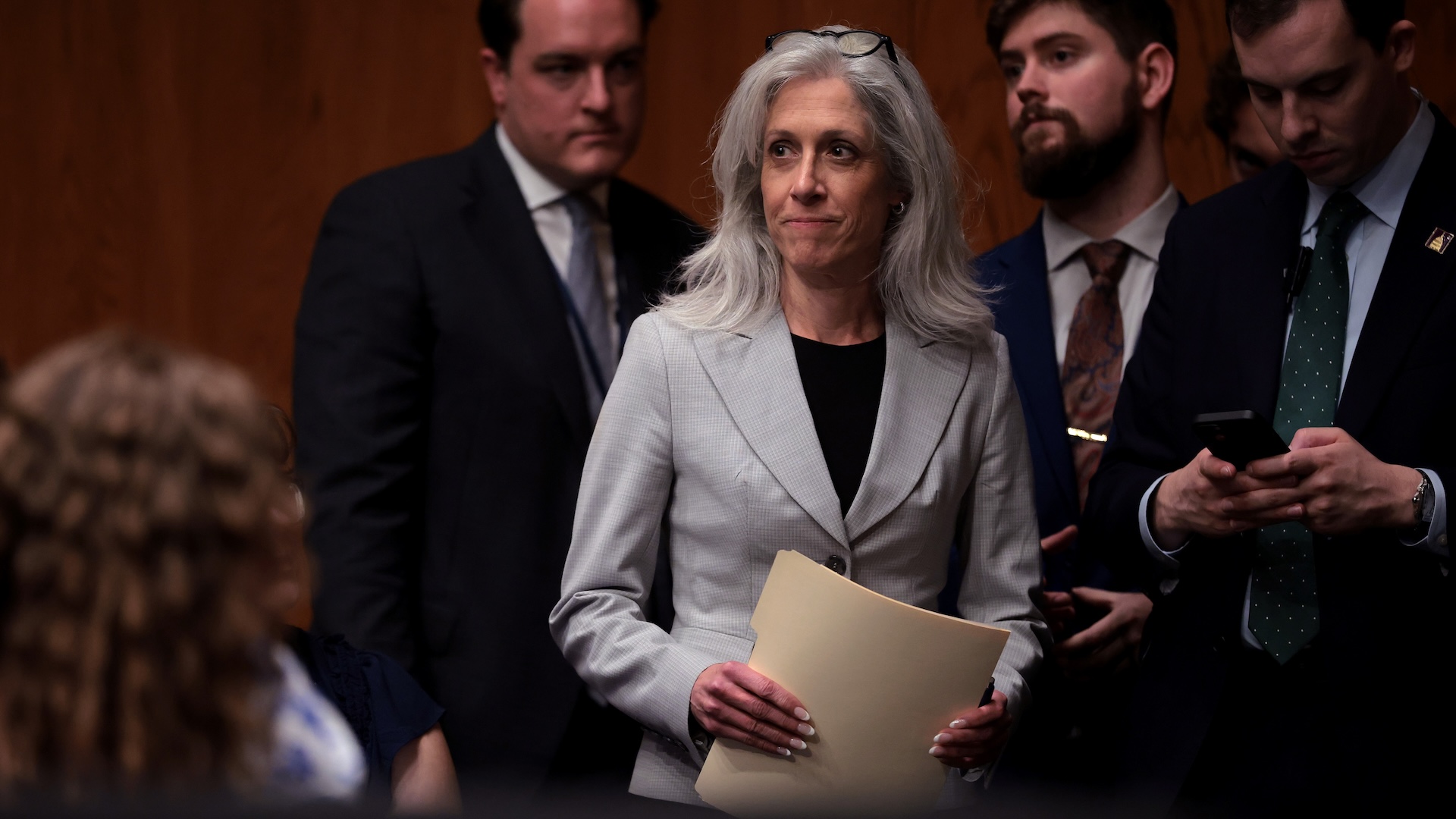
Monarez’s legal team asserted that only the president holds the authority to remove her from office. They argued that the CDC Director faced targeting because she chose to protect the public over pursuing a political agenda, specifically by refusing to endorse “unscientific, reckless directives” and fire “dedicated health experts.”
The White House formally confirmed her dismissal later that evening.
On August 8, a tragic shooting incident at CDC headquarters intensified the agency’s deepening crisis. A gunman, who had reportedly expressed anger over COVID-19 vaccinations, opened fire, resulting in the death of a police officer.
Many health workers directly attributed the issue to misinformation disseminated by Kennedy. The shooting incident significantly heightened existing tensions, making palpable the sense of threat under which the Centers for Disease Control and Prevention (CDC) has operated during the tumultuous months since the beginning of Trump’s second term. An employee, expressing severe apprehension, candidly described the agency as “crumbling.”
Prominent public health experts, including several former directors of the Centers for Disease Control and Prevention, are sounding a dire warning about the agency’s vulnerable state. Amid these concerns, some observers are openly questioning the CDC’s long-term viability.
Even before recent developments, public confidence in the Centers for Disease Control and Prevention (CDC) was already showing signs of decline. An April poll indicated that 44% of U.S. adults expected to place less trust in CDC recommendations under its new leadership. This erosion of public faith presents a critical threat, potentially compromising the nation’s ability to mount a rapid and cohesive response should another major public health crisis, like COVID-19, emerge.
**Kennedy Alters Vaccine Guidelines, Sidestepping CDC Expertise**
In a significant move, Kennedy unilaterally revised recommendations for both flu and COVID-19 vaccines. These changes were enacted without the consultation or input of the Centers for Disease Control and Prevention (CDC) or its own vaccine advisory committee. Furthermore, the updated guidelines reportedly contradict scientific data previously presented by CDC experts. This decision followed the simultaneous installation of new members to the vaccine advisory committee.
Public health professionals and advocates are casting doubt on the trustworthiness of vaccine recommendations emerging from the CDC’s Advisory Committee on Immunization Practices. They highlight several critical issues, including concerns over the new committee’s review process, past statements by members that have diverged from scientific consensus, and the apparent absence of a consistent evidence-to-recommendations framework. Furthermore, some committee detractors allege a fundamental lack of understanding of vaccine science among its members.
The immediate effects on public health are palpable, as healthcare providers report widespread parental confusion, a direct consequence of contradictory vaccine recommendations. Simultaneously, individuals seeking immunizations are encountering significant access barriers, with major retailers imposing new restrictions following federal pressure. These challenges exacerbate an already declining trend in vaccination rates, largely attributed to the proliferation of misinformation.
Public confidence in the Centers for Disease Control and Prevention has waned, as the public struggles to ascertain whether the agency’s recommendations are based on scientific evidence and expert judgment or influenced by political leadership.
Credible organizations are stepping forward to provide essential guidance, filling a void created by the Centers for Disease Control and Prevention’s diminished reliability. This shift comes as the agency’s recommendations are increasingly perceived to be driven by political considerations rather than robust scientific evidence.
Significant new guidance has emerged from two prominent medical organizations: the American Academy of Pediatrics and the American College of Gynecology. Both have independently released recommended vaccination schedules that, for the first time, diverge from those issued by the Centers for Disease Control and Prevention.
Medical organizations are actively devising strategies to address perceived leadership voids within the Centers for Disease Control and Prevention (CDC). These plans involve prioritizing their own clinical recommendations over the CDC’s and establishing direct channels for healthcare providers to obtain vaccines straight from manufacturers. Such measures are intended to create alternative pathways that compensate for identified gaps in CDC guidance.
Several states, including California, Oregon, Washington, and New Mexico, are now formulating their own vaccination guidelines. Concurrently, public health scientists and physicians are striving to preserve critical data and surveillance systems that were dismantled by the Trump administration. Yet, independent organizations undertaking this vital work face a significant challenge: their ability to sustain these efforts without federal funding remains in jeopardy.
The Centers for Disease Control and Prevention (CDC) manages critical, large-scale public health operations that span both national and global contexts, responsibilities too extensive for individual states or organizations to handle independently. For effective responses to widespread public health challenges, such as infectious diseases and foodborne illnesses, national-level coordination is essential. This unified approach is necessary because health risks frequently transcend state borders, requiring a centralized strategy for impact.
In an era dominated by health misinformation, accurate, reliable statistics and evidence-based guidelines are indispensable for public health educators. These resources empower them to disseminate trustworthy information and develop impactful health programs. Concurrently, clinicians depend on comprehensive disease tracking to inform the most effective treatment approaches for patients presenting with infections. The COVID-19 pandemic unequivocally demonstrated the critical importance of advanced laboratory science, a unified emergency response framework, and the rapid distribution of effective vaccines to the population.
The American system of governance exhibits a notable strength in its capacity for addressing national challenges, such as public health crises, through a coordinated framework. This effectiveness is rooted in a federal level of cooperation that successfully unifies efforts across individual states.
For over eight decades, the Centers for Disease Control and Prevention (CDC) has consistently served as the nation’s foremost public health authority, a status earned through its expansive reach and unparalleled expertise. Currently, this established institution finds itself on a perilous precipice.
This edited article is republished from The Conversation under a Creative Commons license. Read the original article.