
The U.S. Defense Advanced Research Projects Agency (DARPA) is making a compelling argument for the expansion of commercial activity to the lunar surface and its orbital environment.
While some observers dismiss the prospect of lunar mining as purely theoretical, there is increasing advocacy for establishing its commercial viability and building a robust business case.
A study supported by DARPA has presented a detailed strategy for establishing an economic link between Earth and the Moon. Nonetheless, the practical feasibility of extensively industrializing our nearest celestial neighbor remains a significant point of discussion.
The Defense Advanced Research Projects Agency (DARPA) has unveiled its LunA-10 initiative, a strategic 10-year plan designed to establish a thriving economic marketplace on the moon. This effort aims to develop scalable lunar infrastructure, thereby unlocking the significant economic potential of Earth’s natural satellite.
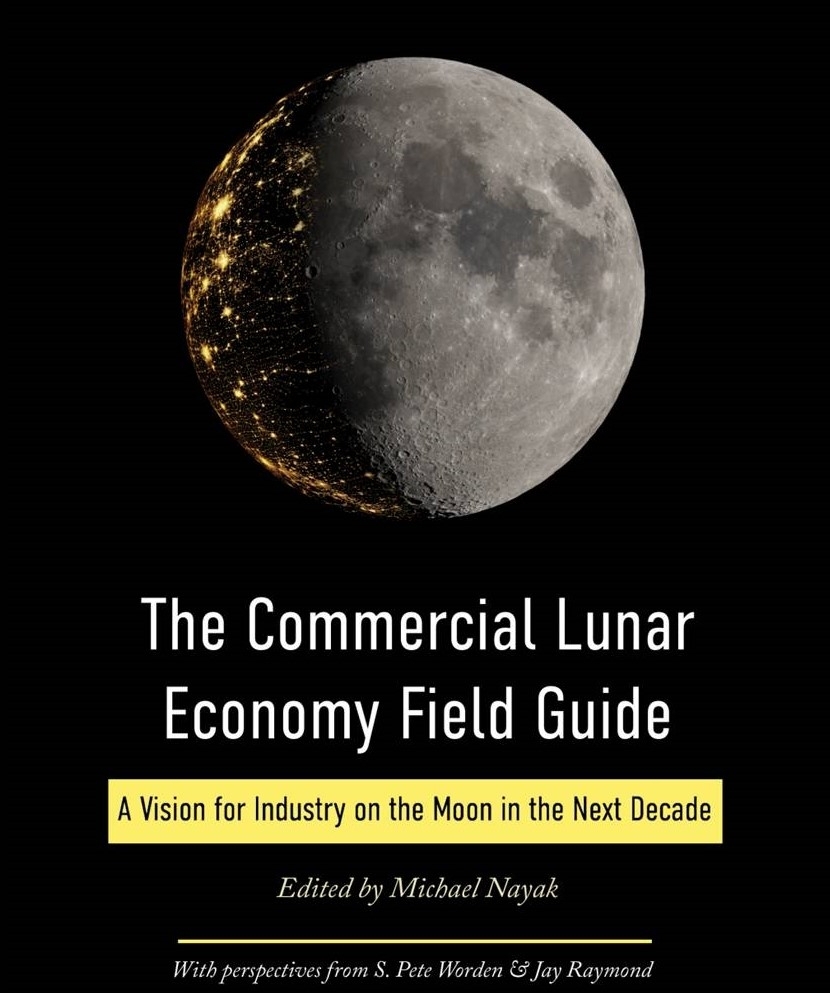
A recently published document, “The Commercial Lunar Economy Field Guide: A Vision for Industry on the Moon in the Next Decade,” outlines the optimal methods for establishing industrial operations on the lunar surface within the coming decade.
Air University Press has released a comprehensive guide detailing foundational technological concepts crucial for fostering economic development beyond Earth. Authored by more than 130 experts across 23 chapters, the publication outlines strategies for establishing self-sufficient, monetizable services to support future lunar buyers and sellers, ultimately aiming to sustain off-Earth economic vibrancy.
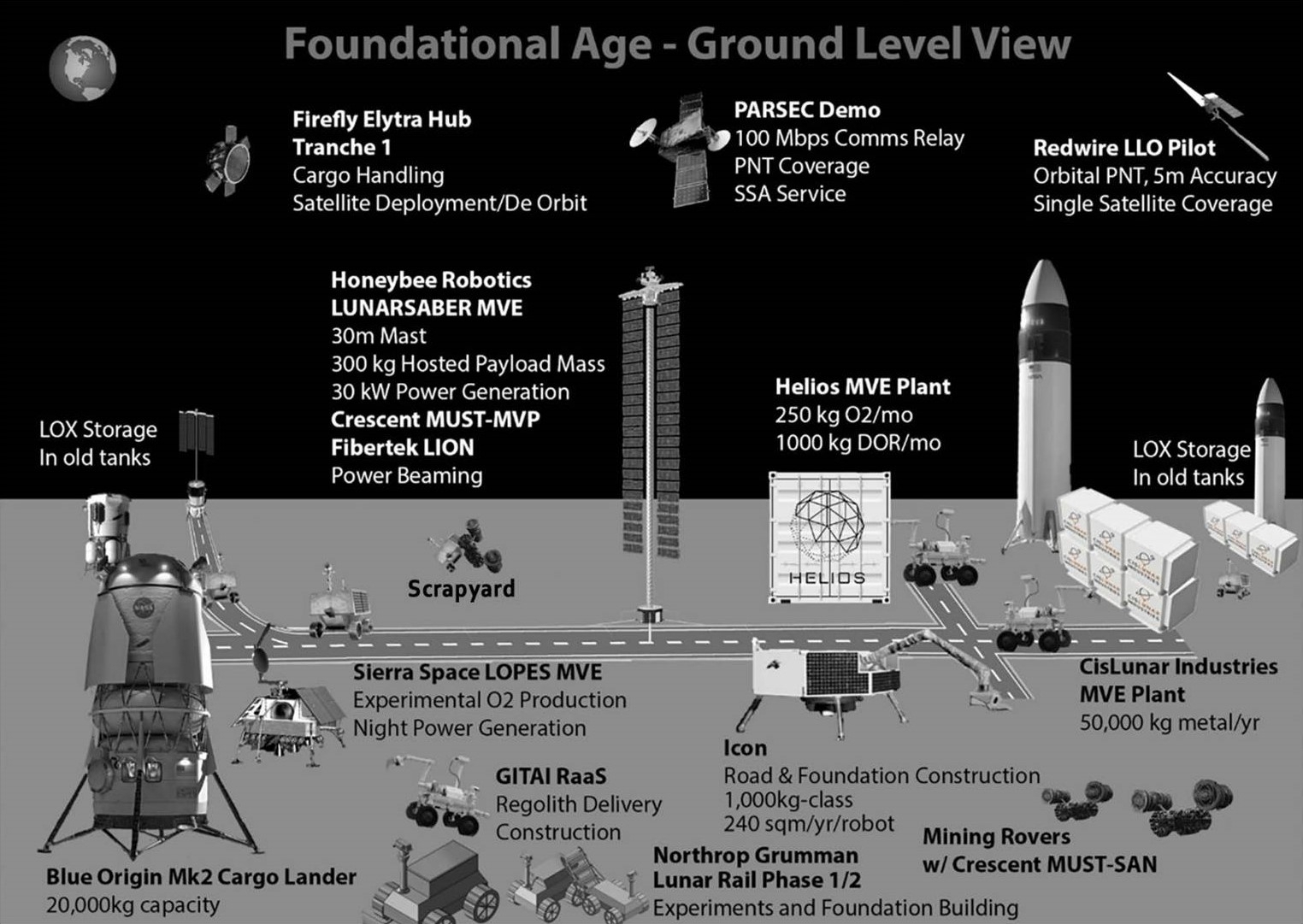
The new guide’s editor, Michael Nayak, a DARPA program manager, described its creation as an “expansive exercise” that vividly revealed the extensive effort required to transform the underlying vision into reality. Nayak informed Space.com that the process of compiling the document also uncovered unforeseen “surprises” and “interesting revelations” he believes warrant further attention.
Space insurance has proven to be an unexpectedly pivotal yet challenging factor in commercial space operations, acting as both a substantial financial burden and a significant barrier to entry, according to Nayak. He stressed that fostering a viable commercial space ecosystem demands more effective strategies for communicating and clarifying risk profiles to insurance providers.
A significant challenge for lunar endeavors, Nayak explained, is contending with the Moon’s extreme temperature variations. He highlighted that managing the heat generated by drilling and other heavy-duty machinery represents a “huge, fundamental problem,” necessitating specialized plumbing systems to either warm or cool equipment depending on the prevailing conditions.
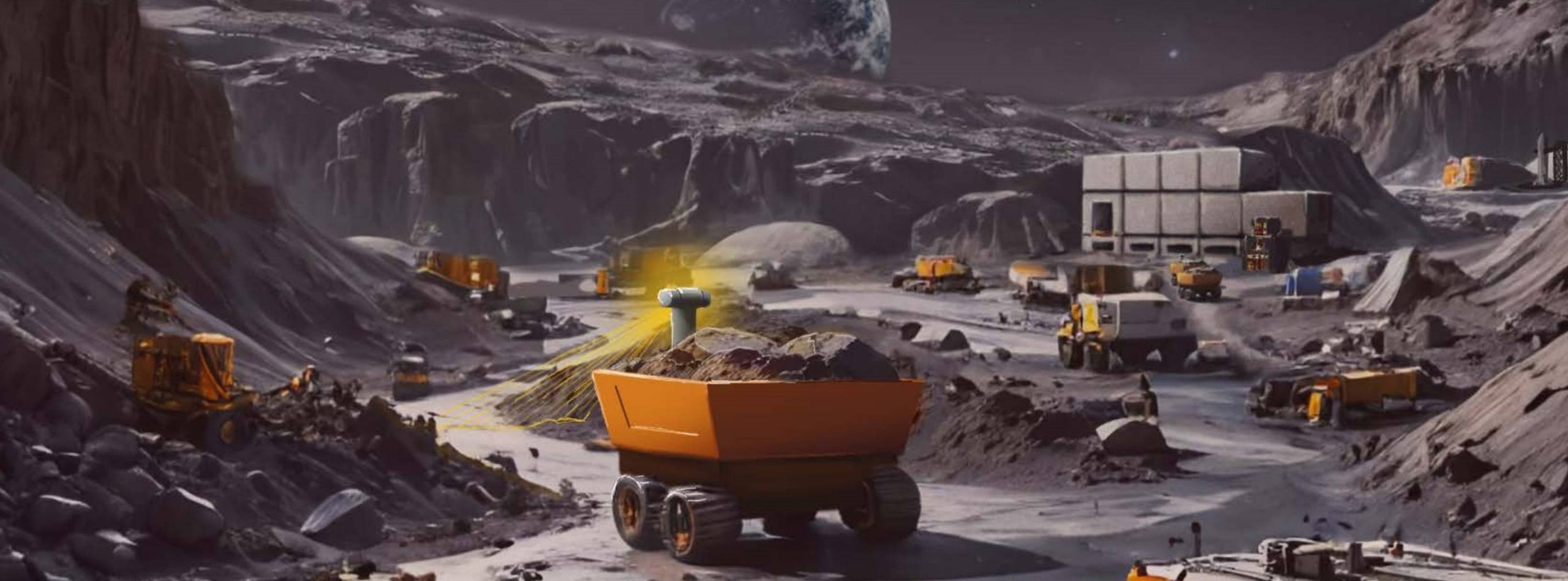
According to the Field Guide, the prosperity of a commercial economy is fundamentally hindered if its operational capacity is restricted solely to daylight hours.
Nayak highlighted DARPA’s distinct ability to motivate the commercial sector toward innovations that benefit the government, specifically clarifying that such encouragement does not displace the need for direct government investment.
Despite considerable investor interest in the broader space sector, a crucial question regarding lunar ventures remains unanswered: what, precisely, can be monetized on the moon? This issue is still largely unresolved, with no direct profitability demonstrated from lunar activities to date.

The Field Guide’s framework is structured around essential services like power, communications, data, and positioning, navigation, and timing (PNT), Nayak explained. However, he promptly underscored a crucial need for further clarity, questioning the specific applications and ultimate purpose behind each of these foundational services.
Nayak highlighted the significant potential of lunar resources, with mining currently considered the most likely path for their utilization. However, he emphasized that critical questions remain unanswered: specifically, which materials would be targeted for extraction, their actual concentration on the moon, and whether such operations would ultimately be economically viable.
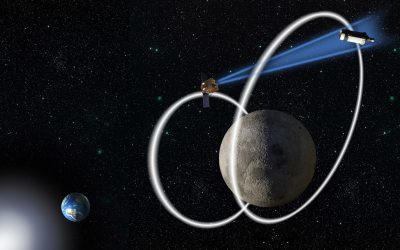
Nayak also pointed to a distinct DARPA program named Lunar Assay via Small Satellite Orbiter, succinctly referred to as LASSO.
The Strategic Technology Office at DARPA posits that the most significant commercial opportunity for LASSO involves high-resolution, low-altitude surveys of resources spanning the entirety of the moon’s surface.
Nayak asserted that, based on current understanding, any commercial value derived from the moon would most likely originate from its subsurface.
Several lunar resources are being identified as prime candidates with the potential to generate significant economic benefits.
According to Nayak, scientists are considering rare-earth elements as a potential lunar resource, though more data is needed to confirm their existence and accessibility. Platinum group metals (PGMs) are another possibility, but Nayak warned that if present on the moon, they would likely be located at significant depths, requiring energy-intensive extraction. These predictions, Nayak noted, are currently based on terrestrial geological models, and it remains uncertain if such assumptions are valid for the moon’s unique geology.
Nayak contends that despite the moon’s potential for substantial profit, the fundamental hurdle remains a profound lack of information. He underscored the vast amount of learning required and the multitude of unexplored directions, noting that the sheer scope of these unknowns makes the overall challenge seem nearly insurmountable.
In the closing section of his Field Guide, Nayak articulates that while envisioning the future is a simple task, the formidable challenge lies in translating those visions into current reality. Despite the inherent difficulty, he asserts its possibility and highlights the immediate need for action. Nayak expresses a hope that his work will galvanize readers to contribute to this arduous, yet achievable, endeavor—a collective effort he likens to pushing a weighty objective to its finish line.