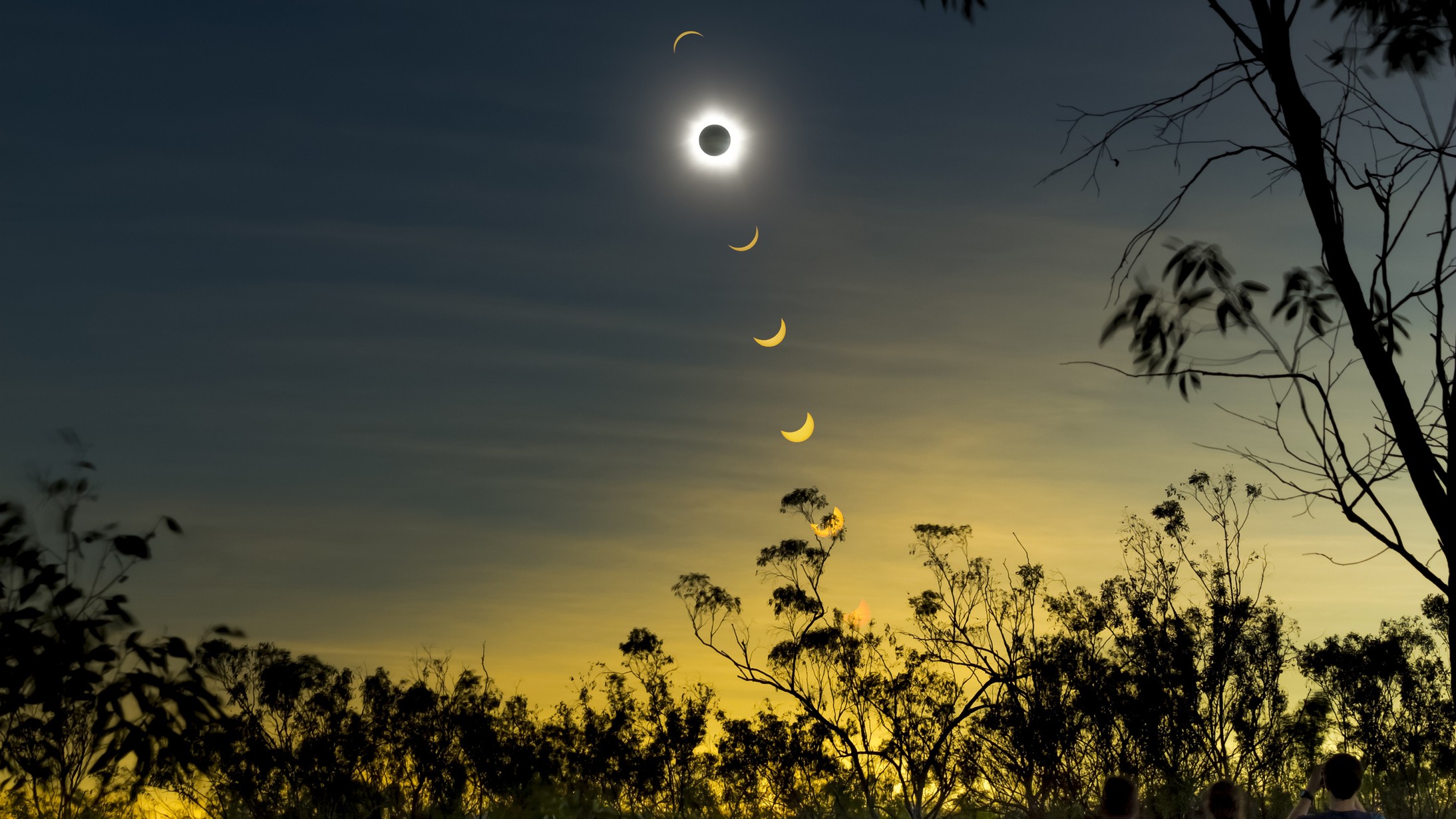
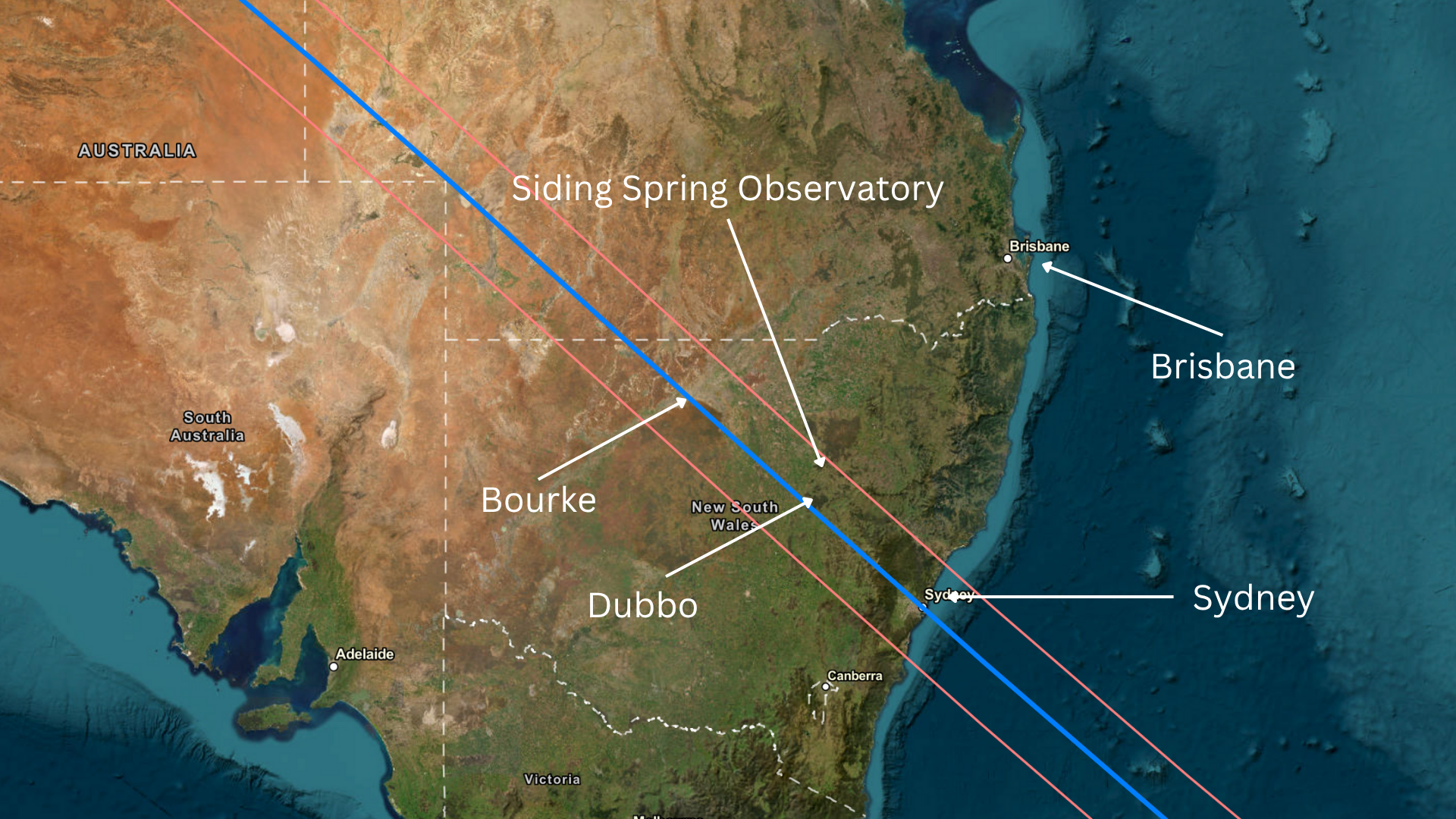
On July 22, 2028, a total solar eclipse will cast a 143-mile-wide (230-kilometer) shadow across Australia and New Zealand. This celestial event holds particular historical significance for Sydney, as NASA confirms it will be the city’s first visible total solar eclipse since 1857 and its last until the year 2858. For Sydney’s approximately 5 million residents, this rare occurrence marks an unparalleled, once-in-a-millennium spectacle.
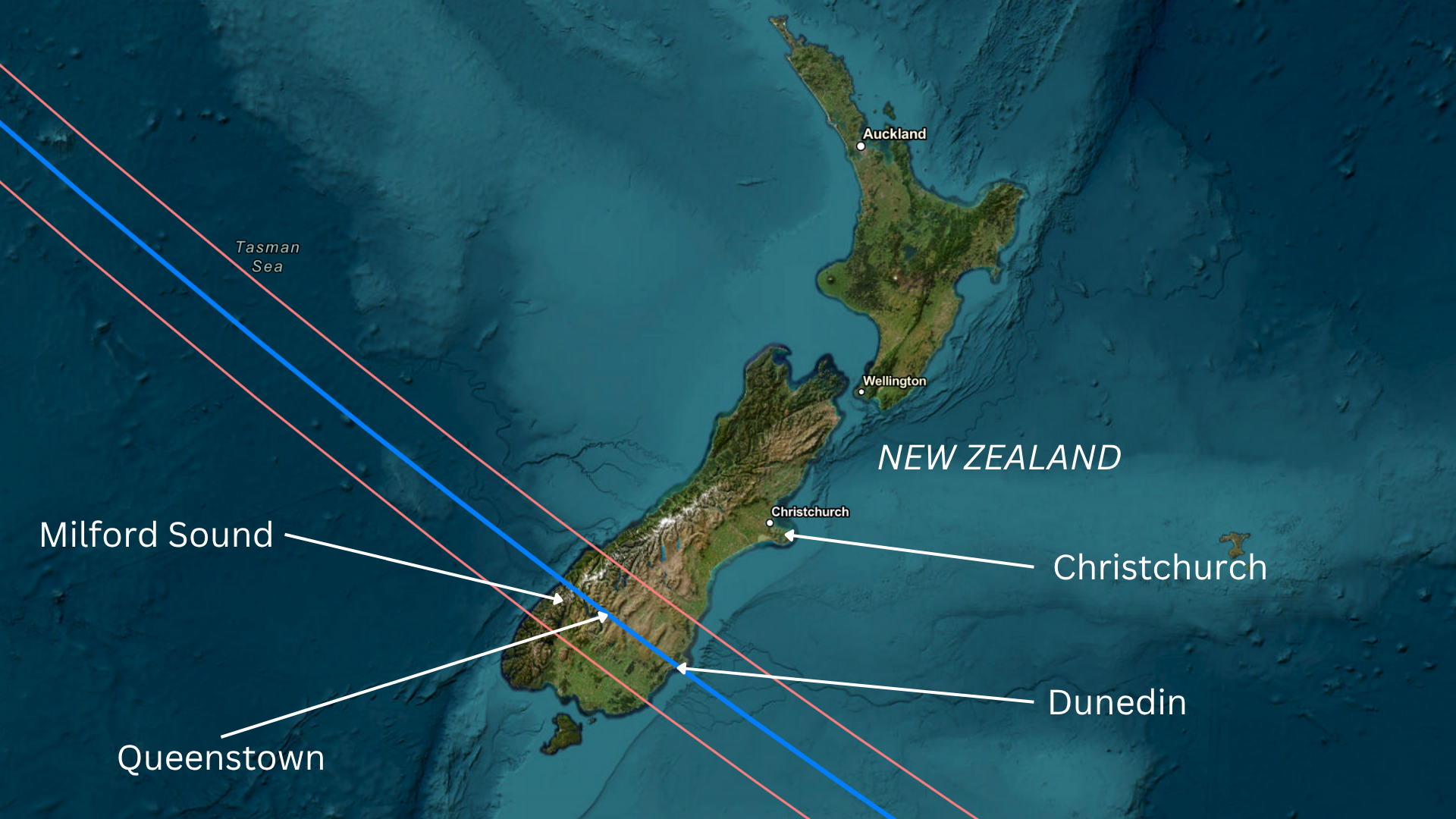
Sydney’s iconic Opera House and Harbour Bridge are poised to offer a spectacular backdrop, commanding significant media attention surrounding the event. However, dedicated eclipse chasers are expected to venture deep into Australia’s remote northwest. The vast Kimberley region and Outback are anticipated to be the prime viewing locations, promising over five minutes of totality under potentially cloud-free winter skies. Meanwhile, New Zealand’s South Island will experience the eclipse’s concluding phase, visible close to sunset.
Key distinctions separate a total solar eclipse from an annular solar eclipse, influencing the visual phenomena experienced during these celestial events.

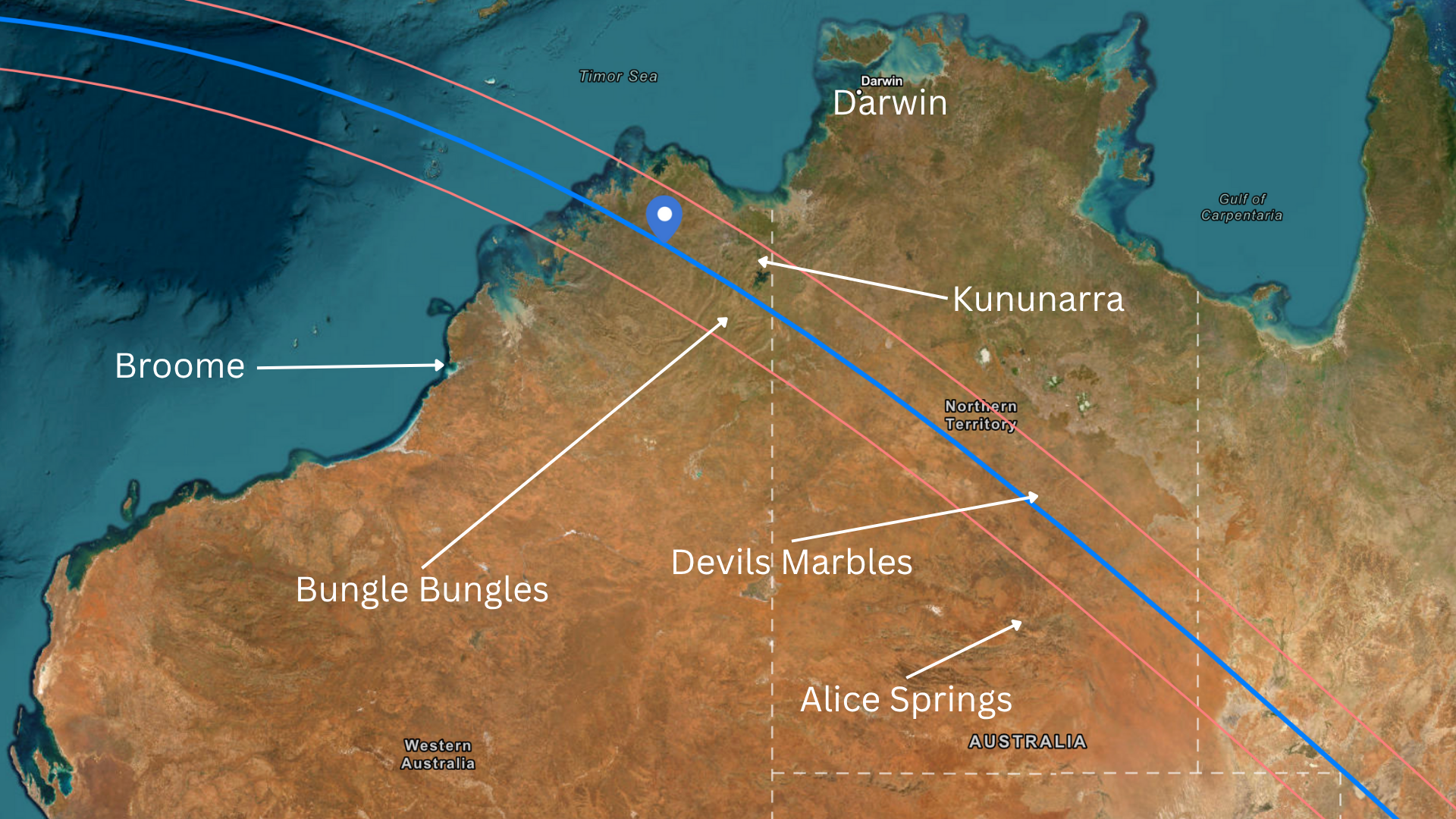
A forthcoming eclipse is poised to deliver an extended period of totality across several iconic Australian locations. Among these are the celebrated Sydney Harbour, alongside the remote Bungle Bungles and Karlu Karlu (Devil’s Marbles) situated deep within the Australian Outback. While Sydney is anticipated to attract substantial media attention and large crowds, the Outback’s more isolated regions offer a significantly higher probability of clear skies. The inclusion of the Cocos Islands and Christmas Island further broadens the viewing options, catering to every type of eclipse enthusiast, from those desiring a shared communal experience to those seeking more solitary surroundings.
For those venturing into Australia’s Outback, the promise of exceptionally dark skies awaits, offering unparalleled views of the Milky Way’s galactic core. Logical base locations for such astronomical observations include Kununurra in Western Australia and Alice Springs in the Northern Territory. To maximize the dark sky experience, visitors are advised to arrive approximately a week before the eclipse. Separately, the Delta Aquariid meteor shower is anticipated to reach its peak intensity roughly a week after the eclipse event.
A total solar eclipse on July 22, 2028, will carve a 7,442-mile (11,976 km) path across the Southern Hemisphere. This dramatic celestial event is set to commence at sunrise in the Indian Ocean, subsequently encompassing the Cocos and Christmas islands. Its trajectory will then extend across the breadth of Australia, covering Western Australia, the Northern Territory, Queensland, and New South Wales, before culminating with a passage over the Tasman Sea to New Zealand.
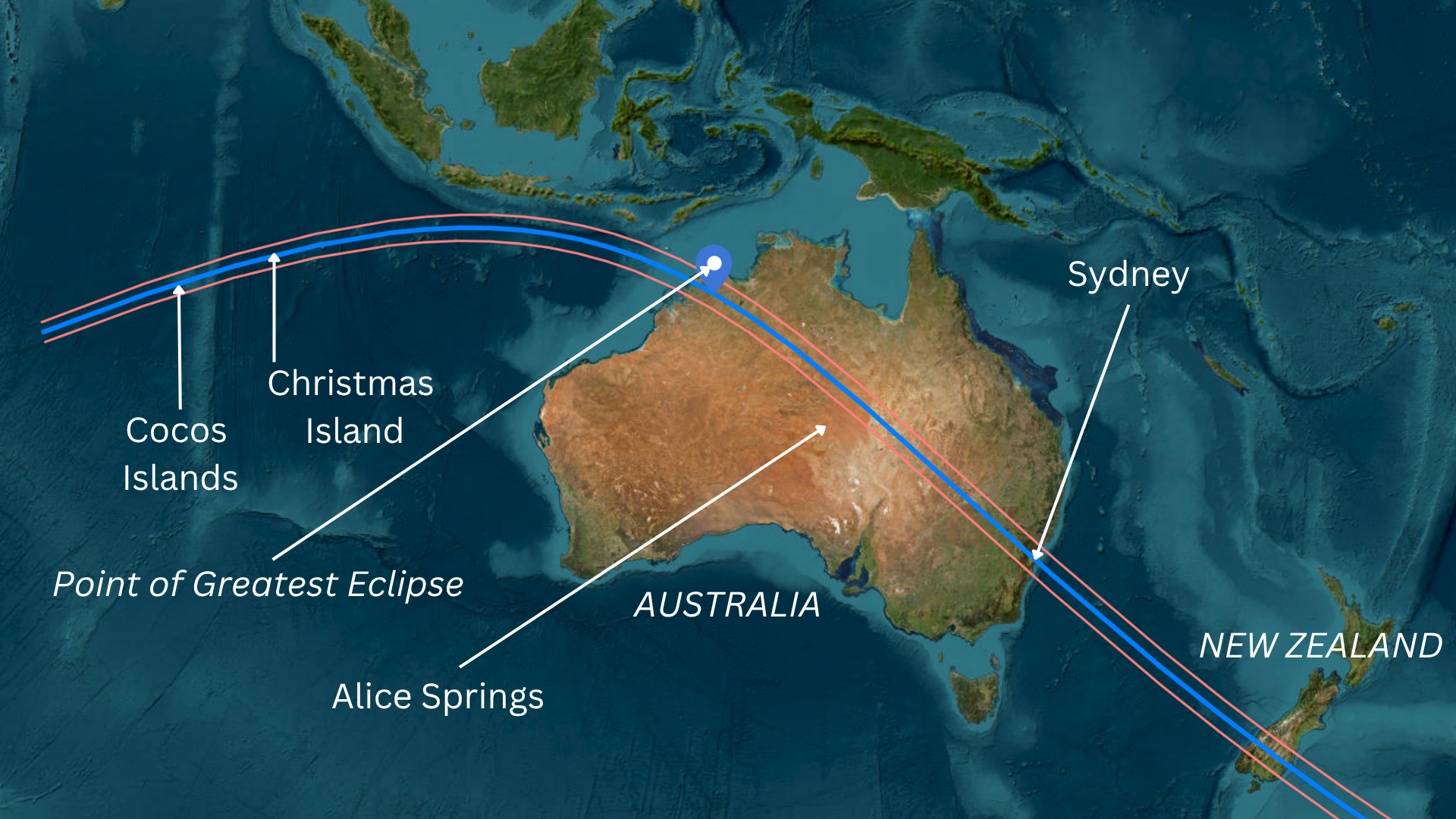
The upcoming eclipse is projected to span 2 hours and 49 minutes from its initial touch to final departure. Its peak totality, lasting 5 minutes and 10 seconds, is anticipated near Western Australia’s Drysdale River. An estimated 6.3 million people reside within the path of totality, with the majority, according to Time and Date, concentrated in Sydney and its surrounding areas.
Eclipse enthusiasts often note the distinction between predictable climate and actual weather conditions. While mobility offers the best chance of pursuing clear skies, a strategic choice for observing an eclipse can be Australia’s Outback, known for its significantly lower likelihood of cloud cover. Data from Time and Date reveals that on July 22 since the year 2000, Kununurra experienced cloudy conditions approximately 11% of the time, closely followed by the Bungle Bungles at 10%. Karlu Karlu, by comparison, saw cloud cover on the same date about 23% of the time. Visitors planning to travel through the Outback should be prepared for extremely heavy traffic on its typically one-lane roads.
Coastal regions are anticipated to present the highest risk for cloud cover, potentially obscuring views. Specifically, Cocos Island faces a 65% chance of overcast skies, with Christmas Island close behind at 57%. Sydney also shows an unfavorable 47% probability of significant cloud obstruction. This astronomical event is scheduled to unfold during the Southern Hemisphere’s winter season.
Skywatchers across a broad swathe of the Asia-Pacific region are anticipating a partial solar eclipse on July 22, 2028. The celestial event will be observable from Australia, New Zealand, and various nations within Southeast Asia.
Following the total solar eclipse on July 22, 2028, the schedule for subsequent total solar eclipses, complete with their dates and geographical locations, is outlined below:
For comprehensive information on upcoming celestial events, NASA’s eclipse website offers a concise summary of solar eclipses through 2030. Further details on solar and lunar eclipse predictions are available via EclipseWise.com, a dedicated resource for such forecasts. Visual aids for eclipse tracking include maps from cartographer Michael Zeiler’s EclipseAtlas.com and interactive Google Maps found on Xavier Jubier’s eclipse website, alongside information from Timeanddate.com’s Eclipse Central hub. Additionally, meteorologist Jay Anderson provides climate and weather predictions on Eclipsophile.com, while eclipse photographer Alan Dyer offers advice on capturing these phenomena through AmazingSky.com.
In 2022, M. Bakich and M. Zeiler published the ‘Atlas Of Solar Eclipses,’ providing a detailed cartographic survey of these celestial phenomena predicted to occur between 2020 and 2045.
An exhaustive new atlas charts every solar eclipse occurring between 2020 and 2045, offering a detailed guide for enthusiasts, researchers, and general observers. Co-authored by esteemed eclipse cartographer Michael Zeiler and veteran NASA astrophysicist Fred Espenak, the publication serves as a comprehensive resource for understanding future celestial events.
The atlas features an extensive collection of over 200 high-resolution maps, precisely illustrating the paths of totality and annularity for each of the 26 solar eclipses—comprising 15 total, 9 annular, and 2 hybrid events—within the 25-year period. These maps span global, regional, and highly localized views, including specific city overlays.
Beyond geographical data, the volume provides precise tables detailing eclipse circumstances, timings, and durations, alongside insightful analyses of viewing conditions. It places particular emphasis on significant upcoming events, such as the 2023 annular and 2024 total solar eclipses that will traverse North America. Additionally, the atlas includes foundational information on the various types of solar eclipses and essential guidelines for safe observation.
X. Jubier has developed an interactive online platform, “Solar eclipses: Interactive Google Maps,” offering users a detailed visual guide to celestial events. The resource utilizes Google Maps technology to plot eclipse paths and phenomena, providing an accessible tool for enthusiasts tracking solar eclipses. It is available online at xjubier.free.fr/en/site_pages/SolarEclipsesGoogleMaps.html.
The NASA Worldview application, an integral component of the agency’s Earth Science Data and Information System (ESDIS), was accessed on June 24, 2025.
A total solar eclipse is projected to occur on July 22, 2028. Details regarding this astronomical event were sourced from Time and Date on June 24, 2025.